
Mark Ruffalo Tells Kevin O’Leary to ‘STFU’ in Fiery Defense of Billie Eilish’s Anti-ICE Grammys Speech
Mark Ruffalo, Billie Eilish, and the Never-Ending Culture War Over Award Show Activism
In the latest skirmish in the culture wars, actor Mark Ruffalo has stepped in to defend Billie Eilish after “Shark Tank” investor Kevin O’Leary criticized her anti-ICE speech at the Grammys. What could have been a standard post-awards news cycle quickly turned into a wider argument about celebrity activism, immigration politics and who gets to tell whom to be quiet—especially once Ruffalo took to Threads and effectively told O’Leary to “STFU.”
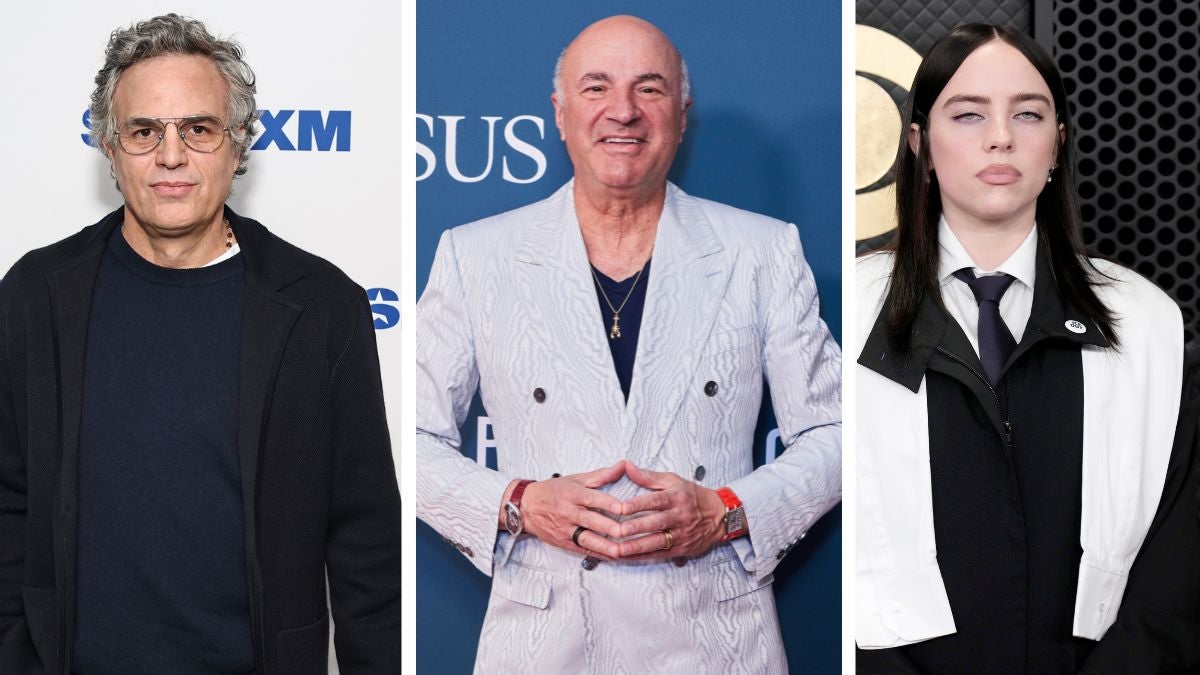
What Happened at the Grammys: Billie Eilish’s Anti-ICE Moment
Award shows and politics have been entangled for decades, from Marlon Brando’s 1973 Oscars boycott to Beyoncé’s Black Lives Matter–infused Super Bowl performance. Billie Eilish’s Grammys appearance fits neatly into that tradition. During the ceremony, Eilish used her platform to speak out against ICE (U.S. Immigration and Customs Enforcement), aligning herself with a long line of artists who view the stage as a megaphone for protest rather than just celebration.
While the exact wording of her comments centered on criticism of ICE and the impact of immigration enforcement on vulnerable communities, the spirit was familiar: a young, massively influential pop star choosing to foreground social justice in a room built to reward record sales and artistic craft. For fans who’ve watched Eilish weave anxiety, alienation and moral unease into her music, the move didn’t feel out of character.
Still, immigration enforcement remains one of the most polarizing issues in U.S. politics, which made Eilish’s remarks all but guaranteed to hit a nerve outside the Recording Academy bubble.
Kevin O’Leary’s Criticism: “Stay in Your Lane” Meets the Streaming Era
Enter Kevin O’Leary, the businessman and television personality best known as “Mr. Wonderful” on Shark Tank . Never shy about brandishing an opinion, O’Leary publicly criticized Eilish’s anti-ICE comments, effectively arguing that stars should not use a major music telecast to launch political broadsides.
O’Leary’s critique drew on a familiar argument: that entertainers risk alienating half their audience by taking political stances, and that the Grammys should focus on “the music,” not immigration policy. The subtext is clear: in his view, artists are brands, and brands should protect shareholder value, not challenge the state.
“When you’re on a stage watched by millions, you have a responsibility not to divide your audience with politics,” O’Leary argued, framing Eilish’s comments as bad business as much as bad etiquette.
This is where entertainment and finance worldviews clash: to O’Leary, controversy threatens the bottom line. To Eilish’s generation, neutrality in the face of perceived injustice can feel like complicity.

Mark Ruffalo on Threads: A Blunt “STFU” and a Clear Line in the Sand
Mark Ruffalo, who has long balanced his Marvel fame with outspoken progressive politics, was not having it. The Task star took to Threads to call out O’Leary’s comments and defend Eilish’s right to speak up. In doing so, he didn’t exactly opt for diplomatic phrasing—telling O’Leary, in essence, to “STFU.”
“Billie Eilish has every right to use her platform to speak up for people targeted by ICE,” Ruffalo posted, before bluntly telling Kevin O’Leary to “STFU” and stop policing artists’ conscience.
The choice of Threads as the platform is telling. Meta’s service has been pitched as a less toxic alternative to X, but the Ruffalo–O’Leary exchange shows that even the “kinder” social spaces inevitably become arenas for ideological combat when entertainment, politics and viral clips collide.
Why This Moment Matters: Celebrity Speech, ICE, and the Culture Industry
Underneath the headline-friendly “STFU” is a serious question: what is the social responsibility of artists at a time when issues like immigration enforcement can’t be neatly separated from daily life? ICE, after all, isn’t an abstract talking point—it’s a federal agency whose operations have been widely debated in the courts, the press and Congress.
- For fans of Eilish: Her comments fit into a broader Gen Z ethos that treats silence on social issues as a kind of endorsement.
- For critics like O’Leary: Award shows are businesses first, and anything that risks controversy is seen as brand damage.
- For actors like Ruffalo: Fame is a lever, and not using it feels like a wasted opportunity for impact.
The entertainment industry has been moving steadily toward overt political expression, especially after 2016. Whether it’s Hannah Gadsby’s stand-up special redefining what comedy can contain, or shows like The Handmaid’s Tale reframing dystopia as commentary on contemporary policy, audiences now expect a certain level of engagement with real-world issues.

Strengths and Weaknesses of Going Viral for Activism
As with most culture-war dustups, there are legitimate points buried beneath the noise—and some clear pitfalls.
What works about this kind of moment
- Visibility for complex issues: Millions of viewers who never read policy briefs are suddenly hearing about ICE, enforcement tactics and immigrant rights.
- Authenticity for artists: Fans often reward stars who seem willing to risk backlash for their beliefs; it makes them feel less like corporate products and more like human beings.
- Accountability for power: When wealthy, high-profile figures side with marginalized communities, it can shift media narratives and normalize criticism of government agencies.
Where it can backfire
- Oversimplification: Grammys speeches are short; immigration law is not. Nuance tends to evaporate in favor of slogans.
- Polarization: O’Leary’s reaction—and Ruffalo’s reply—show how quickly the conversation hardens into pro- or anti-, with little room for genuine debate.
- Attention economics: The more outraged the response (including an “STFU”), the more the algorithm rewards it, sometimes overshadowing the underlying issue.

Related Cultural Flashpoints: When Awards Shows Become Battlegrounds
Ruffalo vs. O’Leary vs. Eilish is part of a broader pattern, not an outlier. In recent years, we’ve seen:
- Meryl Streep’s anti-Trump speech at the Golden Globes, which triggered intense backlash and praise in equal measure.
- Kendrick Lamar’s politically charged Grammy performances, blending theater and protest to address police violence and mass incarceration.
- Ricky Gervais’ “no politics” monologues at the Golden Globes, which themselves became political statements about celebrity activism.

Conclusion: The Mic Isn’t Going Back in the Box
Whether you side more with O’Leary’s “keep politics out of the Grammys” stance or with Ruffalo’s defense of outspoken artists, one thing seems unavoidable: the age of apolitical pop superstardom is over. A generation raised on social feeds, protest livestreams and algorithm-driven outrage doesn’t see a clean separation between entertainment and ethics.
Billie Eilish will likely keep talking. Mark Ruffalo will almost certainly keep clapping back. And critics like Kevin O’Leary will keep insisting there’s a price to pay for mixing politics and pop. The real question isn’t whether stars will speak up—it’s how thoughtfully they’ll do it, and whether audiences can move beyond the “STFU” era toward conversations that are as nuanced as the issues they’re invoked to address.

Review & Context Metadata
For the original news reporting and statements quoted, visit TheWrap and other reputable entertainment news outlets.
