
This 25-Year Study Says Cheese Might Protect Your Brain—Here’s What It Really Means
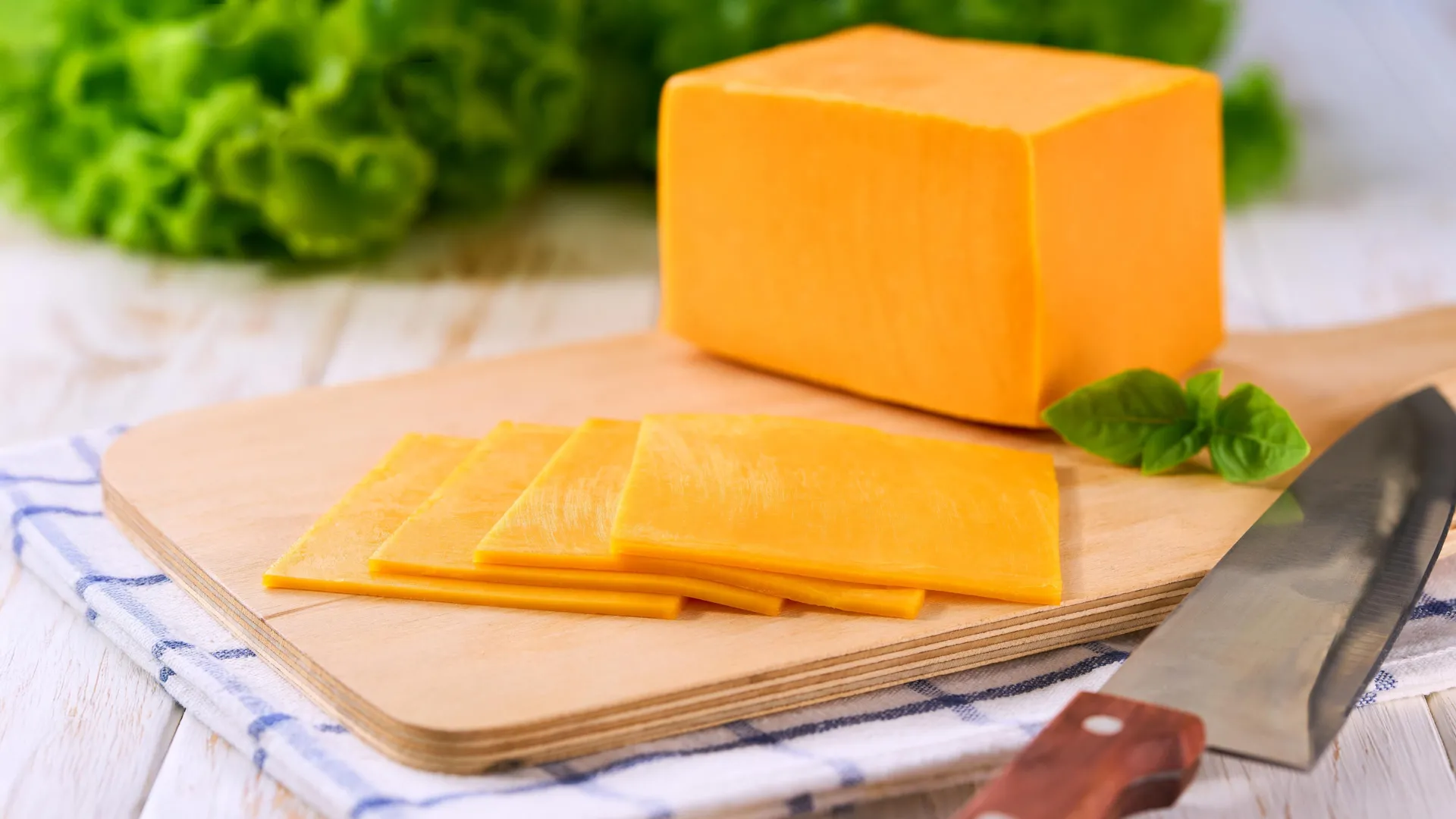
For years, many of us have been told to fear full-fat cheese: too much saturated fat, too many calories, bad for the heart and the brain. Now a massive 25-year Swedish study following almost 28,000 people has raised an eyebrow-raising possibility: among adults without a known genetic risk for Alzheimer’s disease, those who ate more full-fat cheese and cream had a lower risk of developing dementia.
That doesn’t mean cheese is a magic shield against memory loss. But it does suggest that the relationship between full-fat dairy and brain health is more nuanced than we once believed. Let’s unpack what this research really showed, what it doesn’t prove, and how you can apply it safely in your everyday life.
Why this cheese-and-dementia study matters
Dementia—including Alzheimer’s disease—is one of the most feared conditions of aging. With no cure yet, prevention and risk reduction are where we can have the biggest impact. That’s why a 25-year, population-level study suggesting that certain full-fat dairy foods might be linked to lower dementia risk gets so much attention.
At the same time, it’s easy for headlines to oversimplify: “Cheese prevents dementia!” or “Forget everything you knew about fat!” The reality, as usual, sits somewhere in the middle.
What did the 25-year Swedish study actually find?
The study, conducted in Sweden and reported by outlets like ScienceDaily, tracked nearly 28,000 middle-aged and older adults for about 25 years. Researchers followed their dietary habits and monitored who went on to develop dementia.
- Population: ~28,000 adults, generally middle-aged at the start, followed over 25 years.
- Focus: Intake of full-fat dairy products (especially cheese and cream) and later development of dementia.
- Genetics: Particular attention to people without a known genetic risk for Alzheimer’s disease (for example, those without high-risk APOE variants).
The key finding:
- Among participants without known genetic risk for Alzheimer’s, higher consumption of full-fat cheese and cream was associated with a noticeably lower risk of dementia.
- This protective association wasn’t seen in the same way among people who had higher genetic risk.
- The study was observational—it shows association, not cause-and-effect.
“Our findings suggest that in individuals without a strong genetic predisposition to Alzheimer’s disease, higher intakes of certain full-fat dairy products, such as cheese and cream, may be associated with a lower risk of dementia over the long term. However, these results should be interpreted with caution and within the context of overall diet and cardiovascular health.”
— Summary of the Swedish researchers’ interpretation (as reported in ScienceDaily)
How could full-fat cheese possibly support brain health?
At first glance, it sounds backwards. Cheese is rich in saturated fat, and high saturated fat intake has often been linked with heart and brain problems. Yet, nutrition science has been slowly evolving, especially around dairy fats.
Several mechanisms might help explain the findings:
- Unique dairy fatty acids: Cheese and cream contain specific saturated fats and bioactive lipids that behave differently from saturated fats in processed meats. Some may have neutral or even beneficial effects on cardiovascular risk markers in certain people.
- Fermentation benefits: Many cheeses are fermented and contain peptides, vitamins (like K2), and compounds that may help reduce inflammation or improve vascular function—both important for brain health.
- Protein and micronutrients: Cheese is rich in protein, calcium, B12, and other nutrients vital for nerve function and cognition.
- Full-fat satiety effect: People who eat satisfying, full-fat foods may snack less on ultra-processed products high in sugar and refined starches, which are increasingly linked to worse brain outcomes.
None of this means “the more cheese the better.” It does suggest that, in the context of an overall healthy pattern, moderate full-fat dairy may fit into a brain-supportive way of eating, especially for people without specific cardiovascular risks.
What this study does not prove
It’s tempting to jump from “linked with lower dementia risk” to “cheese prevents dementia.” That leap is not supported by the evidence.
Here are key caveats to keep in mind:
- Association, not causation: People who ate more full-fat cheese might also have had other protective habits—more physical activity, better sleep, social engagement, or higher education—that reduce dementia risk.
- Genetic differences matter: The apparent benefit was found primarily in those without genetic risk for Alzheimer’s. If you carry higher-risk genetic variants, the relationship may be different.
- Other health risks: Full-fat dairy can raise LDL (“bad”) cholesterol in some people. Even if it supports the brain, it could increase heart disease risk in others if consumed excessively.
- Cheese type and context: The study reflects typical Swedish diets. Ultra-processed cheese products, heavy salting, and eating cheese with processed meats or refined carbs may not offer the same pattern of risk.
How to include cheese wisely in a brain-healthy lifestyle
If you enjoy cheese, this study may feel reassuring. You don’t have to abandon it to “protect your brain.” Instead, you can fold cheese into a broader, evidence-based approach to dementia risk reduction.
Below are practical, research-aligned ways to do that.
1. Aim for moderation, not overload
Typical serving sizes are about:
- 30–40 g (around 1–1.5 oz) of hard cheese (e.g., cheddar, gouda, parmesan)
- 2 tablespoons of cream in coffee or cooking
For many adults without specific health conditions, 1–2 servings of cheese per day as part of an otherwise healthy diet is reasonable. But this can vary widely based on your cholesterol, weight goals, and overall diet quality.
2. Prioritize higher-quality and fermented cheeses
Not all cheeses are equal from a nutrition standpoint. When possible, focus on:
- Fermented cheeses: such as gouda, cheddar, Swiss, feta, and blue cheese.
- Less processed options: blocks or wheels of cheese, rather than “cheese products” or slices with long ingredient lists.
- Reasonable sodium: If you have high blood pressure, choose lower-sodium varieties or keep portions small.
3. Pair cheese with brain-friendly foods
How you eat cheese matters. Instead of pairing it with processed meats and refined crackers, try:
- Cheese with vegetables (tomatoes, cucumbers, peppers) and olive oil.
- Cheese crumbled over a mixed salad with leafy greens and nuts.
- Cheese as part of a Mediterranean-style plate: olives, whole grains, beans, and vegetables.
4. Keep an eye on your heart and metabolic health
Because heart and brain health are tightly connected, it’s essential to monitor:
- Blood pressure
- Cholesterol and triglycerides
- Blood sugar / HbA1c
- Weight and waist circumference
If you notice unfavorable changes after increasing full-fat dairy, talk with a clinician or dietitian about adjusting your intake.
Common obstacles (and how to handle them)
“I’m afraid of gaining weight.”
Full-fat cheese is energy-dense. It’s easy to overdo it without noticing. A few strategies:
- Pre-portion cheese into small containers instead of eating from the block.
- Use cheese as a flavor accent (crumbled or grated) rather than the main component of the meal.
- Balance with fiber-rich foods—vegetables, beans, whole grains—to stay full.
“I have high cholesterol—can I still eat cheese?”
Some studies suggest that cheese may affect cholesterol differently than butter with the same amount of saturated fat, possibly due to calcium and the “cheese matrix.” Still, if you have high LDL cholesterol or heart disease, you should:
- Review your labs and family history with your healthcare provider.
- Consider limiting full-fat cheese to small portions a few times per week.
- Emphasize other brain-healthy fats like extra-virgin olive oil, nuts, seeds, and fatty fish.
“I’m lactose intolerant or dairy-sensitive.”
Many aged, hard cheeses are naturally low in lactose and better tolerated. If dairy still causes symptoms:
- Try small amounts of aged cheeses and monitor your response.
- Focus on dairy-free brain foods: nuts, seeds, avocados, olive oil, legumes, and leafy greens.
- Remember: You can absolutely support brain health without any dairy at all.

Cheese is one piece of the bigger dementia-prevention puzzle
Even the most optimistic reading of the Swedish study doesn’t claim that cheese is the main driver of dementia risk. Instead, think of it as a small but interesting tile in a much larger mosaic.
The strongest evidence for brain protection still points to:
- Regular physical activity (especially cardio + strength training)
- Controlling blood pressure, blood sugar, and cholesterol
- Not smoking and limiting excessive alcohol
- Mediterranean or MIND-style eating patterns, rich in vegetables, fruits, whole grains, legumes, nuts, olive oil, and fish
- Quality sleep (often 7–9 hours for most adults)
- Social connection and lifelong learning or cognitive challenge
“No single food will prevent dementia. But a pattern of healthy habits—supported by enjoyable, sustainable food choices—can meaningfully shift your risk over time.”
— Geriatric nutrition perspective, aligned with Alzheimer’s prevention research
A realistic example: Adjusting cheese, not demonizing it
Consider “Anna,” a 58-year-old office worker (a composite of several real cases I’ve seen described in clinical literature and practice reports):
- Family history of dementia on her mother’s side
- Borderline high cholesterol and slightly elevated blood pressure
- Loves cheese and had been trying to cut it out entirely
After reviewing the evolving research—including this long-term Swedish study—Anna and her dietitian chose a middle path:
- Reintroduced cheese in small portions (about 1–1.5 oz per day), mainly as part of vegetable-rich meals.
- Replaced her afternoon pastry with a small plate of apple slices, walnuts, and a piece of aged cheddar.
- Increased physical activity and worked on consistent sleep, aiming for 7.5 hours per night.
Over the following year, her weight remained stable, her LDL cholesterol improved slightly (likely due to cutting back on pastries and refined carbs), and she felt less deprived. She didn’t “cure” dementia risk—no one can promise that—but she aligned her habits with the best available science and her personal preferences.
Key takeaways and your next steps
If you remember only a few things from this article, let it be these:
- A 25-year Swedish study found that higher intake of full-fat cheese and cream was linked with lower dementia risk among people without genetic risk for Alzheimer’s.
- This is an association, not proof that cheese prevents dementia.
- Moderate amounts of full-fat cheese can fit into a brain-healthy diet, especially when paired with vegetables, whole foods, and active lifestyle habits.
- Heart and metabolic health still matter—monitor your numbers and work with a professional if you have cardiovascular or metabolic conditions.
- No single food determines your brain future; it’s your overall pattern, practiced consistently over years, that counts.

A gentle call to action
Over the next week, try this:
- List the brain-healthy habits you already practice (movement, sleep, diet, social connection).
- Identify one area—perhaps your snack choices—where you can swap an ultra-processed option for a more balanced plate that might include a small portion of cheese plus fruits, vegetables, or nuts.
- Schedule a check-in with your healthcare provider to review your cardiovascular risk factors and ask where full-fat dairy reasonably fits for you.
You don’t need to overhaul your diet overnight or drown everything in cheddar. With small, thoughtful steps, you can enjoy the foods you love—including cheese—while still caring for your brain over the long term.
