
When the “Gold Standard” Misses: What Every Woman Should Know About Mammograms That Don’t Work
When the “Gold Standard” Isn’t Enough
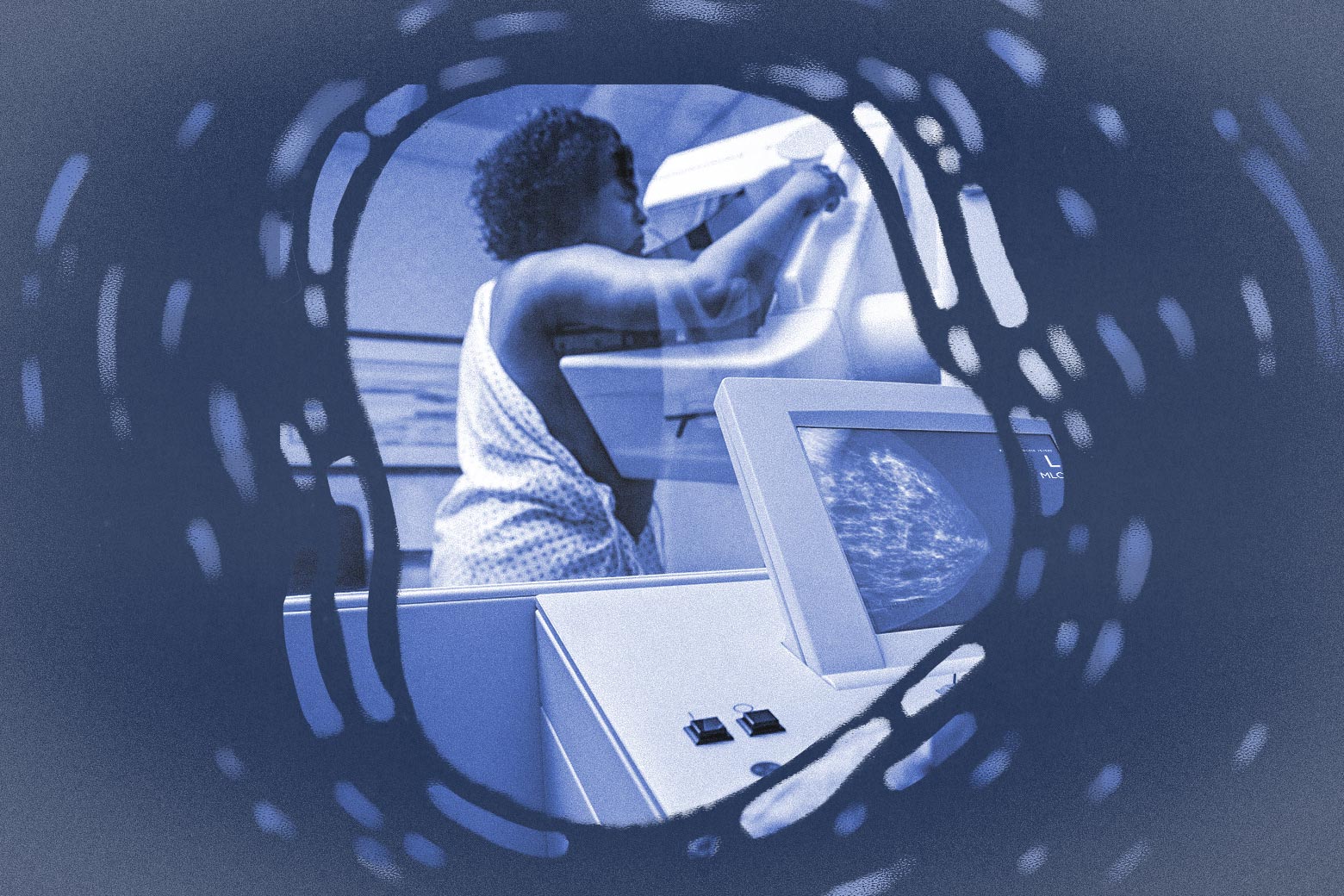
If you’ve ever sat in a chilly waiting room, wearing a thin gown and trying not to worry while you wait for your mammogram, you’re not alone. For decades, we’ve been told that mammograms are the gold standard of early breast cancer detection. But for an estimated 40 percent of women—especially those with dense breast tissue—standard mammograms can miss cancers, create confusing results, or give a false sense of security.
A recent Slate feature, “It’s the Gold Standard of Early Cancer Detection. For 40 Percent of Women, It Doesn’t Work.”, highlighted what many women discover only after a scare: the test they relied on may not have been designed with their bodies in mind.
This doesn’t mean mammograms are useless—far from it. It does mean that for many women, mammography is just one piece of a smarter, more personalized breast cancer screening plan. Understanding when the “gold standard” falls short is the first step toward getting the care you actually need.
The Problem: When Mammograms Miss Cancer
Mammograms use low-dose X-rays to create images of the breast. Radiologists look for suspicious patterns, such as masses or tiny calcium deposits. For many women, this approach works well and finds cancers early, when they are most treatable.
The challenge is that breast tissue is not the same for everyone. For about 40 percent of women, the breast tissue is described as “dense.” On a mammogram, both dense tissue and cancer can appear white—making it harder to tell them apart. In some cases, cancer can be literally hidden in the background.
“For women with dense breasts, a normal mammogram does not always mean there is no cancer. Additional imaging may be needed to see what a mammogram can miss.”
— Summary of guidance from major breast imaging societies (2023–2025 updates)
In the Slate story, Allison Hamilton noticed a lump herself in 2023. Like many women, she assumed that as long as she showed up for mammograms, she’d be protected. Her experience—and that of the women in a room learning to examine their own breasts—captures a growing realization: technology is powerful, but it has blind spots.
What Are Dense Breasts, and Why Do They Matter?
Breast density refers to how much fibrous and glandular tissue you have compared with fat. It’s something you can’t feel on the outside; it only shows up on imaging. Radiologists typically classify breast density into four categories:
- Almost entirely fatty – mostly fat, easier to see small abnormalities.
- Scattered areas of fibroglandular density – some dense tissue, still relatively clear images.
- Heterogeneously dense – many areas of dense tissue, which can obscure small cancers.
- Extremely dense – very high density, significantly reducing the sensitivity of mammograms.
Women in categories 3 and 4 are usually considered to have “dense breasts.” Studies published through 2024 indicate that:
- Dense tissue can hide cancers on mammograms (lower sensitivity).
- Dense breasts are also associated with a higher risk of developing breast cancer compared with non-dense breasts, though the exact level of increased risk varies.
- Many women are never told they have dense breasts or what that means for screening.

How Reliable Are Mammograms Really?
Mammograms still reduce the risk of dying from breast cancer on a population level, and major organizations continue to recommend them for most women starting in their 40s (sometimes earlier for high-risk women). But “reliable” does not mean “perfect,” especially if you have dense breasts.
What research and guidelines up to 2024–2025 suggest:
- In women with non-dense breasts, mammograms can catch a high percentage of cancers early.
- In women with dense breasts, studies indicate mammograms may miss a substantially higher proportion of cancers, leading to so-called “interval cancers” that appear between routine screenings.
- False positives (tests that look suspicious but turn out not to be cancer) are more common in dense breasts, leading to extra imaging, biopsies, and anxiety.
“Screening mammography is effective, but its sensitivity is reduced in women with dense breast tissue. Supplemental screening can detect additional cancers but may increase false positives. Decisions should be individualized.”
— Paraphrased from consensus statements by U.S. and European breast imaging experts (2020–2024)
The key takeaway: mammography is a valuable tool, but for millions of women it is not enough by itself. That’s not a reason to abandon screening—it’s a reason to make it smarter.
Beyond Mammograms: Other Tests That Can Help
If you have dense breasts or a higher-than-average risk of breast cancer, your doctor may recommend supplemental screening. These are additional tests used alongside, not instead of, mammograms.
1. Breast Ultrasound
Ultrasound uses sound waves (no radiation) to look at breast tissue. It can spot some cancers that mammograms miss, especially in dense breasts.
- Pros: Widely available, no radiation, can distinguish cysts from solid masses.
- Cons: More false positives; operator skill matters; usually used as a supplement, not a replacement.
2. Breast MRI
MRI uses magnets and radio waves, often with contrast dye, to create very detailed images. It’s more sensitive than mammography, which is why it’s often recommended for women at significantly higher risk.
- Pros: Very sensitive; can detect cancers too small or subtle for mammograms.
- Cons: More expensive, less available, can lead to more follow-ups and false positives, involves contrast in many cases.
3. 3D Mammography (Digital Breast Tomosynthesis)
3D mammography takes multiple images from different angles, which a computer then reconstructs into thin “slices” of the breast. This is increasingly common and may be more helpful for dense breasts than traditional 2D mammograms.
- Pros: Better cancer detection and fewer false positives in many studies.
- Cons: Not available everywhere; may involve slightly more radiation than 2D, though still within safe limits for most women.
Taking Charge: Practical Steps You Can Start Today
Knowing that the “gold standard” has limitations can feel unsettling. But it can also be empowering: you’re now in a better position to ask informed questions and shape a screening plan that fits you.
1. Find Out Your Breast Density
- Ask for a copy of your most recent mammogram report.
- Look for the section labeled “breast composition” or “density.”
- If it says “heterogeneously dense” or “extremely dense,” ask your provider what that means for your screening.
2. Understand Your Personal Risk
Your screening plan should reflect your overall breast cancer risk, which includes:
- Age and menstrual history.
- Family history of breast or ovarian cancer.
- Known gene mutations (like BRCA1/2, PALB2) if tested.
- Previous breast biopsies or atypical findings.
- Lifestyle factors (alcohol, weight, activity) and hormone therapy.
Ask your clinician whether a formal risk assessment tool (such as those used in updated guidelines through 2024) is appropriate for you.
3. Ask About a Tailored Screening Plan
With information about your density and risk, you and your clinician can discuss:
- When to start and how often to get mammograms.
- Whether to use 3D mammography if available.
- Whether supplemental ultrasound or MRI makes sense for you.
- How to handle findings that are probably benign but need follow-up.
4. Pay Attention to Changes in Your Own Body
While self-exams alone haven’t been shown to lower mortality in large studies, many women—like the ones described in the Slate article—first notice something unusual themselves.
Contact your provider if you notice:
- A new lump or thickening in the breast or underarm.
- Changes in breast size, shape, or skin texture.
- Nipple inversion, discharge (especially bloody), or scaling.
- Persistent pain in one area that doesn’t match your usual cycle.

Common Obstacles—and How to Navigate Them
Even when you know what you need, getting it isn’t always simple. Women in real-life stories, including those highlighted by Slate, often run into similar barriers.
“My doctor says I don’t need extra tests.”
Not every woman with dense breasts automatically needs supplemental screening. But if you’re worried, you can:
- Ask how your overall risk compares to average.
- Request that your provider explain the pros and cons of supplemental screening in your case.
- Seek a second opinion, preferably from a breast specialist, if you still feel unheard.
“I’m afraid of false alarms.”
Extra imaging can mean more callbacks, more “wait and see,” and sometimes biopsies that turn out benign.
To cope:
- Ask your radiology center for their typical callback and cancer detection rates.
- Plan practical support (a ride, time off work) for follow-up appointments.
- Use written notes or patient portals to track what each test result means.
“I’m worried about cost and access.”
Insurance coverage for supplemental screening varies widely and continues to evolve with new laws and guidelines.
- Call your insurer before scheduling to ask what’s covered for your density and risk level.
- Ask your clinic if there are lower-cost options, financial assistance programs, or community screening days.
- If you live in an area with limited imaging options, ask your provider if mobile units or regional centers are available.
What Experts and Recent Research Say
Over the past decade—and especially in guideline updates leading into 2024–2025—experts have increasingly recognized that breast cancer screening should be personalized.
Key themes from recent research and professional societies:
- Mammography remains the backbone of screening and lowers breast cancer mortality on a population level.
- Dense breast tissue both increases risk and reduces mammographic sensitivity, contributing to interval cancers.
- Supplemental ultrasound or MRI can find more cancers in dense breasts, but also increases false positive results and costs.
- Risk-based models that combine factors (age, family history, genetics, density) can help identify which women benefit most from additional tests.
For more detailed, up-to-date information, consider reviewing:
Moving Forward: From Fear to Informed Action
Sitting in that roomful of women learning to examine their own breasts, as described in the Slate article, can feel like a crash course you never asked for. You might feel frustrated that no one told you sooner that mammograms sometimes miss cancers—especially in dense breasts.
But knowing this doesn’t mean you’re helpless. It means:
- You can ask about your breast density and personal risk.
- You can work with your provider to build a screening plan that fits your body, not an average template.
- You can stay alert to changes in your breasts and speak up when something doesn’t feel right.
You deserve clear information, options that reflect your real risk, and a care team that listens. Early detection is still one of our strongest tools against breast cancer—but for many women, it starts with the courage to say, “I want to understand my options better.”
Your next step: Before your next screening, make a short list of questions—about density, risk, and supplemental tests—and bring it with you. Turning a routine appointment into a real conversation could change how well your “gold standard” works for you.
