
The Ozempic Diet Era: How GLP‑1 Drugs Are Quietly Rewriting the Rules of Eating
Ozempic, Wegovy & the Rise of the “Ozempic Diet”
Ozempic, Wegovy, Mounjaro, and Zepbound have moved from quiet clinic conversations to dinner‑table debates and viral TikToks. These GLP‑1 (and dual GIP/GLP‑1) medications are powerful tools for treating type 2 diabetes and obesity, but they also transform how people feel hunger, fullness, and cravings. The phrase “Ozempic diet” is everywhere, yet there’s no official plan—just millions of people suddenly eating less and asking, Now what should I eat so I lose weight safely and stay healthy?
For home cooks, this moment is an invitation: if every bite counts more, why not make those bites deeply satisfying—high in protein, rich in micronutrients, gentle on the stomach, and full of flavor? Think silky Greek yogurt parfaits, tender grilled salmon with lemon, or a cozy pot of bean and veggie stew that nourishes without overwhelming your appetite.
Why the “Ozempic Diet” Trend Exploded
Online, the conversation blends curiosity, confusion, and a bit of controversy. Search engines and social feeds are flooded with:
- Google searches for “Ozempic diet plan,” “what to eat on Ozempic,” and “Ozempic before and after.”
- TikTok and YouTube videos showing “what I eat in a day on Ozempic,” side‑effect stories, and dramatic weight‑loss timelines.
- Celebrity chatter questioning whether visible weight loss is “earned,” “assisted,” or a bit of both.
Beneath the buzz is a serious nutrition question: when a medication tamps down your appetite and slows stomach emptying, how do you keep your body well nourished, protect your muscles, and still enjoy food?
How GLP‑1 Medications Change Appetite & Eating
Medications like semaglutide (Ozempic, Wegovy) and tirzepatide (Mounjaro, Zepbound) mimic or enhance gut hormones that help regulate blood sugar and appetite. Many people describe:
- Earlier fullness — you feel satisfied after fewer bites.
- Blunted cravings — especially for very sweet or greasy foods.
- Lingering fullness because gastric emptying slows down.
- Occasional nausea or reflux, especially with heavy meals or rich foods.
The result is often a significant drop in total calories, sometimes without intending it. Weight loss can be rapid, but without a plan, it can come with downsides: inadequate protein, micronutrient gaps, constipation, fatigue, and loss of lean muscle.
Core Nutrition Principles of the “Ozempic Diet” Era
While there’s no single official Ozempic meal plan, clinicians and dietitians consistently emphasize four pillars that pair beautifully with home cooking.
1. Protein Prioritization
With fewer total calories, protein becomes non‑negotiable for maintaining muscle and staying comfortably full. Many experts suggest roughly 1.6–2.2 g of protein per kilogram of body weight per day, tailored to age, health status, and activity.
That might sound technical, but in the kitchen it looks like:
- Greek yogurt bowls topped with berries and a sprinkle of nuts.
- Grilled chicken or tofu over leafy greens and cooked grains.
- Eggs or egg‑white omelets packed with vegetables.
- Bean‑based stews or lentil curries with warm spices.
2. Nutrient Density in Every Bite
When you physically can’t (or don’t want to) eat large portions, each forkful needs to pull its weight. Instead of ultra‑processed snacks, focus on:
- Lean proteins like poultry, fish, tofu, tempeh, beans, lentils.
- Colorful vegetables for fiber, antioxidants, and crunch.
- Whole fruits instead of juices for satisfying sweetness and fiber.
- Healthy fats like olive oil, avocado, nuts, and seeds in modest amounts.
- Whole grains such as oats, quinoa, brown rice, and barley.
3. Gentle on the Stomach: Managing GI Side‑Effects
Nausea, bloating, reflux, and constipation are frequent companions when starting or increasing GLP‑1 doses. In the kitchen, that can mean:
- Choosing smaller, more frequent meals instead of big plates.
- Going easy on very high‑fat, fried, or greasy dishes.
- Building up fiber slowly with cooked veggies and oats before huge raw salads.
- Sipping water or herbal tea steadily through the day.
4. Long‑Term Sustainability Beyond the Prescription
Early studies suggest that when people stop GLP‑1 medications, weight regain is common unless habits have changed. Food skills—like cooking simple protein‑rich meals, enjoying vegetables, and planning balanced snacks—become your safety net.
Think of the medication as a scaffolding that makes it easier to build new routines: learning to cook at home, lifting weights or doing resistance training, and understanding what portions feel good in your body.

Ethics, Access & Body Image in the Ozempic Conversation
The rise of GLP‑1 medications has stirred intense debate about who gets access, how we talk about bodies, and what “health” should look like.
- Access & cost: For many, these drugs are expensive and not fully covered, raising concerns about equity in obesity and diabetes care.
- Medical vs. cosmetic use: Some people meet strict criteria (like type 2 diabetes or high BMI with conditions), while others pursue prescriptions mainly for appearance, sparking controversy.
- Body image culture: As dramatic weight‑loss photos spread, people in all body sizes may feel new pressure or shame.
In the kitchen, one way to push back against harmful narratives is to cook in a way that feels respectful and nourishing to your current body—choosing foods that support your energy, blood sugar, and enjoyment, not just the scale.
Your worth is not measured in calories, macros, or medication doses. Food can be a celebration of what your body can do today.
A Gentle, High‑Protein “Ozempic‑Friendly” Recipe: Creamy Lemon Herb Chicken & Quinoa Bowl
To bring all these ideas into your kitchen, here’s a high‑protein, nutrient‑dense, GI‑friendly one‑bowl meal. It’s designed to be satisfying in smaller portions, easy to digest, and flexible for different dietary needs.
Quick Summary
Prep time: 20 minutes
Cook time: 25 minutes
Total time: 45 minutes
Servings: 4 smaller bowls (or 3 larger)
Difficulty: Easy–moderate
Best for: High‑protein dinners, make‑ahead lunches
Equipment
- Cutting board and sharp knife
- Large nonstick or stainless‑steel skillet with lid
- Medium saucepan with lid (for quinoa)
- Measuring cups and spoons
- Mixing bowl
Ingredients
For the quinoa base:
- 1 cup (190 g) quinoa, rinsed well
- 2 cups (480 ml) low‑sodium chicken or vegetable broth (or water)
- 1 tbsp olive oil or avocado oil (optional, for extra richness)
- Pinch of salt, to taste
For the lemon herb chicken:
- 1.25 lb (about 560 g) boneless skinless chicken breast, cut into bite‑sized pieces
- 1 tbsp olive oil
- 1 tsp garlic powder (or 2 cloves fresh garlic, minced)
- 1 tsp onion powder
- 1 tsp dried oregano
- 1 tsp dried basil or thyme
- 1/2 tsp fine sea salt, plus more to taste
- 1/4 tsp black pepper (reduce if pepper irritates reflux)
- 1 lemon, zested and juiced (about 3 tbsp juice)
- 1/2 cup (120 g) plain Greek yogurt (2% or 0%)
- 1/4 cup (60 ml) low‑sodium chicken broth or water, for thinning sauce
For the vegetables:
- 2 cups (about 250 g) broccoli florets, fresh or frozen
- 1 medium zucchini, sliced into half‑moons
- 1 medium carrot, thinly sliced (optional if very sensitive to fiber)
- 1 tbsp olive oil (or use a light spray to reduce fat)
- Pinch of salt and pepper
Optional garnishes:
- 2 tbsp chopped fresh parsley or dill
- Extra lemon wedges
- 1–2 tbsp grated Parmesan cheese (omit for dairy‑free)
Step‑by‑Step Cooking Instructions
- Start the quinoa.
In a medium saucepan, combine rinsed quinoa and broth. Bring to a gentle boil over medium‑high heat, then reduce to low, cover, and simmer for 15 minutes, or until the liquid is absorbed. Turn off the heat and let sit, covered, for 5 minutes. Fluff with a fork and stir in olive oil and a pinch of salt if using.
- Prep the chicken.
While the quinoa cooks, pat the chicken pieces dry with paper towels. In a bowl, toss the chicken with garlic powder, onion powder, oregano, basil, salt, and pepper until evenly coated.
- Sear the chicken.
Heat 1 tbsp olive oil in a large skillet over medium heat. Add the seasoned chicken pieces in a single layer (cook in batches if needed to avoid crowding). Cook for 5–7 minutes, turning occasionally, until the chicken is lightly golden and cooked through (internal temperature 165°F / 74°C). Transfer to a plate and keep warm.
- Steam‑sauté the vegetables.
In the same skillet, add 1 tbsp olive oil if the pan is dry. Add broccoli, zucchini, and carrot with a pinch of salt. Sauté for 2–3 minutes, then splash in 2–3 tbsp water and cover for another 3–4 minutes, until the vegetables are bright and just tender. You want them soft enough to be gentle on digestion but still slightly firm.
- Mix the creamy lemon herb sauce.
In a small bowl, whisk together Greek yogurt, lemon zest, lemon juice, and 1/4 cup broth or water until smooth. Taste and adjust with a pinch of salt or more lemon if desired. The sauce should be pourable; add another tablespoon of water or broth if very thick.
- Combine chicken, vegetables, and sauce.
Return the cooked chicken to the skillet with the vegetables. Reduce heat to low. Pour in the lemon yogurt sauce and stir gently until everything is coated and warmed through, 2–3 minutes. Do not boil (this can cause the yogurt to curdle); you just want a soft simmer.
- Assemble the bowls.
Spoon a small bed of quinoa into each bowl (about 1/2–3/4 cup, depending on appetite). Top with a portion of the creamy lemon herb chicken and vegetables. Garnish with fresh parsley, extra lemon wedges, and Parmesan if using.
- Adjust portion sizes for comfort.
If you’re experiencing early fullness, start with a modest portion and eat slowly, paying attention to how your stomach feels. You can always save leftovers for later when your appetite returns.

Storage, Reheating & Meal‑Prep Tips
When your appetite is unpredictable, having ready‑to‑heat portions can turn a day of grazing on snacks into a day of balanced nourishment.
- Refrigeration: Store quinoa and creamy chicken‑vegetable mixture in separate airtight containers for up to 3–4 days.
- Freezing: The lemon yogurt sauce can separate slightly on freezing, but the dish generally freezes well for up to 2 months. Thaw overnight in the refrigerator before reheating.
- Reheating: Reheat gently on the stovetop over low heat with a splash of water or broth, or microwave in 30–45 second bursts, stirring between each. Avoid boiling to keep the sauce smooth.
- Portioning: Pack in small containers so you can warm up just what you feel like eating. You can always add a second mini‑portion later if hunger returns.
Serving Ideas & Complementary Dishes
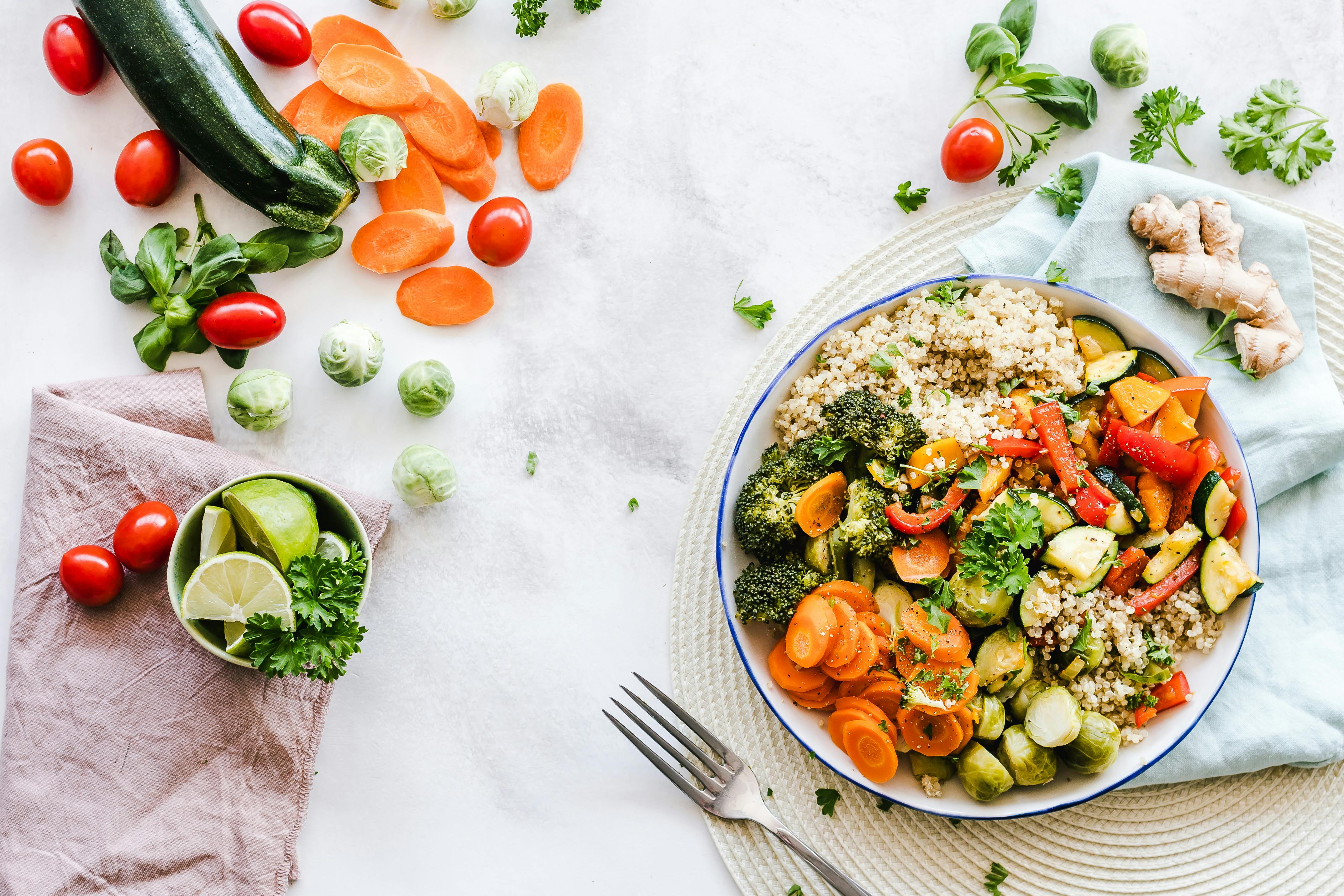
This lemon herb chicken and quinoa bowl is a sturdy anchor for your day, but you can round out your “Ozempic‑friendly” menu with light, protein‑forward sides and snacks.
- Breakfast: Greek yogurt with berries and chia seeds; a soft veggie omelet; overnight oats made with extra protein.
- Snacks: String cheese or a small wedge of cheese with fruit, hummus with soft pita, edamame, or a handful of nuts.
- Soups: Pureed lentil or bean soups, or chicken‑vegetable soup, can be comforting when solid food feels like “too much.”
- Salads: If raw veggies are tolerated, pair a small side salad with extra chickpeas, tuna, or grilled tofu.
- Drinks: Water, herbal tea, and low‑sugar electrolyte drinks help with hydration and constipation without adding heavy volume.
Cooking Through the GLP‑1 Revolution
GLP‑1 medications like Ozempic, Wegovy, Mounjaro, and Zepbound are reshaping how people think about hunger, dieting, and long‑term weight management. But even in this new landscape, the fundamentals of good eating haven’t changed: prioritize protein, pack in micronutrients and fiber at a pace your body tolerates, and choose meals that feel kind to your digestion—not punishing.
You don’t need a rigid “Ozempic diet” to succeed. You need practical, flavorful recipes that fit your real appetite and schedule, and the confidence to listen to your body. With a stocked pantry, a few simple cooking skills, and guidance from your care team, you can let these medications be supports—not the whole story.
Wherever you are on this journey—considering GLP‑1s, already using them, or simply curious—your kitchen can be a place of experimentation, comfort, and sustainable change, one nourishing bowl at a time.
Recipe Structured Data (Schema.org)
The following JSON‑LD snippet provides structured data for this recipe to help search engines understand the content:
{
  "@context": "https://schema.org",
  "@type": "Recipe",
  "name": "Creamy Lemon Herb Chicken & Quinoa Bowl",
  "description": "A high-protein, nutrient-dense, Ozempic-friendly recipe featuring tender lemon herb chicken, quinoa, and soft vegetables in a light Greek yogurt sauce.",
  "keywords": "Ozempic diet, GLP-1 friendly recipe, high protein, weight loss, healthy dinner, quinoa bowl",
  "recipeCuisine": "Modern",
  "recipeCategory": "Dinner",
  "recipeYield": "4 servings",
  "prepTime": "PT20M",
  "cookTime": "PT25M",
  "totalTime": "PT45M",
  "recipeIngredient": [
    "1 cup (190 g) quinoa, rinsed",
    "2 cups (480 ml) low-sodium chicken or vegetable broth",
    "1 tbsp olive oil, divided (plus more as needed)",
    "1.25 lb (560 g) boneless skinless chicken breast, cut into bite-sized pieces",
    "1 tsp garlic powder",
    "1 tsp onion powder",
    "1 tsp dried oregano",
    "1 tsp dried basil or thyme",
    "1/2 tsp fine sea salt",
    "1/4 tsp black pepper",
    "1 lemon, zested and juiced",
    "1/2 cup (120 g) plain Greek yogurt",
    "1/4 cup (60 ml) low-sodium chicken broth or water",
    "2 cups (250 g) broccoli florets",
    "1 medium zucchini, sliced",
    "1 medium carrot, thinly sliced (optional)",
    "Salt and pepper to taste",
    "Fresh parsley or dill, lemon wedges, and Parmesan for serving (optional)"
  ],
  "recipeInstructions": [
    {
      "@type": "HowToStep",
      "text": "Cook quinoa in broth until tender, about 15 minutes; rest covered then fluff."
    },
    {
      "@type": "HowToStep",
      "text": "Season chicken with garlic powder, onion powder, oregano, basil, salt, and pepper."
    },
    {
      "@type": "HowToStep",
      "text": "Sear chicken in olive oil over medium heat until cooked through, 5–7 minutes; set aside."
    },
    {
      "@type": "HowToStep",
      "text": "Steam-sauté broccoli, zucchini, and carrot in the same pan until just tender."
    },
    {
      "@type": "HowToStep",
      "text": "Whisk Greek yogurt, lemon zest, lemon juice, and broth into a smooth sauce."
    },
    {
      "@type": "HowToStep",
      "text": "Return chicken to pan with vegetables, add sauce, and warm gently without boiling."
    },
    {
      "@type": "HowToStep",
      "text": "Serve over quinoa and garnish with herbs, lemon wedges, and Parmesan if desired."
    }
  ],
  "image": [
    "https://images.pexels.com/photos/26730815/pexels-photo-26730815/free-photo-of-bowl-of-couscous-with-chicken-and-vegetables.jpeg"
  ],
  "nutrition": {
    "@type": "NutritionInformation",
    "servingSize": "1 bowl (approx. 1/4 of recipe)",
    "calories": "430",
    "proteinContent": "35 g",
    "fatContent": "13 g",
    "carbohydrateContent": "38 g",
    "fiberContent": "5 g"
  }
}
