
Shia LaBeouf’s Mardi Gras Meltdown: What His New Orleans Arrest Reveals About Celebrity, Spectacle, and Second Chances
Shia LaBeouf has been released from custody in New Orleans after an extended Mardi Gras bar crawl that reportedly turned into a violent bar fight in the Faubourg Marigny in the early hours of Fat Tuesday — a collision of celebrity chaos and carnival culture that feels almost unnervingly on-brand for both the actor and the city.

The incident, which capped what has been described as an “extended weekend bar crawl” since Thursday, quickly rippled across social media and entertainment news feeds, tapping into a familiar narrative: LaBeouf, nightlife, and yet another public flashpoint.
What Happened in New Orleans During Mardi Gras?
According to The Hollywood Reporter and local New Orleans coverage, LaBeouf spent several days moving through bars and clubs in the run-up to Mardi Gras. The crawl allegedly ended at a Faubourg Marigny bar, where tensions escalated into a confrontation that turned physical in the early hours of Fat Tuesday.
Police were called to the scene, and the actor-filmmaker was arrested and taken into custody. Details are still emerging, but early reports frame the conflict as a barroom dispute that devolved quickly — not unusual for a city where Mardi Gras regularly pushes the limits of revelry, but notable when the person in the middle of it is a globally recognizable figure.
Shia LaBeouf’s Complicated Relationship with Spotlight and Spiral
LaBeouf’s public image has long swung between critically respected artist and tabloid magnet. After breaking out on the Disney series Even Stevens and blockbuster franchises like Transformers and Indiana Jones, he shifted toward more personal, risk-taking projects such as Nymphomaniac, Honey Boy, and Pieces of a Woman.
Running parallel to that filmography has been a pattern of disruptive public incidents: a disorderly conduct arrest at a Broadway performance of Cabaret in 2014, a 2017 arrest in Savannah, Georgia, and a series of headline-generating performance-art stunts, including the live-stream project #IAMSORRY and the anti-Trump installation He Will Not Divide Us.
“My whole life has been about extremes. I don’t really do moderation very well.”
— Shia LaBeouf, in a past interview discussing his behavior and recovery
Against that backdrop, a Mardi Gras arrest doesn’t land as an isolated shock so much as another chapter in an ongoing, uneasy saga about control, addiction, and image.
Mardi Gras, Spectacle, and the Pressure Cooker of Celebrity
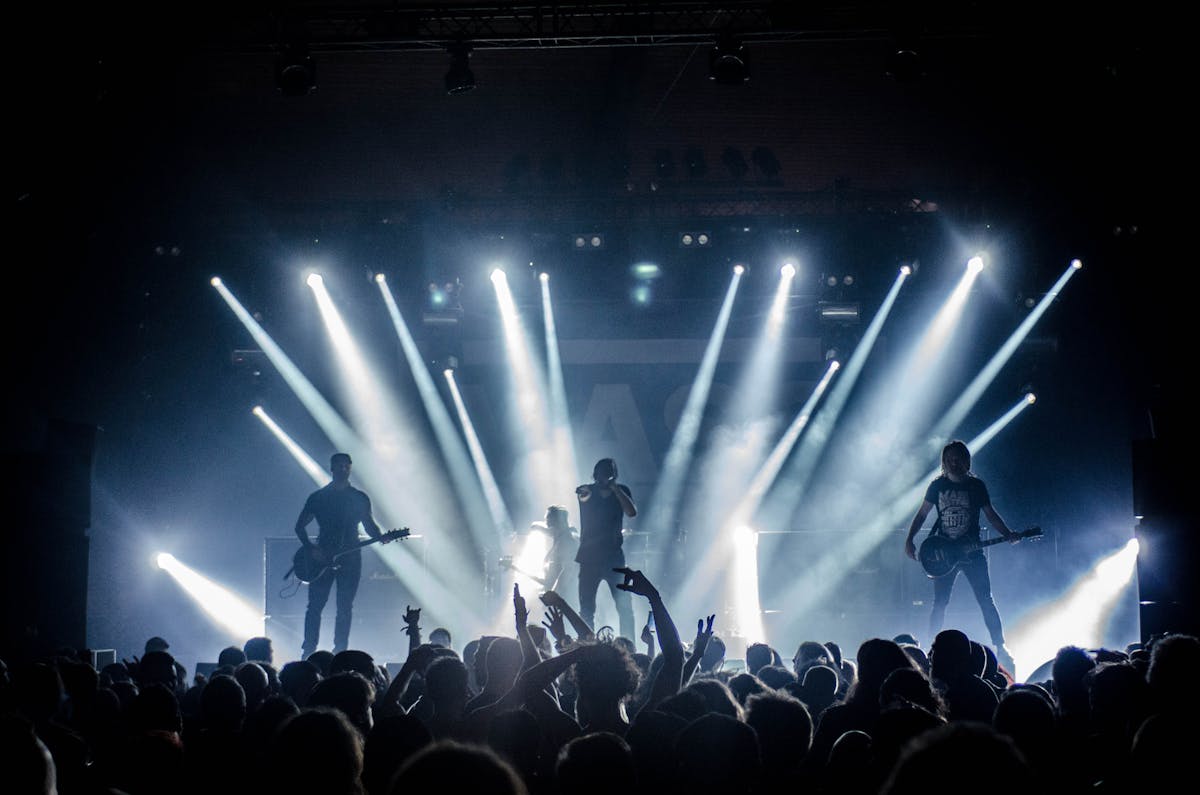
Mardi Gras in New Orleans is engineered chaos: parades, packed bars, street music, and a city that temporarily relaxes its rules. It’s a ritual of letting go, which is precisely what makes it both beloved and volatile. Add a celebrity with a documented history of public volatility, and the odds of something going sideways spike.
The entertainment industry has long been fascinated by the “troubled male artist” archetype — part Marlon Brando, part early-2000s tabloid culture. LaBeouf, willingly or not, has become one of this era’s defining versions of that figure. A messy night in the Marigny becomes instant content: TikTok fodder, Twitter discourse, and late-night monologue material.
How Hollywood and Social Media Are Reacting
Early reactions have followed a familiar pattern. Industry watchers dissect the incident in the context of LaBeouf’s career prospects, while social media cycles rapidly between mockery, concern, and armchair diagnosis. In the streaming era, reputational risk is a business issue as much as a tabloid one: studios and platforms weigh public sentiment alongside box office potential.
In recent years, other high-profile figures have seen careers paused or reshaped after public incidents and legal troubles. With LaBeouf, the calculus is even more tangled, given previous controversies and legal allegations that already had some filmmakers and studios reassessing their willingness to collaborate.
“The industry is running out of patience for repeat crises, even when the talent is undeniable.”
— Anonymous studio executive, quoted in recent trade coverage about volatile stars

A Pattern of Behavior or Just a Bad Night Out?
It’s tempting to treat each new incident as standalone spectacle — a “Mardi Gras meltdown” headline and nothing more. But LaBeouf’s history of public outbursts, rehab stints, and very public attempts at reckoning with his past suggests a deeper, ongoing struggle.
- Substance use and self-destruction: Past arrests have often involved alcohol, adding weight to concerns about relapse and recovery.
- Art and autobiography: Projects like Honey Boy blurred the line between confession and performance, raising questions about how much has truly changed behind the scenes.
- Industry consequences: With each new headline, the line between “mercurial artist” and “too risky to insure and employ” gets thinner.
At the same time, it’s important not to romanticize or excuse harmful behavior as part of the “tortured artist” narrative. A bar fight isn’t edgy; it’s dangerous — for LaBeouf and for the people around him.
Released From Jail: What We Know About the Legal Fallout
As of his release from custody, the key questions are straightforward but significant: What charges will ultimately stick? Will there be a plea deal? Will any potential victim pursue civil action? New Orleans, accustomed to policing Mardi Gras excess, has a long history of balancing public order with pragmatism.
For LaBeouf, even relatively minor charges can have major career reverberations. Insurance costs, contractual morality clauses, and audience perception all factor into whether he’s seen as a bankable collaborator or a liability. Public statements — from LaBeouf, his representatives, and local authorities — will shape that narrative in the days ahead.

What This Says About Fame, Forgiveness, and the Next Act
LaBeouf’s New Orleans arrest lands at a moment when Hollywood is recalibrating its tolerance for off-screen chaos. Audiences are more vocal, studios more risk-averse, and the tabloid cycle has merged with the streaming economy. A single night out can ripple across release schedules, marketing plans, and long-term career arcs.
The central tension around LaBeouf hasn’t changed: can an artist whose work often grapples with pain and self-sabotage truly step beyond those patterns in real life, or are we watching the same story on a loop? New Orleans, a city built on reinvention after disaster, is an almost too-perfect backdrop for that question.
For now, all we know is this: Shia LaBeouf is out of jail, Mardi Gras has moved on, and Hollywood is once again left to decide whether this is a turning point, a warning sign, or simply the latest flare-up in a saga that still hasn’t found its ending.
