
Scientists Finally Solve the Mystery Behind Rare COVID Vaccine Blood Clots
The Long-Awaited Answer To A COVID Vaccine Mystery
When reports of very rare but serious blood clots appeared after some COVID-19 vaccines during the pandemic, many people were understandably worried. For years, scientists around the world have been working to understand exactly what went wrong in this tiny fraction of cases. As of February 2026, that mystery has finally been solved: researchers have uncovered the biological chain of events that led to these rare clots after the Oxford/AstraZeneca and Johnson & Johnson vaccines, and their findings are already guiding safer vaccine designs for the future.
In this article, we’ll break down what scientists discovered, what it means for your health and vaccine safety, and how this knowledge will shape the next generation of vaccines — in clear, practical language, without the hype.
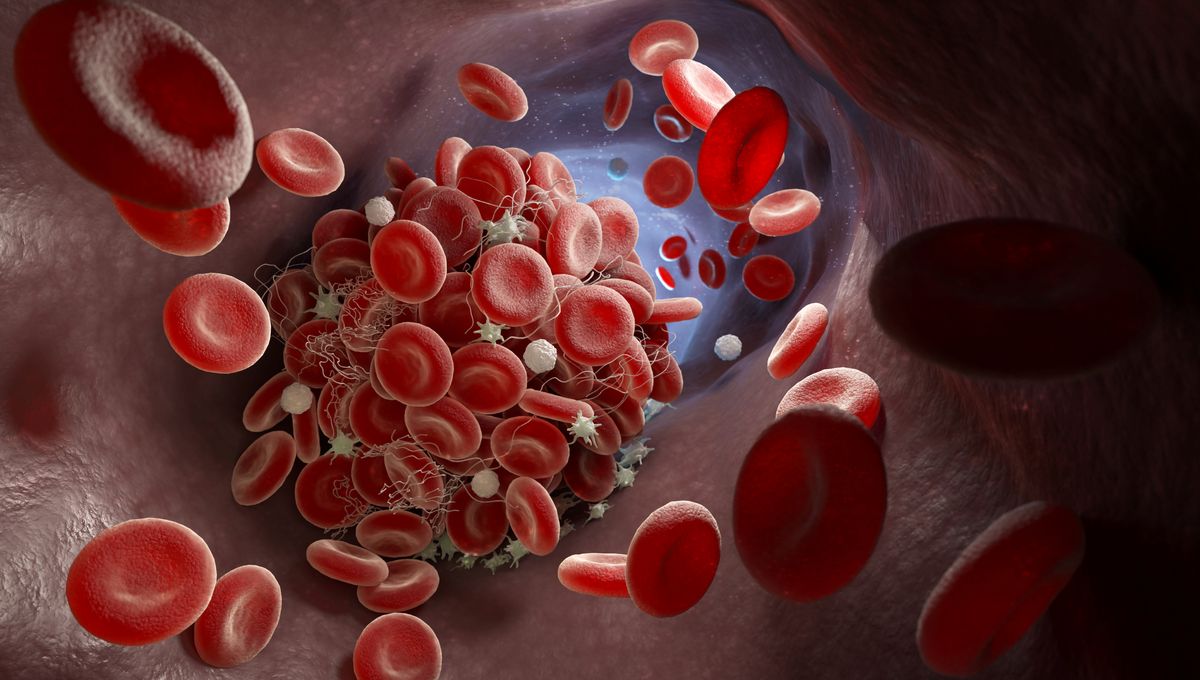
What Was Happening: Understanding The Rare Clotting Syndrome
The condition at the center of this mystery is called vaccine-induced immune thrombotic thrombocytopenia (VITT). It was primarily linked to two viral-vector COVID-19 vaccines:
- Oxford/AstraZeneca (ChAdOx1 nCoV-19)
- Johnson & Johnson / Janssen (Ad26.COV2.S)
VITT combined two seemingly opposite problems:
- Blood clots in unusual locations, such as veins in the brain or abdomen.
- Low platelet counts (thrombocytopenia), even though platelets are needed to form clots.
This paradoxical pattern looked strikingly similar to a condition called heparin-induced thrombocytopenia (HIT), where the immune system attacks a complex formed between the clotting-related protein platelet factor 4 (PF4) and the blood thinner heparin. But most VITT patients had never received heparin, making the picture confusing.
“We knew from early on that VITT behaved like an autoimmune clotting disorder, but we didn’t know what triggered it or why it was so rare. That’s what years of careful lab work and international collaboration have finally clarified.”
— Hematologist involved in VITT research
What Scientists Have Now Solved: The Step‑By‑Step Mechanism
Recent studies, published between 2023 and 2026 in leading journals, have pieced together a detailed story of how VITT develops. While different research groups contributed different parts, their findings converge on a consistent mechanism.

Here is the simplified, evidence-based sequence researchers have uncovered:
- The viral vector encounters PF4.
The AstraZeneca and J&J vaccines use harmless adenoviruses as delivery vehicles (vectors) to bring the SARS‑CoV‑2 spike protein recipe into cells. Lab work has shown that PF4, a positively charged protein released by platelets, can bind tightly to negatively charged parts of the adenoviral vector and other vaccine components. - Unusual immune complexes form.
In extremely rare circumstances, PF4 and vaccine components form large complexes that the immune system sees as foreign. Certain people’s immune systems then generate high‑affinity antibodies against PF4 itself. - PF4 antibodies activate platelets.
These anti‑PF4 antibodies latch onto PF4 on the surface of platelets and cross‑link Fc receptors, causing a wave of platelet activation. Activated platelets release more PF4, amplifying the cycle. - Clotting is triggered where it shouldn’t be.
This antibody‑platelet activation cascade sparks widespread clotting in veins, sometimes in the brain’s venous sinuses or abdominal veins. At the same time, platelets are consumed, leaving blood counts low. - Genetic and individual factors likely modulate risk.
Not everyone exposed to PF4–vaccine complexes develops VITT. Emerging research points to individual immune predispositions and possibly specific HLA (immune system) types that make some people more likely to generate anti‑PF4 antibodies, but this is still being refined.
The key advance is that scientists have now mapped both the structural interactions (how PF4 binds to parts of the adenovirus and other molecules) and the immunologic response (how specific antibodies develop and activate platelets). This has moved the conversation from “we see an association” to “we understand the mechanism.”
How Big Was The Risk Compared To COVID-19 Itself?
Any serious side effect is alarming, especially when it appears in otherwise healthy people. It’s important, though, to put VITT into context.
- VITT was very rare. National safety monitoring programs in Europe, the UK, the US, and elsewhere found VITT in a small fraction of vaccine recipients, often 1 in tens or hundreds of thousands.
- COVID-19 infection carries a much higher clot risk. Large cohort studies consistently show that people hospitalized with COVID-19 have a significantly higher risk of dangerous blood clots, strokes, and heart attacks than vaccinated individuals.
- mRNA vaccines were not linked to VITT. Vaccines such as Pfizer-BioNTech and Moderna, which use mRNA technology rather than adenoviral vectors, have not shown this particular pattern of PF4 antibody-mediated clotting.
This risk–benefit balance is why many countries continued to use viral-vector vaccines, sometimes with age-based recommendations (for example, favoring their use in older adults at higher risk from COVID-19 and lower baseline risk of VITT).
“Understanding the mechanism doesn’t change the overall math: vaccines saved millions of lives. What it does change is how we design and choose vaccines in the future so that this particular risk can be driven as close to zero as possible.”
— Infectious disease specialist, academic medical center
What This Means For Future Vaccines
One of the most practical outcomes of this research is that vaccine developers now know what to avoid. By understanding where and how PF4 binds to vaccine components, scientists can redesign viral vectors and formulations to reduce or eliminate this interaction.
Research groups and manufacturers are already exploring:
- Modifying adenoviral surfaces to reduce the negative charges that attract PF4.
- Adjusting excipients and additives (the “inactive” ingredients) that may influence PF4 binding or immune complex formation.
- Screening new vaccine designs early for any tendency to form PF4 complexes or induce anti-PF4 antibodies in lab models.
- Using alternative platforms (like mRNA, protein subunit, or next-gen nanoparticle vaccines) in populations where minimizing clotting risk is especially critical.

If You’re Worried About Past Or Future Vaccinations
It’s very human to feel uneasy when you hear about serious side effects, even if they are rare. Many patients over the last few years have shared concerns like, “I had the AstraZeneca vaccine — am I still at risk?” or “Should I avoid all vaccines in the future?”
Based on current evidence and clinical experience:
- The VITT risk window was short. VITT typically developed between 4 and 30 days after vaccination. If you received a viral-vector COVID-19 vaccine long ago and remained well during that period, VITT is no longer a concern from that dose.
- Most people can still be vaccinated safely. For many individuals, especially those who previously received a viral-vector vaccine, health authorities have recommended mRNA booster doses, which are not associated with VITT.
- People with confirmed VITT need specialist guidance. If someone was diagnosed with VITT, they should be followed by a hematologist and vaccination plans should be individualized in consultation with specialists.
A hematology team I worked with described a patient in her 30s who developed VITT early in the pandemic. Because clinicians were already on high alert and treatment guidelines had been rapidly shared worldwide, she received prompt diagnosis and non-heparin blood thinners plus immune globulin. Her recovery was slow but complete. Her case is one of many that motivated scientists to keep digging until the mechanism was understood.
Rebuilding And Maintaining Trust In Vaccines
Transparency about side effects — even very rare ones — is essential for public trust. The VITT story is, in many ways, a demonstration of the safety net doing what it’s supposed to do:
- Surveillance systems in multiple countries picked up unusual clotting patterns within weeks.
- Regulators and scientists rapidly investigated, updated product information, and in some cases adjusted recommendations by age or sex.
- International collaboration allowed rare cases to be pooled and studied in enough detail to identify a mechanism.

For individuals, a practical way to think about vaccine decisions is to:
- Ask about the known common side effects and how to manage them.
- Understand the very rare but serious risks and how they are monitored.
- Compare those risks to the risks of the disease itself, especially if you have underlying conditions.
- Discuss any personal risk factors (such as a history of unusual clots or immune disorders) with your clinician.
Key Takeaways And How To Use This Information
Years after the first reports of rare blood clots, researchers have finally untangled the biology behind VITT. That achievement matters not only to scientists, but to anyone who wants to understand vaccine safety without fear or false reassurance.
- VITT was a very rare, immune-mediated clotting disorder linked primarily to certain viral-vector COVID-19 vaccines.
- Scientists have identified how PF4 binds to vaccine components, how anti-PF4 antibodies form, and how they activate platelets to cause clots and low platelet counts.
- This knowledge is guiding the design of safer next-generation vaccines that avoid the problematic interactions.
- For most people, the benefits of vaccination have far outweighed these rare risks, especially when compared with the dangers of COVID-19 itself.
If you’re planning future vaccinations or boosters, you can:
- Ask which vaccine platforms (mRNA, protein, viral-vector) are available to you.
- Discuss your medical history and any previous unusual clotting events.
- Use reliable sources and talk with a trusted health professional, not just social media.
Scientific quests like this one rarely make front-page news once the crisis has passed, but they quietly shape a safer future. The mystery of rare COVID vaccine–related blood clots may now be solved, but the lessons learned will keep improving vaccine safety for years to come.
Next step: If you have lingering questions about your own vaccination history or upcoming boosters, consider scheduling a brief conversation with your healthcare provider to review your options in light of the latest evidence.
