
Intermittent Fasting Reality Check: What New Research Really Says About Weight Loss

Intermittent fasting: powerful weight-loss tool or overhyped trend?
If you have ever skipped breakfast because “I’m doing intermittent fasting now,” you are not alone. Over the past few years, fasting windows like 16:8 and 5:2 have become household terms, promising easier weight loss and sharper focus. But a new analysis, published in the Cochrane Database of Systematic Reviews and reported by the BBC, suggests intermittent fasting may make little difference to weight loss compared with more traditional calorie-restricted diets.
That does not mean intermittent fasting is useless. The researchers also note that fasting can still support overall health by influencing how our bodies handle blood sugar, fats, and inflammatory processes. The real story is nuanced—and that is exactly what we will unpack here in a practical, down-to-earth way.
In this guide, we will translate the latest research into realistic expectations, explore who might benefit from intermittent fasting, and offer simple steps to decide whether it fits your life, not just the latest trend.
What the new Cochrane review actually found
The Cochrane review pooled high-quality clinical trials comparing various forms of intermittent fasting to conventional calorie-restricted diets. The key takeaway: on average, people lost a similar amount of weight, whether they used intermittent fasting or simply reduced daily calories in a more traditional way.
- Intermittent fasting was not dramatically better for weight loss than standard dieting.
- Many participants in both groups lost a modest amount of weight, especially when support and structure were provided.
- Some fasting patterns produced improvements in markers like blood sugar and cholesterol, though the evidence is still evolving.
- Researchers emphasized that we still need longer-term, higher-quality studies on health outcomes beyond weight.
“Intermittent fasting appears to be about as effective as conventional calorie restriction for weight loss in the short to medium term, but it is not a magic bullet. Longer-term health effects remain uncertain and need further study.”
– Summary of findings reported in the Cochrane Database of Systematic Reviews
In other words, intermittent fasting is a tool, not a miracle. It can work—but so can other, simpler approaches if they suit your preferences and lifestyle.
Beyond the scales: potential health benefits of intermittent fasting
While weight loss often gets top billing, the review and related research highlight that fasting may influence deeper aspects of health. Early evidence from human and animal studies suggests intermittent fasting can affect:
- Insulin sensitivity and blood sugar control
Time-restricted eating and alternate-day fasting have been linked with modest improvements in fasting glucose and insulin sensitivity, which may help reduce type 2 diabetes risk in some people.
- Blood lipids and heart health
Some trials show small reductions in LDL (“bad”) cholesterol, triglycerides, and blood pressure—changes that, over time, may support cardiovascular health when combined with other healthy behaviors.
- Inflammation and cellular repair
Fasting periods may trigger cellular housekeeping processes (such as autophagy) and lower certain inflammatory markers, though much of this evidence is from animal models or short-term human studies.
If intermittent fasting helps you eat more mindfully, reduce late-night snacking, or stabilize your energy, those indirect effects may matter just as much as what the scale says.
Intermittent fasting vs. traditional dieting: what is the real difference?
When researchers compare fasting with traditional calorie restriction, one theme keeps appearing: adherence. The best approach is usually the one you can stick with consistently and comfortably.

- Traditional dieting focuses on how much you eat (total calories), spread across the day.
- Intermittent fasting focuses on when you eat (time windows), often without strict calorie counting—though total intake still matters.
For many people, fasting works simply because shorter eating windows can make it easier to eat less overall. But if you respond by overeating during your eating window or choosing highly processed foods, the calorie deficit may disappear, and weight loss stalls.
“From a weight perspective, intermittent fasting is just another way to organize a calorie deficit. If it fits your lifestyle, great. If it makes you miserable or food-obsessed, it is not inherently superior.”
– Registered Dietitian (composite clinical perspective)
A real-world example: when intermittent fasting helped—and when it did not
In a nutrition clinic I once consulted for, two clients started intermittent fasting at roughly the same time. Their experiences could not have been more different.
Client A, in her early 40s, adopted a 16:8 schedule (eating from 11am to 7pm). She found:
- Skipping breakfast felt natural—she had never been hungry first thing anyway.
- Her late-night snacking almost disappeared because her eating “cut-off” gave her a clear boundary.
- Over six months, she lost a modest but meaningful amount of weight and reported steadier energy at work.
Client B, a 35-year-old shift worker, tried the same plan:
- He woke up ravenous, often counting the minutes until his first allowed meal.
- By his eating window, he overcompensated with fast food and sugary snacks.
- After eight weeks, his weight had barely changed, and he felt more stressed around food.
Both were “doing intermittent fasting,” but only one found that it meshed with their biology and schedule. The key difference was not willpower—it was fit. That is why the Cochrane review’s conclusion matters: intermittent fasting is not universally better; it is simply another option.
Common types of intermittent fasting explained
If you are curious about intermittent fasting after hearing about the latest evidence, it helps to know the main styles and how demanding they are.
- Time-restricted eating (TRE)
You eat within a daily window (for example, 8–10 hours) and fast for the remaining hours. A common pattern is 16:8 (16 hours fasting, 8 hours eating).
- 5:2 fasting
On two non-consecutive days each week, you eat a very low-calorie diet (often around 500–600 kcal). On the other five days, you eat normally but not excessively.
- Alternate-day fasting (ADF)
You alternate between “fast days” (with no or very few calories) and “feast days” with regular intake. This approach can be more challenging and may not suit many lifestyles.
How to try intermittent fasting safely and realistically
If the new research has not put you off, but instead nudged you toward a more realistic mindset, here is how to approach intermittent fasting in a grounded, health-first way.
1. Start with your “why”
Intermittent fasting is more likely to help if you are clear about what you want from it:
- Weight loss? Remember: fasting is not superior to any moderate, sustainable calorie deficit.
- Better energy or digestion? A regular eating window may help, but quality of food still matters greatly.
- Metabolic health? Work with your clinician to track changes in blood sugars, lipids, and blood pressure over time.
2. Choose the gentlest version that fits your life
For most people, a simple 12:12 or 14:10 schedule (fasting 12–14 hours overnight) is an easier starting point than jumping straight into 16:8 or alternate-day fasting.
- Begin by stopping eating 2–3 hours before bed.
- Delay breakfast by 30–60 minutes if that feels comfortable.
- Gradually increase your fasting window if your energy and mood remain stable.
3. Focus on food quality, not just timing
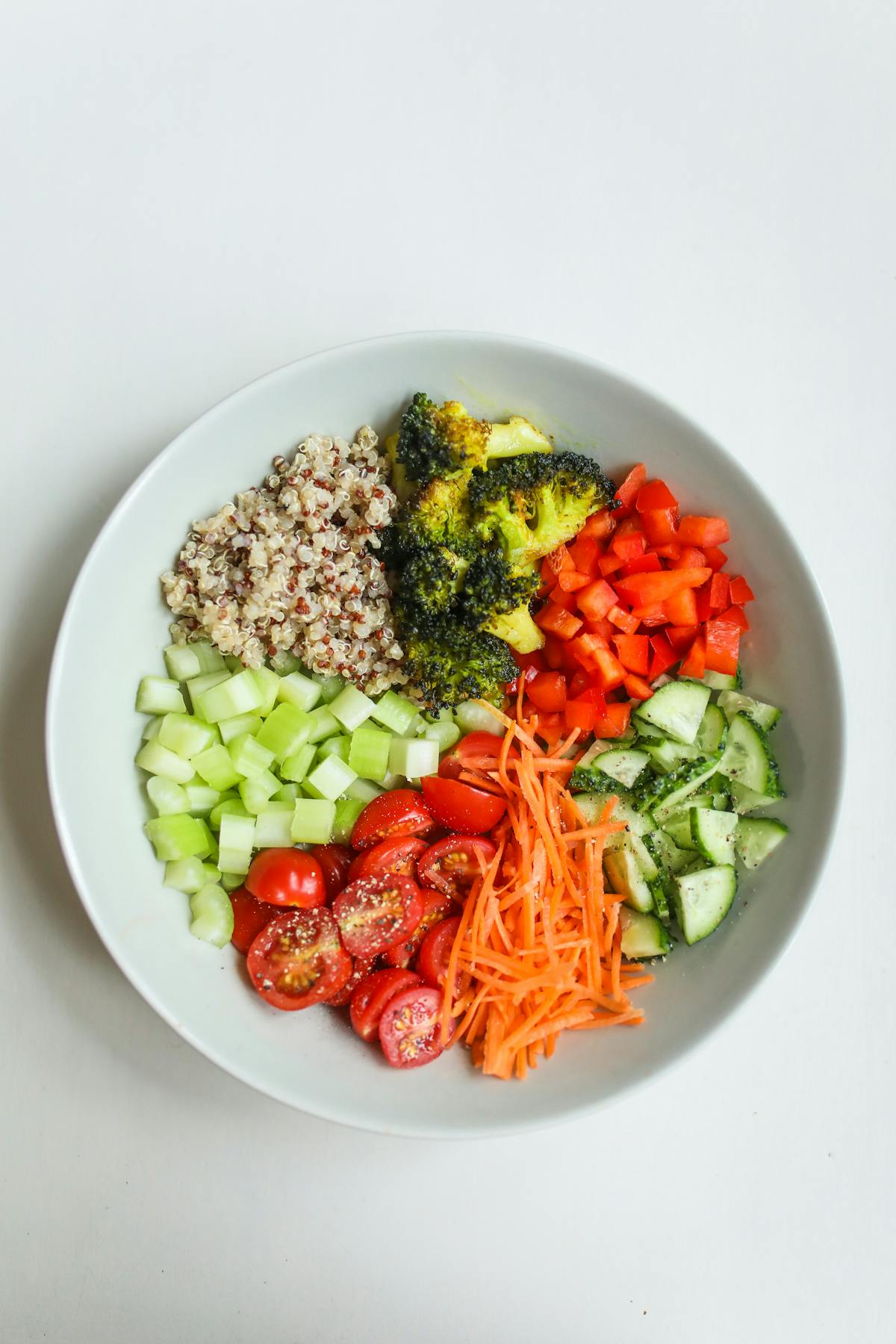
Eating ultra-processed foods in a tight window will not provide the same health benefits as a balanced, minimally processed diet, regardless of fasting schedule. Aim to include:
- Plenty of vegetables and some fruit
- Lean proteins (fish, poultry, legumes, tofu, eggs)
- Whole grains (oats, quinoa, brown rice, wholegrain bread)
- Healthy fats (olive oil, nuts, seeds, avocado)
4. Monitor how you feel, not just what you weigh
Keep a simple log for the first 4–6 weeks, noting:
- Hunger levels throughout the day
- Energy, focus, and mood
- Sleep quality and timing
- Any dizziness, headaches, or irritability
If you consistently feel unwell or preoccupied with food, this may not be the right tool for you—and that is okay.
Common obstacles—and how to navigate them
Even when the science looks promising, real life can be messy. Here are some frequent challenges people face with intermittent fasting and practical ways to respond.
Social meals and family life
Strict fasting windows can clash with shared dinners, celebrations, or cultural eating patterns.
- Use a flexible window that can shift earlier or later on different days.
- Prioritize connection over perfection; one late meal will not undo your progress.
Overeating during the eating window
Feeling overly deprived can drive rebound overeating.
- Break your fast with a balanced meal (protein, fiber, and healthy fat) to stabilize appetite.
- Slow down your eating and use mindful eating strategies—put cutlery down between bites, check in with hunger midway.
Fatigue and brain fog
Some people feel sluggish or foggy when extending fasts, particularly in the early weeks.
- Shorten your fasting window temporarily and rebuild gradually.
- Check your hydration and salt intake; mild dehydration can worsen fatigue.
- If symptoms persist, consider that intermittent fasting may not align with your physiology or workload.
Who should be cautious or avoid intermittent fasting?
Intermittent fasting is not appropriate for everyone, and the Cochrane review highlights the need for more diverse, long-term studies. Extra caution is essential if you:
- Have a history of eating disorders (anorexia, bulimia, binge-eating disorder).
- Are pregnant, trying to conceive, or breastfeeding.
- Have type 1 diabetes or take medications that significantly affect blood sugar.
- Have experienced recurrent low blood pressure, fainting, or dizziness.
- Are underweight or recovering from serious illness or surgery.
In these cases, discuss any eating pattern changes with your doctor, dietitian, or specialist team before experimenting.
At-a-glance: intermittent fasting vs. traditional calorie restriction
Here is a simple visual-style breakdown you can scan or screenshot when weighing your options.

- Weight loss: Similar average results over the short to medium term, according to the Cochrane review.
- Structure: Fasting focuses on timing; traditional diets focus on calorie targets or portions.
- Flexibility: Traditional dieting may fit better with irregular schedules; fasting can simplify routine days.
- Best suited to: People who prefer clear eating windows vs. those who prefer small adjustments across the day.
Before and after: what realistic change might look like
Instead of dramatic “before and after” photos, it can be more useful—and kinder—to focus on behavioral and health shifts over months, not weeks.

Three months before: Irregular meal times, frequent evening snacking, low fiber intake, energy crashes mid-afternoon, rising waist circumference and borderline blood pressure.
Three months after starting a gentle 14:10 fast with a balanced diet:
- More consistent mealtimes and reduced late-night snacking.
- Slight but steady weight reduction or stabilization.
- Improved energy patterns and fewer afternoon slumps.
- Early improvements in metabolic markers (for example, marginally better blood pressure or cholesterol), as confirmed by a clinician.
These kinds of subtle, sustainable shifts are much more typical—and more protective for long-term health—than rapid, extreme changes.
Where to read more about the science
If you want to dive deeper into the evidence beyond headlines, these reputable sources regularly review intermittent fasting research:
- Cochrane Library – Independent, high-quality systematic reviews on health interventions.
- NHS Live Well (UK) – Practical, evidence-based advice on healthy eating patterns.
- Harvard T.H. Chan School of Public Health – The Nutrition Source – In-depth articles on diet patterns, including intermittent fasting.
- U.S. CDC – Healthy Weight – Guidance on sustainable approaches to weight and health.
As new trials are published, these organizations regularly update their guidance, so checking back periodically is worthwhile.
Bringing it all together: is intermittent fasting worth trying?
The latest Cochrane review and BBC coverage offer a valuable reality check: intermittent fasting is not a guaranteed shortcut to major weight loss. It seems to work roughly as well as other calorie-reducing strategies, and its deeper health effects—on blood sugar, heart health, and inflammation—are promising but still under active study.
If fasting fits your personality, schedule, and culture, it can be a legitimate, evidence-informed tool—especially when paired with a nutrient-dense diet, regular movement, good sleep, and support from trusted professionals. If it does not suit you, you are not missing out on a miracle cure; plenty of other paths can lead to better health.
You do not need to chase the perfect plan. Instead, ask: What is one small, sustainable change I can make this month that moves me toward better health? Whether that is a more regular overnight fast, an extra portion of vegetables, or a daily 15-minute walk, consistency will always matter more than any single strategy.
If you are considering intermittent fasting—especially if you have health conditions—use this article as a starting point, then speak with your doctor or a registered dietitian. With realistic expectations and proper guidance, you can choose an approach that supports not only your weight, but your long-term wellbeing.
