
Roger Goodell’s Polarizing NFL Spectacle: Why Modern Football Feels So Cynically Engineered
Roger Goodell’s NFL: When Football Starts to Feel Like a Sideshow
Roger Goodell’s modern NFL is a slick, wildly profitable entertainment machine that increasingly feels engineered to provoke outrage as much as enjoyment, leaving many fans wondering whether the league still cares about the game or just the spectacle. The New York Post’s latest broadside, titled “Everything in Roger Goodell’s NFL is designed to make you feel sick,” taps into a growing fatigue with what some see as the league’s calculated pandering, endless branding exercises, and made-for-viral halftime theatrics.

Under Goodell, the league has leaned into the idea that the NFL is not just sports, but total lifestyle content: halftime extravaganzas, celebrity-packed suites, omnipresent betting integrations, and broadcast packages that treat every Sunday like the Super Bowl. For many fans, it’s thrilling. For others, it’s exhausting—and that tension is exactly what the Post is skewering.
Why This New York Post Piece Hits a Nerve Right Now
The timing of the New York Post’s criticism is not random. The column riffs on the anticipation of another “pandering Roger Goodell halftime extravaganza,” implying that the commissioner has turned every major NFL event into a carefully scripted morality play and marketing opportunity rather than an organic celebration of the sport.
This critique lands in a broader media climate where the NFL is everywhere: prime-time games stretched across the week, streaming-only matchups, international series, and wall-to-wall studio coverage powered by betting odds and fantasy projections. The league has become the centerpiece of American sports culture—but its omnipresence can feel suffocating, especially when layered with heavy-handed messaging and corporate gloss.
“Exciting night. Can’t wait for pandering Roger Goodell’s latest halftime extravaganza in tribute to the continued degradation of American society and common decency…”
The Post leans into its trademark hyperbole, but underneath the rhetoric is a real question: at what point does the NFL’s hunger for spectacle and cultural relevance start to erode the simple pleasure of watching football?
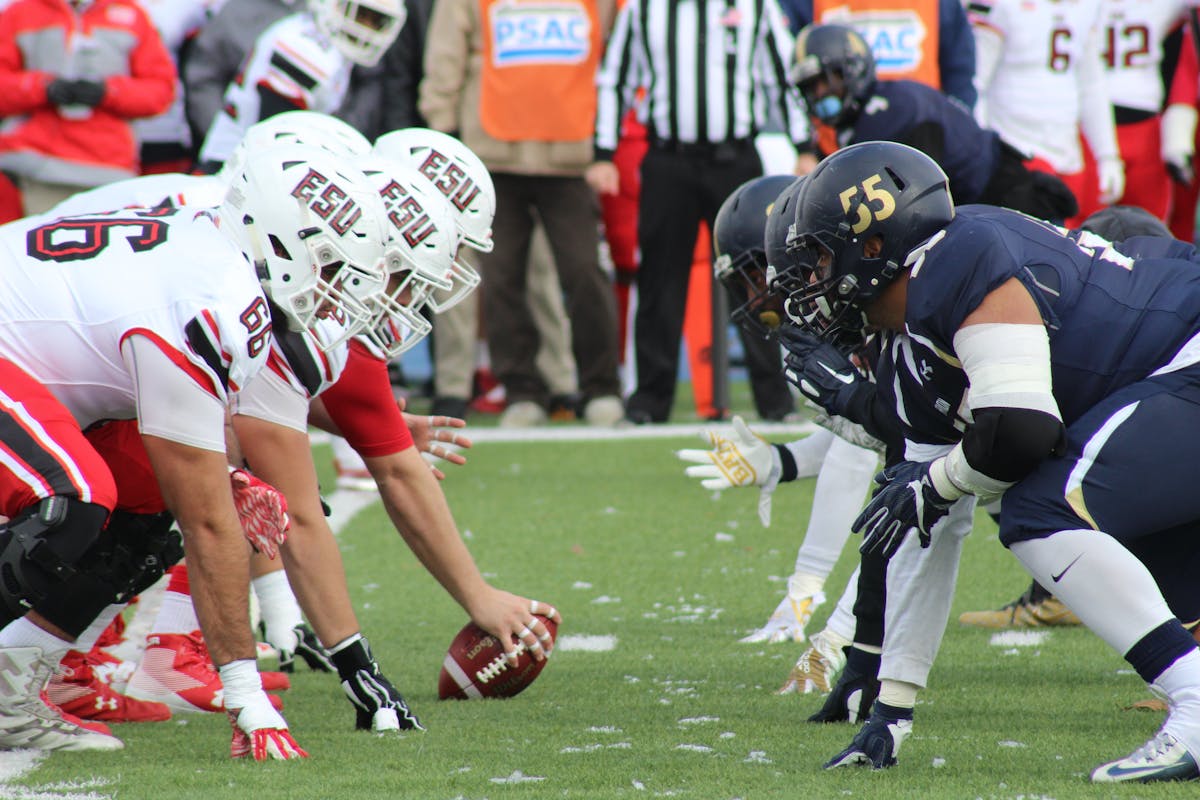
From Football Game to Cultural Spectacle
Under Goodell, the NFL has aggressively rebranded itself from a league that stages football games to a cultural engine that stages “events.” Halftime shows are curated like mini–Super Bowls, complete with star performers, special themes, and pointed messaging designed to trend on social media.
- Halftime as headline: The performance is now framed as nearly equal in importance to the game itself.
- Celebrity synergy: Musicians, actors, and influencers build cross-promotional loops that keep the NFL in feeds all week.
- Corporate storytelling: Brand partners use the stage to tell big, emotionally charged stories that extend beyond sports.
For some fans, this is a feature, not a bug. The league has become appointment viewing for people who care as much about pop culture as pass-rush win rates. For others—especially more traditional viewers—the shift can feel like the game is being used as a backdrop for endless cross-promotion.
The Charge of “Pandering”: Messaging, Branding, and Fan Fatigue
The New York Post piece leans heavily on the word “pandering,” accusing Goodell’s NFL of layering on so many themes, slogans, and branded campaigns that the league’s output feels less like authentic conviction and more like focus-grouped positioning.
To be clear, the NFL is hardly alone here. Modern entertainment brands—from streaming platforms to award shows—lean into overt messaging and curated causes as part of their identity. But football has a unique tension: it’s both a violent, deeply traditional sport and a key stage for American cultural expression.
When the league leans too hard into orchestrated symbolism, critics argue it risks feeling hollow or transactional, especially given past controversies around player discipline, labor disputes, and player health and safety. The Post’s disgust is really aimed at this perceived disconnect between the league’s glossy self-image and its messier realities.

“Everything in Roger Goodell’s NFL is designed to make you feel sick,” the Post argues—not because the sport itself has changed overnight, but because the surrounding theater can feel cynically engineered.
The Business Logic: Why the NFL Leans Into Overload
If you zoom out from the rhetoric, Goodell’s strategy is easy to understand: the NFL is competing not just with other sports, but with TikTok, prestige TV, video games, and every other attention-grabbing feed on your phone. The league’s solution has been maximalism—make every game feel like an event, every event feel like a cultural moment, and every moment monetizable.
- Broadcast & streaming: Massive media deals with networks and streamers demand constant hype and “storylines” that extend beyond the field.
- Globalization: International games in London, Germany, and beyond are framed as showcases for “the NFL experience,” not just the scoreboard.
- Betting & fantasy: Legalized sports betting and fantasy football create new engagement layers that blur pure fandom with constant data and odds.
This is where the Post’s disgust and the league’s priorities collide. What looks to some like “degradation” is, to the NFL, an integrated business strategy: keep fans emotionally, financially, and culturally invested 24/7. Whether that makes you feel energized or queasy probably says as much about your relationship to modern media as it does about Roger Goodell.

Between Outrage and Enjoyment: Where Fans Actually Stand
The New York Post speaks for a particular slice of the audience: fans who feel alienated by the tone and presentation of the modern NFL. But the numbers don’t lie—viewership remains enormous, social chatter is constant, and younger fans are growing up expecting this blend of football, celebrity, and social commentary.
In reality, most viewers hold two truths at once:
- They roll their eyes at some of the over-the-top theatrics and messaging.
- They still settle in on Sunday, because the on-field product—when it’s good—is as gripping as ever.
Even the Post’s rant, in its own way, is part of the ecosystem: outrage is engagement, and engagement is currency. The very act of complaining about Goodell’s halftime show helps keep the NFL culturally central.

So, Is Roger Goodell’s NFL Really “Designed to Make You Feel Sick”?
The New York Post’s critique is sharp, sometimes theatrical, and clearly playing to readers who already suspect the NFL has gone too far in chasing cultural relevance. But beneath the rhetoric is a fair anxiety: when every game is treated as a branded spectacle, where does that leave the simple joy of the sport itself?
The uncomfortable answer is that the league is designed to make you feel something—excitement, outrage, tribal pride, moral superiority, even disgust—because in the modern attention economy, any heightened emotion is preferable to indifference. If that emotional whiplash occasionally makes you queasy, it might mean the system is working exactly as intended.
For fans, the challenge going forward is selective engagement: keeping the parts of the NFL that still feel meaningful—great games, compelling players, long-running rivalries—while learning to mute the noise when it tips from spectacle into saturation. Roger Goodell’s reign won’t last forever, but the question he crystallizes will: can major sports still feel honest in an era built on constant performance?
