Backstage Brain Behind Drew McIntyre’s Savage SmackDown Mic Drop Shocks WWE Fans
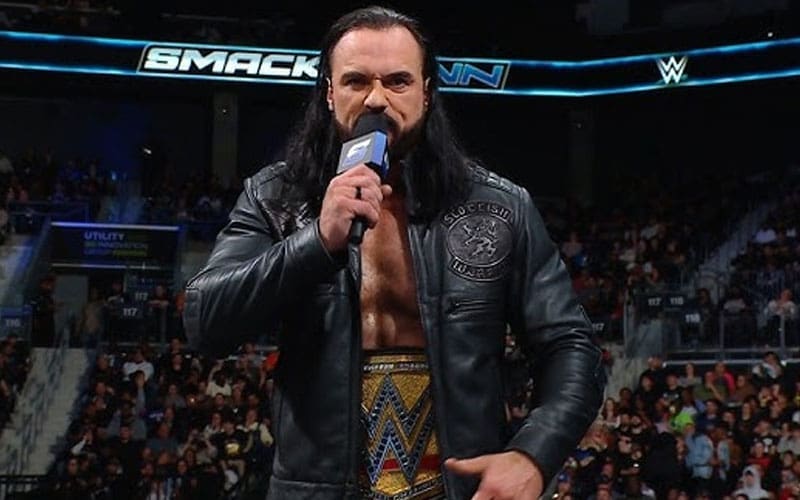
Drew McIntyre’s savage SmackDown mic drop this week felt like one of those rare live-TV moments where everything goes deliciously off the rails. But according to new backstage reports, that “unhinged” tirade was anything but improvised — it was meticulously scripted, right down to the final, icy line.
Drew McIntyre’s Brutal SmackDown Promo: Real Rage or Scripted Genius?
Reporting from Fightful Select and summarized by outlets like Ringside News indicates that McIntyre’s February 6 SmackDown promo — the one that “closed the loop” on the night’s chaos — was heavily shaped by WWE creative. That revelation raises a classic pro-wrestling question: when everything is scripted, how does something still manage to feel so real?
Why This SmackDown Promo Hit So Hard
The February 6 episode of WWE SmackDown was already chaotic before McIntyre picked up a mic. The show leaned heavily into brewing tensions and shifting alliances, and McIntyre’s promo was framed as the emotional payoff — a closing statement from a man pushed too far.
For the last few months, McIntyre has been leaning into a morally grey, almost bitter character direction. This isn’t the smiling pandemic-era babyface who carried the WWE Championship in empty arenas. This is a version of Drew who openly resents how quickly fans turned the page once crowds came back.
“Wrestlers are at their best when the character is just them, with the volume turned all the way up.” — Common mantra in wrestling, echoed by producers across WWE and AEW
This latest promo fit that mold perfectly: a cynical McIntyre calling out opponents, management, and indirectly, the WWE Universe itself — with language sharp enough to trend on wrestling Twitter within minutes.
The Mind Behind the Mic: Who Scripted Drew McIntyre’s Promo?
While the full Fightful Select report sits behind a paywall, the core detail making the rounds is clear: a specific member of WWE’s creative/production team was responsible for shaping the bulk of McIntyre’s talking points, giving the promo its brutal, almost surgical edge.
WWE under Triple H has leaned more on a smaller, focused group of writers and producers who understand each performer’s natural voice. So when you hear Drew dropping lines that feel like they’ve been marinating in his head for months, it’s usually the result of:
- Back-and-forth collaboration between Drew and a lead writer
- Input from the segment’s assigned producer (often a veteran ex-wrestler)
- Final approval from higher-ups, especially if the closing angle impacts a major storyline
This is where the “person behind the mic drop” description matters: the individual in question reportedly helped McIntyre sharpen the promo from generic rage into character-defining venom — the kind that sticks in highlight reels.

Scripted Rage vs. Authentic Emotion in Modern WWE Promos
Wrestling fans have a long-running love–hate relationship with scripted promos. The best ones — like CM Punk’s “pipe bomb” or Roman Reigns’ recent Tribal Chief monologues — blur the line between corporate planning and raw feeling. McIntyre’s SmackDown moment lands in that same space.
Even with a script, delivery is everything. You can hand the same lines to ten people and only one will make them sound like a confession instead of a cue card. Drew’s strength has always been that he looks legitimately annoyed with the world, even when you know he’s hitting bullet points.
“We have a structure, but the best guys know how to live inside that structure and make it feel real.” — A WWE producer, speaking anonymously in past interviews about promo scripting
In that sense, the revelation that McIntyre’s promo was carefully written doesn’t undercut its impact — it actually reinforces how tightly WWE is steering his current persona as a bitter, wounded top guy who thinks everyone owes him more than he’s gotten.

How This Promo Fits Drew McIntyre’s Current WWE Storyline
McIntyre’s recent character work has been built on a simple idea: he did everything “right” when WWE needed him most, but once the world reopened, he found himself pushed down the card while newer or returning stars got the spotlight. That resentment is now the engine of his on-screen personality.
- Motivation: A belief that he’s been disrespected by management and fans alike.
- Conflict: Targeting top names and fan favorites to force the spotlight back onto himself.
- Tone: Sarcastic, bitter, and unafraid to call out hypocrisy — real or imagined.
The SmackDown mic drop worked as a narrative anchor: it didn’t just escalate beefs, it clarified Drew’s worldview. That’s where good scripting quietly does its job — by turning a cool sound bite into a long-term character roadmap.
Watch the Segment: Drew McIntyre’s SmackDown Mic Drop
WWE typically uploads key SmackDown segments — especially closing promos — to its official channels within hours of broadcast. To see the full context of McIntyre’s promo, including the crowd reactions and pacing that text can’t fully capture, check:
- The official episode highlights on WWE’s YouTube
- The segment listing on WWE SmackDown (IMDb)
Strengths, Weaknesses, and What This Means for WWE Storytelling
From a storytelling standpoint, Drew McIntyre’s meticulously scripted SmackDown promo checks most of the right boxes.
What Worked
- Clear character voice: The promo felt distinctly “Drew,” not like a generic WWE monologue.
- Emotional throughline: It advanced the idea that he’s bitter but not entirely wrong — a classic modern heel dynamic.
- Memorable closing line: The mic drop ending gave the show a definitive, gif-ready exclamation point.
Where It Risks Overplaying Its Hand
- Over-scripting: If every “unhinged” promo is revealed to be surgically written, fans may start to feel the strings being pulled.
- Repetition: There’s a thin line between consistent character work and hitting the same “you all forgot about me” beat too often.
The Bigger Picture: WWE’s “Planned Chaos” Era
The reveal that Drew McIntyre’s brutal SmackDown mic drop was painstakingly crafted behind the scenes doesn’t diminish it — it underlines where WWE is in 2026: an era of planned chaos, where the company wants everything to feel combustible while still being safe, timed, and sponsor-friendly.
If WWE continues to give performers like McIntyre scripts that sound like extensions of their real frustrations, fans will keep buying in — even when they know every line was approved hours in advance. The trick now will be escalation: where does Drew go after a promo this sharp, and how long can he walk the line between justified anger and full-on villainy without losing the crowd?
However it plays out, one thing is clear: the next time Drew grabs a mic on SmackDown, people will be listening for more than just a sound bite — they’ll be listening for the quiet voice of creative, pulling the strings behind his fury.