Quieting Food Noise: Simple Whole-Food Swaps to Cut Ultra‑Processed Eating
Ultra‑Processed Foods, “Food Noise,” and a Comforting Whole‑Food Sheet‑Pan Dinner
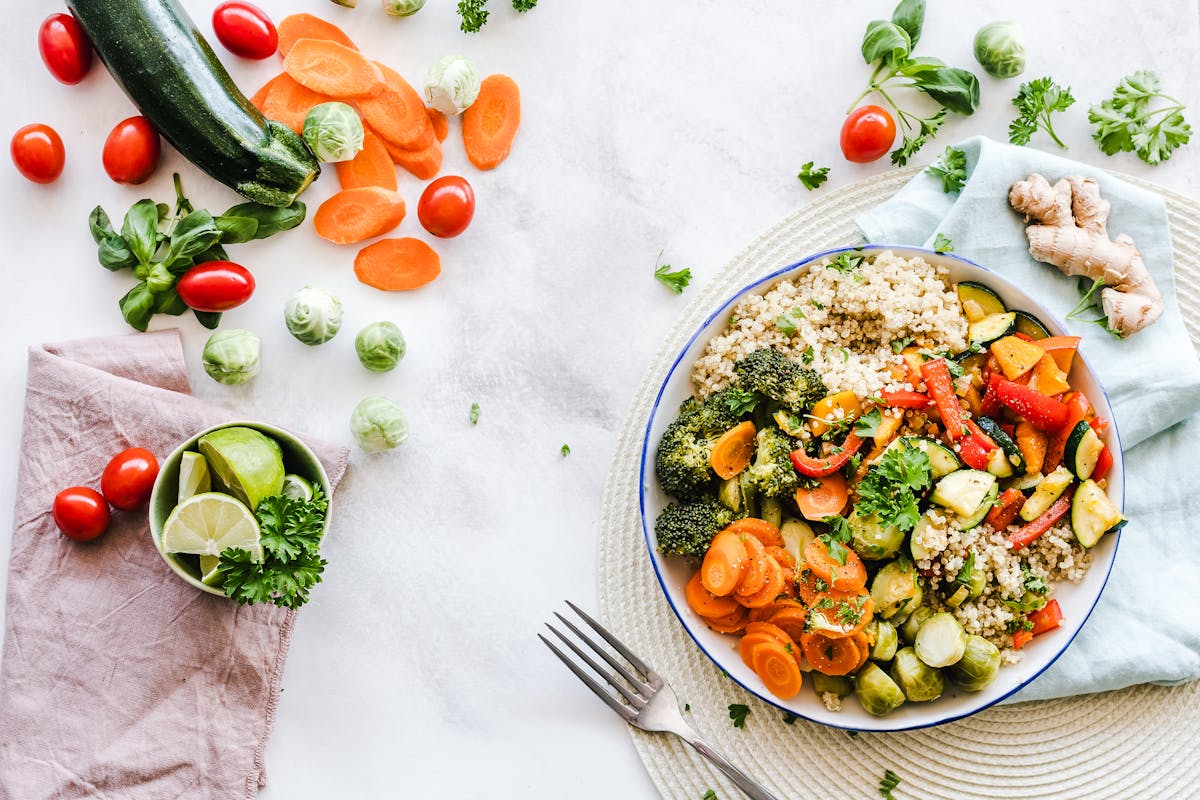
There’s a growing wave of curiosity—and concern—around ultra‑processed foods, “food noise,” and what it really means to eat in a way that feels calm, satisfying, and nourishing. Many people are noticing that when they lean more on simple, home‑cooked meals and fewer ultra‑processed snacks or ready‑meals, their cravings soften and their minds feel a little quieter around food. Instead of obsessing over every ingredient, it can help to focus on a gentle shift toward minimally processed, nutrient‑dense dishes you truly enjoy.
To bring this idea to life, we’ll start with a cozy, vegetable‑packed sheet‑pan chicken dinner built from whole foods—think caramelized veggies, juicy chicken, and a lemon‑garlic aroma that fills your kitchen. Alongside the recipe, you’ll find practical tips for easing away from ultra‑processed foods without guilt, perfectionism, or complicated rules.
What Are Ultra‑Processed Foods—and Why Are We Talking About Them?
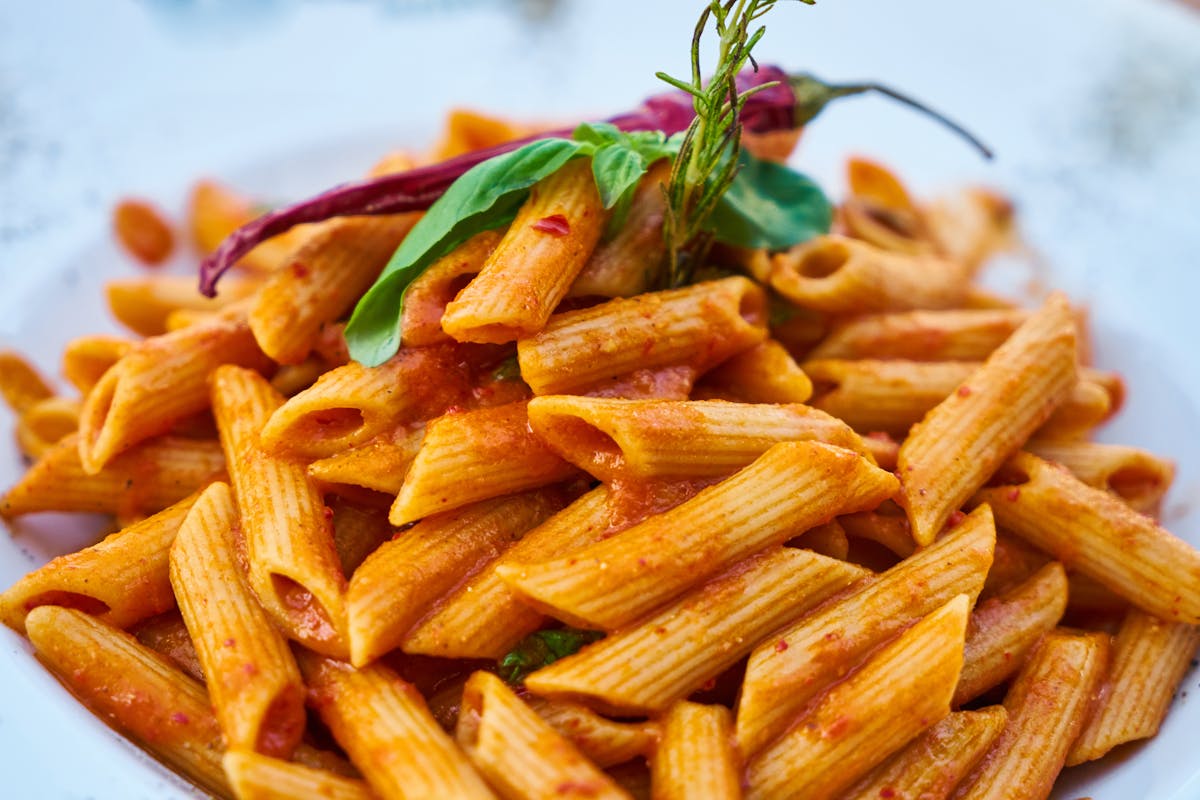
Ultra‑processed foods (often shortened to UPFs) are industrially formulated products made mostly from refined starches, added sugars, seed oils, flavor enhancers, and other additives. Classic examples include sugary breakfast cereals, chips, packaged pastries, many frozen entrées, and some fast‑food items. They tend to be:
- Very energy‑dense but low in fiber and protein
- Engineered to be “hyper‑palatable” (hard to stop eating)
- Long‑lasting on the shelf, thanks to preservatives and processing
Nutrition research over the past few years has linked high intake of ultra‑processed foods with weight gain, higher risk of cardiometabolic disease, and increased overall mortality risk. Much of the online conversation refers to the NOVA classification, which sorts foods by how processed they are. NOVA isn’t perfect and experts debate its nuances, but it has helped spark a broader question: not just how much we eat, but how our food is made.
Importantly, not all processing is bad—frozen vegetables, canned beans, and some fortified foods can absolutely support a healthy pattern. The real concern is diets centered around products that are more laboratory than kitchen, crowding out whole, minimally processed ingredients.
“Food Noise”: When Your Thoughts Won’t Stop Snacking
“Food noise” is a phrase people use to describe constant, intrusive thoughts about eating: planning the next snack while you’re still finishing the last one, feeling pulled toward the pantry even when you’re not truly hungry, or mentally wrestling with cravings all day long.
Many people—including those using GLP‑1 medications—report that dialing back on ultra‑processed snacks and ready‑to‑eat meals can noticeably quiet this mental chatter. Side‑by‑side comparisons on social media often show:
- Ultra‑processed meals with refined starches and added sugars that leave you hungry again quickly
- Whole‑food meals with fiber, protein, and healthy fats that keep you satisfied for hours
While the science is still evolving, several mechanisms may be involved—ranging from how quickly foods digest, to their impact on blood sugar, to reward pathways in the brain. In practice, many people experience less “food noise” when their plates lean heavily on vegetables, whole grains, beans, nuts, seeds, eggs, fish, and unprocessed meats.

The Shift Toward Whole‑Food Cooking
In response to UPF concerns, there’s a vibrant movement back toward straightforward, home‑cooked food. On TikTok, YouTube, and cooking blogs, creators share:
- Unprocessed swaps like nuts and fruit instead of sugary granola bars
- Whole‑grain upgrades such as quick‑cooking farro or quinoa in place of instant noodles
- Batch‑cooking routines with roasted vegetables, cooked beans, and simple marinades
This trend also intersects with climate and ethics. Whole‑food advocates often emphasize seasonal produce, legumes, and minimally packaged staples, which can be gentler on the planet than heavily packaged, shelf‑stable products tied to intensive monoculture crops.
At the same time, it’s important not to romanticize scratch cooking in a way that shames people. Not everyone has the time, money, or kitchen access to make everything from scratch—and some processed foods (like fortified cereals or canned fish) genuinely help close nutrient gaps. The goal is a flexible, compassionate approach, not an all‑or‑nothing standard.
Cozy Whole‑Food Sheet‑Pan Lemon‑Garlic Chicken with Vegetables
Prep time: 20 minutes
Cook time: 35 minutes
Total time: 55 minutes
Servings: 4 servings
Difficulty: Easy

Ingredients
For the chicken and vegetables
- 4 bone‑in, skin‑on chicken thighs (about 800 g / 1.75 lb)
- 500 g (about 1 lb) baby potatoes, halved
- 2 medium carrots, sliced into 1 cm (½‑inch) coins
- 1 red bell pepper, sliced into strips
- 1 small red onion, cut into wedges
- 150 g (about 5 oz) green beans or broccoli florets
- 3 tbsp extra‑virgin olive oil
- 1 tsp fine sea salt, plus more to taste
- ½ tsp freshly ground black pepper
- 1 tsp smoked or sweet paprika
- 1 tsp dried oregano or thyme
For the lemon‑garlic marinade
- 3 cloves garlic, finely minced
- Zest of 1 unwaxed lemon
- Juice of 1 lemon (about 3 tbsp)
- 1 tbsp extra‑virgin olive oil
- 1 tsp Dijon mustard (optional, for a gentle tang)
- 1 tsp honey or maple syrup (optional, for balance)
To finish
- Fresh parsley or dill, chopped (about 2 tbsp)
- Lemon wedges, for serving
- Flaky salt, to taste
Equipment
- Large rimmed baking sheet (sheet pan)
- Parchment paper (optional, for easier cleanup)
- Mixing bowl
- Small bowl or jar for marinade
- Sharp chef’s knife and cutting board
- Tongs or spatula
Instructions
- Preheat the oven. Heat your oven to 220°C / 425°F. Line a large rimmed baking sheet with parchment paper if you like easier cleanup.
- Mix the lemon‑garlic marinade. In a small bowl, whisk together the minced garlic, lemon zest, lemon juice, 1 tbsp olive oil, Dijon mustard, and honey or maple syrup (if using) until emulsified and aromatic.
- Season the chicken. Pat the chicken thighs dry with a paper towel for crispier skin. Place in a mixing bowl. Spoon about half of the marinade over the chicken. Add ½ tsp salt and a pinch of pepper, then toss or rub with your hands until the chicken is evenly coated. Set aside to marinate while you prep the vegetables (5–10 minutes is plenty).
- Prep and season the vegetables. Add the potatoes, carrots, bell pepper, red onion, and green beans or broccoli to the baking sheet. Drizzle with 3 tbsp olive oil, sprinkle with the remaining ½ tsp salt, pepper, paprika, and dried oregano or thyme. Toss directly on the pan until every piece is lightly glistening.
- Add the remaining marinade. Drizzle the rest of the lemon‑garlic marinade over the vegetables and toss once more. You’re looking for a glossy, lightly fragrant coating—nothing should be swimming in liquid.
- Nestle in the chicken. Arrange the marinated chicken thighs skin‑side up on top of the vegetables, spacing them evenly. This way, their juices will baste the veggies as they roast.
- Roast until golden and tender. Place the pan in the oven and roast for 30–35 minutes, or until the chicken skin is deep golden, the potatoes are tender, and the internal temperature of the thickest part of the chicken reaches 75°C / 165°F.
- Crisp and caramelize (optional). For extra‑crispy skin and more caramelized edges, switch the oven to broil/grill for the last 2–3 minutes, watching closely to avoid burning.
- Rest and finish. Remove the pan from the oven and let everything rest for 5 minutes. Sprinkle with chopped fresh herbs, a little flaky salt, and squeeze a lemon wedge over just before serving.

What You’ll Taste, See, and Smell
As the sheet pan roasts, your kitchen fills with the warm perfume of garlic and lemon mingling with chicken fat and herbs. The chicken skin crackles and browns, while the potatoes and carrots turn caramel‑sweet at the edges. When you slide the pan from the oven, you’ll see:
- Golden, crisp chicken skin over juicy, tender meat
- Vegetables in sunset colors—amber potatoes, orange carrots, ruby onion, and bright green beans
- Shiny lemon‑garlic glaze clinging to everything in a thin, flavorful sheen
Each bite is layered: tangy lemon, savory garlic, gentle sweetness from roasted vegetables, and a whisper of smoke from the paprika. It’s deeply satisfying, the kind of meal that makes you lean back, sigh happily, and realize you’re not thinking about dessert yet—your body feels cared for.
How This Recipe Helps Quiet “Food Noise”
- High in protein from chicken, helping you stay full and support muscle
- Rich in fiber from potatoes with skins, carrots, onions, and green vegetables
- Balanced fats from extra‑virgin olive oil and chicken skin, for flavor and satiety
- Lots of volume—a heaping plate of food for a relatively modest calorie load
Meals like this tend to be more satiating than ultra‑processed options with similar calories. That fuller, steadier feeling after dinner often translates into fewer late‑night raids on the snack cupboard and a quieter mind around food.
Variations, Swaps, and Dietary Adaptations
Protein swaps
- Bone‑in chicken drumsticks instead of thighs—same method, similar timing.
- Boneless, skinless chicken breasts—reduce roasting time to about 20–25 minutes and check for doneness early to avoid dryness.
- Firm tofu (vegan)—press, cube, and toss with 1 tbsp soy sauce or tamari; add to the pan and roast 25–30 minutes, flipping once.
Vegetable swaps (seasonal and budget‑friendly)
- Use sweet potatoes in place of some or all of the potatoes.
- Swap in zucchini, cauliflower, Brussels sprouts, or parsnips based on season.
- Use frozen vegetables (like broccoli florets or green beans) straight from the freezer; toss with oil and roast as written.
Dietary notes
- Gluten‑free: The recipe is naturally gluten‑free as written (just check mustard and condiments if highly sensitive).
- Dairy‑free: No dairy included.
- Lower‑carb: Reduce potatoes and increase non‑starchy vegetables like broccoli and bell peppers.
- Vegan: Use tofu or canned chickpeas (drained and rinsed) tossed in the marinade instead of chicken.
Storage and Reheating
- Fridge: Store leftovers in an airtight container for up to 3–4 days.
- Freezer: Portion into freezer‑safe containers and freeze for up to 2 months. For best texture, potatoes are better fresh, but they’re still tasty reheated.
- Reheat in oven: Spread on a baking sheet and warm at 180°C / 350°F for 10–15 minutes until heated through and edges are a little crisp.
- Reheat in microwave: Heat on medium power in 1‑minute bursts, stirring vegetables between rounds until hot.
Leftovers make a wonderful meal‑prep option—exactly the kind of ready‑to‑eat food that helps you rely less on ultra‑processed convenience items without sacrificing speed.
Serving Suggestions and Complementary Dishes
This sheet‑pan dinner is a complete meal by itself, but you can round it out with a few simple sides to keep everything in the whole‑food, minimally processed lane:
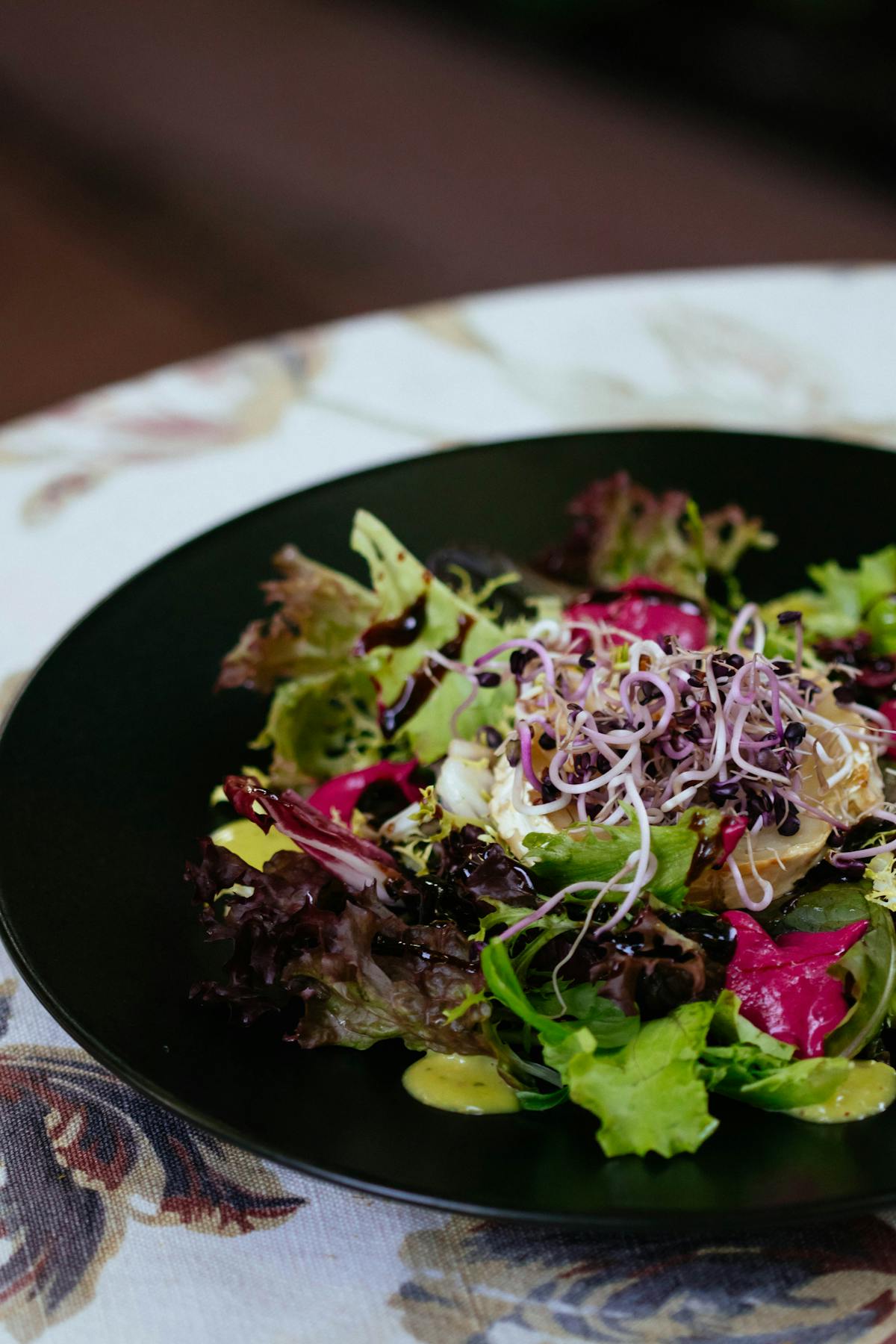
- Leafy side salad with olive oil, lemon juice, and a pinch of salt.
- Cooked whole grains like quinoa, brown rice, or farro for extra fiber and gentle carb energy.
- Plain Greek yogurt with grated cucumber and garlic as a quick, cooling sauce.
- Fresh fruit for dessert—berries, orange wedges, or apple slices with a small handful of nuts.
Making Whole‑Food Eating Practical (Not Perfect)
Moving away from ultra‑processed foods doesn’t have to mean elaborate meal plans or spending hours in the kitchen. Think of it as building a small set of reliable, comforting “anchor meals” that you can fall back on—like this sheet‑pan dinner—so you’re less tempted by whatever is fastest and most engineered.
- Batch‑prep once, benefit all week: Roast two sheet pans at once; enjoy one for dinner and portion the rest into lunch boxes.
- Keep minimally processed staples on hand: canned beans, frozen vegetables, whole grains, eggs, and olive oil can turn into a meal in minutes.
- Swap slowly: replace one ultra‑processed snack a day with fruit and nuts, yogurt, or leftovers from a whole‑food dinner.
You don’t have to be “perfect” to feel better. Every time you choose a simple, home‑cooked dish over a highly engineered option, you’re gently nudging your cravings, your energy, and your “food noise” in a calmer direction.