
30g Protein Power Bowl: Macro‑Friendly Greek Chicken & Quinoa for All‑Day Energy
High‑Protein Greek Chicken & Quinoa Power Bowl (≈30g Protein per Serving)
High‑protein, macro‑friendly meals are everywhere right now, and this vibrant Greek chicken and quinoa power bowl is a delicious example: a balanced, easy recipe designed to deliver around 30 grams of protein per serving while keeping your carbs, fats, and overall calories in check. Inspired by Mediterranean flavors, this bowl layers juicy marinated chicken, fluffy quinoa, crunchy veggies, and a luxuriously creamy Greek‑yogurt herb sauce into one satisfying, colorful dish.
Whether you’re tracking macros, following an IIFYM‑style plan, lifting in the gym, or simply want a dinner that keeps you full for hours, this recipe leans into the current nutrition trend of evenly spreading your protein across meals. Think of it as everyday meal prep that feels like a trip to your favorite Mediterranean café—bright lemon, fragrant garlic, cool cucumber, and tangy feta in every bite.
Recipe Overview & Nutrition Focus
| Prep time | 20 minutes (plus 30–60 minutes marinating) |
|---|---|
| Cook time | 20 minutes |
| Total time | 40 minutes active (plus marinating) |
| Servings | 4 bowls |
| Difficulty | Easy–Moderate |
| Per‑serving protein | ≈30–35g (depending on toppings) |
This bowl is built around current high‑protein, macro‑friendly eating trends:
- Lean protein from marinated chicken breast and Greek yogurt
- Slow‑digesting carbs from quinoa for steady energy
- Healthy fats from olive oil and optional feta
- Plenty of fiber and crunch from fresh vegetables
It’s ideal for meal prep, and you can easily scale it up or adapt it for gluten‑free or higher‑fiber needs without losing that ~30g‑protein target.
Visual Guide: From Prep to Plating
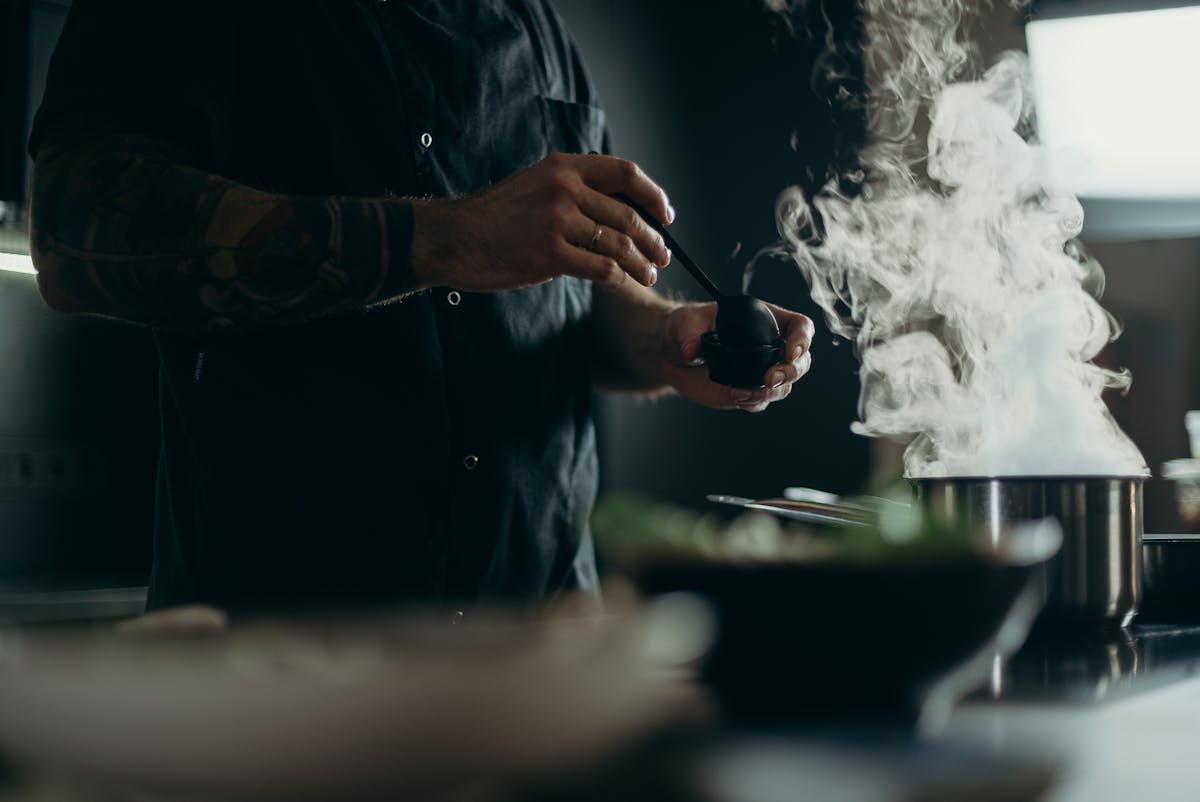
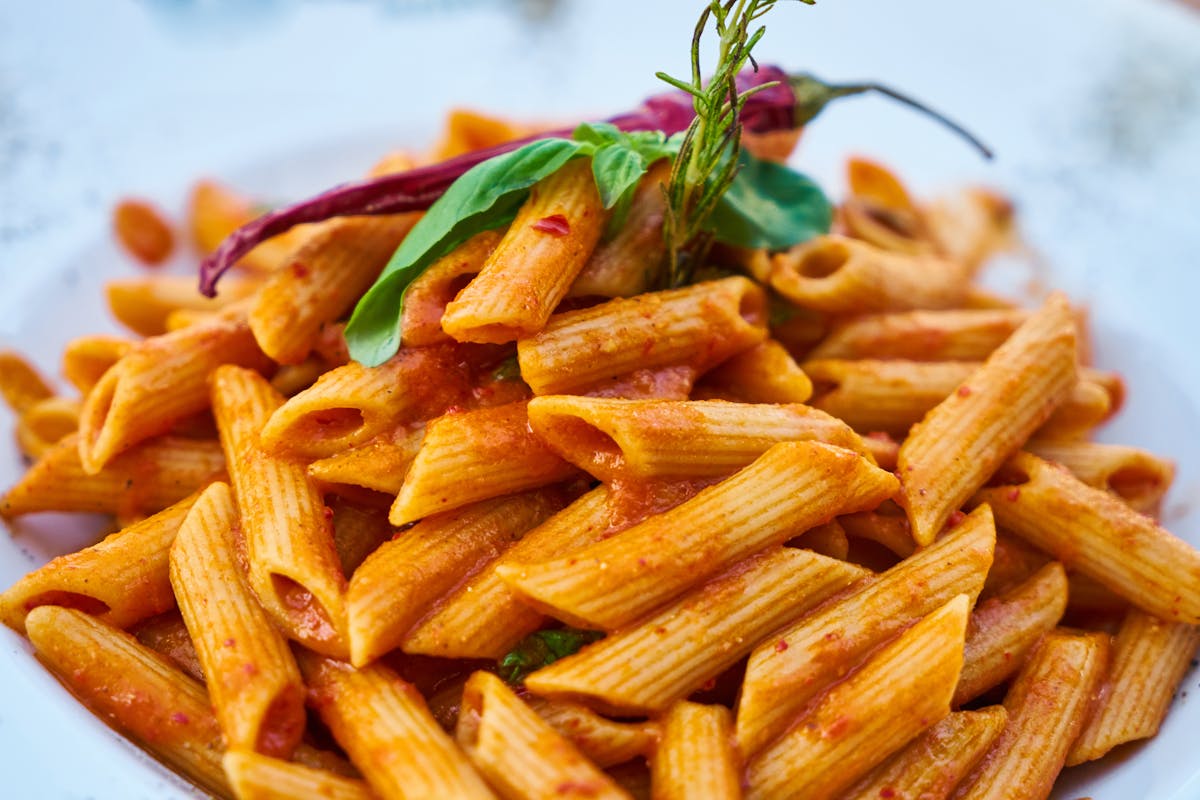
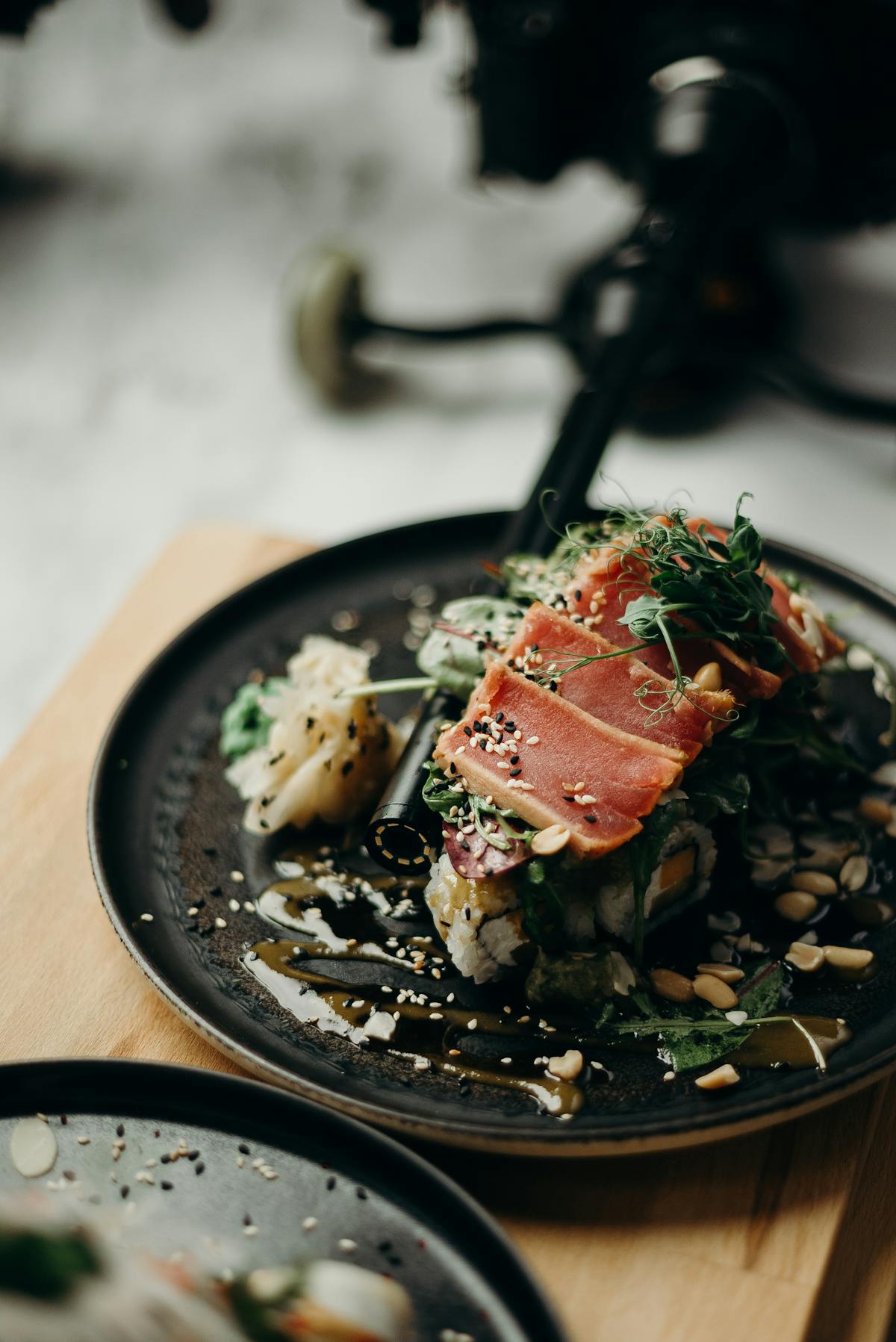
These images give you a sense of how each step should look—from marinating the chicken to assembling your macro‑friendly bowl. They’re purely illustrative, so don’t stress if your version looks a bit different.



Ingredients (4 High‑Protein Servings)
Here’s everything you’ll need for these macro‑friendly Greek chicken & quinoa bowls. Measurements are designed to land you in the ≈30g protein per bowl range, assuming you use all the yogurt sauce.
For the Lemon‑Garlic Greek Chicken
- 680 g (1.5 lb) boneless, skinless chicken breasts (about 3–4 medium breasts)
- 2 tbsp extra‑virgin olive oil
- Zest of 1 lemon
- Juice of 1 large lemon (about 3 tbsp)
- 3 cloves garlic, finely minced or grated
- 1.5 tsp dried oregano
- 1 tsp dried thyme (or Italian seasoning)
- 1 tsp fine sea salt (plus more to taste)
- 0.5 tsp freshly ground black pepper
For the Quinoa Base
- 1 cup (185 g) dry quinoa, rinsed
- 2 cups (480 ml) low‑sodium chicken or vegetable broth (or water)
- 0.5 tsp salt (omit if broth is salty)
For the Greek Yogurt Herb Sauce
- 1.5 cups (360 g) plain non‑fat or 2% Greek yogurt
- 1 tbsp extra‑virgin olive oil
- 1 tbsp lemon juice
- 1 small clove garlic, very finely minced or grated
- 2 tbsp finely chopped fresh dill (or 1 tbsp dried dill)
- 2 tbsp finely chopped fresh parsley or mint (or a mix)
- 0.5 tsp salt, plus more to taste
- Freshly ground black pepper, to taste
- 2–3 tbsp cold water (as needed to thin to drizzling consistency)
For the Veggie Toppings & Garnish
- 1 medium cucumber, diced (about 1.5 cups)
- 1 cup cherry or grape tomatoes, halved
- 0.25 small red onion, very thinly sliced
- 0.5 cup pitted Kalamata olives, halved (optional)
- 0.5 cup (about 60 g) reduced‑fat feta cheese, crumbled (optional but recommended)
- Fresh parsley, chopped, for garnish
- Lemon wedges, for serving
Equipment You’ll Need
- Sharp chef’s knife and cutting board
- Medium mixing bowl (for marinade)
- Small mixing bowl (for yogurt sauce)
- Medium saucepan with lid (for quinoa)
- Grill pan, skillet, or outdoor grill
- Meat thermometer (helpful for perfect doneness)
- Serving bowls or meal‑prep containers
If you’re new to cooking, don’t be intimidated—these are all basic tools, and the recipe walks you step by step.
Step‑by‑Step Instructions
Take your time with each step—once you’ve made this bowl once, it becomes an easy weeknight ritual.
1. Marinate the Chicken
Prep the chicken. Pat the chicken breasts dry with paper towels. If they’re very thick, slice them horizontally into thinner cutlets (about 1.5–2 cm thick) so they cook evenly and stay juicy.
Make the marinade. In a medium bowl, whisk together olive oil, lemon zest, lemon juice, minced garlic, dried oregano, dried thyme, salt, and pepper.
Combine and chill. Add the chicken to the bowl and toss to coat thoroughly, or place chicken and marinade in a zip‑top bag. Marinate in the refrigerator for at least 30 minutes, ideally 1–4 hours for maximum flavor.
2. Cook the Quinoa
Rinse. Place quinoa in a fine‑mesh sieve and rinse under cold water for 20–30 seconds. This removes the natural saponins that can taste bitter.
Simmer. In a medium saucepan, combine rinsed quinoa, broth (or water), and salt. Bring to a gentle boil over medium‑high heat.
Cover and steam. Once boiling, reduce heat to low, cover, and simmer for 15 minutes. Turn off the heat and let it sit, covered, for another 5 minutes. Fluff with a fork. Grains should look tender and slightly translucent, with little “tails” unfurled.
3. Mix the Greek Yogurt Herb Sauce
In a small bowl, whisk together Greek yogurt, olive oil, lemon juice, garlic, dill, parsley (or mint), salt, and pepper.
Add 2–3 tbsp water, a little at a time, until the sauce is thick but spoonable—like a loose sour cream. Taste and adjust seasoning with extra salt, pepper, or lemon as needed.
4. Prep the Veggies
Dice the cucumber, halve the cherry tomatoes, and thinly slice the red onion. If using olives and feta, prep those as well.
For a milder onion flavor, soak the sliced onion in cold water for 5–10 minutes, then drain and pat dry.
5. Cook the Chicken
Preheat. Heat a grill pan, skillet, or outdoor grill over medium‑high heat. Lightly oil the grates or pan if needed.
Cook. Remove chicken from the marinade (letting excess drip off) and cook 4–6 minutes per side, depending on thickness, until browned and cooked through.
Check doneness. The internal temperature should reach 74°C / 165°F. The juices should run clear, and the center should be opaque but still moist.
Rest and slice. Transfer chicken to a plate, tent loosely with foil, and rest for 5 minutes. Then slice into strips or bite‑sized pieces.
6. Assemble the High‑Protein Bowls
Base. Spoon about 0.5 cup cooked quinoa into each bowl.
Protein. Top with a quarter of the sliced chicken (roughly 170 g cooked per bowl, if dividing evenly).
Veggies. Arrange cucumber, tomatoes, red onion, and olives (if using) around the chicken.
Sauce & garnish. Spoon 3–4 tbsp of the yogurt sauce over the chicken and veggies. Finish with a sprinkle of feta, fresh parsley, and a squeeze of lemon.
Take a moment to appreciate the colors: golden chicken, ruby tomatoes, emerald herbs, and creamy white sauce. This is what macro‑friendly food looks like when it’s truly satisfying.
Variations, Swaps & Dietary Adaptations
The beauty of macro‑friendly recipes is how customizable they are. Use these ideas to match your preferences, macros, or dietary needs.
Make It Higher Protein
- Add an extra 40–60 g cooked chicken to your bowl.
- Use non‑fat Greek yogurt (often slightly higher protein per calorie) and add an extra spoonful of sauce.
- Stir 2–3 tbsp canned chickpeas or edamame into the quinoa base.
Make It Lower Carb
- Swap half or all of the quinoa for cauliflower rice.
- Increase the portion of non‑starchy veggies (cucumber, tomatoes, greens) to keep volume high.
Gluten‑Free Notes
This recipe is naturally gluten‑free as long as your broth, yogurt, and feta are certified gluten‑free and free from wheat‑based additives.
Dairy‑Free / Lactose‑Free Option
- Use a thick, unsweetened dairy‑free yogurt (e.g., soy or coconut) and season generously.
- Omit feta or use a dairy‑free alternative.
Plant‑Based High‑Protein Swap
To create a vegan, high‑protein, macro‑friendly bowl:
- Replace chicken with 400–450 g extra‑firm tofu, pressed and cubed.
- Marinate tofu as you would the chicken and bake or pan‑sear until crisp at the edges.
- Use soy‑based yogurt for the sauce and add chickpeas or lentils for an extra protein bump.
Storage, Meal Prep & Reheating
This recipe was built with meal‑prep fans in mind. The components hold up beautifully for several days.
Refrigeration
- Cooked chicken: Store in an airtight container in the fridge for up to 3–4 days.
- Cooked quinoa: Up to 4–5 days refrigerated.
- Greek yogurt sauce: Up to 3–4 days (stir before using).
- Chopped veggies: Best within 3 days for optimal crunch and color.
Meal‑Prep Strategy
- Portion quinoa and chicken into meal‑prep containers.
- Top with sturdy veggies (cucumber, tomatoes) but keep onion and sauce separate if you prefer maximum freshness.
- Add a small container of yogurt sauce and lemon wedge to each box.
Reheating
- Microwave: Reheat chicken and quinoa together for 60–90 seconds, until warmed through. Add fresh veggies and yogurt sauce after heating.
- Skillet: Gently rewarm chicken and quinoa over low heat with a splash of water or broth.
The bowl is also surprisingly delicious eaten cold, almost like a hearty salad—a bonus for busy days or office lunches.
Serving Ideas & Complementary Dishes
To turn this high‑protein power bowl into a full Mediterranean‑inspired spread, pair it with:
- Simple green salad with a light lemon‑olive oil vinaigrette
- Roasted vegetables such as zucchini, eggplant, or bell peppers
- High‑protein dips like hummus or whipped feta (if they fit your macros)
- Sparkling water with lemon slices and fresh mint for a refreshing, low‑calorie drink
For a macro‑friendly dessert that keeps the protein theme going, a small bowl of Greek yogurt with berries and a few crushed nuts makes a lovely, satisfying finish—very on‑trend with the current 30‑gram‑per‑meal protein approach.
Eating for performance and satiety doesn’t have to be bland or restrictive—when you anchor your meals around quality protein and plenty of color, you get the best of both worlds: nourishment and pure pleasure in every bite.
Recipe Structured Data (SEO)
The following structured data helps search engines understand this macro‑friendly, high‑protein recipe:
