
Ozempic, Wegovy & the ‘Skinny Shot’ Era: How GLP‑1 Weight‑Loss Drugs Are Changing Diet Culture
Ozempic, Wegovy & the Rise of GLP‑1 “Skinny Shot” Diet Culture
GLP‑1 weight‑loss drugs like Ozempic, Wegovy, and Mounjaro/Zepbound are upending how we talk about food, dieting, and bodies. Once quiet fixtures of diabetes care, these injections are now splashed across red carpets, TikTok feeds, and dinner‑table conversations, reshaping what—and how much—many people eat.
Quick Overview: What Are GLP‑1 “Skinny Shots”?
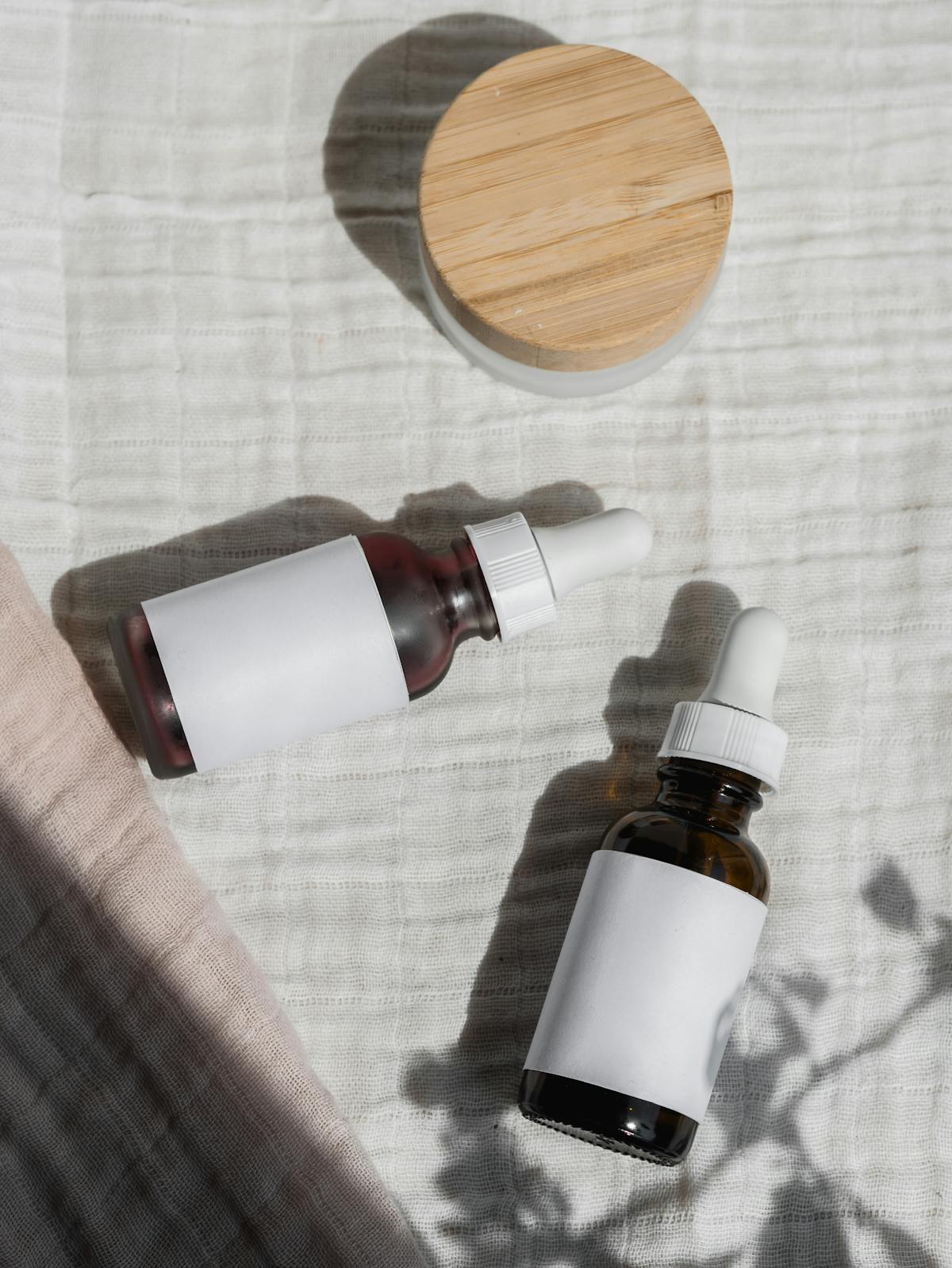
GLP‑1 receptor agonists—often dubbed “skinny shots” online—are prescription medications that mimic a natural hormone called glucagon‑like peptide‑1. They were developed to support blood‑sugar control in type 2 diabetes but were later found to cause substantial weight loss in many people.
Today, drugs like:
- Ozempic (semaglutide for type 2 diabetes)
- Wegovy (higher‑dose semaglutide for obesity/overweight with conditions)
- Mounjaro and Zepbound (tirzepatide for diabetes and weight management)
sit at the center of a huge conversation about diet culture, body image, and what safe, sustainable weight‑loss support really looks like.
How GLP‑1 Weight‑Loss Drugs Work in the Body
GLP‑1 medications act on your gut, pancreas, and brain. They don’t magically burn fat; they change how hungry you feel and how your body handles food.
- They slow gastric emptying.
Food moves more slowly from your stomach into your intestines, so you feel full longer after eating. Many people describe it as “My usual plate suddenly feels like too much.” - They increase satiety signals to your brain.
GLP‑1s act on appetite‑regulating areas in the brain, dialing down hunger and food “noise.” That constant mental chatter about snacks or second helpings often gets much quieter. - They support blood‑sugar control.
These drugs help your body release insulin more appropriately and reduce excess sugar production by the liver, which is why they were first used for type 2 diabetes.
The result for many people is a sharp drop in how much they naturally want to eat—sometimes to the point where finishing a full meal feels physically difficult.
Celebrity Culture, Viral Content & the “Ozempic Body”
One reason Ozempic and Wegovy feel inescapable is their presence in celebrity and influencer spaces. Entertainment outlets speculate about who’s using GLP‑1s, while some public figures openly share their journeys, sparking a flood of:
- Rapid before‑and‑after transformation photos
- “What I eat in a day on Ozempic” vlogs
- “Body reveal” red‑carpet discussions
Over time, this has fed a new aesthetic ideal sometimes labeled the “Ozempic body”: a very lean, often rapid transformation that’s framed as both aspirational and attainable—if you have access to the drug.
For many viewers, it can feel like overnight slimness is just a prescription away, even though the medical and emotional reality is more complex.
On TikTok, YouTube, and Instagram, a parallel ecosystem has emerged where GLP‑1 users trade tips: how to handle nausea, how little they can eat, and how they’re rebuilding wardrobes as their bodies change. This visibility keeps GLP‑1s constantly trending—and constantly scrutinized.

How GLP‑1 Drugs Are Changing Everyday Eating Patterns
When your appetite plummets, your entire relationship with food shifts. Many GLP‑1 users report:
- Feeling full after just a few bites
- Losing interest in former “trigger” foods or cravings
- Forgetting to eat until late in the day
From a nutrition perspective, this raises an important question: If you’re eating much less, what should those bites be?
Dietitians increasingly emphasize:
- Prioritizing protein.
Think eggs, Greek yogurt, tofu, beans, lentils, fish, poultry, or lean meats. Protein helps preserve muscle mass and supports satiety with fewer calories. - Choosing nutrient‑dense foods over “empty” snacks.
With limited appetite “real estate,” a bag of chips may crowd out fruits, vegetables, and whole grains that deliver fiber, vitamins, and minerals. - Spreading intake throughout the day.
Smaller, balanced meals or snacks can be easier to tolerate than a single large plate.

Muscle, Metabolism & the Push for Strength Training
Rapid weight loss isn’t just about fat; without intention, it can also include significant loss of lean body mass—muscle and other fat‑free tissue. That’s where exercise, especially strength training, becomes crucial.
Many clinicians and trainers now advise GLP‑1 users to:
- Lift weights or do resistance training 2–3 times per week
- Include adequate protein at each meal or snack
- Prioritize recovery and sleep to support muscle repair
Protecting muscle isn’t about chasing a certain “toned” look; it’s about maintaining strength, mobility, and metabolic health long after the weight has come off.

The Controversy: Diet Culture, Access & Long‑Term Use
The GLP‑1 boom hasn’t arrived quietly. Debate swirls around who uses these drugs, how they’re framed, and what happens when the injections stop.
Reinforcing a Narrow Thinness Ideal
Critics argue that “Ozempic culture” intensifies pressure to be visibly smaller, faster. When dramatic, medication‑driven weight loss is praised without context, it can deepen stigma toward people in larger bodies—especially those who don’t want or can’t access these drugs.
Side Effects & Safety Concerns
Common side effects include nausea, vomiting, and constipation; more serious but less common issues can involve gallbladder problems and other complications. This is one reason gradual dose escalation and close medical follow‑up are essential.
Access, Cost & Equity
GLP‑1 drugs can be expensive, and insurance coverage varies widely. Public health experts worry about:
- Off‑label cosmetic use when people with diabetes struggle to fill prescriptions
- Socioeconomic gaps in who can afford long‑term treatment
- Shortages affecting chronic disease management
Weight Regain & “Forever Medications”?
Many people regain some or all of the lost weight after stopping GLP‑1 therapy, especially if underlying habits and supports haven’t changed. This has sparked debate about whether these drugs are best used as long‑term, possibly lifelong, treatments for obesity as a chronic condition.
What Health Experts Emphasize in the GLP‑1 Era
Physicians, dietitians, and mental health professionals are trying to keep the conversation grounded in evidence and compassion. Common themes include:
- Medication is a tool, not a moral shortcut.
For many, GLP‑1s unlock progress that felt impossible—but they work best alongside supportive habits, not instead of them. - Balanced eating still matters.
Even with reduced appetite, a mix of protein, healthy fats, fiber‑rich carbs, and hydration remains vital for energy, mood, and long‑term health. - Mental health and body image deserve attention.
Rapid body changes can stir up old dieting wounds, disordered eating patterns, or identity questions, making therapy or support groups especially helpful.
Food Joy in a Smaller‑Appetite World
When appetite quiets, some people feel relief: fewer cravings, less compulsion, more breathing room. Others grieve the loss of food pleasure—shared restaurant meals, big family feasts, or favorite comfort dishes can feel overwhelming or physically uncomfortable.
Finding a new balance often means:
- Serving smaller portions of beloved dishes instead of eliminating them
- Focusing on quality—fresh herbs, good olive oil, vibrant spices—in each bite
- Leaning into social connection at the table, even if your plate is lighter
You might savor half a taco instead of three, or enjoy a few forkfuls of rich risotto paired with a crisp salad. The aroma, texture, and company can remain every bit as satisfying, even if the volume shrinks.
The Bottom Line: Beyond the Hype
As of early 2026, GLP‑1 drugs like Ozempic, Wegovy, Mounjaro, and Zepbound sit at the crossroads of celebrity culture, biohacking, diet trends, and healthcare policy. They’re powerful tools that can dramatically reshape weight, appetite, and health markers—but they’re not simple, and they’re not for everyone.
For anyone considering or already using a GLP‑1:
- Work closely with a qualified healthcare provider.
- Prioritize protein, nutrient density, and gentle movement.
- Seek support for body image and emotional changes.
- Remember: your worth is not defined by your weight, size, or whether you use a medication.
Food can remain a source of comfort, creativity, and connection—even in the era of the “skinny shot.”
