
Protein-Forward Mediterranean Magic: Glucose-Friendly Eating for Energy, Muscle & Longevity
Protein-Forward Mediterranean Diet & Glucose-Friendly Eating
The classic Mediterranean diet is getting a modern makeover: a protein-forward, glucose-friendly way of eating that keeps all the olive oil, colorful vegetables, and joyful shared meals, while adding smart strategies for blood sugar balance, muscle maintenance, weight management, and long-term metabolic health.
Imagine the sun-drenched flavors of Greece, Southern Italy, and coastal Spain—peppery extra-virgin olive oil, juicy tomatoes, briny olives, grilled fish—reimagined with today’s understanding of protein needs and glucose control. This way of eating feels abundant and deeply satisfying, not restrictive, and it’s just as welcoming to busy home cooks as it is to nutrition nerds.
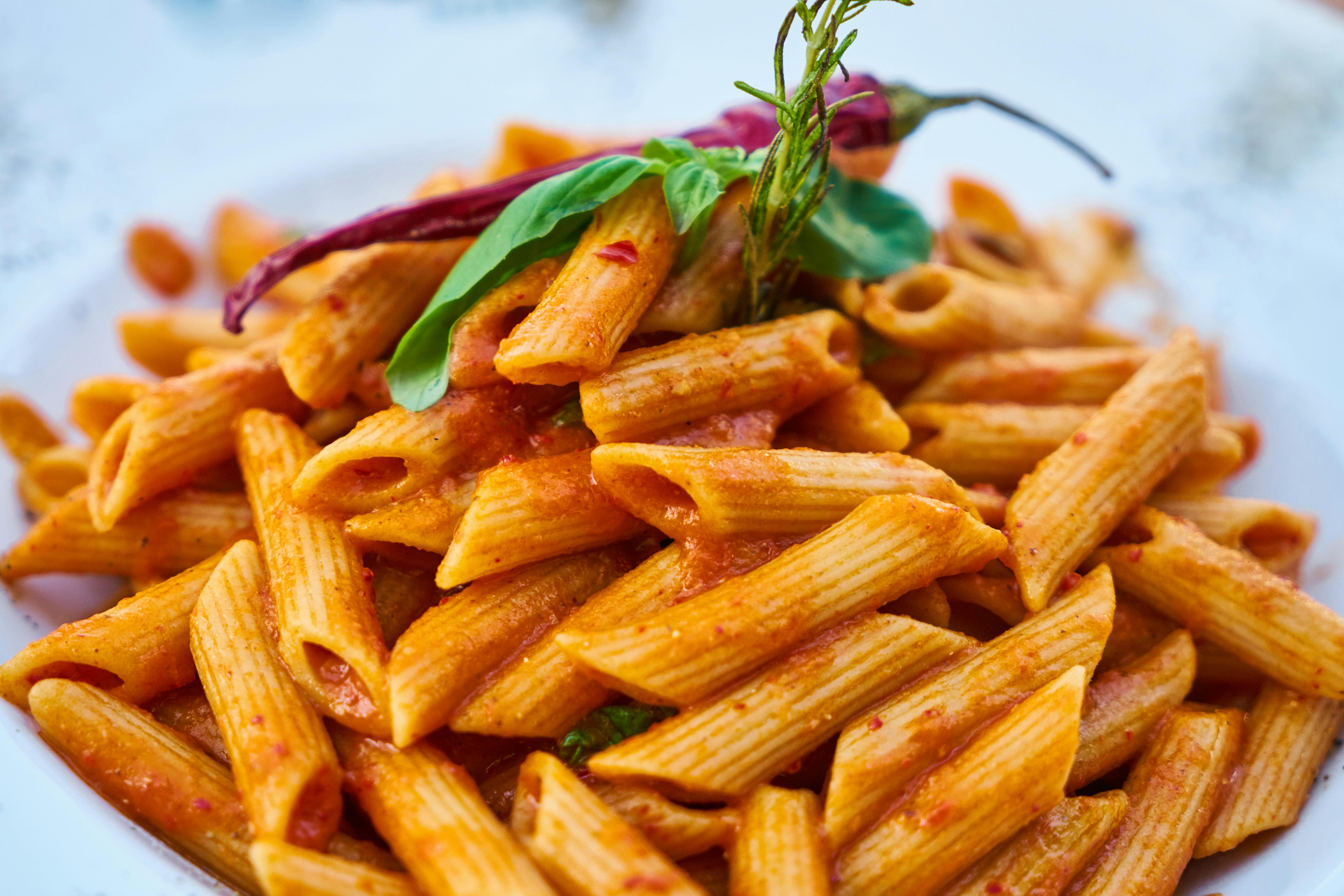
Below you’ll find a complete guide to this trend plus a flexible, protein-forward Mediterranean bowl recipe designed to be glucose-friendly, meal-prep friendly, and easily adaptable for different dietary needs.
What Is a Protein-Forward, Glucose-Friendly Mediterranean Diet?
At its heart, the Mediterranean diet is about whole, minimally processed foods, lots of plants, and generous but thoughtful use of healthy fats. The “new wave” version keeps these foundations but layers on:
- Higher protein intake (often 1.2–1.6 g/kg body weight) for satiety, muscle, and metabolic health.
- Glucose-friendly structure: protein and non-starchy veggies first, intact whole grains, and smart pairing of carbs.
- Healthy fats without fear: olive oil, nuts, seeds, and fatty fish as allies, not enemies.
- Longevity habits: slow meals, social eating, daily movement—very “Blue Zone.”
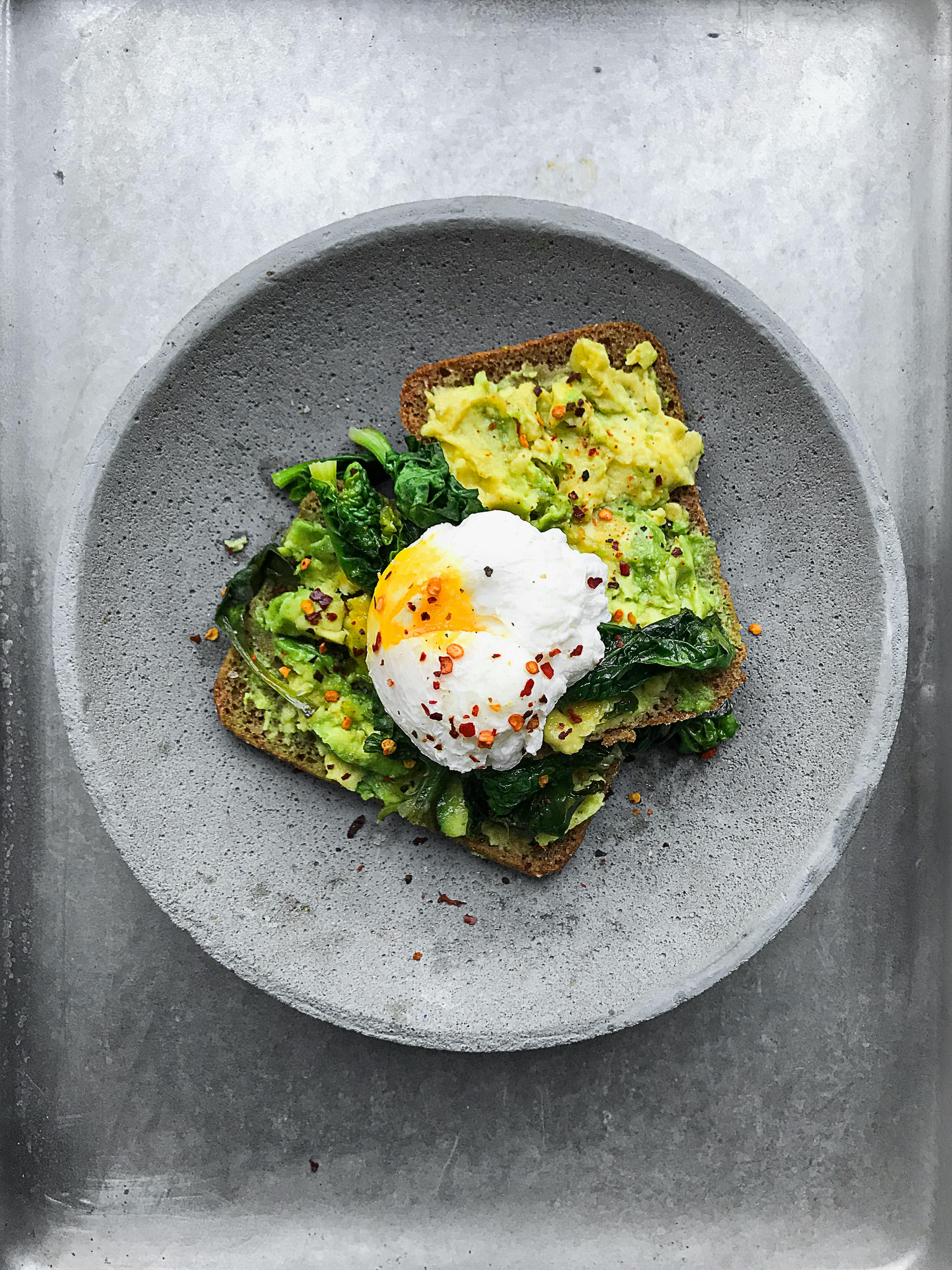
Instead of chasing extremes like keto or all-carb detoxes, this approach feels like a long-term home: balanced, satisfying, and grounded in both tradition and modern science.
Why Go Protein-Forward on a Mediterranean Diet?
Traditional Mediterranean plates include plenty of protein—think grilled fish in Greece or slow-braised beans in Italy—but modern goals like muscle preservation, weight management, and metabolic health benefit from being more deliberate about protein.
Aiming for roughly 1.2–1.6 g of protein per kilogram of body weight (always adjust with your healthcare provider) can help:
- Keep you fuller for longer, making portion control feel effortless.
- Support lean muscle, especially if you lift weights or are aging.
- Stabilize blood sugar by slowing digestion and glucose absorption.
In practice, that might mean swapping:
- Sweet pastries ➜ Greek yogurt or skyr with berries and seeds
- Plain pasta ➜ lentil-rich minestrone or chickpea pasta with salmon
- Cheese-only snack plates ➜ hummus, veggie sticks, olives, and boiled eggs
Glucose-Friendly Mediterranean Eating: How to Structure Your Plate
Influenced by continuous glucose monitor (CGM) insights and “glucose hack” culture, many people now build their Mediterranean meals in a specific order and structure to support steady energy and gentler blood sugar curves.
Common glucose-friendly strategies include:
- Eat in an order: non-starchy vegetables first, then protein and fats, and finally starches or fruit.
- Choose intact whole grains like farro, barley, bulgur, and steel-cut oats instead of white bread or pastries.
- Add acidity with vinegar-based dressings or a squeeze of lemon, which may blunt glucose spikes.
- Pair carbs with protein or fat—fruit with yogurt and nuts, or bread with hummus and olive oil.

Embracing Healthy Fats: Olive Oil, Nuts, Seeds & Fish
The Mediterranean diet has always been famous for its generous pour of extra-virgin olive oil and love of nuts, seeds, and fatty fish. In this modern reinterpretation, those fats are celebrated as tools for:
- Improving cholesterol and triglyceride levels.
- Adding omega-3s that may reduce inflammation.
- Boosting satiety, so you feel satisfied, not snacky.
Think of the glossy sheen of olive oil over roasted eggplant, the creamy crunch of walnuts on a salad, or the silky richness of salmon—these aren’t just delicious; they help your meal stick with you.
Longevity, Blue Zones & Lifestyle Beyond the Plate
When people talk about Mediterranean eating and longevity, they’re often thinking of “Blue Zones” like Ikaria in Greece or Sardinia in Italy—places where people frequently live into their 90s with remarkable vitality.
Food is only part of that story. Just as important are:
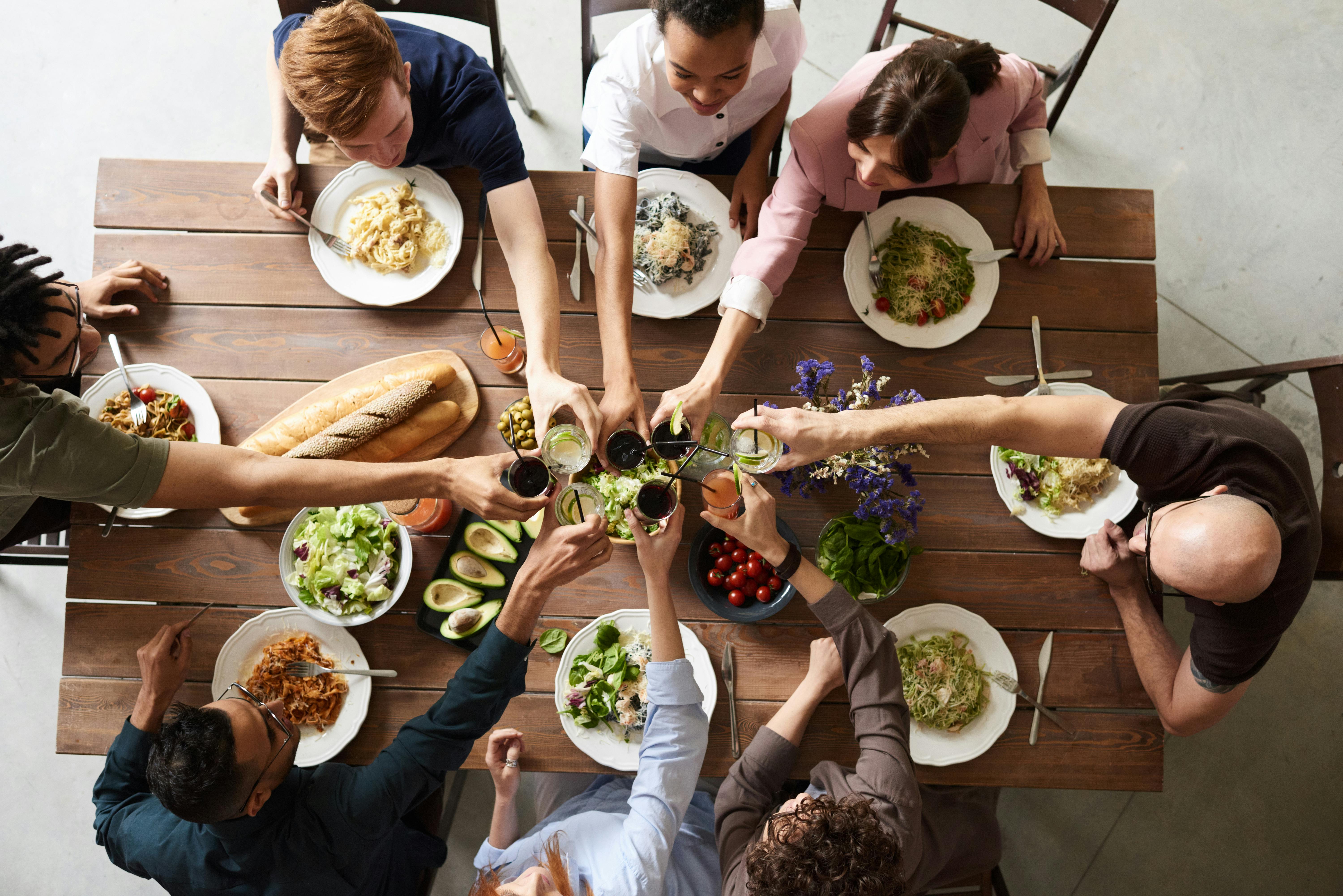
- Slow, social meals eaten with family and friends.
- Daily movement woven into life—walking, gardening, climbing hills.
- Low ultra-processed food intake and more home cooking.
This protein-forward version keeps that spirit while tailoring macros for modern goals like strength training, metabolic flexibility, and sustainable weight loss.
Recipe: Protein-Forward Mediterranean Glucose-Friendly Power Bowl
This vibrant Mediterranean bowl layers crisp vegetables, hearty legumes, and your choice of grilled fish, chicken, or tofu over chewy whole grains, all tied together with a lemony olive oil and herb dressing. It’s designed to be high in protein, rich in healthy fats, and gentle on blood sugar—perfect for meal prep, easy weeknight dinners, or nutrient-dense lunches.

Equipment You’ll Need
- Cutting board and sharp chef’s knife
- Large mixing bowl
- Medium saucepan (for grains)
- Nonstick or cast-iron skillet or grill pan
- Small jar with lid or bowl and whisk (for dressing)
- Measuring cups and spoons
- Serving bowls
Ingredients for Protein-Forward Mediterranean Bowl
For the Base
- 1 cup (190 g) uncooked farro, barley, or quinoa (gluten-free: choose quinoa or brown rice)
- 2 cups (480 ml) low-sodium vegetable or chicken broth, or water
- 4 packed cups (about 120 g) mixed leafy greens (arugula, spinach, romaine)
Protein Options (Choose One or Mix)
- 4 small fillets (120–150 g each) salmon, cod, or other firm fish, patted dry
- OR 2 large (about 500 g total) chicken breasts, halved horizontally
- OR 400 g (14 oz) extra-firm tofu, pressed and cut into cubes (for a high-protein vegetarian/vegan option)
For the Legume & Veggie Layer
- 1 can (400 g / 15 oz) chickpeas or lentils, rinsed and drained
- 1 small cucumber, diced
- 1 cup cherry or grape tomatoes, halved
- 1 small red onion, very thinly sliced
- 1 red or yellow bell pepper, diced
- ½ cup kalamata olives, pitted and halved
- ¼ cup fresh parsley or mint, chopped
For the Lemon-Herb Olive Oil Dressing
- ¼ cup (60 ml) extra-virgin olive oil
- 3 tbsp fresh lemon juice (about 1 large lemon)
- 1 tbsp red wine vinegar (for extra glucose-friendly acidity)
- 1–2 cloves garlic, finely minced
- 1 tsp dried oregano
- ½ tsp ground cumin (optional, for warmth)
- ½–¾ tsp fine sea salt, or to taste
- ¼ tsp black pepper
For Topping and Extra Protein
- ½ cup (75 g) crumbled feta cheese (or dairy-free feta alternative)
- ¼–⅓ cup (30–40 g) toasted nuts or seeds (walnuts, almonds, pistachios, or pumpkin seeds)
- Optional: ½ cup (120 g) plain Greek yogurt or skyr for serving on the side or dolloped on top
- Optional garnish: additional lemon wedges and fresh herbs
Visual Guide: Key Steps at a Glance
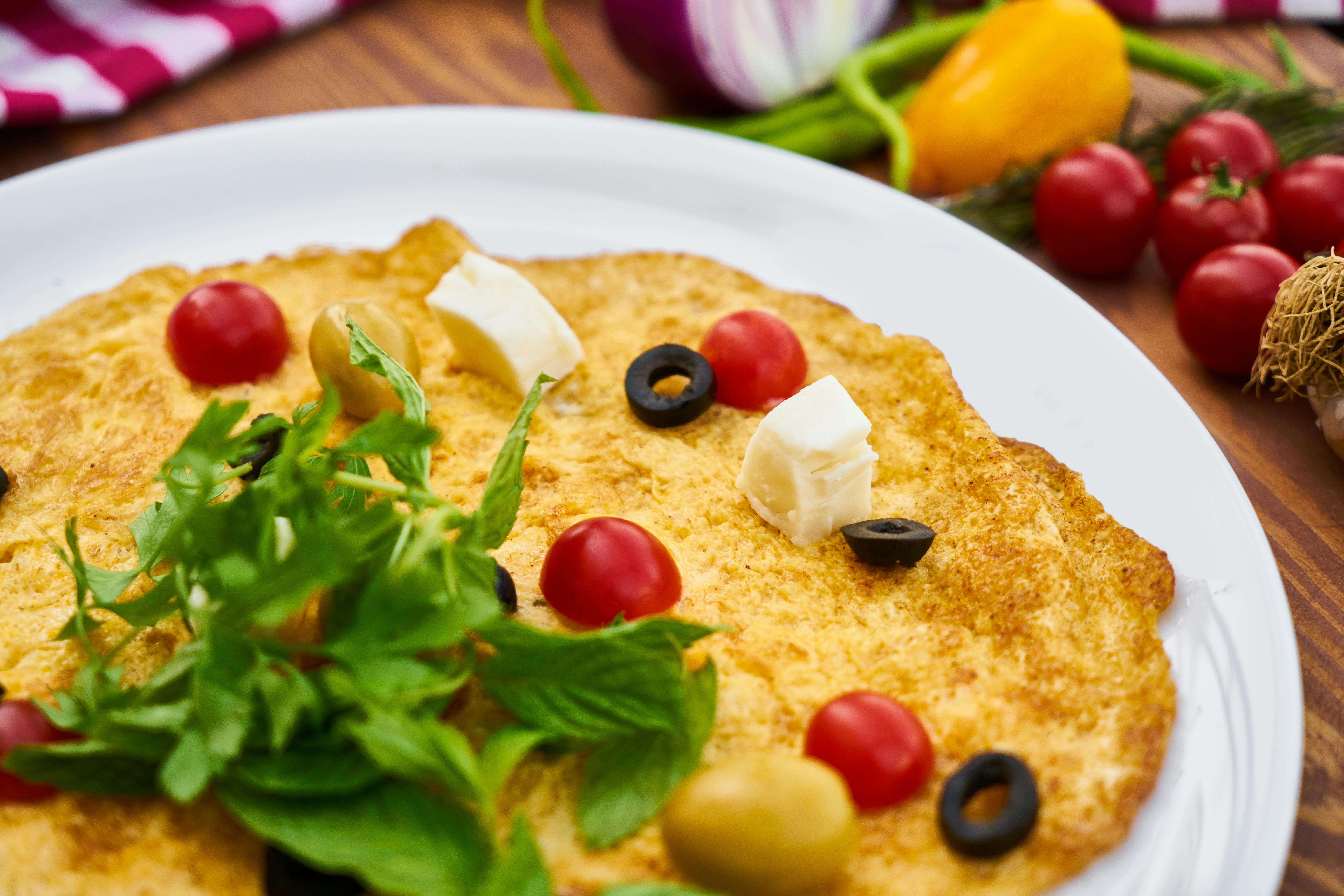
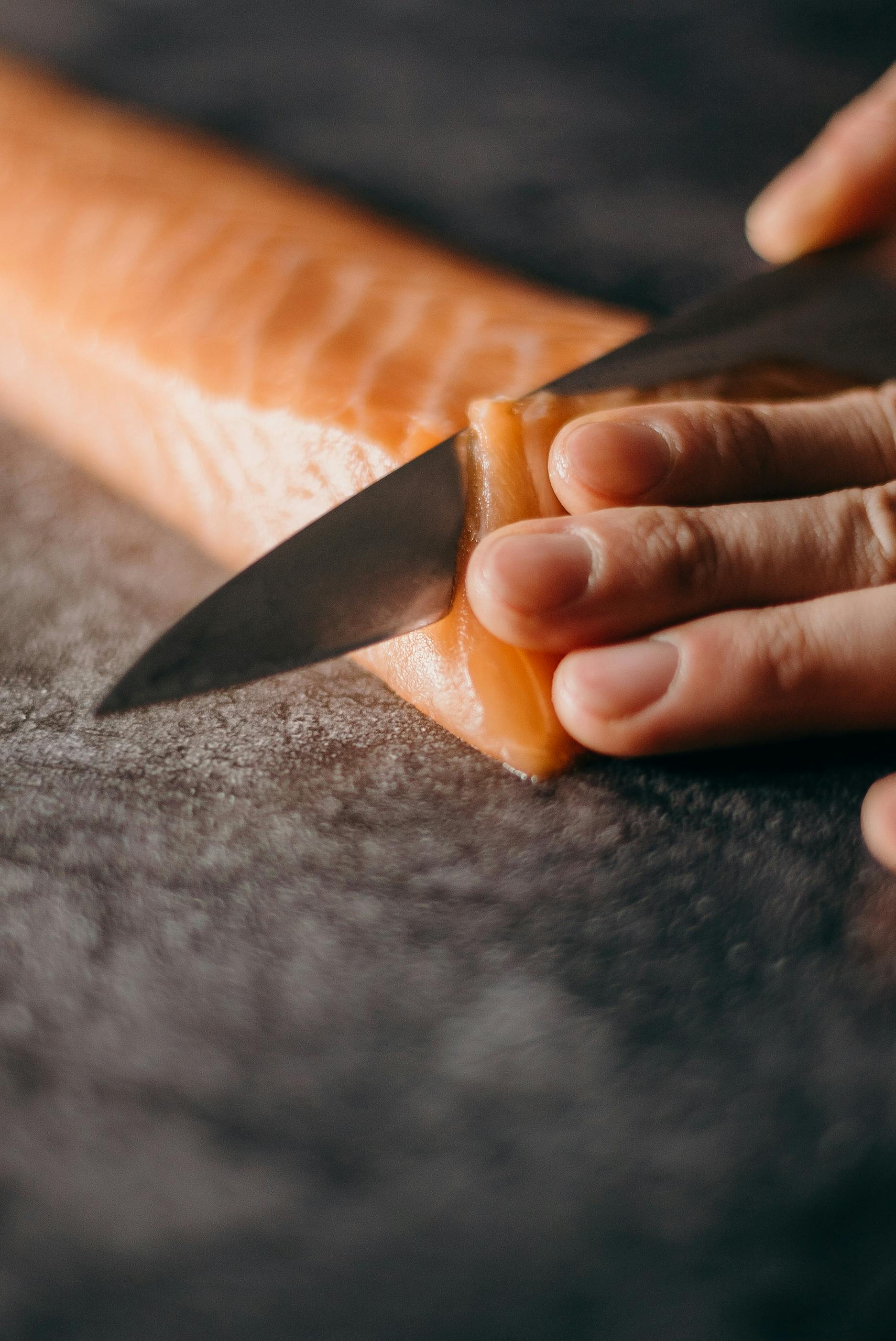
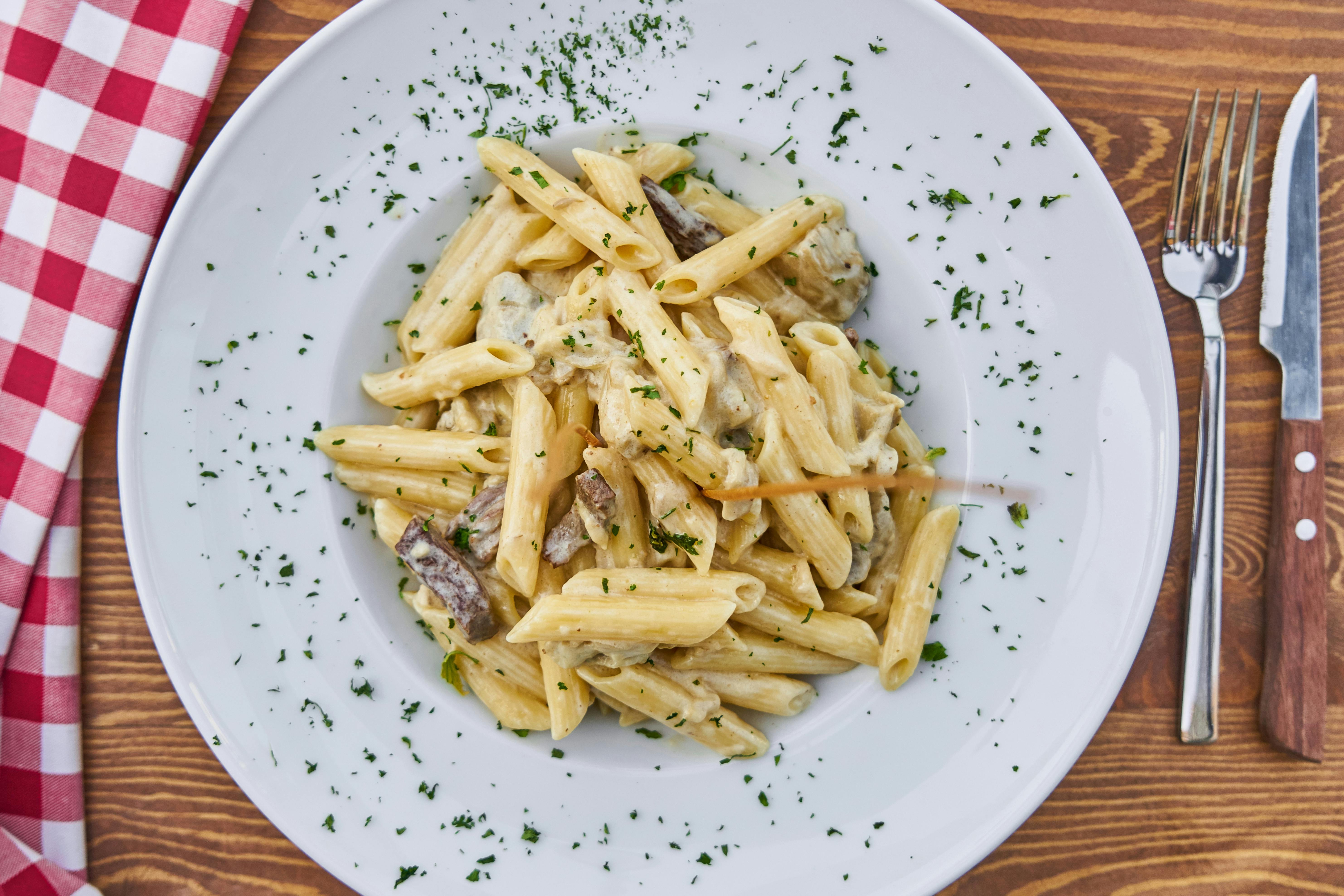
These images walk you through the core techniques: cooking whole grains, grilling protein, and assembling a balanced, glucose-friendly bowl.
Step-by-Step Instructions
- Cook the whole grains
Rinse your chosen grain under cold water. In a medium saucepan, combine grains with broth or water and a pinch of salt. Bring to a gentle boil, then reduce heat, cover, and simmer until tender but still slightly chewy (farro/barley: 20–25 minutes, quinoa: 12–15 minutes). Fluff with a fork and set aside, uncovered, to steam off excess moisture.
- Prep the vegetables and legumes
While the grains cook, chop cucumber, tomatoes, bell pepper, onion, and herbs. Rinse and drain chickpeas or lentils thoroughly. In a large bowl, gently toss legumes with the chopped vegetables, olives, and herbs. This creates your high-fiber, glucose-friendly base.
- Make the lemon-herb dressing
In a small jar or bowl, combine olive oil, lemon juice, red wine vinegar, garlic, oregano, cumin (if using), salt, and pepper. Shake or whisk until emulsified. Taste and adjust seasoning—remember, this dressing not only brightens flavor but adds acidity to help make the bowl more glucose-friendly.
- Season and cook the protein
Pat fish, chicken, or tofu dry. Drizzle lightly with olive oil and season on both sides with salt, pepper, and a sprinkle of dried oregano or your favorite Mediterranean spice blend. Heat a skillet or grill pan over medium-high. Cook:
- Fish: 3–4 minutes per side, until opaque and flakes easily.
- Chicken: 5–6 minutes per side, until golden and cooked through (165°F / 74°C internally).
- Tofu: 3–4 minutes per side, until crisp around the edges and lightly browned.
Transfer to a plate, rest for a few minutes, then slice or flake into large pieces.
- Dress the grains and veg
While still slightly warm, toss the cooked grains with 2–3 tablespoons of the dressing. Add about half of the remaining dressing to the legume-vegetable mixture and toss gently. This layering of flavor means each bite is bright and cohesive.
- Assemble your glucose-friendly Mediterranean bowls
In each serving bowl, start with a handful of leafy greens. Top with a scoop of dressed grains, then a generous portion of the legume-vegetable mix. Arrange your cooked protein on top. Finish with crumbled feta, toasted nuts or seeds, and a final drizzle of dressing. Serve with lemon wedges and a spoonful of Greek yogurt or skyr on the side if you’d like extra protein and creaminess.
- Enjoy in a blood-sugar-friendly order
For the most glucose-friendly experience, eat a few bites of the leafy greens and veggie-legume mix first, then the protein, and finally the grain and any sweeter elements (like tomatoes) toward the end of the meal.
Ingredient Substitutions & Dietary Adaptations
Storage, Meal Prep & Reheating Tips
This recipe is fantastic for meal prep and holds up beautifully in the fridge when stored thoughtfully.
- Separate components: For best texture, store grains, protein, and dressed veggies in separate airtight containers for up to 3–4 days.
- Dress as you go: Keep extra dressing in a small jar and drizzle just before serving to prevent sogginess.
- Reheating protein & grains: Gently rewarm grains and cooked fish/chicken/tofu in a covered skillet over low heat with a splash of water or broth, or in the microwave at 50–60% power to avoid drying out.
- Serve cold or warm: The bowl can be enjoyed cold (like a hearty salad) or with the grains and protein warmed and the veggies cool and crisp on top.
Serving Suggestions & Complementary Dishes
To build out a complete protein-forward Mediterranean, glucose-aware meal plan, pair this bowl with:
- Breakfast: Greek yogurt or skyr with berries, chia seeds, and a drizzle of olive oil; or a veggie omelet with feta and herbs.
- Snacks: Hummus with raw veggies, a small handful of nuts with a piece of fruit, or olives with a slice of cheese.
- Side dishes: Simple grilled or roasted vegetables (zucchini, eggplant, peppers), garlicky sautéed greens, or a vinegar-forward side salad.
- Flavor boosters: A sprinkle of dukkah, za’atar, or toasted seeds over the finished bowl for texture and aroma.

Simple Mediterranean Templates You Can Repeat All Week
One reason this protein-forward, glucose-friendly Mediterranean style is trending is how formula-based and repeatable it is. You can build endless meals from a few templates:
- Mediterranean Protein Bowl: greens + beans or lentils + grilled fish/chicken/tofu + whole grains + olive oil & lemon dressing + nuts or seeds.
- Mediterranean Breakfast: Greek yogurt or skyr + berries or seasonal fruit + seeds (chia, flax) + drizzle of olive oil or sprinkle of nuts.
- Mediterranean Snack Plate: hummus + raw veggies + olives + a little feta or boiled egg + whole-grain crackers if desired.
Once you get comfortable with these patterns, you can improvise with whatever you have in your fridge and pantry—while still hitting your protein and blood sugar goals.
Bringing It All Together
Protein-forward Mediterranean, glucose-friendly eating is less a strict diet and more a delicious framework: vibrant plants, satisfying protein, generous healthy fats, and simple tactics for steady blood sugar and lasting energy.
Whether you’re cooking for weight loss, strength, metabolic health, or just pure pleasure, this style of eating invites you to slow down, savor your food, and nourish yourself in a way that feels both deeply traditional and refreshingly modern.
