
Gut Health 2.0: Delicious Microbiome-Friendly Recipes with Fermented Foods & Polyphenols
Gut Health 2.0 is a delicious evolution in how we think about digestion and the microbiome: instead of chasing the newest probiotic supplement, we’re turning back to the kitchen—fermented foods, colorful plants, and polyphenol-rich ingredients—building vibrant, everyday meals that support gut health, mood, skin, and immunity from the plate up.
This page brings that movement to life with a warm, practical recipe you can cook today: a Gut-Friendly Rainbow Grain Bowl with Kimchi, Yogurt-Tahini Drizzle & Polyphenol Crunch. It’s a Mediterranean‑meets‑Korean inspired, microbiome‑supportive bowl layered with tangy fermented foods, hearty whole grains, and a riot of plant diversity.

What Is “Gut Health 2.0”?
The new wave of gut health focuses less on gimmicks and more on real food. Creators, dietitians, and researchers keep circling back to three simple but powerful pillars:
- Fermented superfoods like kefir, kimchi, sauerkraut, miso, tempeh, kombucha, and yogurt with live cultures.
- Fiber diversity—aiming for 20–30 different plant foods per week instead of just counting grams of fiber.
- Polyphenol-rich plants such as berries, cocoa, coffee, tea, herbs, spices, and extra virgin olive oil that act almost like prebiotics.
Rather than restrictive “gut reset” plans, Gut Health 2.0 celebrates more variety: rainbow bowls, “30-plants-a-week” challenges, and simple habits like a daily fermented side dish or a berry‑studded yogurt bowl.
Think of your microbiome as a garden: fermented foods are like adding rich compost, fiber is the soil structure, and polyphenols are the flowers that attract all the good bugs.
Gut-Friendly Rainbow Grain Bowl with Kimchi & Polyphenol Crunch
This nourishing bowl is built for your microbiome: tangy kimchi and yogurt bring living cultures, chewy whole grains and beans supply diverse fibers, and a jewel‑toned mix of vegetables, herbs, and seeds delivers a hit of polyphenols in every forkful.
Prep time: 20 minutes
Cook time: 25 minutes
Total time: 45 minutes
Servings: 4 bowls
Difficulty: Easy–Moderate
Dietary: High-fiber, gut-friendly, Mediterranean & plant-forward, easily vegetarian
Recipe Metadata
The following schema.org markup helps search engines understand and feature this gut-friendly recipe:
Ingredients & Equipment
This recipe is designed to pack your bowl with plant diversity and plenty of fermented and polyphenol-rich elements—perfect if you’re playing along with “30 plants a week” challenges.
For the Grain & Bean Base
- 1 cup (about 185 g) whole grains — quinoa, farro, or brown rice (or a mix for extra diversity)
- 2 cups (480 ml) water or low-sodium vegetable broth
- 1 tablespoon extra virgin olive oil
- 1 cup (about 165 g) cooked chickpeas, drained and rinsed if canned
For the Colorful Vegetable Layer
- 1 cup (about 70 g) purple cabbage, thinly sliced
- 1 cup (about 70 g) shredded carrots
- 1 cup (about 130 g) cucumber, diced
- 1 cup (about 150 g) cherry tomatoes, halved
- 1 small avocado, sliced (healthy fats + creamy texture)
Fermented & Polyphenol Boosters
- 3/4 cup (about 120 g) kimchi or naturally fermented sauerkraut (look for “unpasteurized” on the jar)
- 1/2 cup (about 120 g) plain yogurt with live cultures (dairy or unsweetened plant-based)
- 2 tablespoons tahini (sesame paste; rich, nutty, and full of minerals)
- 1 tablespoon fresh lemon juice
- 1 teaspoon honey or maple syrup (optional, for balance)
- 2–3 tablespoons water, to thin the sauce
- 2 tablespoons toasted pumpkin seeds
- 2 tablespoons mixed seeds — sunflower, flax, or chia
- 2 tablespoons chopped fresh herbs — parsley, cilantro, or mint
- 1 teaspoon ground turmeric or smoked paprika (polyphenol-rich spice)
- Sea salt and freshly ground black pepper, to taste
- Extra virgin olive oil, for drizzling
Equipment Needed
- Medium saucepan with lid (for cooking grains)
- Cutting board and sharp chef’s knife
- Large mixing or serving bowls
- Small bowl and whisk (for the sauce)
- Measuring cups and spoons
- Optional: nonstick skillet (for warming chickpeas)
Step-by-Step Cooking Instructions
Take this at your own pace—each element is simple, and nothing has to be perfect. The beauty of a bowl is that as long as the flavors are balanced, it will taste fantastic.
- Cook the grains.
Rinse your chosen grains under cold water to remove excess starch or bitterness. In a saucepan, combine 1 cup grains with 2 cups water or broth and a pinch of salt. Bring to a boil, then reduce heat to low, cover, and simmer until tender:
- Quinoa: about 15 minutes
- Brown rice: about 25–30 minutes
- Farro: about 20–25 minutes (check package)
Turn off the heat, let stand covered for 5 minutes, then fluff with a fork and drizzle with 1 tablespoon olive oil
- Prep the crunchy vegetables.
While the grains cook, thinly slice the cabbage, shred the carrots, dice the cucumber, halve the cherry tomatoes, and slice the avocado. Rinse and drain the chickpeas.
Try to keep the pieces bite-sized. You want a mix of textures: crisp cabbage, juicy tomatoes, crunchy cucumber, and buttery avocado.

Prepping a rainbow of vegetables sets you up for an easy, gut-loving assembly line. - Make the yogurt–tahini drizzle.
In a small bowl, whisk together:
- 1/2 cup yogurt with live cultures
- 2 tablespoons tahini
- 1 tablespoon lemon juice
- 1 teaspoon honey or maple syrup (optional)
- 1 teaspoon turmeric or smoked paprika
- Pinch of salt and pepper
Add 2–3 tablespoons water, a little at a time, whisking until you have a smooth, pourable sauce. Taste and adjust: more lemon for brightness, more tahini for richness, or more spice for warmth.
- Optional: Warm and season the chickpeas.
For extra flavor, heat a nonstick skillet over medium. Add a drizzle of olive oil and the chickpeas with a pinch of salt and a sprinkle of turmeric or paprika. Sauté for 3–4 minutes until slightly crisp at the edges and fragrant.
- Assemble your gut-friendly bowls.
Divide the warm grains between 4 bowls. Arrange the chickpeas, cabbage, carrots, cucumber, tomatoes, and avocado in little sections on top, leaving space for the fermented star.
Add a generous spoonful (about 3–4 tablespoons) of kimchi or sauerkraut to each bowl. Keep it off the hottest part of the grains so more of those friendly microbes stay alive.
- Finish with seeds, herbs, and drizzle.
Spoon the yogurt–tahini sauce over each bowl. Sprinkle with pumpkin seeds, mixed seeds, and freshly chopped herbs. Finish with a light drizzle of extra virgin olive oil and a crack of black pepper.
Take a moment to breathe in the aroma: tangy kimchi, toasty seeds, lemony yogurt, and the gentle spice of turmeric or smoked paprika.
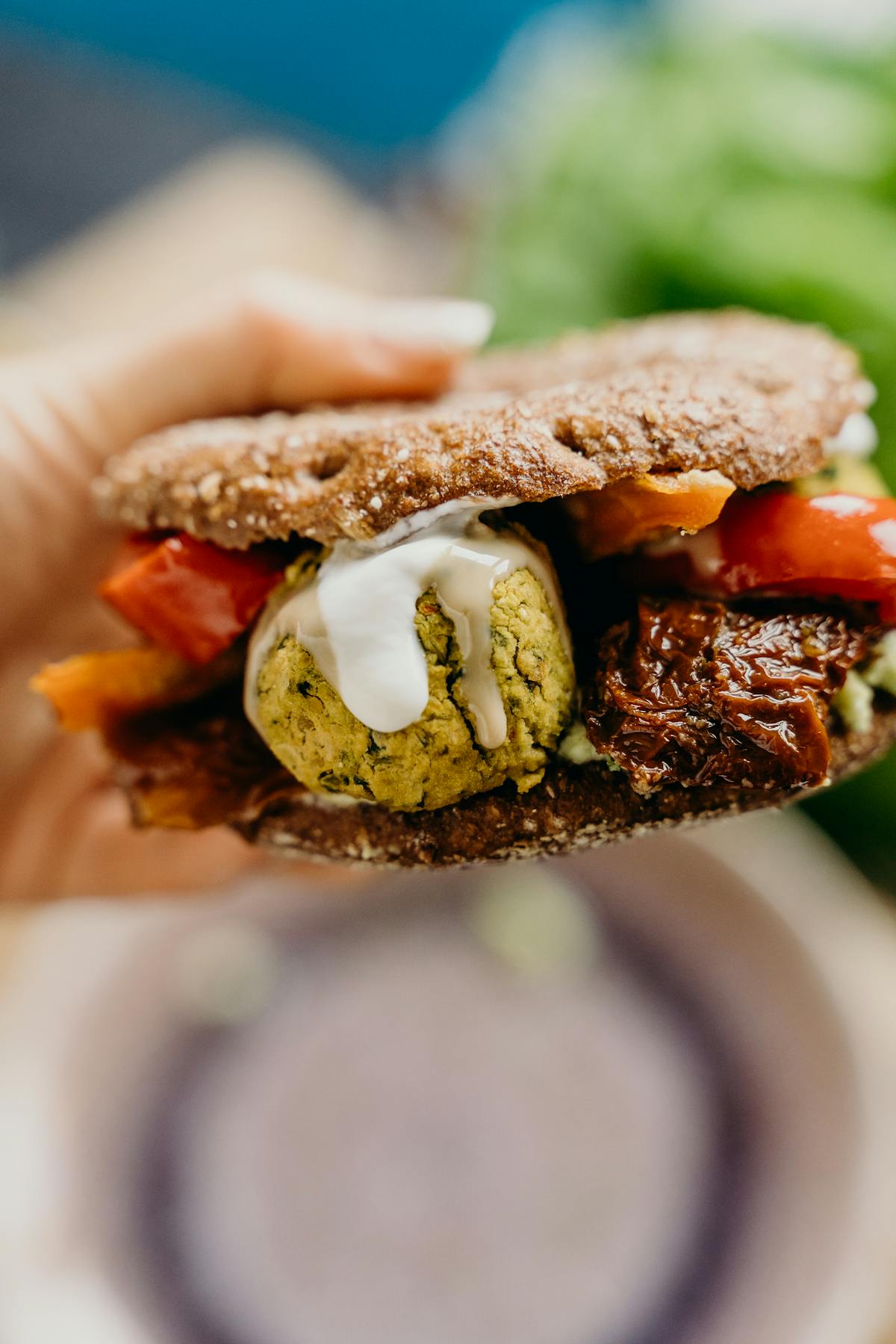
The final drizzle and seed sprinkle add crunch, healthy fats, and a polyphenol boost.
Variations, Swaps & Dietary Adaptations
This is a template more than a strict rulebook. Here’s how to make it work for different preferences and pantries while staying friendly to your microbiome.
Make It Vegan or Dairy-Free
- Use a plain plant-based yogurt with live cultures (soy, coconut, or almond) instead of dairy yogurt.
- Swap honey for maple syrup or skip the sweetener.
Make It Gluten-Free
- Choose naturally gluten-free grains like quinoa, brown rice, or buckwheat.
- Check that your kimchi and soy-based sauces (if you add any) are gluten-free.
Protein Boost Options
- Add grilled tempeh or extra chickpeas for a plant-based boost.
- Top with a soft-boiled egg or grilled salmon/chicken if you eat animal protein.
Fermented Food Flexibility
- No kimchi? Use unpasteurized sauerkraut or fermented pickles.
- For a milder option, stir a spoonful of miso into the yogurt sauce (off the heat) for extra umami.
Storage, Meal Prep & Reheating
These gut-friendly bowls make excellent meal prep—perfect for busy weeks when you still want to nourish your microbiome.
How to Store
- Grains & chickpeas: Store together in an airtight container in the fridge for up to 4 days.
- Chopped veggies: Keep in separate containers or sections so they stay crisp, 3–4 days.
- Yogurt–tahini sauce: Refrigerate in a jar or small container for up to 4 days. It may thicken—just whisk in a splash of water.
- Kimchi or sauerkraut: Keep sealed in its own jar; it’s naturally preserved and can last weeks in the fridge.
Reheating Guidelines
- Reheat only the grain and chickpea base—gently in the microwave or on the stovetop with a splash of water.
- Keep the fermented foods and yogurt sauce cold or room temperature and add them after reheating to protect those live cultures.
- Assemble just before eating so the vegetables stay crisp and vibrant.
Serving Suggestions & Gut-Healthy Pairings
This rainbow bowl is a complete meal, but you can build a whole “Gut Health 2.0” day around it with other microbiome-friendly recipes.
- Start the day: A yogurt bowl with berries, cacao nibs, and flax or chia seeds for polyphenols and fiber.
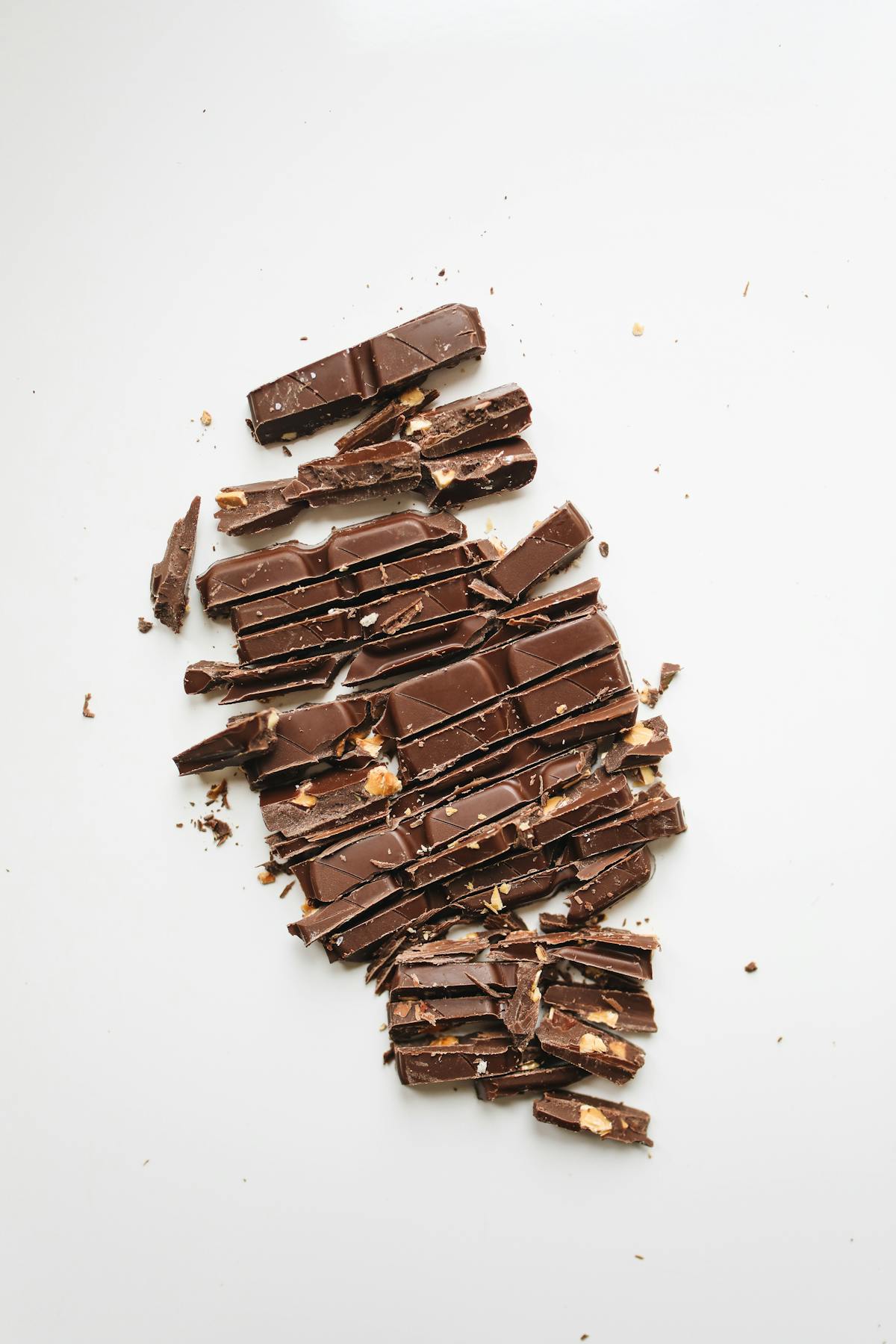
- Midday pick‑me‑up: A small glass of kombucha or a green tea with a few squares of dark chocolate (70%+ cocoa).
- Alongside your grain bowl: A simple miso soup or a crisp side salad with extra virgin olive oil and plenty of herbs.
- After dinner: A herbal tea with spices like ginger, cinnamon, or fennel to round out your daily plant diversity.
Bringing Gut Health 2.0 into Your Kitchen
The most exciting part of Gut Health 2.0 is how joyful it can be. Instead of rigid rules, you get to chase colors, textures, and flavors: fizzing kimchi, glossy olive oil, crunchy seeds, dark leafy greens, sweet berries, and earthy beans.
Use this rainbow grain bowl as a starting point, then play: swap in roasted sweet potatoes, add olives, try different ferments, sprinkle new herbs. Each tweak is another invitation to grow a more diverse, resilient microbiome—one satisfying bite at a time.
