
Plant-Forward Power: A Cozy Flexitarian Lentil & Quinoa Protein Bowl Everyone Will Crave
This cozy plant-forward flexitarian lentil and quinoa protein bowl celebrates the modern shift toward flexible, high-protein eating that centers plants while still welcoming a little yogurt or cheese on top. Built on hearty lentils, nutty quinoa, and colorful vegetables, it captures the spirit of today’s plant-forward trend: nourishing, satisfying, and realistic for busy home cooks who want more plants and better protein quality without going fully vegan.
Plant-Forward Flexitarian Lentil & Quinoa Protein Bowl
Across YouTube, TikTok, and family kitchens, “plant-forward” and flexitarian eating are quietly taking over. Instead of strict vegan rules, this approach piles your bowl with legumes, whole grains, vegetables, nuts, and seeds, then layers in small but meaningful amounts of animal foods—like a spoonful of Greek yogurt, a crumble of feta, or a soft-boiled egg—when you want them.
This recipe is a warm, fragrant, one-bowl dinner that shows exactly how that looks in real life: lentils for earthiness and fiber, quinoa for complete protein, roasted vegetables for sweetness and color, and optional toppings for extra protein and creaminess. It’s deeply satisfying, budget-friendly, and designed to help you hit that trending 20–30 g of protein per meal with mostly plants.
Quick Recipe Summary
Prep Time: 20 minutes
Cook Time: 30–35 minutes
Total Time: 50–55 minutes
Servings: 4 bowls
Difficulty: Easy–Moderate
Dietary: Plant-forward, high-protein, vegetarian (vegan adaptable), high-fiber
Why Flexitarian, Plant-Forward Bowls Are Trending
The flexitarian style of eating has become a sweet spot between “eat whatever” and “100% vegan or bust.” Home cooks are discovering that they feel their best when plants are the star of the plate—lentils, chickpeas, black beans, tofu, whole grains, nuts, and seeds—while a small amount of fish, eggs, yogurt, or cheese can make meals easier, more nutrient-dense, and family-friendly.
On social media, you’ll see creators tag recipes as high-protein vegetarian meal prep
or plant-forward family dinners
rather than strictly vegan. They walk through protein counts per serving, talk about iron, B12, omega‑3s, calcium, and show how to build bowls that feel indulgent but are deeply nourishing. This lentil and quinoa bowl fits that mold: plenty of plant protein, complementary amino acids, and space for optional, high-quality animal foods.
Nutritionally, this style checks the boxes that people increasingly care about:
- Protein quality: Lentils and quinoa together offer excellent essential amino acid coverage.
- Micronutrients: Leafy greens and roasted vegetables bring iron, vitamin C, and antioxidants; seeds add zinc and omega‑3 fats.
- Sustainability: Plants do the heavy lifting, while modest animal foods support flexibility and reduce perfectionism.
Visual Guide: Flexitarian Lentil & Quinoa Protein Bowl
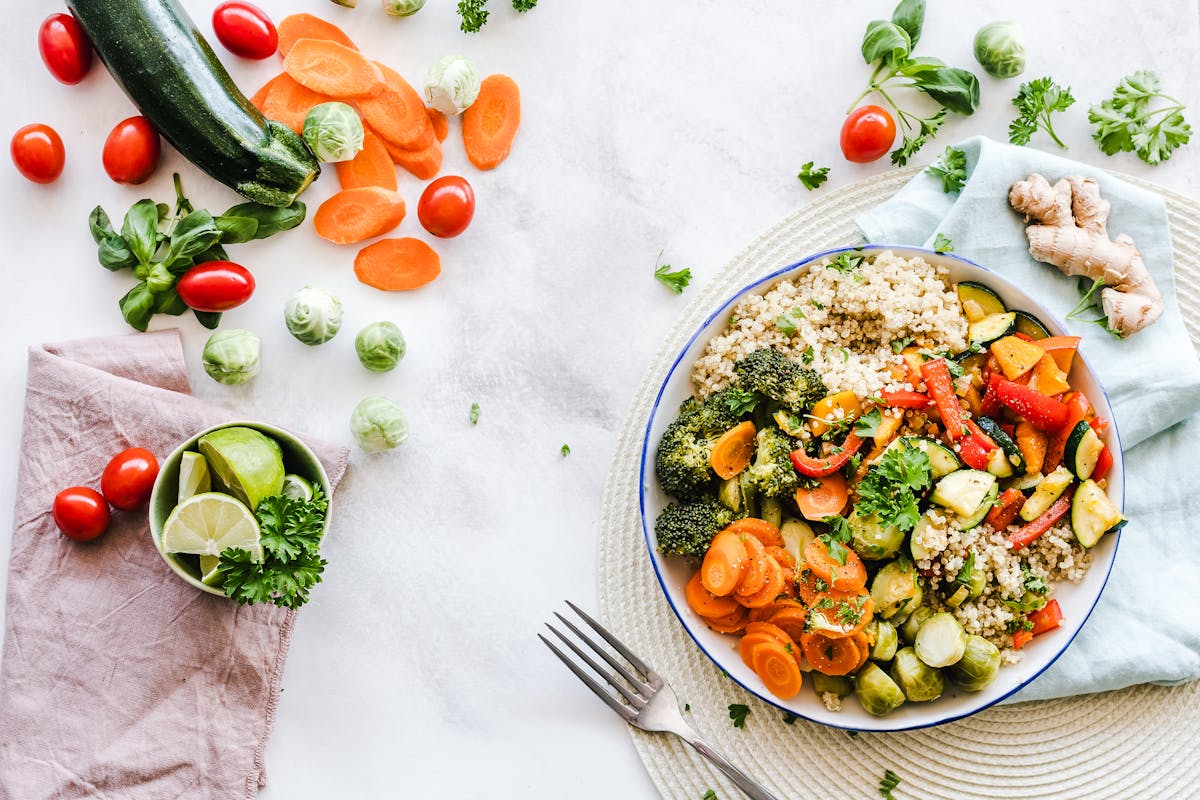
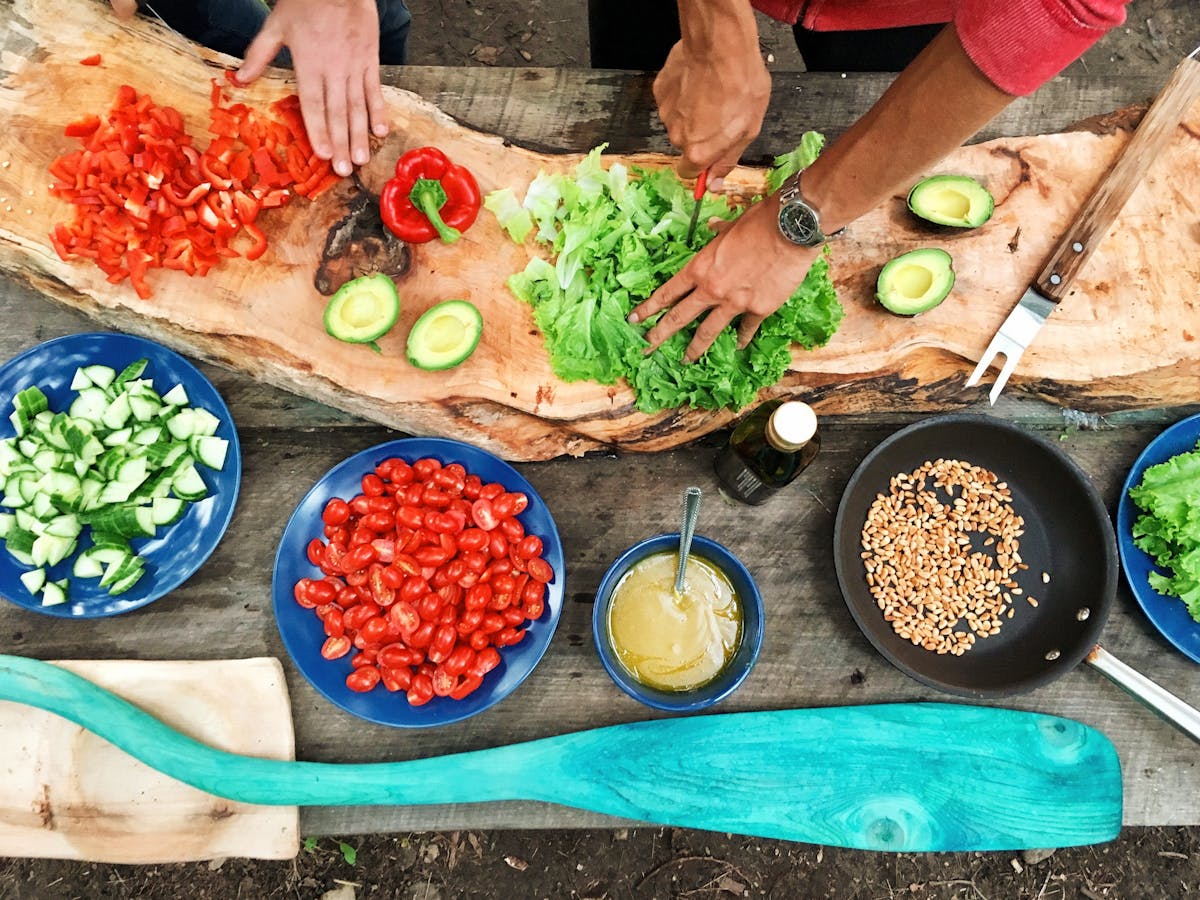
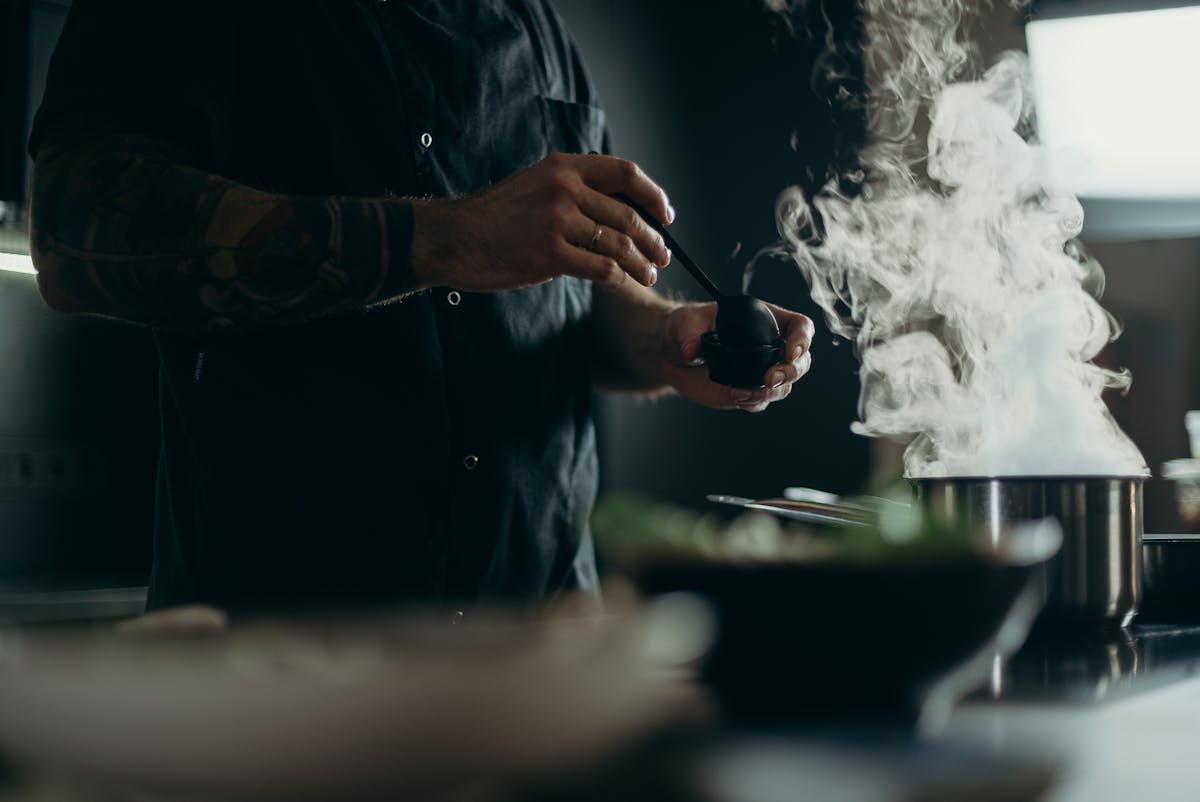
These step-by-step images help you visualize each stage—from rinsing the grains to assembling that gloriously colorful final bowl. Imagine the steam rising, the garlic and spices blooming in the pan, and the gentle nuttiness of toasted quinoa filling your kitchen.


Ingredients for Lentil & Quinoa Flexitarian Protein Bowl
This recipe is intentionally flexible. Treat it as a template: swap in your favorite vegetables, play with spices, and choose the toppings that fit your household—fully vegan, vegetarian, or flexitarian.
For the Protein-Rich Base
- 1 cup (190 g) dry green or brown lentils, rinsed
- 1 cup (185 g) dry quinoa, rinsed well
- 4 cups (960 ml) low-sodium vegetable broth (or water), divided
- 1 tablespoon extra-virgin olive oil
- 1 medium yellow onion, finely chopped
- 3 cloves garlic, minced
- 1 teaspoon ground cumin
- 1 teaspoon smoked paprika
- ½ teaspoon ground coriander (optional but lovely)
- ½ teaspoon fine sea salt, plus more to taste
- Freshly ground black pepper, to taste
For the Roasted Vegetables & Greens
- 2 medium carrots, sliced into coins or half-moons
- 1 red bell pepper, sliced into strips
- 1 small zucchini, cut into half-moons
- 1 small red onion, cut into wedges
- 2 tablespoons olive oil
- ½ teaspoon smoked paprika or chili powder
- ½ teaspoon dried oregano or thyme
- Salt and pepper, to taste
- 3–4 cups loosely packed baby spinach or chopped kale
- Juice of ½ lemon (plus extra wedges for serving)
Flexitarian Toppings (Choose Your Style)
Plant-based toppings:
- ¼ cup (35 g) toasted pumpkin seeds or sunflower seeds
- 2 tablespoons hemp hearts or ground flax seeds
- 2 tablespoons nutritional yeast (for a cheesy, B12-rich finish)
- Fresh herbs (parsley, cilantro, or dill), chopped
- 2 tablespoons tahini or olive oil for drizzling
Optional flexitarian add-ons (vegetarian):
- ½–1 cup (115–230 g) crumbled feta or goat cheese
- ½–1 cup (120–240 g) plain Greek yogurt (2% or whole milk) for dolloping
- 4 soft-boiled or jammy eggs, halved
Equipment You’ll Need
- Fine-mesh sieve (for rinsing quinoa and lentils)
- Medium saucepan with lid
- Large rimmed baking sheet
- Large skillet or sauté pan
- Cutting board and sharp knife
- Mixing bowl
- Measuring cups and spoons
- Spatula or wooden spoon
Step-by-Step Instructions
Take this at your own pace. None of the steps are technically difficult, and everything is forgiving. If you can chop vegetables and stir a pot, you can absolutely cook this.
Preheat the oven and rinse your grains and lentils.
Preheat your oven to 400°F (200°C). Place the lentils and quinoa in a fine-mesh sieve and rinse under cool running water until the water runs mostly clear. This removes quinoa’s natural bitterness and any dust from the lentils.Start cooking the lentils.
In a medium saucepan, combine the rinsed lentils with 2 cups (480 ml) of the vegetable broth (or water). Bring to a boil, then reduce to a gentle simmer. Cook for 18–22 minutes, or until the lentils are tender but not mushy. Drain any excess liquid and set aside.Cook the quinoa.
While the lentils simmer, add the rinsed quinoa to another saucepan with the remaining 2 cups (480 ml) broth. Bring to a boil, then reduce to low, cover, and cook for 15 minutes. Turn off the heat and let it rest, covered, for another 5 minutes. Fluff with a fork.Prep and roast the vegetables.
On a large baking sheet, toss the carrots, red bell pepper, zucchini, and red onion with 2 tablespoons olive oil, smoked paprika or chili powder, oregano, salt, and pepper. Spread in a single layer. Roast for 20–25 minutes, stirring once halfway through, until the edges are caramelized and the vegetables are tender.Build flavor with aromatics and spices.
In a large skillet, warm 1 tablespoon olive oil over medium heat. Add the chopped onion and cook for 4–5 minutes until soft and translucent. Stir in the garlic, cumin, smoked paprika, coriander, salt, and pepper. Cook for 1 minute, stirring constantly, until fragrant.Combine lentils with the spiced aromatics.
Add the cooked lentils to the skillet and gently stir to coat them in the spices and aromatics. If the mixture looks dry, splash in a tablespoon or two of water or broth. Taste and adjust salt, pepper, or spices as desired.Wilt the greens.
Add the spinach or chopped kale to the warm lentil mixture. Stir for 1–2 minutes until the greens just wilt. Squeeze in the juice of half a lemon for brightness. Turn off the heat.Toast your seeds (optional but delicious).
In a dry skillet over medium heat, toast the pumpkin or sunflower seeds for 2–3 minutes, shaking frequently, until they smell nutty and start to pop. Remove from heat immediately to avoid burning.Assemble your plant-forward bowls.
Divide the fluffy quinoa among 4 bowls. Top each with a generous scoop of the spiced lentil and greens mixture. Add a big handful of roasted vegetables to each bowl.Finish with toppings—your way.
Sprinkle each bowl with toasted seeds, hemp hearts or flax, nutritional yeast, and fresh herbs. For a flexitarian twist, add a dollop of Greek yogurt, a sprinkle of feta, or a jammy egg. Serve with extra lemon wedges and a drizzle of tahini or olive oil if you like.
Substitutions & Dietary Adaptations
Vegan Version
- Skip the Greek yogurt, eggs, and cheese.
- Double up on seeds and hemp hearts for extra protein and healthy fats.
- Use a generous sprinkle of nutritional yeast for cheesy, umami depth and added B12 (if fortified).
Gluten-Free
This bowl is naturally gluten-free as written, assuming your broth and any toppings (like feta or yogurt) are certified gluten-free. Always check labels if you’re highly sensitive.
Extra Protein Boost Ideas
- Add a side of edamame or toss some into the bowl.
- Stir in a few cubes of marinated tofu or tempeh, pan-seared for texture.
- For a more flexitarian approach, top with grilled salmon or a small portion of roasted chicken, while keeping the bowl mostly plant-based.
Vegetable Swaps
- Swap carrots and zucchini for sweet potato, broccoli, or cauliflower.
- Use kale, chard, or arugula instead of spinach.
- Add seasonal touches like roasted squash in autumn or asparagus in spring.
Storage & Reheating
These bowls are made for meal prep and busy weeks—they keep beautifully and reheat without losing their comforting texture.
- Storage: Cool components to room temperature, then store grains, lentils, and vegetables together or separately in airtight containers for up to 4 days in the refrigerator.
- Toppings: Keep yogurt, cheese, and eggs in their own containers; add them only after reheating the base.
- Freezing: The lentil and quinoa mixture (without fresh greens and toppings) can be frozen for up to 2 months. Thaw overnight in the fridge and reheat with a splash of broth or water.
- Reheating: Warm on the stove over low heat with a little water or broth, or in the microwave in 60-second bursts, stirring in between, until hot. Add fresh greens and toppings just before serving.
Serving Ideas & Complementary Dishes
This bowl is a complete meal on its own—protein, fiber, complex carbs, and healthy fats—but you can easily build it into a bigger flexitarian spread.
- Serve with a simple tomato and cucumber salad dressed in lemon and olive oil for extra freshness.
- Add a side of roasted or steamed seasonal vegetables if you’re feeding a crowd.
- Pair with a cup of lentil or vegetable soup on colder days for a double plant-protein boost.
- Offer whole-grain flatbread or pita for dipping into saucy lentils and yogurt.
However you serve it, let this bowl be a reminder that you don’t need perfection to eat well. A flexible, plant-forward, protein-conscious plate—built mostly from pantry staples—can be one of the most satisfying, sustainable ways to cook for yourself and the people you love.
