
Gut Health 2.0: Fermented Foods, Fiber & the Surprising Skin–Gut Glow-Up
Gut Health 2.0: Beyond Basic Probiotics
Gut health has officially moved into its “2.0” era. We’ve gone from vague probiotic buzzwords to a vibrant, food-first movement centered on fermented foods, prebiotic fiber, and even the much‑discussed “skin–gut axis.” On TikTok and Instagram, it’s all about kimchi jars on kitchen counters, kefir poured over overnight oats, and big colorful bowls of fiber‑rich veggies and grains.
Underneath the hype, there’s a genuinely exciting story: when we feed our gut microbes well—mostly with diverse plants and traditional ferments—we support digestion, immunity, mood, and possibly our skin. This page walks you through the science in accessible terms, highlights the trends, and offers practical ways to enjoy gut‑friendly foods at home without falling for extreme “gut reset” fads.

Why Gut Health Is Trending (Again)
Gut health isn’t new, but the conversation has become more nuanced. Instead of focusing only on probiotic supplements, creators and clinicians now talk about:
- Everyday fermented foods like kefir, kimchi, sauerkraut, yogurt, miso, and kombucha.
- Prebiotic fibers from whole foods such as oats, barley, garlic, onions, leeks, and green‑tipped bananas.
- The “skin–gut axis,” connecting digestion, inflammation, acne, eczema, and overall glow.
- Microbiome testing, stool analysis, and personalized nutrition (with plenty of debate).
On social media, “gut‑health routines” often show a day that starts with a kefir shot, includes a fiber‑packed breakfast, a lunch with legumes and whole grains, and a cozy miso soup or kimchi fried rice at dinner. Meanwhile, long‑form YouTube videos and podcasts dive into microbiome research, testing kits, and probiotic drinks.
In essence, gut health 2.0 is less about magic pills and more about everyday food patterns: more plants, more ferments, less ultra‑processed snacking.
Microbiome Basics: Meet Your Inner Ecosystem
Your gut microbiome is a bustling community of bacteria, fungi, and other microbes living mostly in your large intestine. They help digest fibers you can’t break down on your own, produce beneficial compounds, train your immune system, and may even influence mood and skin health.
Two key concepts dominate gut‑health 2.0:
- Probiotics – Live microorganisms that, when consumed in adequate amounts, may offer health benefits. These often come from fermented foods like yogurt or kimchi.
- Prebiotics – Non‑digestible carbohydrates that feed beneficial gut bacteria. Think fibers and resistant starches in plant foods, not just powders.
Research published through the early 2020s suggests a more diverse microbiome is generally linked with better metabolic and immune markers. That’s why you’ll now hear dietitians recommend eating 20–30 different plant foods per week—a simple, food‑loving way to support microbial diversity.
Fermented Foods: Accessible “Super‑Foods” for Your Gut
Fermented foods feel like old friends disguised as new stars. Many cultures have relied on them for centuries: think Korean kimchi, German sauerkraut, Japanese miso, Eastern European kefir, and Indian dosas made with fermented batter. Now they’re being rediscovered as gut‑supportive staples.

When you ferment foods, friendly microbes munch on sugars and transform the texture and flavor—adding tang, fizz, and complexity—while generating organic acids and other bioactive compounds. Some fermented foods also deliver live probiotic organisms when consumed unpasteurized.
- Kimchi: Spicy, garlicky, crunchy fermented cabbage and vegetables; bright, pungent aroma and a fiery kick.
- Sauerkraut: Just cabbage and salt, slowly transformed into something tangy, crisp, and deeply savory.
- Kefir: A pourable, slightly effervescent fermented milk or plant drink, pleasantly tart and creamy.
- Yogurt: Thick, mellow tang; a classic vehicle for fruit, nuts, and seeds.
- Miso: Fermented soybean paste; adds a deep umami aroma and a gentle, toasty saltiness to broths and sauces.
- Kombucha: Fermented tea with gentle bubbles, a vinegar‑like tang, and fruity or herbal aromas.
Prebiotic Fiber: Feeding Your Friendly Bacteria
While probiotics bring helpful microbes to the party, prebiotics make sure there’s enough good food once they arrive. These are mostly fibers and resistant starches that your own enzymes can’t digest—but your gut bacteria absolutely adore.
When microbes ferment these fibers, they produce short‑chain fatty acids (SCFAs) such as butyrate, acetate, and propionate. SCFAs help nourish the cells lining the colon, support immune balance, and may help regulate inflammation and blood sugar.
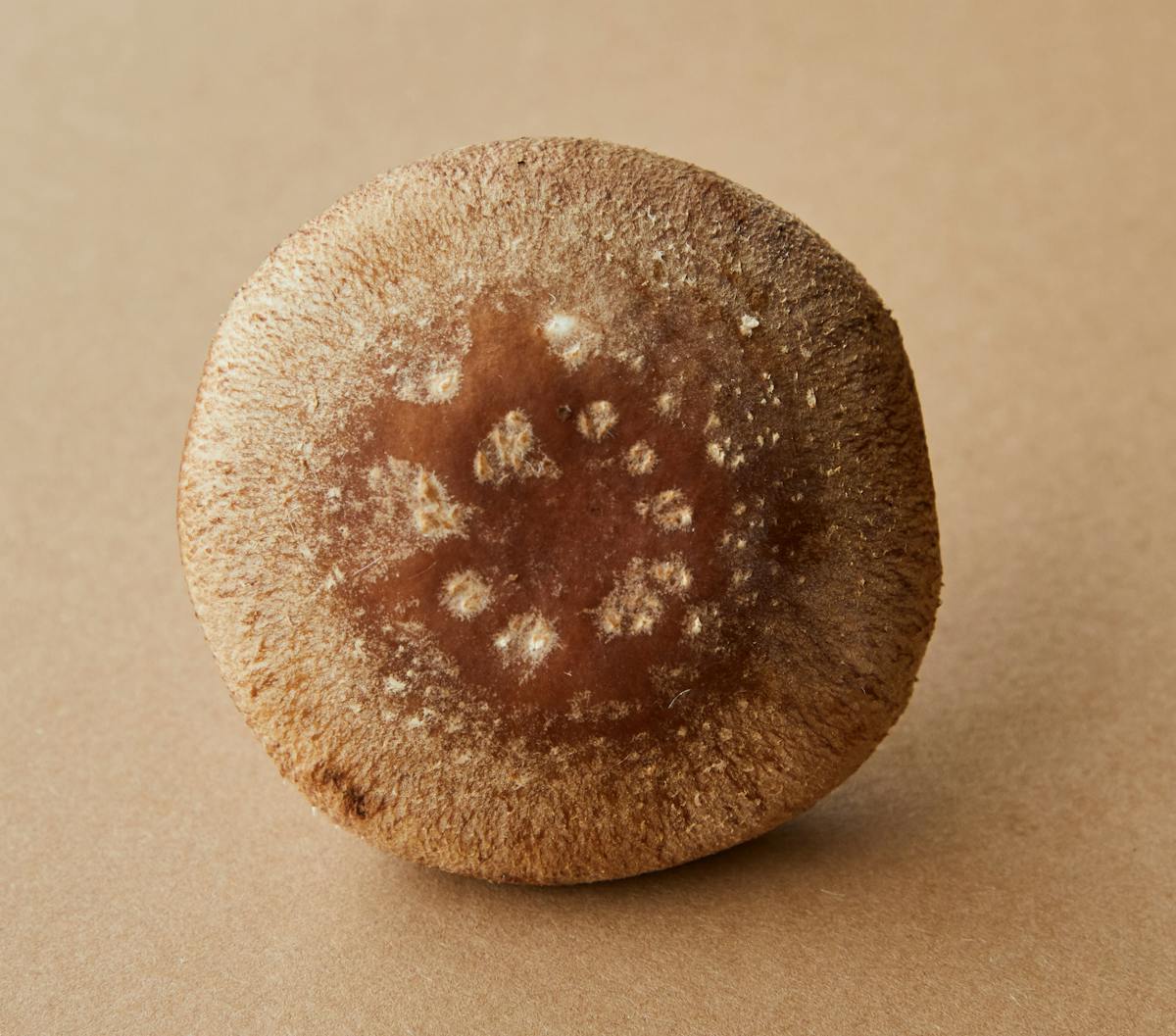
Naturally prebiotic‑rich foods include:
- Onions, garlic, leeks, and shallots
- Asparagus, Jerusalem artichokes, and chicory root
- Oats, barley, rye, and other whole grains
- Legumes (beans, lentils, chickpeas)
- Bananas, especially slightly green ones
- Resistant starch from cooled potatoes, rice, or pasta
The Skin–Gut Axis: Hype vs. Evidence
One major reason gut health 2.0 has gone viral is the promise of a clearer, calmer complexion. Beauty and wellness influencers share before‑and‑after photos claiming that adding kimchi, kombucha, and fiber—and cutting ultra‑processed snacks—transformed their skin.

Early research suggests a link between gut health, systemic inflammation, and certain skin conditions like acne, eczema, and rosacea. A healthier, more diverse gut microbiome may contribute to lower inflammation and better skin barrier function.
However:
- Not everyone will see dramatic skin changes from gut‑health tweaks alone.
- Diet is just one factor among hormones, genetics, stress, sleep, and skincare habits.
- Extreme “detox” or “gut reset” plans can backfire, leading to nutrient gaps and distress.
A balanced take: building a gut‑friendly pattern (more plants and ferments, fewer ultra‑processed foods) supports your whole body—including your skin—even if it’s not a miracle cure.
Science‑Backed Principles from Dietitians & Researchers
Registered dietitians and scientists who are active on social media often play the role of calm voices in a noisy space. Across platforms, they tend to agree on a few grounded principles:
- Diversity over perfection: Aim for 20–30 different plant foods per week (fruits, vegetables, legumes, nuts, seeds, herbs, spices, and whole grains). Variety supports a more resilient microbiome.
- Food first, supplements second: For most generally healthy people, whole‑food sources of probiotics and prebiotics are preferable to high‑dose, single‑strain supplements.
- Gentle changes: Jumping from low‑fiber to high‑fiber overnight can cause discomfort. Gradual shifts are more sustainable and kinder to your gut.
- Beware restrictive “gut reset” cleanses: Over‑eliminating foods without medical supervision can shrink microbial diversity and miss important nutrients.
A gut‑friendly pattern looks a lot like familiar, evidence‑based styles of eating, such as the Mediterranean diet: colorful plants, beans, whole grains, nuts, extra‑virgin olive oil, and traditional ferments.
A Simple Gut‑Friendly Recipe: Fermented Veggie & Kefir Power Bowl
To bring all of this to your plate, let’s build a vibrant, gut‑loving Fermented Veggie & Kefir Power Bowl. It layers whole grains, legumes, crunchy vegetables, tangy fermented foods, and a creamy kefir dressing. The result is a bowl that’s colorful, satisfying, and teeming with both probiotics and prebiotic fibers.
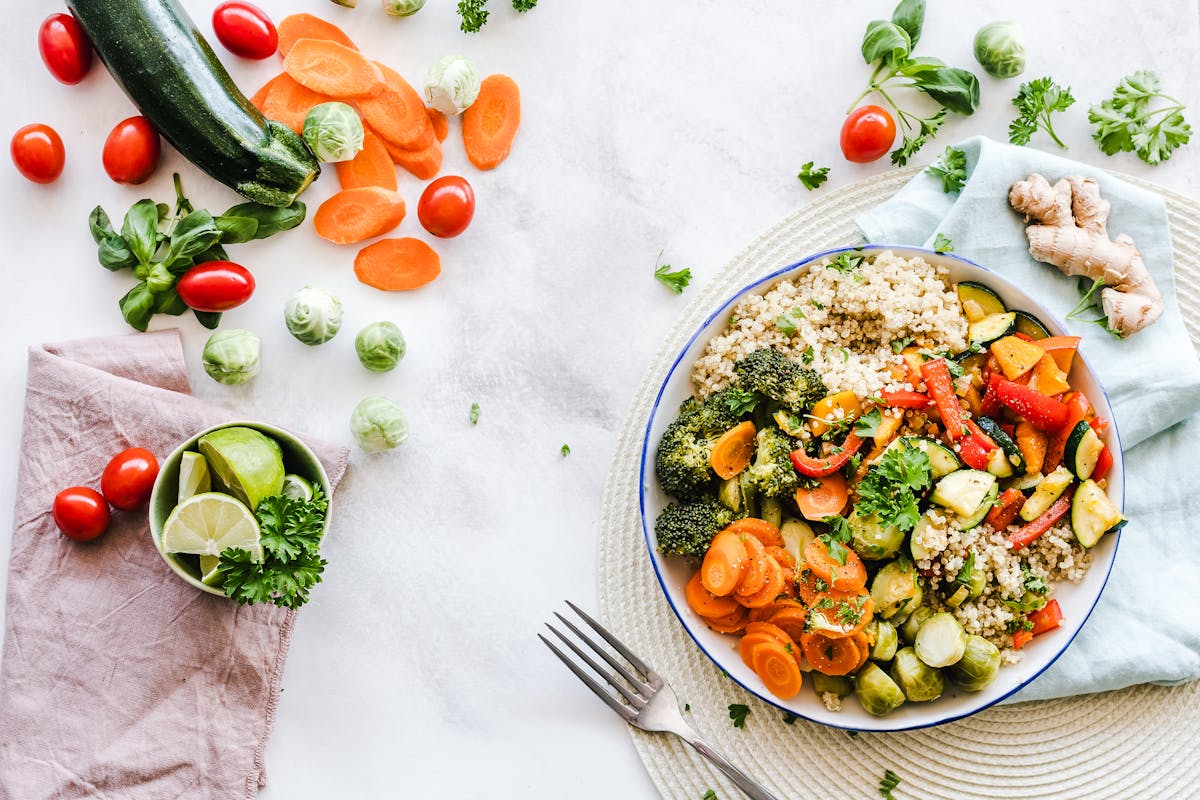
Recipe: Fermented Veggie & Kefir Power Bowl
Prep time:
Cook time:
Total time:
Servings: 2 generous bowls
Difficulty: Easy
Ingredients
For the bowls:
- 1 cup (190 g) cooked brown rice or quinoa (warm or room temperature)
- 1 cup (170 g) cooked chickpeas or lentils, rinsed and drained
- 1 cup (about 120 g) finely shredded red or green cabbage
- 1 medium carrot, julienned or grated
- 1 small cucumber, sliced or chopped
- 1/2 cup (70 g) unpasteurized sauerkraut or kimchi, drained
- 1 small avocado, sliced
- 2 tablespoons toasted pumpkin or sunflower seeds
- Fresh herbs (such as parsley, cilantro, or dill), roughly chopped
For the kefir dressing:
- 1/2 cup (120 ml) plain unsweetened kefir (dairy or plant‑based)
- 2 tablespoons extra‑virgin olive oil
- 1 tablespoon lemon juice or apple cider vinegar
- 1 teaspoon Dijon mustard
- 1 small garlic clove, finely grated (optional; reduce if sensitive)
- 1/4 teaspoon fine sea salt, plus more to taste
- Freshly ground black pepper, to taste
Instructions
- Cook your grain base (if needed).
If your rice or quinoa isn’t cooked, prepare it according to package directions. Let it cool slightly—you want it warm, not piping hot, so you don’t overheat the fermented toppings later. - Prep the vegetables.
Thinly shred the cabbage, julienne or grate the carrot, and slice the cucumber and avocado. Roughly chop your fresh herbs. Aim for a mix of colors and textures—crisp cabbage, juicy cucumber, creamy avocado. - Make the kefir dressing.
In a medium bowl, whisk together the kefir, olive oil, lemon juice or vinegar, Dijon mustard, grated garlic (if using), salt, and pepper until smooth and slightly thickened. Taste and adjust seasoning with more salt, pepper, or lemon to brighten. - Season the chickpeas or lentils.
Toss the cooked chickpeas or lentils with 1–2 tablespoons of the kefir dressing and a pinch of salt. This lets them soak up flavor and keeps the bowl juicy. - Assemble the bowls.
Divide the rice or quinoa between two bowls. Arrange chickpeas or lentils, shredded cabbage, carrot, cucumber, avocado slices, and sauerkraut or kimchi in separate “sections” on top of the grains for a vibrant, market‑style look. - Finish with crunch and herbs.
Drizzle each bowl generously with kefir dressing. Sprinkle with toasted seeds and fresh herbs. Add a final grind of black pepper or a squeeze of lemon if you like extra brightness. - Serve and enjoy.
Serve immediately so the vegetables stay crisp. As you eat, mix everything together so each bite has a little grain, bean, ferment, and creamy dressing.


Swaps, Variations & Dietary Notes
- Change up the grains: Try barley, farro, or wild rice for extra chew and prebiotic fiber (if you tolerate gluten).
- Swap the legumes: Use black beans, edamame, or white beans to keep things interesting.
- Boost the ferments: Add a spoonful of plain yogurt or extra kimchi on top for more tang and diversity.
- Spice it up: Sprinkle chili flakes or drizzle a little chili oil over the bowl, especially if your kimchi is mild.
Storage, Meal Prep & Reheating
This bowl is perfect for meal prep with a few small tweaks to keep textures fresh and microbes happy.
- Refrigeration: Store cooked grains and legumes in an airtight container for up to 3–4 days. Keep chopped raw vegetables, sauerkraut/kimchi, and kefir dressing in separate containers.
- Assembly: Assemble bowls just before eating so the cabbage stays crisp and the ferments don’t dominate the other flavors.
- Reheating: Warm the grains and legumes gently in a pan or microwave until just warm, not hot, then add the fermented toppings and dressing.
- Make‑ahead dressing: Kefir dressing keeps well in the fridge for about 3 days. Shake or whisk before using—it may separate slightly.
Serving Ideas & Complementary Gut‑Friendly Dishes
Turn your fermented veggie bowl into the centerpiece of a full “gut‑health 2.0” meal by pairing it with:
- A small cup of miso soup with seaweed and tofu for extra umami and warmth.
- A side of lightly dressed leafy greens with olive oil and lemon for added polyphenols and fiber.
- A glass of unsweetened kombucha if you enjoy its tangy fizz and tolerate carbonation.
- A fruit‑and‑nut yogurt or kefir parfait for dessert—berries, nuts, and seeds add antioxidants and crunch.

Practical Gut‑Health 2.0 Checklist
If you’d like to support your gut without overhauling your life, small, joyful tweaks beat strict protocols. You might:
- Add one fermented food you genuinely enjoy—like yogurt, kefir, kimchi, or miso—most days.
- Keep a running list of plant foods you eat and aim to reach 20–30 different ones weekly.
- Swap at least one refined snack for a fruit‑and‑nut combo or veggies with hummus.
- Cool leftover potatoes, rice, or pasta before eating to naturally boost resistant starch.
- Increase fiber slowly and drink water regularly to help your gut adjust comfortably.
Above all, think of gut health as an ongoing relationship with your body, not a 3‑day challenge. With each colorful, fiber‑rich meal—and each jar of lovingly fermented vegetables—you’re feeding an inner ecosystem that works hard for you, day and night.
