
Build-Your-Own High‑Protein Macro Bowls: Colorful Meal‑Prep Recipes That Make Weight Loss Feel Satisfying
High‑Protein, High‑Fiber Weight‑Loss Bowls (Macro Bowl Meal‑Prep Recipe)
A colorful, build‑your‑own “macro bowl” loaded with lean protein, fiber‑rich veggies, whole grains, and healthy fats—designed for satisfying weight‑loss, easy meal prep, and endless flavor variations.
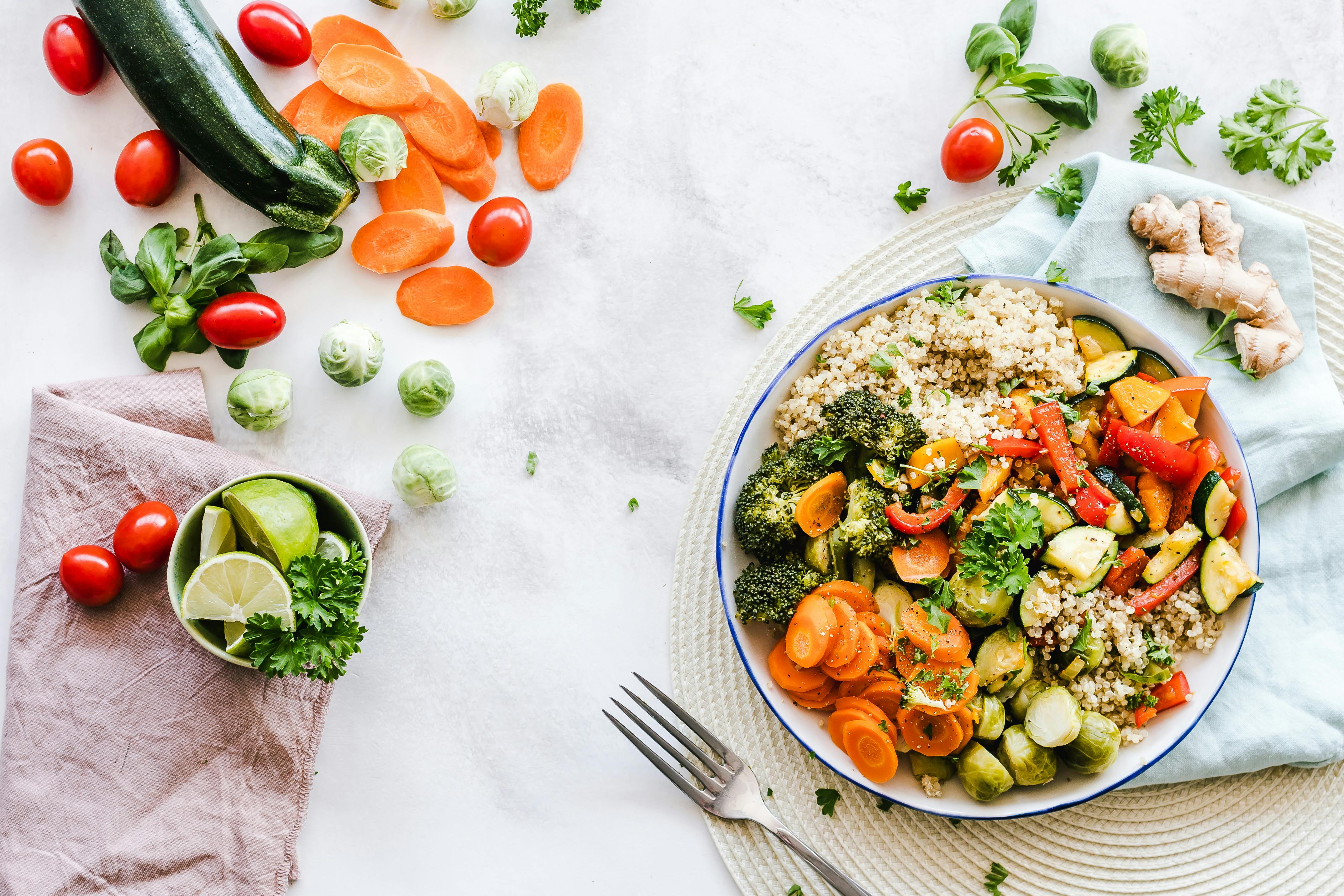
Across TikTok, YouTube, and Instagram, high‑protein, high‑fiber “weight‑loss bowls” (also called macro bowls, nourish bowls, or high‑volume bowls) are quietly replacing rigid diet plans. Instead of banning bread or counting every crumb, these bowls focus on protein, fiber, and food volume—so you feel comfortably full while still moving toward your goals.
As a cook, I love them because they’re basically a permission slip to play: layer warm grains with crisp greens, juicy veggies, lean protein, and a punchy sauce, then mix and match all week. As an eater, you get that deeply satisfying moment when you look down at a heaping bowl and think, “This is diet food?”
Recipe Overview: Chipotle‑Style High‑Protein Weight‑Loss Bowl
Prep time: 20 minutes
Cook time: 25 minutes
Total time: 45 minutes
Servings: 4 bowls
Difficulty: Easy
This bowl is inspired by your favorite burrito‑chain order: grilled chili‑lime chicken, fluffy brown rice, black beans, crunchy lettuce, roasted peppers and onions, fresh salsa, and a cool, light Greek‑yogurt “sour cream” sauce. Each serving is designed to be:
- High‑protein (about 30–35 g per bowl, depending on toppings)
- High‑fiber and high‑volume, with lots of vegetables and beans
- Balanced in carbs and fats for steady energy
- Easily adaptable to gluten‑free and high‑protein vegetarian versions
Why Macro Bowls Are Replacing Fad Diets
On social feeds, you’ll see creators building these bowls in seconds: scoop rice, add chicken, beans, veggies, drizzle sauce, then flash a macro breakdown on screen. It’s part cooking show, part nutrition lesson, and it’s resonating with people who are over rule‑heavy diets.
Think of macro bowls as a flexible template, not a diet: half veggies, a quarter lean protein, a quarter smart carbs, plus a little healthy fat and a sauce you love.
The trend centers around three pillars:
- Protein (25–40 g per meal): From chicken breast, tofu, tempeh, shrimp, eggs, Greek yogurt, cottage cheese, or legumes. Higher protein helps you stay full, supports muscle, and smooths out blood sugar swings.
- Fiber & volume eating: Piling on high‑volume, low‑energy‑density foods—leafy greens, cabbage, cucumbers, tomatoes, zucchini, berries, beans—so your bowl looks huge while calories stay reasonable.
- Balanced carbs & fats: Whole grains (brown rice, quinoa, farro), sweet potatoes, and modest healthy fats (avocado, olive oil, nuts, seeds) are framed as fuel, not villains.
Nutrition professionals are using this format to teach the plate method (½ vegetables, ¼ protein, ¼ starch) and how to reach around 100 g of protein and 25–35 g of fiber per day in a realistic way. The magic is that you can make it your bowl: extra spicy, cheesy, vegan, low‑FODMAP—you’re in charge.
Equipment You’ll Need
- Medium saucepan with lid (for rice or quinoa)
- Large skillet or grill pan (for chicken and peppers)
- Baking sheet (optional, if roasting vegetables instead of pan‑cooking)
- Mixing bowls (for marinades and sauces)
- Sharp knife and cutting board
- Measuring cups and spoons
- Meal‑prep containers or bowls for serving
Ingredients for Chipotle‑Style High‑Protein Weight‑Loss Bowls
Quantities below make 4 generous bowls. Feel free to double everything for a full week of meal prep.
For the Base (Grains & Greens)
- 1 cup (200 g) uncooked brown rice or quinoa (about 3 cups cooked)
- 4 cups (about 200 g) shredded romaine lettuce or mixed greens
For the Protein
- 1.25 lb (550 g) boneless, skinless chicken breast, cut into bite‑size pieces or strips
- 1 tbsp olive oil
- 2 tbsp lime juice (about 1 lime)
- 2 tsp chili powder
- 1 tsp ground cumin
- 1 tsp smoked paprika
- ½ tsp garlic powder
- ½ tsp onion powder
- ½ tsp salt, plus more to taste
- ¼ tsp black pepper
For the Fiber‑Rich Veg & Beans
- 1 can (15 oz / 425 g) black beans, drained and rinsed
- 1 large red bell pepper, sliced
- 1 large yellow or green bell pepper, sliced
- 1 medium red onion, thinly sliced
- 1 cup (150 g) corn kernels (fresh, frozen, or canned and drained)
- 1 cup (150 g) cherry tomatoes, halved
For the Light Greek‑Yogurt “Sour Cream” Sauce
- 1 cup (240 g) plain nonfat Greek yogurt
- 1 tbsp lime juice
- 1 tbsp water (more as needed to thin)
- ½ tsp garlic powder
- ½ tsp onion powder
- ¼ tsp salt
Fresh Toppings & Healthy Fats (Optional but Recommended)
- 1 large avocado, diced (or ½ avocado if watching fats closely)
- ¼ cup (30 g) reduced‑fat shredded cheese (cheddar or Mexican blend)
- ¼ cup (10 g) fresh cilantro, chopped
- ½ cup (120 g) fresh salsa or pico de gallo
- Lime wedges, for serving
Step‑By‑Step Visual Guide


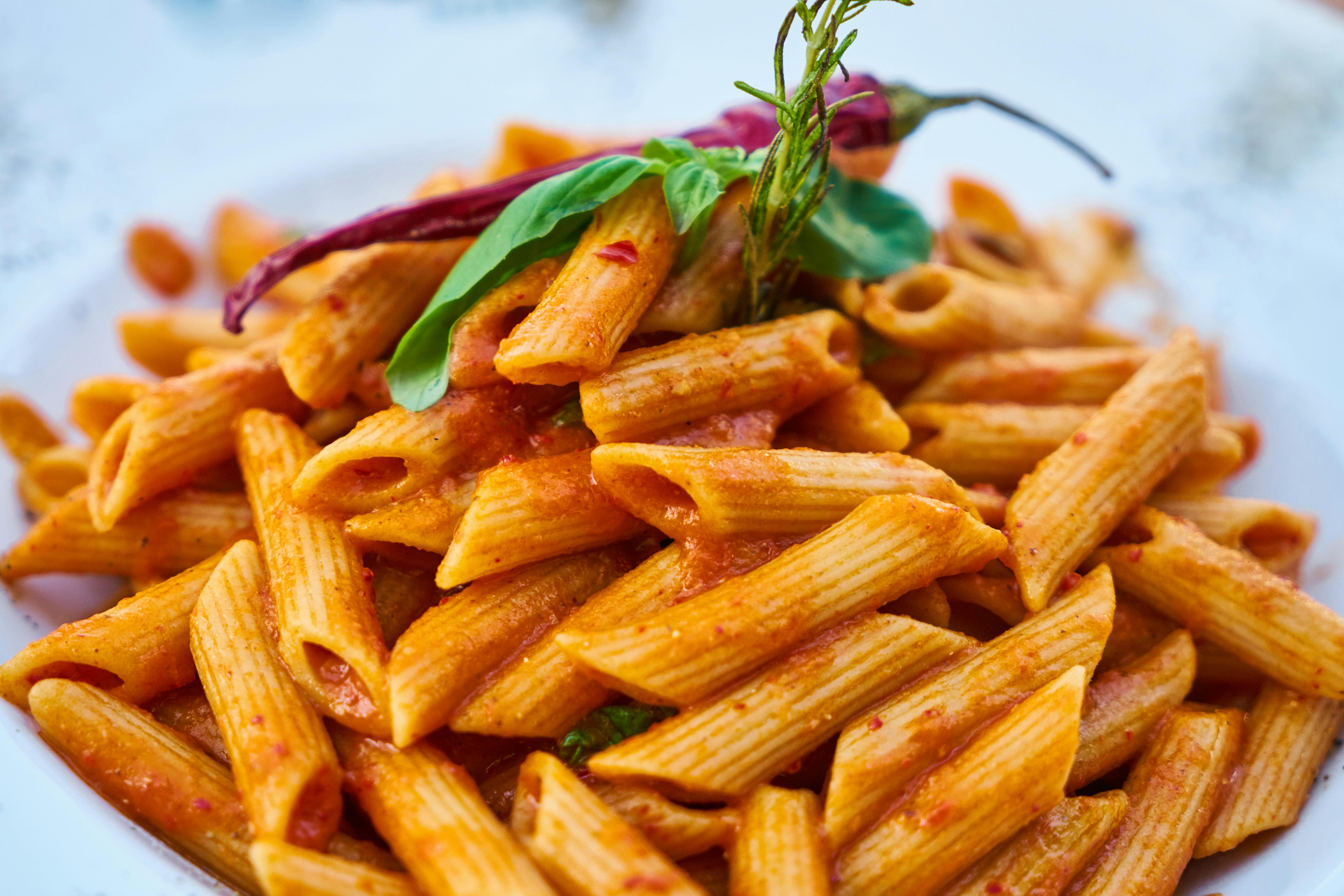
Cooking Instructions: Chipotle‑Style High‑Protein Weight‑Loss Bowl
- Cook the grains.
Rinse 1 cup brown rice or quinoa under cold water. Add to a saucepan with 2 cups water and a pinch of salt. Bring to a boil, then reduce to low, cover, and cook:
- Brown rice: 35–40 minutes, until tender
- Quinoa: 15 minutes, until the germ “spirals” out
Remove from heat and let stand, covered, for 5 minutes, then fluff with a fork.
- Marinate the chicken.
In a medium bowl, whisk together olive oil, lime juice, chili powder, cumin, smoked paprika, garlic powder, onion powder, salt, and pepper. Add chicken pieces and toss to coat. Marinate for at least 10 minutes (or up to 8 hours in the fridge).
- Cook the peppers and onions.
Heat a large skillet over medium‑high heat. Lightly coat with cooking spray or a teaspoon of oil. Add sliced bell peppers and onion, a pinch of salt, and cook 6–8 minutes, stirring occasionally, until softened and lightly charred. Transfer to a plate.
- Cook the chicken.
In the same skillet over medium‑high heat, add the marinated chicken in a single layer (cook in batches if needed). Sear 4–6 minutes, stirring occasionally, until cooked through (internal temperature 165°F / 74°C). Set aside to rest for a few minutes.
- Warm the beans and corn.
Add black beans and corn to the skillet over low heat (no need to wash it first). Stir just until warmed through, 2–3 minutes. This picks up extra flavor from the chicken spices.
- Mix the Greek‑yogurt sauce.
In a small bowl, whisk Greek yogurt, lime juice, water, garlic powder, onion powder, and salt until smooth and drizzleable. Add a splash more water if needed.
- Prep fresh veggies and toppings.
Shred the lettuce, halve the cherry tomatoes, chop cilantro, and dice the avocado (wait to cut avocado until just before serving to prevent browning if possible).
- Assemble the bowls.
For each bowl, follow a simple high‑protein, high‑fiber structure:
- ¼ of the cooked grains
- ¼ of the shredded lettuce
- ¼ of the chicken
- ¼ of the bean‑corn mixture
- ¼ of the peppers and onions
- A handful of tomatoes and a spoonful of salsa
Drizzle 2–3 tablespoons of yogurt sauce over the top. Add avocado, a sprinkle of cheese, cilantro, and a squeeze of lime to finish.
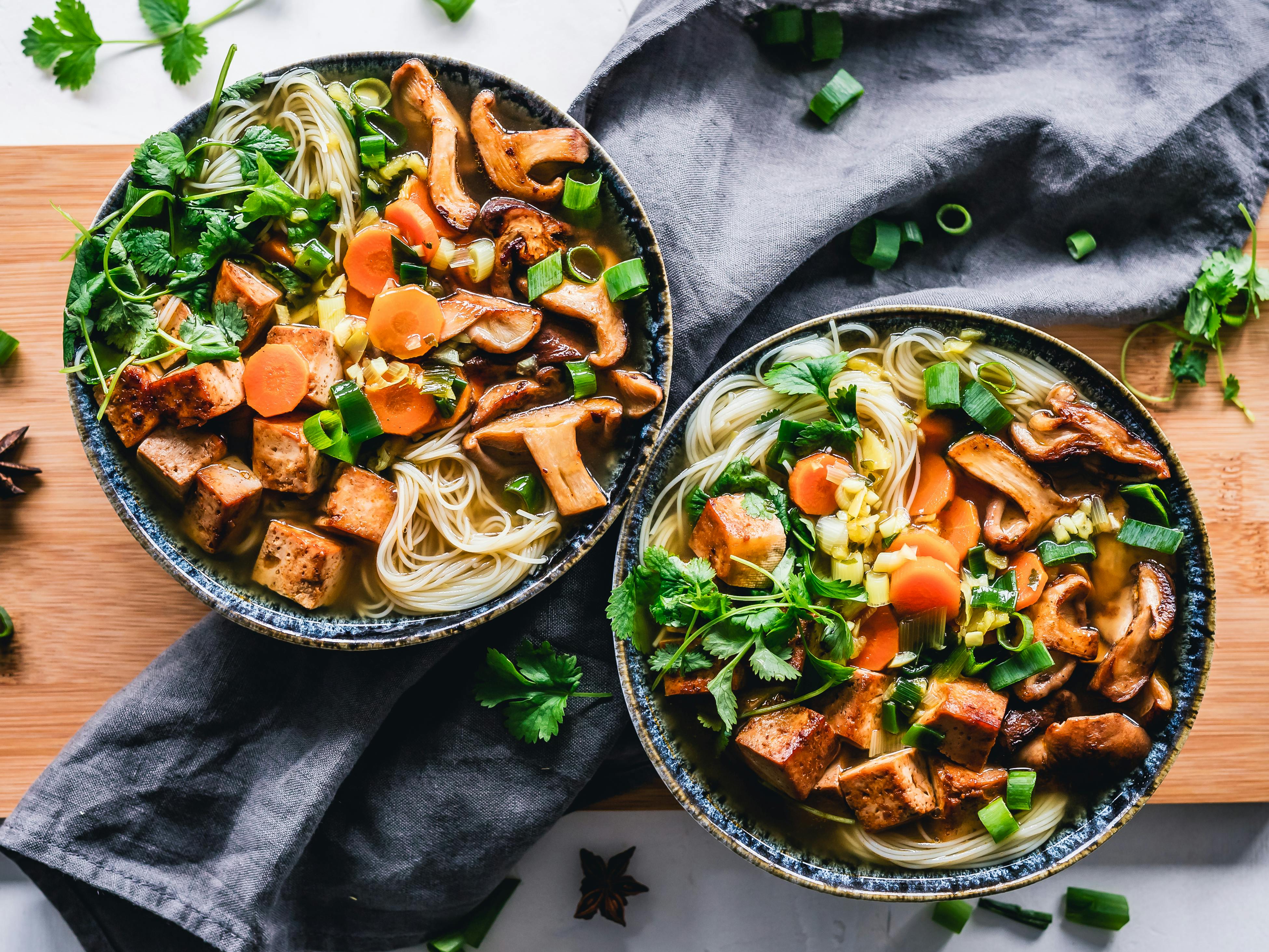
Nutrition Focus: Protein, Fiber & Volume Eating
Exact numbers will vary with your toppings, but a typical bowl built as above lands roughly around:
- Protein: ~30–35 g (chicken, Greek yogurt, beans, cheese)
- Fiber: ~10–14 g (beans, brown rice, veggies)
- Emphasis: High food volume from low‑calorie vegetables, so your bowl looks and feels generous.
This aligns with what many dietitians recommend for sustainable weight loss: higher protein and fiber to keep you full, plus enough carbs and fats to give you energy and satisfaction. Instead of a tiny, “sad” diet plate, you get a big, colorful, nutrient‑dense bowl.
Easy Variations: Mediterranean & Asian‑Inspired Macro Bowls
Once you get the hang of the chipotle‑style bowl, you can follow the same high‑protein, high‑fiber template for different flavor profiles.
Mediterranean Protein Bowl
- Protein: Grilled chicken, shrimp, or chickpeas + feta
- Carbs: Quinoa or farro
- Veggies: Cucumber, tomato, red onion, romaine, olives
- Fats: Olive oil, tahini, olives
- Sauce: Lemon‑tahini or yogurt‑garlic dressing
Asian‑Inspired High‑Protein Bowl
- Protein: Baked salmon, tofu, tempeh, or chicken
- Carbs: Brown rice or rice‑quinoa blend
- Veggies: Shredded cabbage, carrots, edamame, cucumber, scallions
- Fats: Sesame oil, avocado, sesame seeds
- Sauce: Light sesame‑ginger soy dressing (use reduced‑sodium tamari for gluten‑free)
Storage, Meal‑Prep & Reheating Tips
How to Meal‑Prep These Bowls
- Cook grains, chicken, beans, and sautéed veggies ahead of time.
- Store each component in separate airtight containers in the fridge.
- Keep lettuce, tomatoes, salsa, avocado, and yogurt sauce separate until just before eating to preserve texture.
Fridge & Freezer Storage
- Cooked chicken & grains: Up to 4 days in the fridge; grains and chicken can be frozen for 1–2 months.
- Beans & sautéed peppers/onions: 3–4 days in the fridge.
- Greek‑yogurt sauce: 3–4 days in the fridge.
- Avocado: Best cut fresh; if prepped, toss in lime juice and store up to 24 hours.
Reheating
- Reheat grains, chicken, beans, and peppers together in the microwave (1–2 minutes, stirring halfway) or in a skillet with a splash of water.
- Add cold lettuce, fresh veggies, avocado, salsa, and sauce after reheating to keep them crisp and bright.
Serving Ideas & What to Pair with Your Bowl
These high‑protein macro bowls are designed to be a complete meal on their own, but a few simple sides can round things out if you like:
- A side of fresh fruit (berries, orange slices, melon) for extra fiber and freshness
- A small cup of vegetable soup in colder months
- A sparkling water with lime or a light homemade iced tea
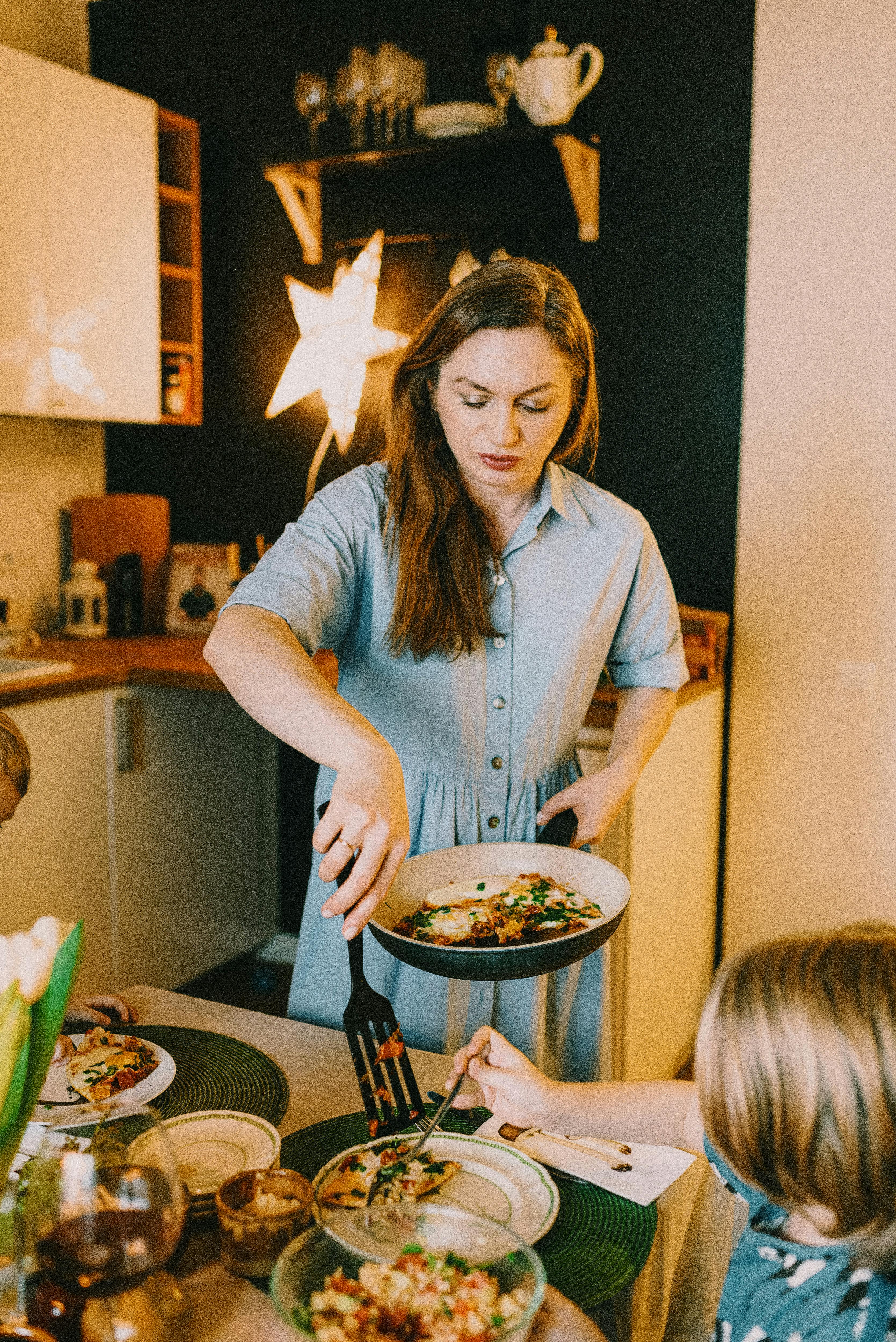
If you’re cooking for a family, set up a “bowl bar”: lay out grains, proteins, veggies, and sauces in the middle of the table and let everyone build their own. It turns macro bowls into a fun, hands‑on ritual rather than a solo “diet meal.”
Final Thoughts: Make Macro Bowls Your Own
High‑protein, high‑fiber weight‑loss bowls have taken over social media for a simple reason: they’re practical and enjoyable. You’re not swearing off carbs or eating tiny portions—you’re learning how to build a bowl that keeps you satisfied, energized, and moving toward your goals.
Start with this chipotle‑style bowl, notice how full and nourished you feel, then start to play. Swap the protein, change the grain, rotate vegetables with the seasons, and keep a couple of flavorful sauces in your fridge. Over time, you’ll have your own personal library of macro bowls that feel nothing like dieting—and everything like really good cooking.
