
Plant-Forward Flexitarian Feasts: Everyday Superfoods You Already Have in Your Pantry
Plant-forward, flexitarian eating is quietly transforming our kitchens—no expensive powders, no rigid labels, just gloriously simple food that loves you back.
Around the world, home cooks are rediscovering the power of humble pantry heroes—beans, oats, seeds, and colorful produce—and treating them as the new “everyday superfoods.” Instead of an all‑or‑nothing vegan versus meat‑eater divide, the flexitarian diet invites you into a gentler middle ground: mostly plants, thoughtfully chosen animal products, and a big focus on flavor, comfort, and sustainability.
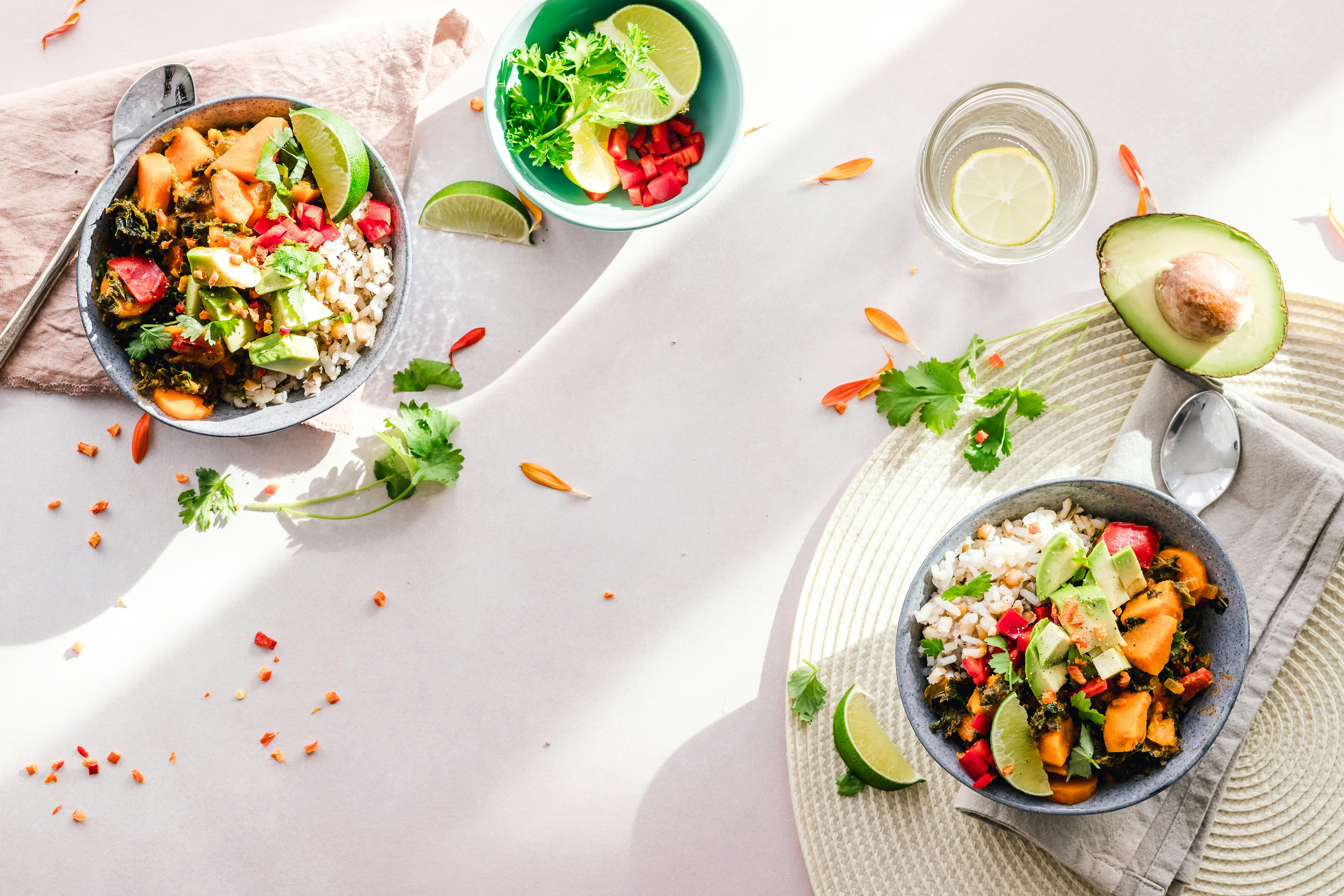
Below, you’ll find a warm, practical guide to this trend and a cozy flexitarian recipe that shows it all in action: a hearty Everyday Superfood Lentil & Roasted Vegetable Flexitarian Bowl. It’s packed with legumes, whole grains, seeds, and optional yogurt or feta for those who enjoy a little dairy.
Plant‑Forward Flexitarian Eating & the Rise of Everyday Superfoods
Flexitarian eating has matured into a mainstream pattern that prioritizes plants without demanding perfection. You might enjoy a chickpea stew on Monday, a tofu stir‑fry on Tuesday, and grilled salmon or eggs later in the week—still very much in the plant‑rich lane.
Think of it as “more plants, less pressure”: a direction, not a strict diet.
Online, creators increasingly highlight how affordable staples outperform ultra‑processed snacks in both nutrition and staying power. Side‑by‑side comparisons of cost per serving, grams of protein, and fiber help people see that true “superfoods” often live in the basic pantry aisle—lentils instead of pricey powders, oats instead of sugary breakfast bars.
Everyday Superfoods You Already Own
You don’t need an exotic shopping list to eat like a nutritionist. The flexitarian pantry leans on a few powerful categories:
- Legumes: Lentils, chickpeas, and black beans bring satisfying protein, slow‑burning carbohydrates, and plenty of fiber for gut health.
- Whole grains: Oats, quinoa, barley, and brown rice provide steady energy, B vitamins, and a lovely chewy texture in bowls and salads.
- Nuts & seeds: Chia, flax, hemp, walnuts, and almonds deliver heart‑healthy fats, plant‑based omega‑3s, and crunch.
- Colorful produce: Leafy greens, berries, broccoli, sweet potatoes, and carrots add antioxidants, carotenoids, and vibrant color to the plate.
Content creators frequently contrast these with ultra‑processed snacks and convenience foods, revealing how clearly the “everyday” options win on both value and nutrition.

Flexitarianism: A Sustainable Middle Ground
Many people want to eat in a way that’s gentle on the planet and animals but still works with family habits, cultural traditions, and social life. Flexitarian patterns—like Meatless Monday or being “weekday vegetarian, weekend omnivore”—offer that balance.
This has inspired a wave of plant‑rich recipes:
- High‑protein lentil and bean stews that feel as hearty as any chili.
- Tofu and tempeh stir‑fries scented with garlic, ginger, and soy.
- Grain bowls with roasted vegetables, creamy hummus, and crunchy seeds.
- Smoothies built on plant milks, nuts, and fruit with optional yogurt.
At the same time, a flexitarian plate might still feature grilled fish, soft‑boiled eggs, or a spoonful of Greek yogurt—especially in homes where not everyone wants to be fully plant‑based.

Key Flexitarian Nutrients: Protein, Iron, B12, and Omega‑3s
As plant‑forward eating spreads, dietitians increasingly highlight the nutrients that deserve a little extra attention. The good news: with some planning, a flexitarian kitchen handles them beautifully.
- Protein: Combining legumes (like lentils and beans) with whole grains (such as brown rice or quinoa) easily meets daily needs.
- Iron & zinc: Beans, lentils, pumpkin seeds, and fortified foods provide these minerals; pairing them with vitamin‑C‑rich foods (like bell peppers or citrus) can boost absorption.
- Vitamin B12: For mostly or fully plant‑based eaters, fortified plant milks, nutritional yeast, or a supplement help fill the gap.
- Omega‑3 fats: Flax, chia, hemp, walnuts, and algae‑based supplements offer plant‑powered omega‑3s without fish.
On social media, infographics and shopping lists make all of this feel doable: “here’s what a week of plant‑forward, fully nourished meals actually looks like.”
Moving Beyond Ultra‑Processed Plant Foods
Early waves of plant‑based enthusiasm leaned heavily on meat analogues and vegan fast food—fun, but not always aligned with whole‑food eating. The current trend corrects course by celebrating minimally processed ingredients over hyper‑processed substitutes.
Instead of centering every meal on faux burgers or nuggets, many flexitarians now build plates around:
- Slow‑cooked beans scented with onions, garlic, and spices.
- Sheets of roasted vegetables caramelized at the edges.
- Whole grains cooked in flavorful broths or with herbs.
- Simple sauces: tahini‑lemon, yogurt‑herb, or olive oil and citrus.
Processed plant foods can still play a role—especially for convenience—but they’re no longer the star of the show.
How Pop Culture Made Flexitarian Eating Feel Normal
Celebrities, athletes, and wellness influencers now talk openly about being “mostly plant‑based” rather than strictly vegan. Podcasts, cookbooks, and YouTube channels showcase:
- Mediterranean‑style dishes brimming with olive oil, beans, and greens.
- Asian‑inspired tofu stir‑fries, noodle bowls, and veggie‑rich curries.
- Latin American‑inspired rice, beans, and salsa combinations.
This has helped flexitarianism feel less like a niche identity and more like a normal, relaxed way to eat—one that can adapt to different cultures, seasons, and budgets.
Everyday Superfood Lentil & Roasted Vegetable Flexitarian Bowl
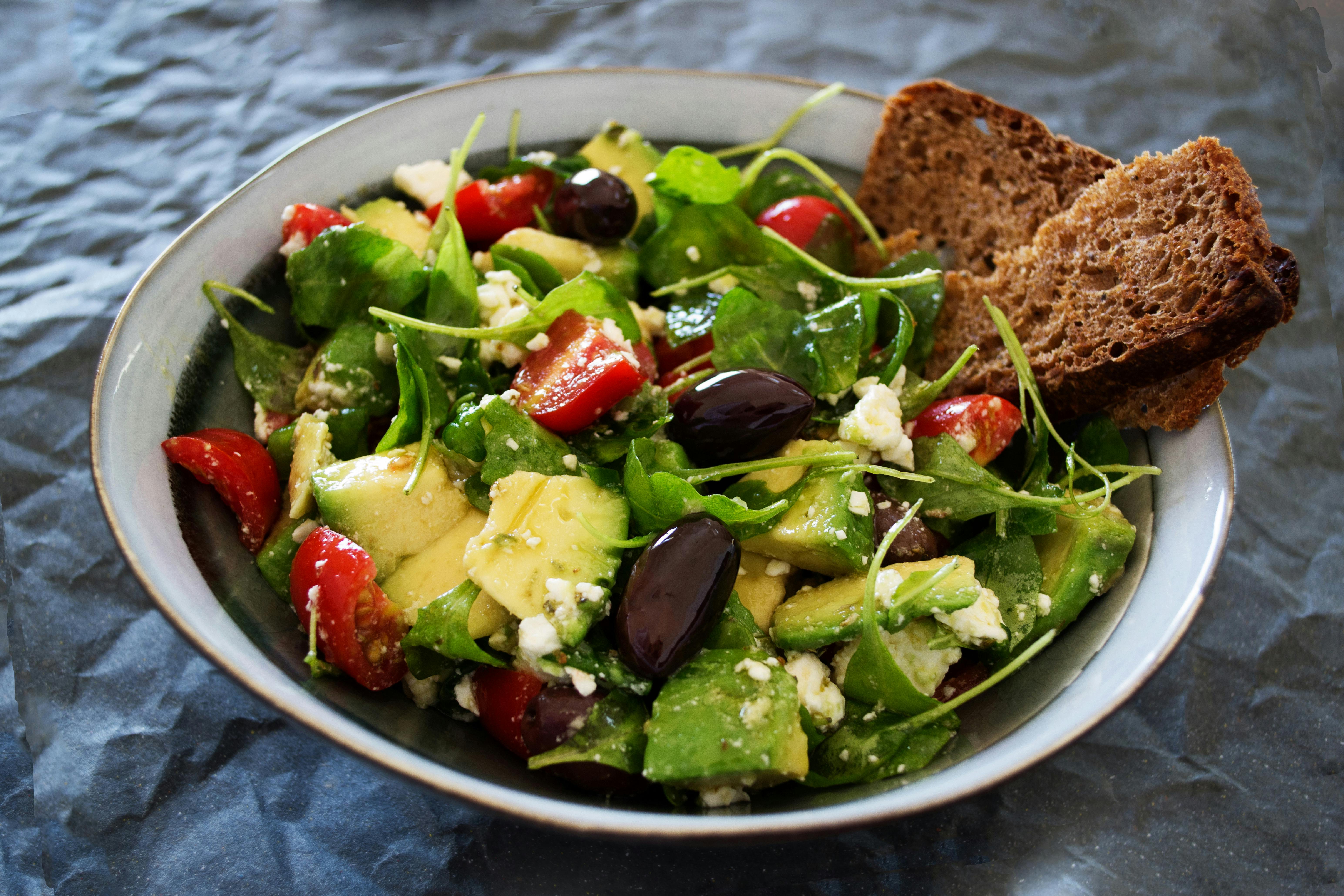
This cozy grain bowl layers garlicky lentils, nutty quinoa, caramelized roasted vegetables, and a sprinkle of seeds into one complete plant‑forward meal. Add a spoonful of Greek yogurt or crumbled feta if you enjoy dairy, or keep it fully plant‑based with a lemon‑tahini drizzle. It’s hearty enough for meat‑eaters and gentle enough for weeknight cooking.
Ingredients
For the lentils
- 1 cup (200 g) dry green or brown lentils, rinsed
- 3 cups (720 ml) water or low‑sodium vegetable broth
- 2 cloves garlic, lightly crushed
- 1 small bay leaf (optional)
- 1/2 tsp fine sea salt, plus more to taste
For the grains
- 3/4 cup (135 g) dry quinoa or brown rice, rinsed
- 1 1/2 cups (360 ml) water or broth
- Pinch of salt
For the roasted vegetables
- 1 medium sweet potato, peeled and cubed (about 2 cups)
- 1 small broccoli crown, cut into florets
- 1 red bell pepper, sliced
- 2 tbsp olive oil
- 1 tsp smoked paprika (or sweet paprika)
- 1/2 tsp ground cumin
- Freshly ground black pepper and salt, to taste
For the lemon‑tahini (vegan) or yogurt sauce
- 3 tbsp tahini or plain Greek yogurt
- 2–3 tbsp warm water (to thin)
- Juice of 1/2 lemon
- 1 small clove garlic, finely grated or minced
- Pinch of salt
Toppings & finishing touches
- 2 tbsp pumpkin seeds (pepitas)
- 2 tbsp sunflower seeds or chopped walnuts
- 2 handfuls baby spinach or mixed salad greens
- 2–4 tbsp crumbled feta (optional, for flexitarian version)
- Lemon wedges, for serving
Equipment
- Medium saucepan with lid (for lentils)
- Small saucepan with lid (for grains)
- Large baking sheet
- Mixing bowl for vegetables
- Small bowl for sauce
- Sharp knife and cutting board
Step‑by‑Step Instructions
- Start the lentils.
In a medium saucepan, combine the lentils, water or broth, garlic, bay leaf (if using), and salt. Bring to a boil over medium‑high heat, then reduce to a gentle simmer. Cook uncovered for 20–25 minutes, until the lentils are tender but not mushy. Drain any excess liquid, remove the garlic and bay leaf, and taste for seasoning.

Lentils should be tender yet hold their shape—a perfect base for flexitarian bowls. - Cook the grains.
While the lentils simmer, add the quinoa or brown rice, water or broth, and a pinch of salt to a small saucepan. Bring to a boil, then cover and reduce heat to low. Cook according to package directions (about 15 minutes for quinoa, 30 minutes for brown rice) until the grains are fluffy and the liquid is absorbed. Fluff with a fork.
- Roast the vegetables.
Preheat your oven to 425°F (220°C). In a mixing bowl, toss the sweet potato, broccoli, and red bell pepper with olive oil, smoked paprika, cumin, salt, and black pepper. Spread in a single layer on a large baking sheet.
Roast for 20–25 minutes, stirring once halfway, until the sweet potatoes are tender and the edges of the vegetables are caramelized and golden.

High‑heat roasting unlocks deep sweetness and smoky edges—no fancy ingredients required. - Make the sauce.
In a small bowl, whisk together the tahini or Greek yogurt, lemon juice, garlic, and a pinch of salt. Add warm water, 1 tablespoon at a time, until the sauce is smooth and pourable. Taste and adjust lemon or salt as needed—the flavor should be bright and tangy.
- Warm the seeds.
In a dry skillet over medium heat, toast the pumpkin seeds and sunflower seeds (or walnuts) for 2–3 minutes, stirring frequently, until fragrant and lightly golden. Immediately transfer to a small plate to cool so they don’t burn.
- Assemble your bowls.
Divide the baby spinach or salad greens among 4 bowls. Spoon the grains on top, followed by a generous scoop of lentils and a tumble of roasted vegetables.
Drizzle each bowl with the lemon‑tahini or yogurt sauce, then sprinkle with the toasted seeds. If using, add crumbled feta and a final squeeze of lemon.
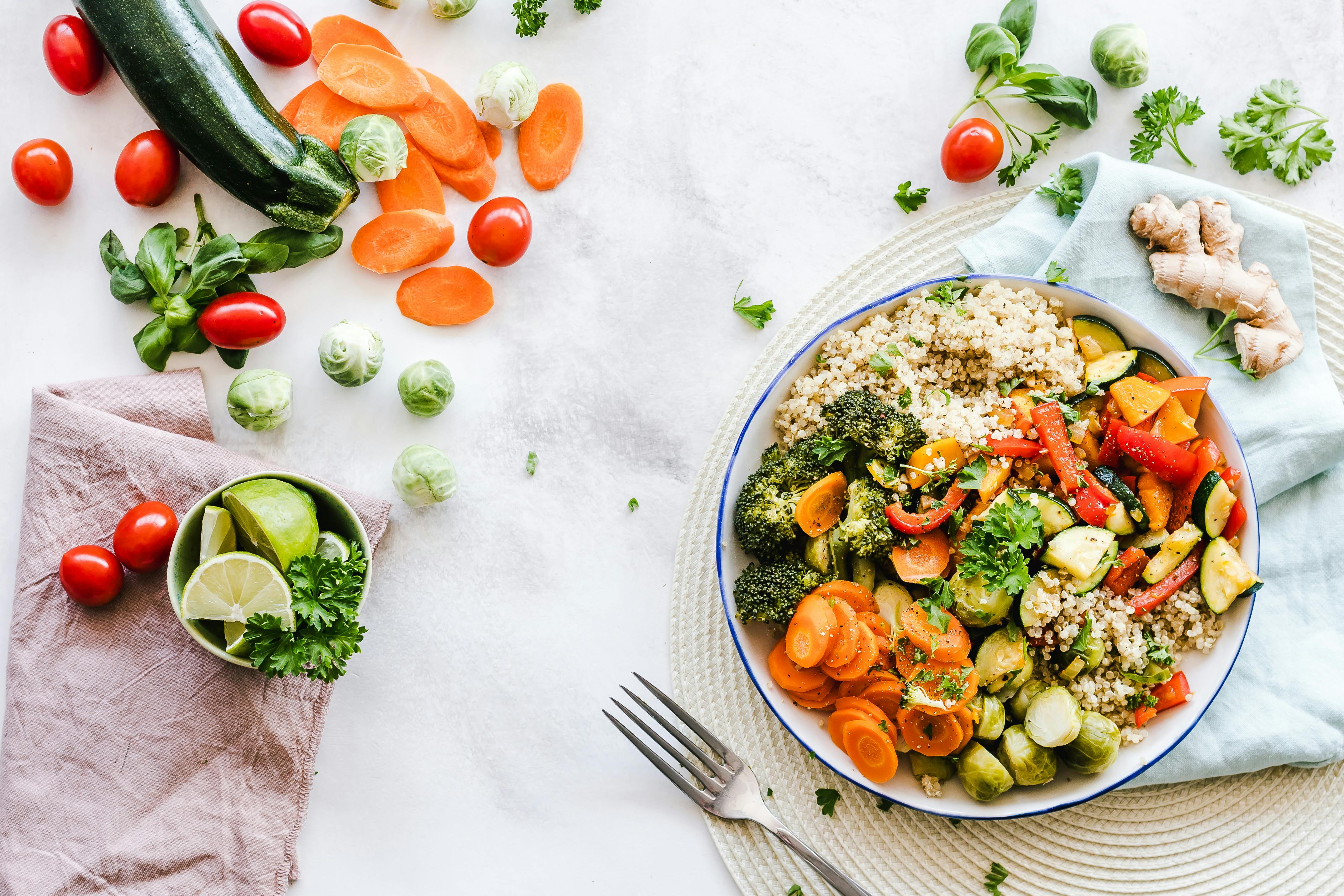
A finished flexitarian bowl: creamy sauce, crunchy seeds, and layers of plant‑based goodness. - Serve and enjoy.
Serve the bowls warm, with extra lemon wedges and a small dish of seeds on the side for topping. Listen for that quiet table moment when everyone takes their first bite—that’s your cue you’ve nailed it.
Storage, Reheating & Serving Ideas
Storage
- Fridge: Store lentils, grains, roasted vegetables, and sauce in separate airtight containers for up to 4 days.
- Freezer: Cooked lentils and grains freeze well for up to 2 months; defrost overnight in the fridge. Roasted vegetables are best fresh but can be frozen for soups and stews.
Reheating
- Reheat lentils and grains together in a skillet with a splash of water or broth until warmed through.
- Re‑crisp roasted vegetables in a 375°F (190°C) oven or toaster oven for 5–8 minutes.
- Keep the sauce chilled and spoon it over just before serving.
Serving & Pairing Suggestions
These bowls make a complete meal, but you can round them out with:
- A simple green salad with olive oil and lemon.
- A side of roasted carrots or beets for extra color.
- Whole‑grain flatbread or warm pita for scooping.
Once you’re comfortable with the formula—grain + legume + roasted veg + sauce + crunch—you can riff endlessly with seasonal produce and your favorite spices.
Flexitarian Eating: Progress, Not Perfection
Plant‑forward, flexitarian eating is less about flawless adherence and more about small, sustainable shifts: one more bean‑based dinner this week, an extra handful of greens in your lunch, swapping a processed snack for a bowl of oats or yogurt and seeds.
Your pantry is already full of everyday superfoods; this recipe is just one delicious way to let them shine. Start where you are, use what you have, and let flavor lead the way—the rest of the benefits, from health to sustainability, will quietly follow.
