Ozempic, Wegovy & the New ‘Skinny Jab’ Era: How GLP‑1 Weight-Loss Drugs Are Rewriting Diet Culture
Ozempic, Wegovy & the New Wave of ‘Skinny Jab’ Diet Culture
How GLP‑1 weight‑loss drugs are transforming diet culture, celebrity bodies, and the way we think about food, movement, and long‑term health.

GLP‑1 weight‑loss drugs such as Ozempic, Wegovy, Mounjaro, and Zepbound are changing the conversation around dieting—away from crash cleanses and “willpower” and toward medicalized weight management. At the same time, they’re intensifying debates about body image, access, and what a nourishing way of eating looks like when your appetite is dramatically reduced.
What Are GLP‑1 Weight‑Loss Drugs, Actually?
GLP‑1 agonists were originally developed to support people living with type 2 diabetes. These medications mimic hormones that:
- Help regulate blood sugar
- Slow gastric emptying (food leaves the stomach more slowly)
- Act on appetite centers in the brain, helping you feel full sooner and for longer
Wegovy is a higher‑dose version of semaglutide (the drug in Ozempic) specifically approved for obesity and overweight with certain health conditions. Mounjaro and Zepbound use tirzepatide, which targets both GLP‑1 and GIP, another hormone involved in blood sugar and appetite.
Celebrity Bodies, “Ozempic Face,” and the Pressure to Shrink

Rumors of Ozempic and Wegovy use swirl around Hollywood red carpets, music award shows, and even tech conferences. “Ozempic body” and “Ozempic face” have become viral phrases, shorthand for rapid fat loss that can sometimes leave faces looking more gaunt or “deflated.”
Constant side‑by‑side photos, “before and after” breakdowns, and speculative TikToks send a loud message: if celebrities are turning to injections, standard diet rules feel obsolete—and the pressure to be thin is as intense as ever.
In this new era, discipline is no longer just about salads and spin classes—it’s framed as having the right prescription and access.
Some stars openly discuss medication, but many still credit “clean eating” and workouts alone. This can make people at home feel like they’re failing, when in reality, they’re comparing themselves to bodies shaped by powerful pharmaceuticals and top‑tier medical care.
Search Spikes, Podcasts, and the New Obsession with Ozempic Diets
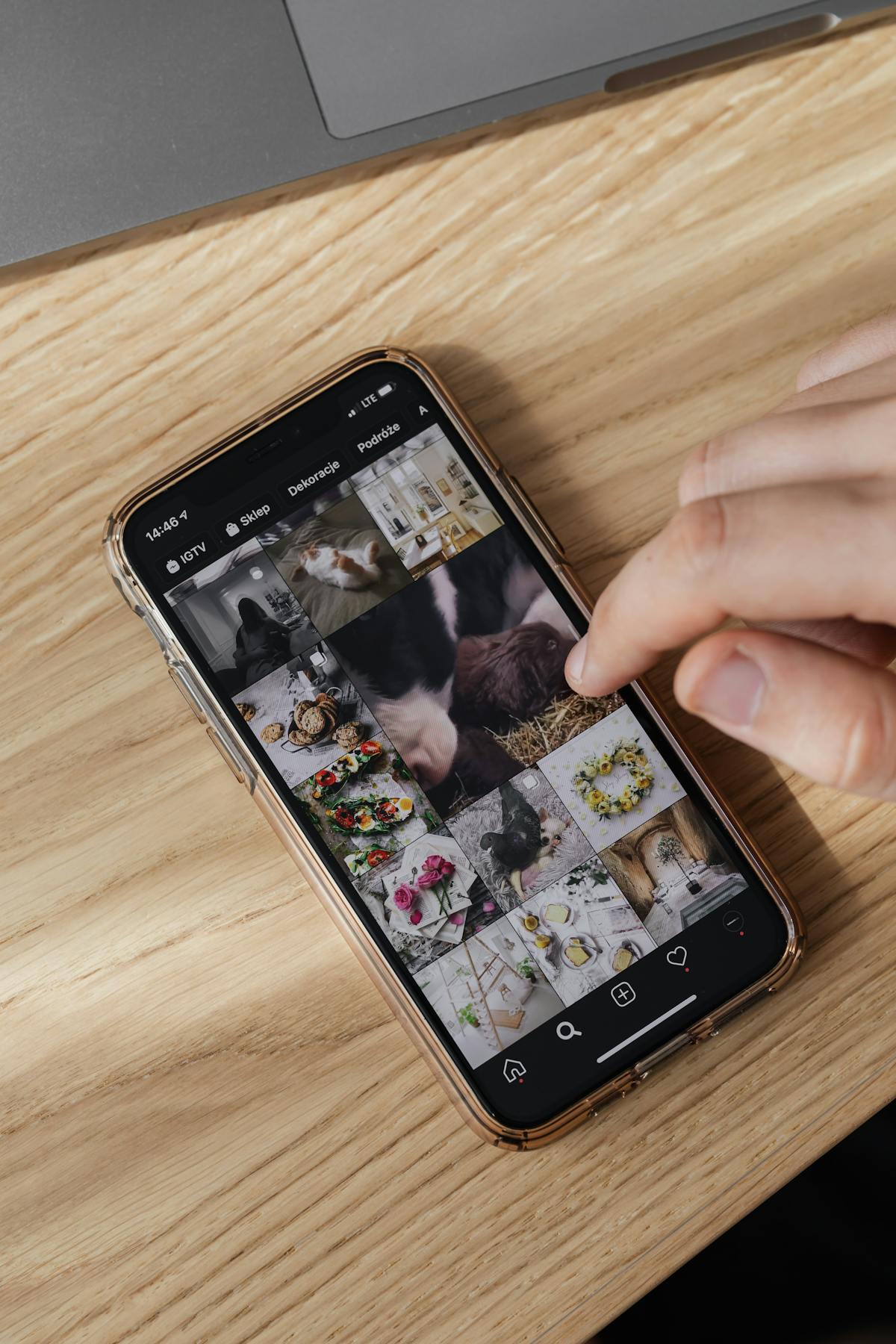
Interest in GLP‑1 drugs has exploded across search and social platforms. People search for phrases like:
- “Ozempic for weight loss”
- “Wegovy diet plan”
- “How to eat on Ozempic”
- “Ozempic meal plan high protein”
News outlets, YouTube channels, and health podcasts unpack everything from cost and access to side effects such as nausea, GI distress, and the risk of losing muscle along with fat. Episodes on Spotify and Apple Podcasts dive into:
- Who gets these drugs approved by insurance
- Ethical concerns when diabetes patients face shortages
- What happens when you stop taking them
The conversation has moved far beyond “what’s the best diet?” to “what does ethical, sustainable weight care look like in the age of GLP‑1s?”
From “Just Diet” to “Drug + Diet”: How Eating Patterns Are Shifting
On GLP‑1 medications, many people feel full quickly and sometimes even disinterested in food. That can sound appealing if you’ve struggled with cravings, but it brings new challenges:
- It’s easier to undereat protein and lose muscle mass.
- Skipping meals can mean missing key nutrients.
- Rapid weight loss may increase the risk of sarcopenia (loss of muscle) over time.
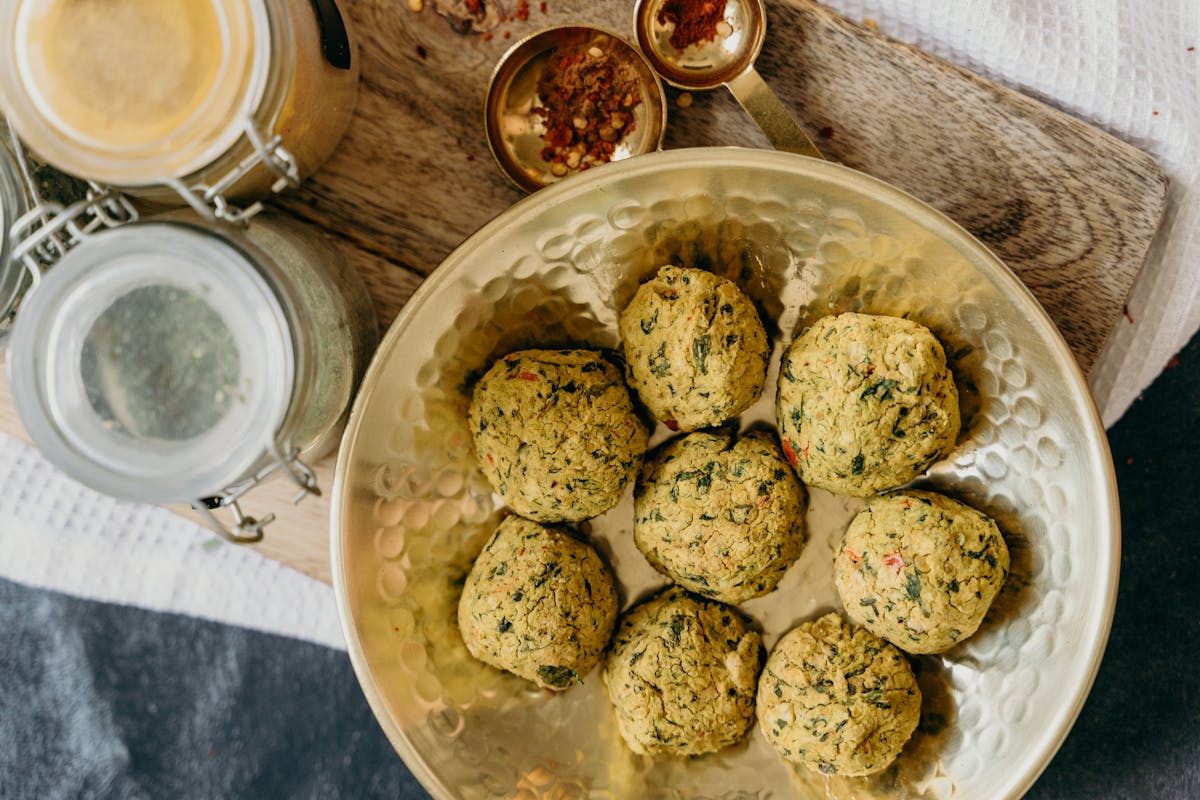
As a food lover, this doesn’t have to mean joyless eating. It’s about curating smaller, richer experiences: a few bites of perfectly seasoned salmon, a spoonful of creamy bean purée, a bright salad that wakes up your palate with herbs, acid, and crunch.
Gentle, GLP‑1‑Friendly Eating: Simple Meal Ideas for Tiny Appetites
When your hunger is low, cooking can feel intimidating—why bother, if you only want a few bites? This is where thoughtful, high‑protein, high‑pleasure cooking shines. Below are easy ideas that respect a small appetite while still nourishing your body.
1. Soft & Savory: Protein‑Rich Breakfast Bowl
Imagine a warm bowl of softly scrambled eggs or silken tofu, gently cooked in olive oil until custardy, then topped with a spoonful of creamy Greek yogurt and a sprinkle of chives. Every bite is tender, mild, and comforting—perfect if you’re queasy.
- Base: 2 eggs or 100–150 g firm tofu
- Add‑ins: 1–2 tbsp Greek yogurt or cottage cheese
- Flavor: chopped herbs, pinch of salt, drizzle of olive oil
2. Hand‑Sized Lunch: Protein + Crunch Plate
Think of this like a grown‑up snack board: slices of grilled chicken or baked tofu, a few whole‑grain crackers, cherry tomatoes, cucumber rounds, and a small pot of hummus. Light, colorful, and easy to nibble at your own pace.
3. Gentle Evening Soup
A simple lentil or chicken‑vegetable soup gives you warmth and hydration without heaviness. Purée part of the soup if solid textures feel challenging. The aroma of simmered garlic, thyme, and vegetables can tempt your appetite without overwhelming it.
Backlash, Shortages, and the Ethics of a “Skinny Jab” Culture

The rapid rise of GLP‑1 weight‑loss injections hasn’t been smooth. Critics raise several concerns:
- Access & equity: High prices and limited insurance coverage mean many people can’t afford these drugs.
- Shortages: In some regions, strong demand for weight loss has contributed to supply issues for people using these medications to manage diabetes.
- Body image: Framing injections as a casual beauty tool can deepen thin‑ideal pressures and stigma toward larger bodies.
- Transparency: When celebrities present medication‑assisted loss as pure “discipline,” it distorts what’s realistic for most people.
Body‑positivity and fat‑acceptance advocates argue that celebrating GLP‑1 drugs as miracle “skinny jabs” risks reinforcing the idea that thinner is always better—while overlooking mental health, culture, and the simple joy of eating.
A truly healthy culture would allow people to pursue medical treatment without shame—and also to opt out of weight‑loss pressure entirely.
What Happens After Ozempic? Maintenance, Regain, and Realistic Expectations
Early data and real‑world reports suggest that many people regain some or all of the weight they lost when they stop GLP‑1 therapy. That’s not a personal failure—it’s biology. Appetite returns, energy balance shifts, and the body often works to restore its previous weight.
This has led to a new wave of content: post‑Ozempic meal plans, high‑protein diets, and metabolic health strategies that emphasize:
- Strength training to maintain or build muscle
- Protein‑forward, fiber‑rich meals to support satiety
- Regular movement (walking, resistance exercise, joyful activities)
- Gentle mindset work to reduce all‑or‑nothing thinking about food
Building a Nourishing Relationship with Food on (or off) GLP‑1s
Food doesn’t stop mattering when you start a medication. In many ways, it becomes more important, because every bite carries extra weight nutritionally and emotionally. You may need less volume, but your body still craves:
- Protein for muscles, hormones, and healing
- Healthy fats for your brain and cell membranes
- Fiber and micronutrients from plants for digestion and long‑term health
- Pleasure, to keep eating from becoming a chore
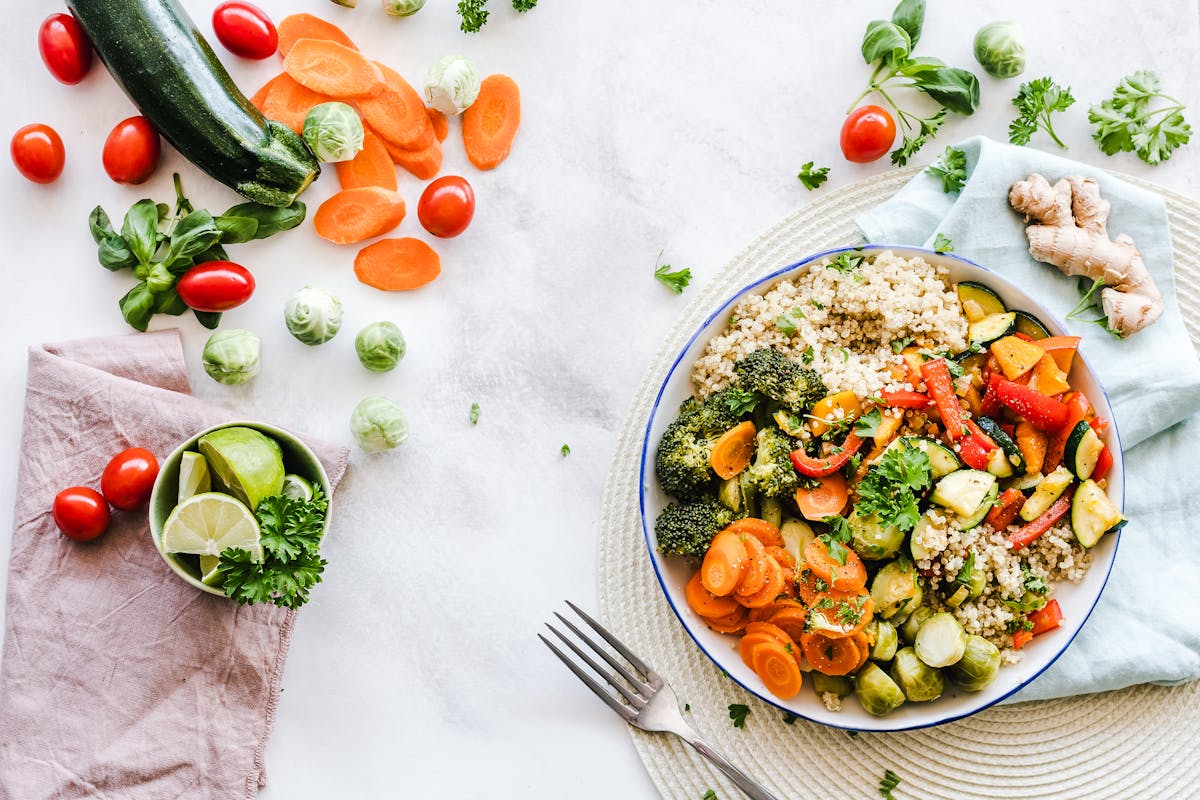
Think of your plate as a curated tasting menu: fewer dishes, but deeply satisfying ones. A perfectly ripe tomato with flaky salt, a spoonful of garlicky white beans, a crisp lettuce leaf wrapped around a slice of grilled fish. Small, beautiful things that make you feel cared for—not punished.
Safety, Side Effects, and When to Ask for Help
GLP‑1 drugs can cause side effects, especially when doses increase. Common issues include:
- Nausea and vomiting
- Diarrhea or constipation
- Abdominal pain or bloating
- Rare but serious complications that require prompt medical attention
Beyond the Hype: Choosing What Feels Right for You
GLP‑1 medications like Ozempic, Wegovy, Mounjaro, and Zepbound are reshaping diet culture—from quick‑fix detox teas to a world where powerful drugs influence appetite and body shape. They offer real benefits for some people’s health, and they also raise hard questions about equity, identity, and what we value in our bodies.
Wherever you sit in this conversation—curious, skeptical, currently using a GLP‑1, or choosing not to—your relationship with food still matters deeply. You deserve meals that:
- Nourish your body
- Fit your medical needs
- Respect your culture and preferences
- Bring you some measure of comfort and joy
In a culture chasing the next “skinny jab,” slowing down to savor a well‑seasoned bowl of soup or a crisp, fresh salad can be a quiet act of resistance—and a powerful way to stay grounded in your own values.