
How Extreme Weather and Climate Tipping Points Could Reshape Life on Earth
Record‑breaking heatwaves, megafires, flash droughts, and unprecedented floods are no longer rare anomalies—they are emerging as the new normal in a warming world. At the same time, scientists are warning that critical parts of the Earth system, from ice sheets to rainforests and ocean currents, may be approaching tipping points: thresholds beyond which changes become abrupt, self‑reinforcing, and effectively irreversible on human timescales. These shifts can trigger far‑reaching ecological cascades, disrupting food webs, water resources, and human infrastructure.
This article synthesizes the latest understanding (through early 2026) from meteorology, climatology, and ecology on three interconnected themes:
- How extreme weather is changing in frequency and intensity.
- What climate tipping points are, and why they matter.
- How ecological cascades propagate impacts across species, landscapes, and societies.
We will also explore how scientists attribute specific events to human‑caused warming, the role of compound extremes, and the growing ecosystem of open data, visualization tools, and adaptation technologies that help communities respond.
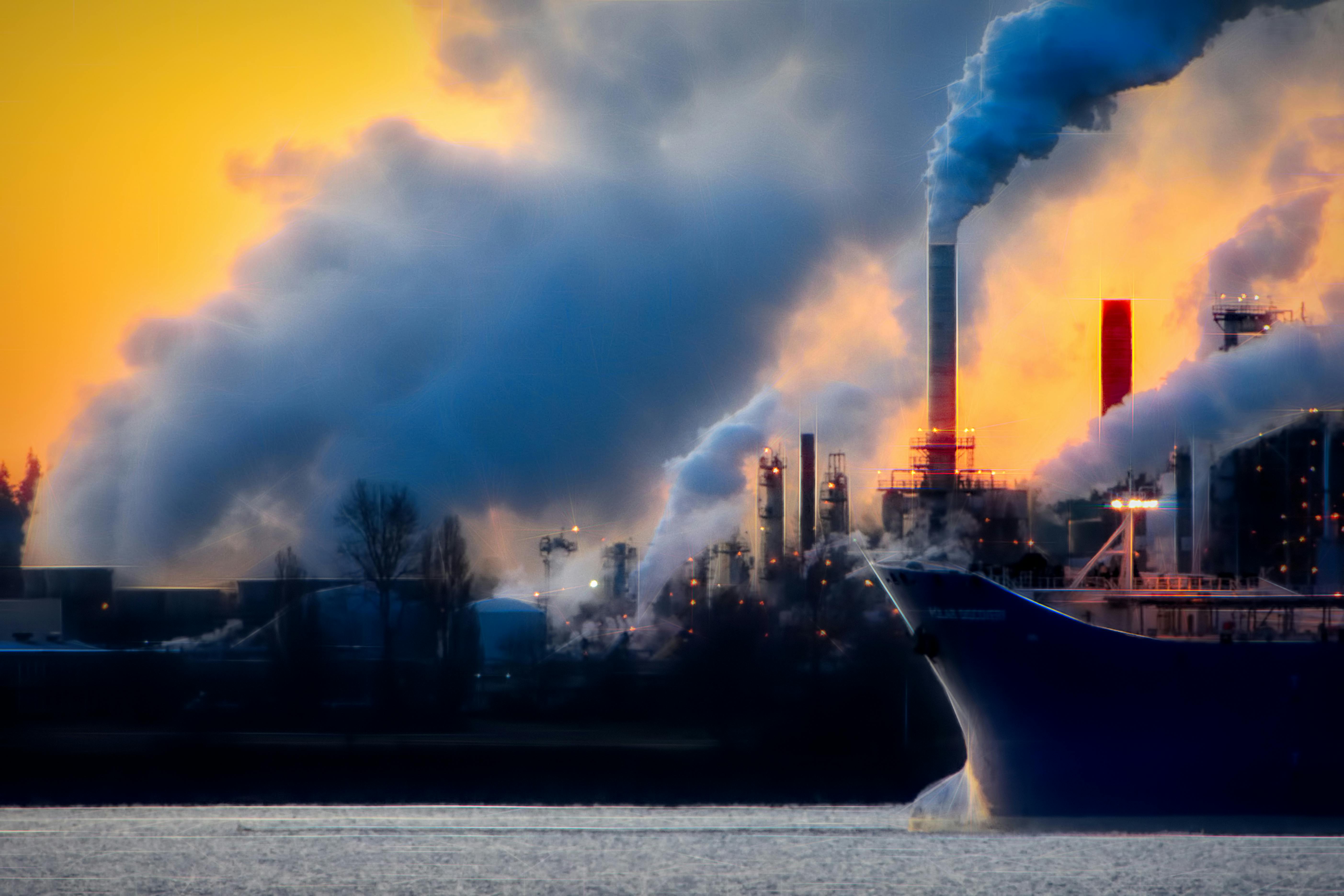
Visual contrasts between parched soils, towering storm clouds, and fire‑reddened skies have become signature images in news coverage of climate extremes. Behind those images lies a sophisticated body of Earth system science connecting local impacts to global processes.
Mission Overview: From Weather Events to Earth System Transitions
Meteorologists focus on day‑to‑day and seasonal weather patterns, while climatologists study long‑term statistics of temperature, precipitation, and other variables. Ecologists, meanwhile, track how organisms and ecosystems respond to shifts in climate and disturbances such as fire or storms. Increasingly, these communities are working together under an Earth system framework.
In this framework:
- Climate forcing (e.g., greenhouse gas emissions, aerosols, land‑use change) alters the energy balance of the planet.
- Physical responses include changes in atmospheric circulation, ocean heat content, cryosphere dynamics, and hydrological extremes.
- Ecological responses include shifts in species ranges, phenology, community structure, and biogeochemical cycles.
The concern is not only that the mean climate is warming, but that nonlinear thresholds could be crossed in one or more subsystems, such that relatively small additional warming triggers disproportionate change.
“We are moving from a world of incremental, linear changes to one dominated by nonlinear, systemic risks.” — Johan Rockström, climate scientist and co‑chair of the Earth Commission
Extreme Weather in a Warming Climate
Observational records, reanalysis datasets, and climate models all show that many types of extremes are changing. Some headline findings from recent IPCC assessments and peer‑reviewed studies include:
- Heatwaves are becoming more frequent, longer, and more intense on every inhabited continent.
- Heavy precipitation events are increasing in many regions as a warmer atmosphere holds and dumps more moisture.
- Megafires are promoted by hotter, drier conditions, longer fire seasons, and accumulated fuels in fire‑suppressed landscapes.
- Slow‑onset extremes like “flash droughts” and marine heatwaves are emerging as critical hazards for agriculture and marine ecosystems.
The physics behind some of these changes is straightforward. For example, the Clausius–Clapeyron relationship suggests that the atmosphere can hold roughly 7% more water vapor per degree Celsius of warming, increasing the potential for intense rainfall. But changes in circulation, land‑atmosphere feedbacks, and ocean dynamics introduce regional complexity.
“What used to be a 1‑in‑50‑year event is now happening far more frequently in many places, and we can quantify how much climate change has loaded the dice.” — Friederike Otto, climate scientist and co‑lead of World Weather Attribution
Attribution of Extreme Events
Event attribution has become one of the fastest‑moving areas in climate science. Instead of simply saying an extreme is “consistent with” climate change, scientists now estimate how much more likely or intense a given event has become due to human influence.
Methodological Steps
- Define the event precisely in space, time, and metric (e.g., three‑day maximum temperature in a specific region).
- Gather observations and high‑quality reanalysis data for the region and variable.
- Run climate model ensembles representing:
- The “actual world” with human and natural forcings.
- A “counterfactual world” without anthropogenic greenhouse gases.
- Estimate probabilities of the defined event in each world (e.g., once in 10 years vs. once in 500 years).
- Compute attribution metrics such as the Fraction of Attributable Risk (FAR) or change in intensity.
Organizations like World Weather Attribution now release peer‑reviewed or pre‑reviewed studies within weeks of major events, allowing the public and policymakers to link experiences of heat, floods, or fires to quantified climate influence.
For readers interested in hands‑on exploration, climate communication specialists often demonstrate workflows in tools like Python (xarray, netCDF4) or R to analyze reanalysis products such as ERA5. Many of these walkthroughs appear on YouTube channels like: ClimateAdam and Our Changing Climate.
Compound and Cascading Events
Real‑world disasters often result from compound events—combinations of drivers and hazards that interact to produce impacts greater than the sum of their parts. These can be:
- Multivariate (e.g., heat + humidity, or wind + storm surge + rainfall).
- Temporally compounding (e.g., repeated storms hitting before recovery is possible).
- Spatially compounding (e.g., simultaneous crop failures in multiple breadbasket regions).
These combinations can then trigger ecological cascades:
- Heat + drought + fire → large‑scale tree mortality → loss of habitat, altered hydrology, and carbon source instead of sink.
- Marine heatwaves + acidification → coral bleaching → reef degradation → loss of fisheries and coastal protection.
- Floods + pollution infrastructure failure → contamination events → long‑term impacts on freshwater biodiversity.
“Multiple drivers and hazards are often at play in high‑impact events, and ignoring their interactions can lead to underestimation of risk.” — Jakob Zscheischler et al., compound event researcher
Technology: Observations, Models, and Tools Connecting Weather to Tipping Points
Monitoring and projecting extreme events and potential tipping points relies on an integrated technological stack spanning satellites, in‑situ sensors, high‑performance computing, and machine learning.
Earth Observation and In‑Situ Networks
Modern climate diagnostics depend heavily on global observation systems:
- Satellite constellations from NASA, ESA, JAXA and others track sea surface temperature, soil moisture, sea level, ice sheet elevation, and vegetation indices (NDVI, EVI).
- Argo floats profile temperature and salinity in the upper 2000 m of the global ocean.
- Flux towers measure exchanges of CO₂, water vapor, and energy between ecosystems and the atmosphere.
These data streams feed into reanalyses like ERA5 and MERRA‑2, which provide globally consistent, gridded representations of past weather and climate, enabling event attribution and trend analysis.
Climate and Earth System Models
General Circulation Models (GCMs) and Earth System Models (ESMs) simulate the coupled evolution of atmosphere, ocean, land, and ice. Some now include dynamic vegetation, permafrost carbon, and ice sheet components, allowing exploration of tipping behaviors:
- Ice sheet–ocean interaction studies assess thresholds for West Antarctic Ice Sheet retreat.
- AMOC simulations test stability under freshwater input from Greenland melt and changing wind patterns.
- Dynamic global vegetation models explore Amazon forest resilience under warming and deforestation.
Machine Learning and Early Warning Signals
Emerging work applies machine learning to:
- Downscale coarse‑resolution climate projections to city‑scale risk maps.
- Detect statistical early warning signals of approaching tipping points (e.g., critical slowing down, rising variance).
- Improve seasonal forecasts of heatwaves, droughts, or monsoon variability.
For practitioners and students, a highly regarded resource is the book Climate Change: An Encyclopedia of Science and History , which offers accessible entries on many of these tools and concepts.

High‑resolution visualizations and dashboards make complex climate datasets accessible to decision‑makers and the public, supporting risk‑informed planning.
Climate Tipping Points: Where Gradual Change Becomes Abrupt
A climate tipping element is a large‑scale component of the Earth system that could exhibit a tipping point—such as a massive ice sheet, monsoon system, or major biome. Once pushed beyond a critical threshold, the system may transition to a new state via self‑amplifying feedbacks.
Key Suspected Tipping Elements
- Greenland Ice Sheet — Warming and meltwater processes may commit the ice sheet to long‑term loss, raising global sea levels by up to ~7 m over centuries to millennia.
- West Antarctic Ice Sheet (WAIS) — Marine ice sheet instability could drive rapid retreat of grounding lines, potentially adding several meters to sea level over coming centuries.
- Atlantic Meridional Overturning Circulation (AMOC) — A major system of currents that transports heat northward in the Atlantic; significant slowdown or collapse would reorganize regional climates, including Europe and West Africa.
- Amazon Rainforest — Deforestation and warming‑induced drying may trigger large‑scale dieback, shifting parts of the region toward savanna‑like states and releasing vast stores of carbon.
- Permafrost — Thawing high‑latitude permafrost can release CO₂ and methane, creating a positive feedback to warming.
Uncertainty and Risk Framing
Estimates of exact thresholds and timescales remain uncertain, but multiple recent studies suggest that some tipping elements may be at risk in the 1.5–2.5 °C warming range. Given the magnitude of potential impacts, many scientists argue for a “precautionary” risk management approach even when probabilities are not precisely known.
“The evidence from tipping points alone suggests that we are underestimating the urgency of the climate crisis.” — Tim Lenton, Earth system scientist
Ecological Cascades and Biosphere Feedbacks
Ecosystems do not merely suffer climate change—they also shape it through intricate feedbacks. Changes in vegetation cover, soil moisture, and surface reflectivity (albedo) can amplify or dampen regional climate trends.
Examples of Biosphere–Climate Feedbacks
- Boreal forest fires: Large, high‑severity fires in Canada and Siberia emit carbon, darken surfaces via soot on snow and ice, and can facilitate shifts from coniferous forest to shrubland or grassland.
- Aerosol and cloud effects from forests: Some trees emit volatile organic compounds that form aerosols, influencing cloud formation and regional energy balance.
- Wetland and permafrost methane: Warming and hydrological change can increase emissions of methane, a potent short‑lived climate forcer.
Food Web Cascades
As species respond to changing temperatures and disturbance regimes, entire food webs can reorganize:
- Loss of top predators can alter herbivore populations, which in turn affect vegetation structure and carbon storage.
- Shifts in plankton communities under ocean warming and acidification can ripple up to fish, seabirds, and marine mammals.
- Pollinator declines driven by heat extremes, land‑use change, and pesticides can reduce crop yields and wild plant reproduction.
These cascades are often nonlinear: gradual warming may have little observable effect until a threshold is crossed, after which abrupt population declines or regime shifts occur.

Wildfires are both a natural process and a growing hazard, increasingly intertwined with climate variability and human land management.
Human and Societal Dimensions of Extreme Events and Tipping Risks
The impacts of extreme weather and ecological cascades are filtered through human systems—urban design, infrastructure, governance, and social inequality.
Urban Heat and Infrastructure Vulnerability
Cities create urban heat islands due to dark surfaces, dense built environments, and limited vegetation. During heatwaves, urban temperatures can exceed surrounding rural areas by several degrees, exacerbating health risks.
- Adaptation strategies include cool roofs, green roofs, urban tree planting, reflective pavements, and redesigned public spaces.
- Critical infrastructure—power grids, transport networks, and hospitals—must be designed for more frequent extremes.
For homeowners and building managers, practical adaptations can be supported by products such as: radiant barrier reflective insulation to reduce attic heat gain, or thermal blackout curtains to cut indoor heat during extreme temperature events.
Climate‑Driven Migration and Security
Slow‑onset changes (sea level rise, desertification) and repeated extremes (storms, floods) are contributing factors in migration decisions. While attributing any single migration flow solely to climate is overly simplistic, climate stressors interact with economic, political, and social drivers to shape movement patterns.
Justice and Equity
Vulnerable communities—often those who have contributed least to global emissions—tend to live in higher‑risk locations and have fewer resources to adapt. Addressing this inequity is central to international frameworks such as the Paris Agreement and to national resilience strategies.
Data Visualization, Citizen Science, and Open Climate Data
Open data and visual tools are democratizing access to climate information. Educated non‑specialists can now explore historical climate, run simple analyses, and visualize future scenarios.
Key Platforms and Tools
- NASA Global Climate Change dashboards for global indicators (CO₂, temperature, ice, sea level).
- Global Warming Index to visualize human‑attributed warming.
- ClimateLab and other interactive sites for exploring local trends.
- Google Earth Engine for geospatial analysis of satellite data.
Citizen science initiatives, such as community temperature monitoring, phenology tracking (e.g., budburst and flowering dates), or urban flood reporting, help fill data gaps and build public engagement.
For those interested in learning to interpret climate graphs and maps, highly rated introductory texts like Global Warming: Understanding the Forecast provide a mathematically grounded but accessible primer.

Flood risk management increasingly relies on high‑resolution hydrological modeling, real‑time monitoring, and nature‑based solutions such as restoring wetlands and floodplains.
Milestones in Understanding Extreme Events and Tipping Points
Over the past two decades, several scientific and policy milestones have shaped current knowledge and public discourse:
- IPCC Special Report on Extremes (SREX, 2012) — Systematically assessed the relationship between climate change and extremes.
- Development of formal event attribution frameworks — Pioneering work by groups like World Weather Attribution brought quantitative attributions into mainstream media.
- IPCC Special Report on 1.5°C (2018) — Highlighted increasing risks, including potential tipping elements, between 1.5 °C and 2 °C of warming.
- “Planetary boundaries” and tipping points research — Conceptual frameworks by Rockström, Lenton, and colleagues brought systemic thresholds into Earth governance debates.
- Emergence of multi‑hazard, compound event research — Addressed real‑world complexity in risk assessments.
These milestones continue to inform national adaptation plans, corporate risk disclosures, and local resilience projects.
Challenges: Scientific, Technological, and Societal
Despite remarkable progress, several major challenges remain in understanding and managing extreme weather, tipping points, and ecological cascades.
Scientific and Modeling Challenges
- Scale gaps: Bridging processes from cloud microphysics and plant physiology to planetary circulation and ice sheet dynamics.
- Data sparsity: Limited observations in regions like the deep ocean, polar areas, and parts of the Global South.
- Deep uncertainty: Incomplete knowledge about feedback strengths and thresholds, especially in coupled social‑ecological systems.
Communication and Governance
- Avoiding both unwarranted alarmism and complacency when discussing low‑probability but high‑impact tipping risks.
- Embedding scientific insights into planning and finance, from urban zoning to global supply chain assessments.
- Ensuring participation and equity in adaptation decisions, particularly for frontline communities.
Mitigation–Adaptation Balance
Reducing greenhouse gas emissions remains the primary lever for lowering the probability of crossing dangerous tipping points. At the same time, robust adaptation is essential for managing already‑locked‑in extremes. Many analysts advocate for “climate‑resilient development” that integrates mitigation, adaptation, and social goals.
Conclusion: Living with Extremes While Avoiding the Worst Tipping Points
Extreme weather, climate tipping points, and ecological cascades form a tightly coupled triad of risks. Heatwaves, floods, and fires are the visible manifestations; underlying them are shifting circulations, weakening ice sheets, and stressed ecosystems that could cross critical thresholds.
Yet the science also points to agency. Choices made in the 2020s and 2030s—about emissions, land management, infrastructure, and governance—will strongly influence which tipping points are approached or avoided, and how resilient societies and ecosystems will be to inevitable extremes.
For individuals, engagement can range from:
- Supporting evidence‑based climate policy and adaptation planning in local communities.
- Reducing personal and organizational carbon footprints where feasible.
- Participating in citizen science or data visualization projects to build shared understanding.
- Improving personal resilience to extremes (e.g., home weatherization, emergency planning, community networks).
Ultimately, the goal is not only to survive a world of more frequent extremes, but to steer the Earth system away from the most dangerous tipping cascades while fostering thriving, adaptive societies.
Additional Practical Resources and Learning Pathways
For readers who want to go deeper into the technical and practical dimensions of this topic, consider the following types of resources:
- Online courses on Coursera, edX, and similar platforms in climate science, Earth system modeling, and climate risk management.
- Professional networks such as the American Geophysical Union (AGU) and the European Geosciences Union (EGU), which host open conference sessions and recorded talks.
- Technical handbooks on climate adaptation and resilience, including guidance for engineers, planners, and emergency managers.
- Portable weather stations like the Davis Instruments Vantage Vue , which can help schools and communities build local datasets and connect real‑time measurements to broader climate trends.
Combining rigorous science with transparent communication, participatory data collection, and equitable policy design offers the best path for navigating a century defined by extremes—and for ensuring that potential tipping points become warnings, not fate.
References / Sources
- IPCC AR6 Working Group I: The Physical Science Basis
- World Weather Attribution
- Zscheischler et al. (2018), “Future climate risk from compound events”
- Lenton et al. (2023), “Quantifying climate tipping points and their impacts”
- NASA Global Climate Change: Vital Signs of the Planet
- Global Warming Index
- Google Earth Engine
- Potsdam Institute for Climate Impact Research (PIK)
