
‘Not Just Piles’: The Silent Bowel Cancer Symptoms a Fit 31-Year-Old Wants You to Notice
When 31-year-old, gym-going father of three Chris Kirt first noticed rectal bleeding, it was brushed off as “just piles.” He was young, fit, and busy with work and family—bowel cancer didn’t even seem like a remote possibility. But weeks later, doctors found a “big, ominous” tumour in his bowel. Chris’s story, shared widely in the media, is a powerful reminder that even seemingly minor bowel changes or fatigue can be silent warning signs of something more serious.
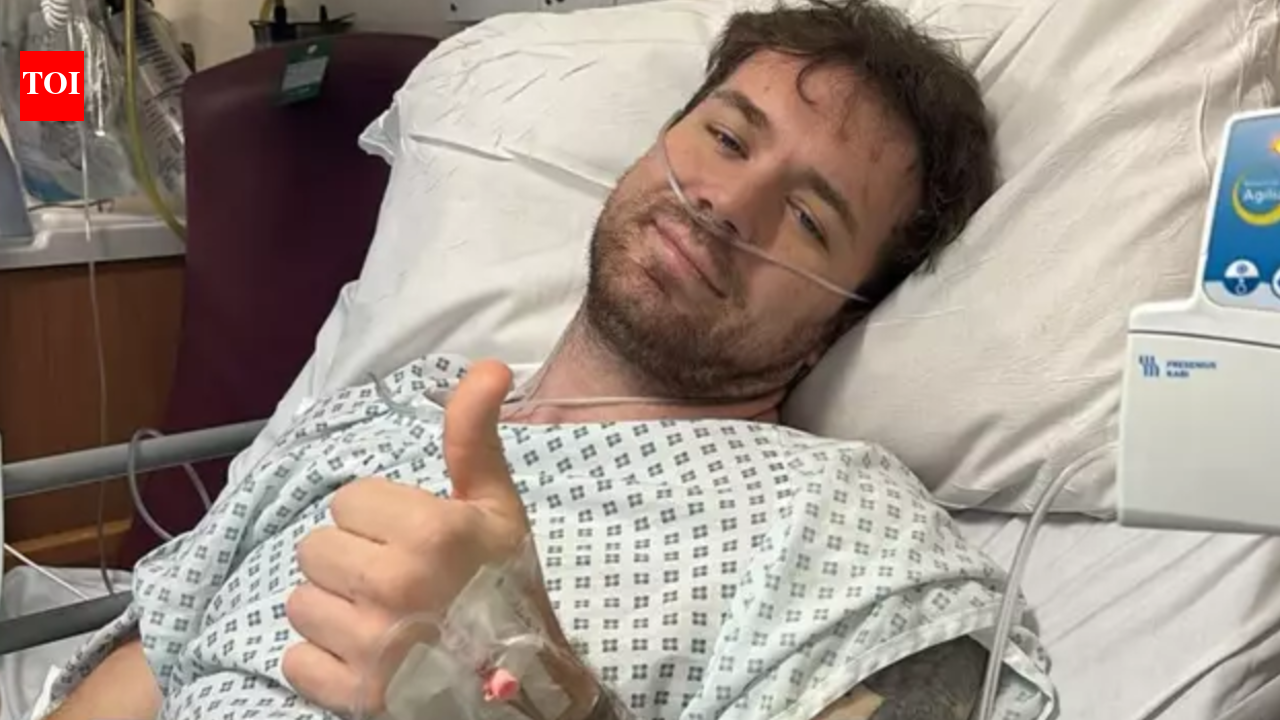
In this article, we’ll unpack what happened to Chris, what “silent” bowel cancer symptoms can look like, and how you can tell the difference between common issues like piles (haemorrhoids) and red-flag signs that need urgent medical attention. The goal isn’t to scare you, but to help you listen to your body with a bit more confidence—and seek help early if something doesn’t feel right.
Why Young, Fit People Are Missing ‘Silent’ Bowel Cancer Symptoms
Bowel cancer (also called colorectal cancer) has long been seen as an “older person’s disease.” Screening programmes in many countries start at 45 or 50. Yet, globally, doctors have been reporting a slow but steady rise in bowel cancer among people in their 20s, 30s and 40s.
People like Chris often:
- Exercise regularly and feel generally “healthy.”
- Are busy with careers, young families, or studies.
- Assume rectal bleeding must be from piles, a fissure, or “something minor.”
- Delay seeing a doctor because they feel “too young” for cancer.
“We are increasingly seeing colorectal cancer in younger adults who don’t have traditional risk factors. Any persistent rectal bleeding or bowel change deserves proper evaluation, regardless of age.”
— Gastroenterologist commentary summarised from recent clinical reviews
The challenge is that early bowel cancer can be subtle. Symptoms overlap with piles, IBS (irritable bowel syndrome), or diet-related issues. That’s why stories like Chris’s are so important—they highlight that “fit” and “young” are not guarantees.
Chris’s Story in Brief: From ‘Just Piles’ to a Large Bowel Tumour
Based on reports, Chris had been living what many would call an exemplary lifestyle—working out, raising three children, and staying generally active. When he began to notice:
- Rectal bleeding, suspected to be from piles.
- Increasing fatigue that didn’t match his usual exertion.
- Subtle changes in his bowel habits.
his initial symptoms were not immediately flagged as serious. Only after more persistent symptoms and further investigation did doctors discover a “big, ominous” tumour in his bowel.
Chris chose to speak publicly about his diagnosis to encourage others—especially younger adults—to:
- Take bleeding and bowel changes seriously.
- Advocate for themselves if symptoms are dismissed.
- Seek a second opinion or specialist referral when things don’t improve.
“If something feels off and it doesn’t go away, don’t be embarrassed and don’t just accept ‘it’s piles.’ Push for answers. It might save your life.”
— A message echoed by many young bowel cancer survivors
Silent Bowel Cancer Symptoms: What to Watch For (Even If You’re Young and Fit)
Not everyone with bowel cancer will have the same symptoms. Some people have several; others have only one. But doctors repeatedly highlight a group of key warning signs that should never be ignored:

- Rectal bleeding
Bright red or dark blood in your stool, on toilet paper, or in the toilet. Piles can cause this too, but:- If bleeding is recurrent or lasts more than a couple of weeks, get it checked.
- If bleeding comes with pain in the abdomen or weight loss, treat it as urgent.
- Unexplained fatigue
Feeling wiped out despite normal sleep and routine may signal iron-deficiency anaemia from slow, internal blood loss. - Persistent change in bowel habits
Such as:- Diarrhoea or constipation lasting > 3 weeks.
- A feeling that you haven’t completely emptied your bowels.
- Needing to go more urgently or more often than usual.
- Abdominal pain, cramping, or bloating that doesn’t settle, especially if linked with bowel changes.
- Unintentional weight loss without dieting or increased exercise.
Piles vs. Bowel Cancer: How Can You Tell the Difference?
Haemorrhoids (piles) are swollen veins in the rectum or anus. They’re extremely common, especially if you sit for long periods, lift heavy weights, strain on the toilet, or are pregnant.
Typical piles symptoms:
- Bright red blood on the toilet paper, in the bowl, or on the stool’s surface.
- Itching, soreness, or a lump around the anus.
- Discomfort when sitting or during bowel movements.
Piles often:
- Flare up and then improve with simple measures (fibre, fluids, ointments).
- Are clearly linked to straining or constipation.
Concerning signs that it may be more than piles:
- Bleeding that is persistent or gets worse over weeks.
- Bleeding plus change in bowel habit (diarrhoea, constipation, narrowed stools).
- Bleeding with unexplained weight loss or fatigue.
- Bleeding from higher up in the bowel causing darker or mixed-in blood.
“Don’t self-diagnose piles just because you see blood. Even if it turns out to be nothing serious, it’s always worth getting rectal bleeding properly assessed.”
— Common guidance from colorectal specialists and cancer charities
Why People Delay: Embarrassment, Busy Lives, and Being Told “You’re Too Young”
Many young adults with bowel cancer share similar emotional barriers:
- Embarrassment about talking to a doctor about bowels, bleeding, or rectal exams.
- Self-blame, assuming symptoms are due to poor diet, stress, or gym-related strain.
- Being reassured too quickly that it’s “just piles” or IBS, without further tests.
- Fear of getting bad news, which paradoxically leads to more delay.

Practical Steps If You Notice Bleeding or Bowel Changes
If Chris’s experience has made you think about your own symptoms, here’s a structured way to act on that concern:
- Keep a simple symptom diary (1–2 weeks).
Note:- How often you see blood and its colour.
- Stool consistency (loose, normal, hard).
- Pain, bloating, or urgency.
- Energy levels and any weight changes.
- Book a medical appointment—don’t self-diagnose.
Share your diary. Mention:- Family history of bowel or related cancers.
- Duration of symptoms (be as precise as you can).
- Ask clearly about next steps.
For example:- “Can you check for anaemia or blood loss?”
- “Do I need a stool test or a colonoscopy referral?”
- If symptoms are dismissed but persist, seek a second opinion.
You are allowed to say, “I’m still worried; could we investigate further?” - Look after your body while you wait.
Eat a balanced, fibre-rich diet (unless advised otherwise), stay hydrated, and move regularly. This won’t cure an underlying disease, but it supports your overall health and may ease milder bowel issues.

Looking After Your Bowel Health: What the Evidence Suggests
No lifestyle approach can guarantee you’ll never develop bowel cancer. Some cases, like many in young adults, happen without clear risk factors. But research consistently links certain habits with lower risk:
- Diet: Emphasise:
- Whole grains, fruits, and vegetables (for fibre and protective compounds).
- Limiting processed meats (like bacon, sausages) and very high red meat intake.
- Movement: Regular physical activity is linked with better bowel function and lower colorectal cancer risk in many studies.
- Weight, alcohol, and smoking: Maintaining a healthy weight, limiting alcohol, and not smoking are all associated with reduced risk of several cancers, including bowel cancer.
- Screening when eligible: Participating in bowel cancer screening programmes when invited is one of the most evidence-backed ways to detect problems early.

Taking Chris’s Warning to Heart: Listen, Don’t Panic, but Don’t Ignore
Stories like Chris Kirt’s are understandably confronting—he was young, fit, and doing so many things “right.” Yet that’s exactly why his message matters. Bowel cancer doesn’t always come with dramatic symptoms, and it doesn’t always wait until your 60s.
The takeaway is not to live in fear, but to:
- Pay attention to ongoing bleeding, fatigue, or bowel changes.
- Overcome embarrassment and talk openly with a healthcare professional.
- Advocate calmly but firmly for yourself if you feel something isn’t right.
You know your body better than anyone else. If something feels off and doesn’t improve, your concern is valid—no matter your age, fitness level, or how busy life is.
If you’ve been noticing symptoms similar to those described here, consider this your nudge to book that appointment, write down your questions, and take the next small step towards clarity and care.
