
Is the Blood Sugar Hacking & CGM Diet Trend Worth the Hype? What Science (and Real Life) Say
The ‘Blood Sugar Hacking’ & Continuous Glucose Monitor (CGM) Diet Trend: Hype, Science & How to Eat Well
Blood sugar hacking has exploded on social media: looping graphs, dramatic “spike” screenshots, and bite‑sized tips promising flatter glucose curves, steady energy, and effortless weight control. From vinegar shots and protein‑forward breakfasts to continuous glucose monitors (CGMs) worn like a high‑tech accessory, managing blood sugar has become a mainstream obsession—even for people without diabetes.
Let’s walk through what’s really going on with this trend, what current research (as of early 2026) actually supports, and how you can borrow the best ideas in a calm, food‑positive way—no fear, no fads, and definitely no boring meals.
Why Blood Sugar Management Became a Wellness Obsession
Over the last few years, “glucose hacks” have become their own genre of content. Influencers show time‑lapse videos of glucose curves after a croissant vs. an egg breakfast, or a sushi roll vs. a salad, turning complex physiology into highly visual, snackable lessons.
Behind the trend is a real shift in awareness: more people are learning about insulin resistance, metabolic syndrome, and conditions like PCOS. Instead of talking only about calories, carbs, or fat grams, the conversation has moved toward how foods affect our blood sugar over the whole day.
- Popular books & accounts distill dense science into simple rules and striking visual graphs.
- Short‑form video makes it easy to “see” the impact of a meal on glucose in real time.
- Younger audiences are increasingly curious about prevention and long‑term metabolic health, not just weight loss.
There is some solid science underneath the noise, but it’s tangled with exaggeration, over‑promises, and a fair bit of fear‑based messaging. The goal here is to help you separate the satisfying, evidence‑supported ideas from the hype—while still letting you actually enjoy your food.

The Big “Blood Sugar Hacks”: What They Are & What We Know
Most viral blood sugar content comes back to a small set of strategies. Let’s unpack each one, mixing research with real‑life practicality you can actually use in your kitchen and daily routine.
1. Food Order: Salad First, Starch Last
The idea of “food sequencing” is simple: if you start your meal with fiber‑rich vegetables, then eat protein and fat, and save starchy carbs or sweets for last, your post‑meal blood sugar bump may be smaller and slower.
A few small clinical studies show that, in some people, eating veggies and protein before carbs can modestly reduce post‑meal glucose and insulin levels. The theory is that fiber and protein slow gastric emptying and carbohydrate absorption.
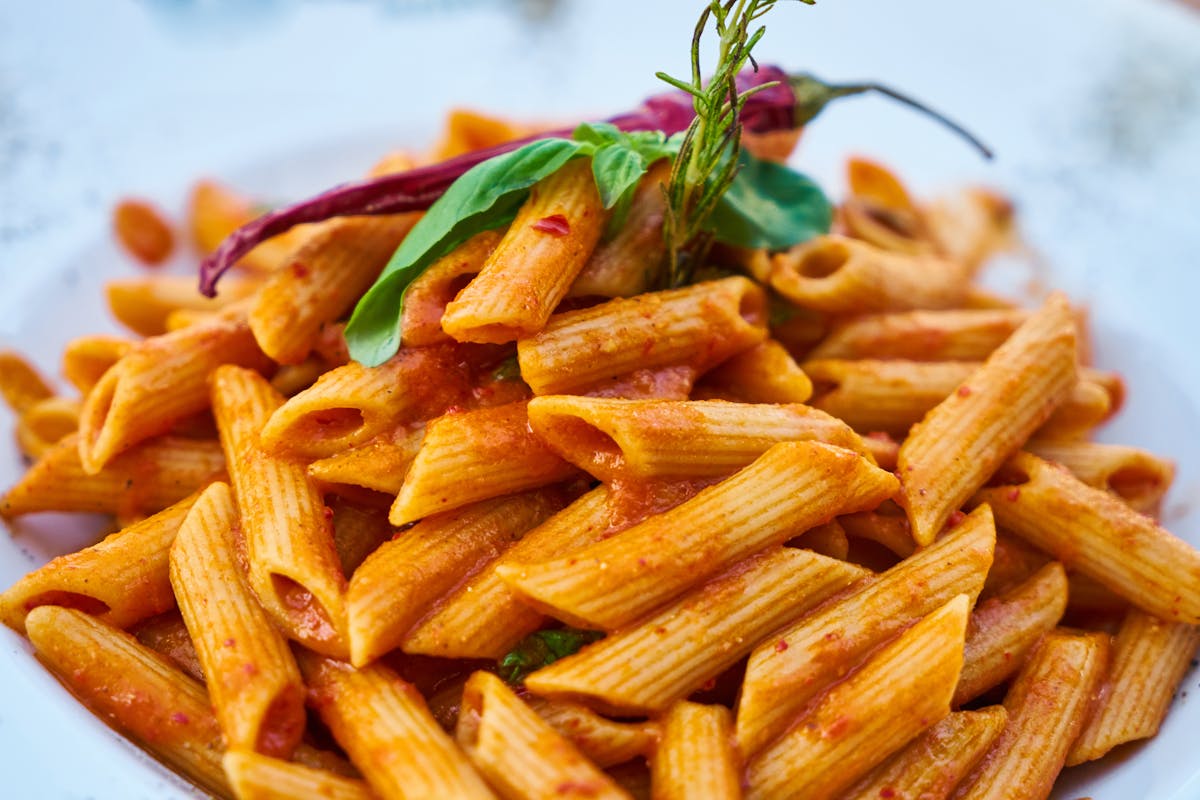
In real life, that might look like:
- A crunchy green salad or sautéed veggies before your pasta.
- A plate of roasted vegetables and chicken first, then rice or bread.
- Enjoying fruit or dessert at the end of the meal instead of on an empty stomach.
2. Vinegar Before Meals: Helpful or Just Harsh?
Vinegar—especially apple cider vinegar—has been rebranded as a pre‑meal “glucose shield.” You’ll often see advice to drink 1–2 tablespoons diluted in water before carb‑heavy meals to flatten glucose spikes.
Research is mixed but somewhat promising: acetic acid (the main acid in vinegar) may slow stomach emptying and enhance glucose uptake in muscles, leading to slightly lower post‑meal glucose in some small studies. But the effect size is modest, and vinegar is absolutely not a cure‑all.
Vinegar can be a helpful supporting player in a balanced meal, not a magical fix that cancels out highly processed foods or large sugar loads.
- Always dilute (e.g., 1 tbsp vinegar in a large glass of water) to protect your teeth and esophagus.
- Don’t overdo it: too much can cause heartburn, nausea, or interact with some medications.
- Use food first: vinaigrette on salads, pickled veggies, or a splash in sauces gives flavor and potential benefits without feeling like a “supplement.”

3. Walking After Eating: The Most Underrated “Hack”
Of all the blood sugar tools, post‑meal movement is the most robustly supported by research and one of the most accessible. Just 10–20 minutes of light walking after a meal can help your muscles soak up glucose, leading to a gentler rise in blood sugar.
- Helps improve insulin sensitivity, especially in people with insulin resistance or prediabetes.
- Doesn’t have to be intense—an easy stroll, light housework, or playing with kids all count.
- Supports digestion, mood, and even sleep quality when timed after dinner.
4. Protein‑Forward Breakfasts: Starting the Day Steady
Swapping sugary cereals, pastries, and juice for protein‑rich, higher‑fiber breakfasts is one of the most consistently helpful shifts people make. Many describe fewer mid‑morning crashes, steadier moods, and less intense cravings later in the day.
In studies, breakfasts higher in protein and fiber can:
- Lead to slower, smaller glucose rises after eating.
- Help reduce hunger hormones and increase satiety hormones.
- Make it easier to manage overall appetite and energy intake over the day.

Some blood‑sugar‑friendly breakfast ideas:
- Greek yogurt bowl with berries, chia seeds, and a sprinkle of nuts.
- Eggs in any form (boiled, scrambled, omelet) with veggies and whole‑grain toast.
- Tofu or chickpea “scramble” for a satisfying plant‑based option.
- Oats cooked with milk or soy milk, plus nut butter and seeds for added protein and fat.
5. Minimizing “Naked Carbs”: Dress Your Carbs Up
“Naked carbs” is a catchy phrase for refined carbohydrates eaten alone—think plain white bread, crackers, candy, or juice on an empty stomach. These can cause faster, higher glucose spikes compared with the same carbs eaten alongside protein, fat, or fiber.
Instead of avoiding carbs altogether, the goal is to “dress them up”:
- Pair fruit with nuts, cheese, or yogurt.
- Top toast with avocado, hummus, nut butter, or eggs.
- Enjoy crackers with tuna, cottage cheese, or a bean spread.
- Have rice or pasta with generous veggies and a solid protein portion.
Continuous Glucose Monitors (CGMs) in Non‑Diabetics: Insightful Tool or Expensive Distraction?
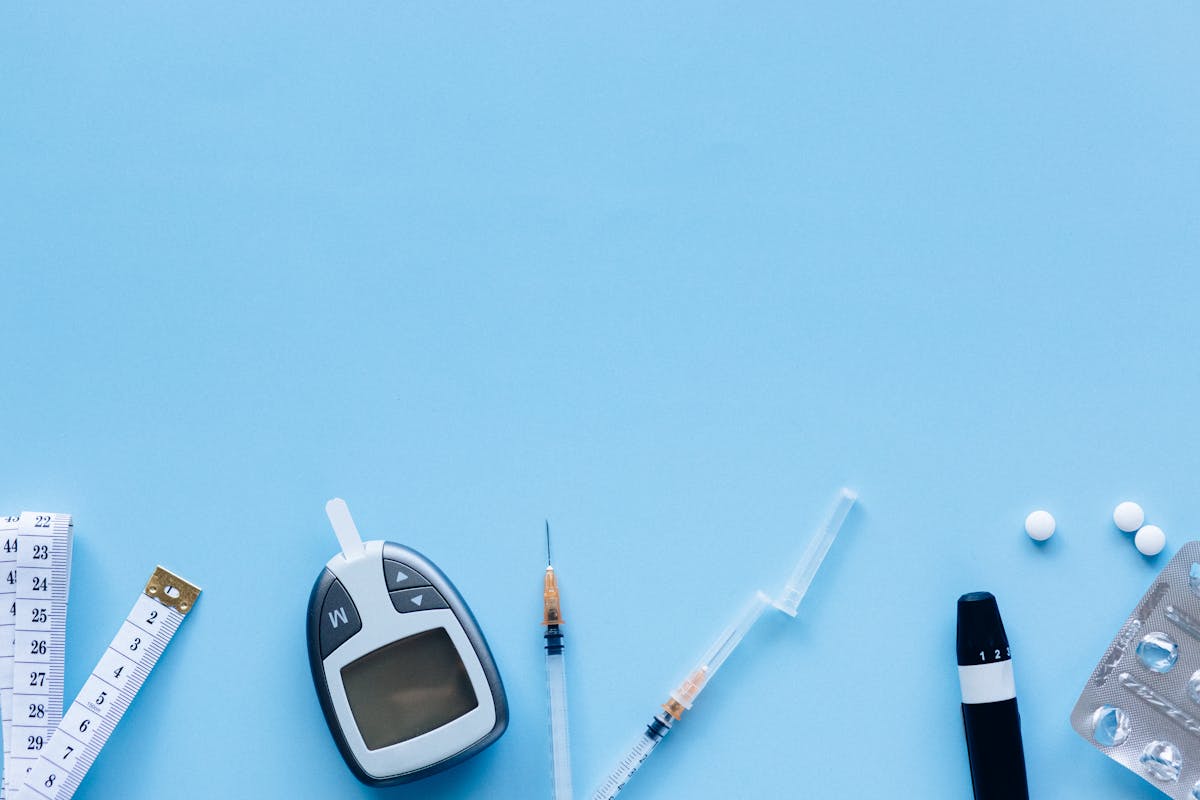
CGMs were originally designed as a medical device for people with type 1 or type 2 diabetes, offering a continuous stream of blood sugar data via a tiny sensor worn on the skin. In the wellness world, they’re now marketed directly to health‑conscious consumers as a way to “personalize” nutrition.

How CGMs Are Used in the Wellness Space
- Users wear a sensor for 10–14 days to watch real‑time glucose responses.
- Companion apps give “scores” to meals and suggest tweaks (more protein, fewer refined carbs, different timing).
- Influencers share surprising spikes from foods like smoothies, sushi, or certain “healthy” snacks.
Potential Benefits
For some motivated, data‑loving people, short‑term CGM use can:
- Highlight ultra‑processed foods or “healthy” meals that cause big personal spikes.
- Encourage experimentation: adding fiber, changing meal timing, or walking after meals.
- Increase awareness of how sleep, stress, and exercise affect blood sugar.
Important Critiques & Cautions
- Normal spikes are normal. In healthy people, glucose naturally rises and falls after meals; not every peak is harmful.
- Over‑monitoring can fuel anxiety. Constantly chasing a “perfect flat line” can become obsessive and may trigger or worsen disordered eating tendencies.
- Cost and access. CGMs and their subscription apps can be expensive and are not necessary for most people without diabetes.
- Evidence gap. We don’t yet have strong long‑term data showing that CGM use in healthy people improves outcomes like longevity or disease risk.
When Glucose Talk Turns Harmful: Anxiety, Perfectionism & Diet Culture
One of the biggest concerns experts raise about the blood sugar hacking trend is how easily it can slide from curiosity into fear. When every spike is labeled “toxic,” people may start to fear ordinary foods or avoid social eating to keep their graph “clean.”
Warning signs that blood sugar content may be doing more harm than good:
- Feeling guilty or ashamed when your glucose rises after a meal.
- Cutting out entire foods or food groups solely because of CGM readings.
- Skipping meals, over‑exercising, or delaying eating just to keep your line flat.
- Feeling anxious, obsessive, or isolated around food choices.
Stable blood sugar can support energy, mood, and long‑term health—but it should never come at the cost of your mental well‑being or your joy in eating.
Evidence‑Backed, Food‑Positive Ways to Support Healthy Blood Sugar
Even without CGMs, graphs, or strict rules, you can support your metabolism every single day through delicious, satisfying meals and small lifestyle tweaks. Think of these as gentle guardrails, not rigid laws.
1. Build a Balanced Plate (Most of the Time)
- Half the plate: Non‑starchy vegetables (leafy greens, peppers, broccoli, cabbage, tomatoes, cucumbers).
- Quarter of the plate: Protein (fish, chicken, tofu, tempeh, beans, lentils, eggs, Greek yogurt).
- Quarter of the plate: High‑fiber carbs (whole grains, potatoes with skins, beans, fruit).
- Plus: A thumb or two of healthy fats (olive oil, avocado, nuts, seeds).
2. Prioritize Fiber & Whole Foods
Fiber slows down digestion, blunts glucose spikes, and feeds your gut microbiome. Aim to include:
- Legumes: lentils, chickpeas, black beans.
- Whole grains: oats, quinoa, brown rice, barley.
- Seeds: chia, flax, hemp, pumpkin seeds.
- Plenty of vegetables and fruits with skins when possible.
3. Move Your Body Regularly (Especially After Meals)
You don’t need intense workouts to see a benefit. Simple, consistent movement is powerful:
- 10–20 minute walk after meals.
- Light stretching or yoga in the evening.
- Taking stairs, doing housework, or gentle cycling.
4. Support Sleep & Stress Management
Poor sleep and chronic stress can increase insulin resistance, making blood sugar more volatile. Helpful habits:
- Consistent sleep and wake times when possible.
- Creating a calming bedtime routine (dim lights, stretching, reading).
- Practicing simple stress‑relief practices: deep breathing, journaling, time in nature.
5. Enjoy Sweets More Intentionally
Yes, you can absolutely enjoy dessert and still care about blood sugar. A few tweaks can help:
- Have dessert after a balanced meal, not on an empty stomach.
- Share rich desserts or choose smaller portions if you prefer.
- Pair sweet snacks with protein (fruit + nuts, dark chocolate + Greek yogurt).

Who Might Benefit Most from Focusing on Blood Sugar?
Some groups may notice particularly meaningful benefits from blood sugar–supportive habits:
- People with prediabetes or at high risk of type 2 diabetes.
- Those with PCOS, where insulin resistance is common.
- Individuals with metabolic syndrome (a cluster including high blood pressure, abdominal obesity, and abnormal cholesterol).
- Anyone experiencing intense energy crashes, “hangry” episodes, or strong sugar cravings throughout the day.
For these groups, basic, sustainable habits—like balanced meals, more fiber, and post‑meal movement—are typically more impactful and realistic than chasing every new hack or heavily relying on tech.
A Cook‑Friendly Way to Embrace the Trend (Without Losing the Joy)
You don’t need to live in a lab or wear a sensor to borrow the best parts of the blood sugar trend. Think of it instead as a gentle invitation to:
- Add more plants to your plate—especially non‑starchy veggies and legumes.
- Build in protein at each meal and snack so you feel pleasantly full and steady.
- Dress up your carbs with protein, fiber, and healthy fats.
- Fold in movement you genuinely enjoy, especially after meals.
- Keep dessert in your life in a mindful, satisfying way instead of swinging between restriction and overdoing it.
As trends come and go, your body will always appreciate the same fundamentals: nourishment, variety, movement, rest, and kindness. Use the parts of the blood sugar conversation that make you feel empowered and informed—and feel completely free to ignore the parts that make food feel like nothing more than numbers on a graph.
