
New Sexually Transmitted Fungal Infection TMVII: What Minnesotans Need to Know Now
A New Sexually Transmitted Fungal Infection in Minnesota: What’s Really Going On?
Minnesota health officials have confirmed an outbreak of a contagious fungal skin infection linked to sexual contact: Trichophyton mentagrophytes genotype VII (TMVII). This emerging type of ringworm can cause red, round, sometimes painful or intensely itchy rashes, and it’s spreading through close skin-to-skin contact, including sex.
Hearing “sexually transmitted fungal infection” can be alarming, especially when it’s something most of us have never heard of before. The goal of this guide is to give you clear, evidence-based information about TMVII—without hype—along with practical steps you can take to protect yourself, your partners, and your community.
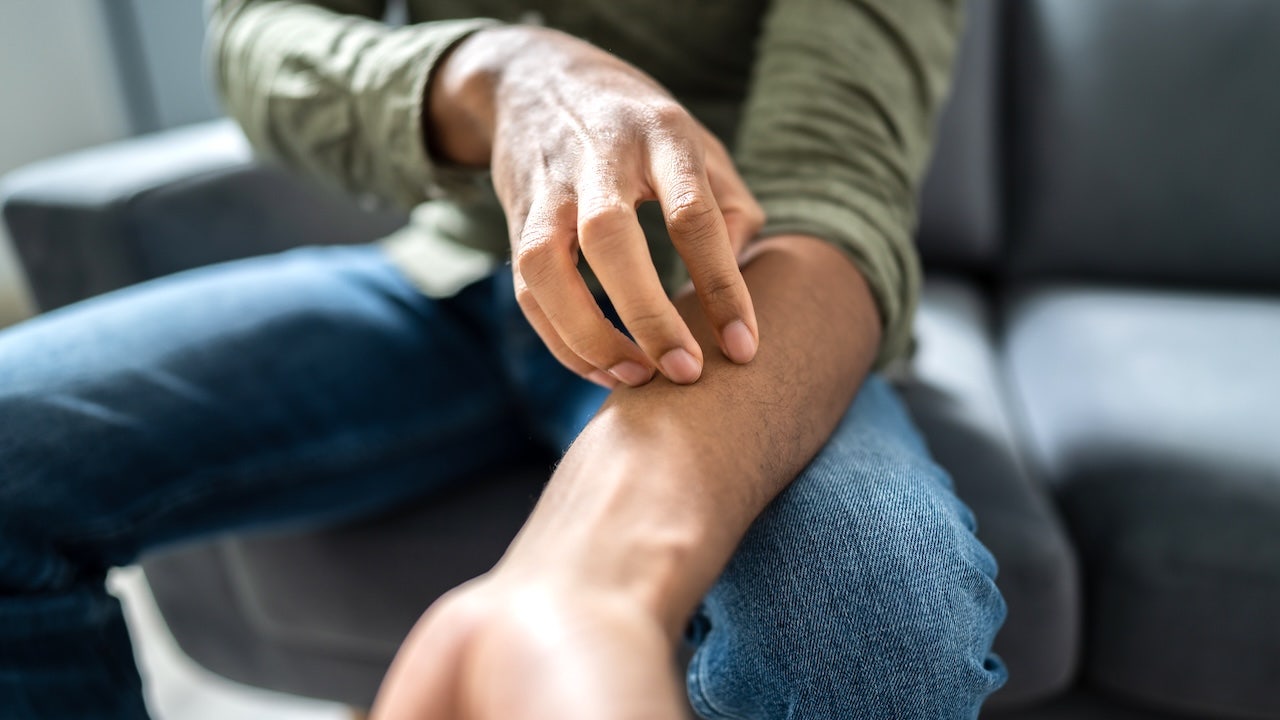
What Is TMVII and How Is It Different from Regular Ringworm?
TMVII stands for Trichophyton mentagrophytes genotype VII, a specific genetic type of a fungus that causes ringworm (dermatophytosis). While “ringworm” sounds like a parasite, it’s actually a fungal skin infection, not a worm.
What makes TMVII concerning is that:
- It has been documented in sexual networks, especially among men who have sex with men, in several countries.
- It can affect areas often involved in sexual contact, including the groin, buttocks, inner thighs, and trunk.
- It can be stubborn and slow to clear without appropriate treatment.
“TMVII behaves like a classic ringworm infection, but the context of transmission is different. Because it’s showing up in sexual networks, people may mistake it for other STIs and delay treatment.”
— Infectious disease dermatologist, summarized from recent case reports
TMVII Symptoms: What to Watch For on Your Skin
TMVII often looks like other fungal infections or even like eczema or psoriasis, which is why it can be misdiagnosed. Pay attention to:
- Red, round or oval patches with raised, scaly edges.
- Itching, burning, or tenderness, especially in warm, moist areas.
- Rings that grow outward while the center may look clearer.
- Clusters of lesions on the groin, buttocks, thighs, lower abdomen, or trunk.
- Persistent rash that doesn’t improve—or worsens—with over-the-counter steroid creams.

In the Minnesota outbreak, health officials specifically warn people to seek medical care for round, red rashes that are painful or itchy, especially if they appear after new sexual contact or close physical activity.
How TMVII Spreads: Is It an STI?
TMVII spreads primarily through direct skin-to-skin contact with an infected area. That includes:
- Sexual activity (vaginal, anal, or oral sex; genital-to-skin contact)
- Close physical contact such as cuddling, wrestling, or shared sports
- Potentially through shared towels, bedding, or clothing, though this appears less common compared to direct skin contact
Because it is frequently transmitted during sex and involves intimate areas, TMVII is being described as a sexually transmitted or sexually transmissible infection. That said, it is still, at its core, a fungal skin infection, not a classic viral or bacterial STI like chlamydia or herpes.

In Minnesota, public health officials are tracking cases to understand how widely TMVII is circulating and which networks are most affected. Similar outbreaks in Europe showed clustering in densely connected sexual networks, which helps explain why infections may appear in “clusters” rather than randomly.
Who Is Most at Risk from TMVII?
Anyone who has close skin contact with an infected person can get TMVII. Current data suggest higher risk in:
- People with multiple or new sexual partners
- Men who have sex with men (MSM), particularly in urban sexual networks noted in earlier outbreaks
- Individuals who share bedding, towels, or athletic gear with others
- People with existing skin conditions or who use topical steroids in the groin or body folds
Importantly, being in a higher-risk group does not mean you have done anything “wrong.” It simply reflects patterns of contact and exposure.
“Stigma is one of our biggest enemies in managing sexually associated infections. People are far less likely to seek care or tell partners if they feel judged.”
— Public health specialist, sexual health clinic network
Getting Diagnosed: What to Expect at the Clinic
If you notice a suspicious rash, especially after new sexual contact, it’s reasonable to ask a clinician about TMVII. Here’s what usually happens during evaluation:
- History: They’ll ask when the rash started, where it is, whether it itches or hurts, and about any recent sexual or close physical contact.
- Skin exam: They’ll look closely at the rash’s shape, borders, and distribution.
- Skin scraping or swab: A small sample of skin scales may be collected for:
- Microscopy (KOH prep) to look for fungal elements
- Culture or molecular testing to identify the exact fungus
- Consideration of other STIs: Depending on your symptoms and history, they may also test for other sexually transmitted infections.
Many clinicians won’t yet have seen TMVII specifically, but they are familiar with dermatophyte infections. If your provider seems unsure, you can respectfully ask whether a dermatology referral or fungal culture is appropriate.
Treatment for TMVII: What Works and How Long It Takes
There is no evidence that TMVII is “untreatable,” but it can be persistent. Treatment typically involves:
- Topical antifungals for mild, limited disease:
- Azole creams (e.g., clotrimazole, econazole)
- Allylamine creams (e.g., terbinafine)
- Oral antifungals for more extensive or stubborn infections:
- Medications like terbinafine or itraconazole, prescribed by a clinician
- Courses may last several weeks, and adherence is crucial
- Stopping topical steroids on the rash, which can worsen fungal infections or hide their typical appearance.

Do not self-diagnose and treat solely with over-the-counter creams for long periods without improvement. If a rash hasn’t clearly improved after 1–2 weeks of appropriate antifungal use, it’s time to check back with your clinician.
Protecting Yourself and Partners: Practical Prevention Tips
While you can’t reduce your risk to zero, you can significantly lower your chances of getting or spreading TMVII with a few practical steps.
1. Check Your Skin Regularly
- After new sexual partners or group activities with close contact, look for new red or ring-shaped patches.
- Pay attention to groin, buttocks, thighs, and trunk—but remember TMVII can appear elsewhere.
2. Pause Intimate Contact If You Notice a Rash
- Avoid sex or close skin-to-skin contact that involves the affected area until you’ve been evaluated.
- If already diagnosed, ask your clinician when it’s safe to resume sexual activity.
3. Avoid Sharing Personal Items
- Use your own towels, clothing, razors, and bedding.
- Wash laundry in hot water when feasible and dry thoroughly.
4. Talk Openly with Partners
- Let partners know if you have a new rash being evaluated.
- Encourage them to get checked if they develop similar symptoms.

Emotional Side: Dealing with Fear, Stigma, and Uncertainty
It’s completely normal to feel anxious, embarrassed, or even ashamed when you hear words like “outbreak” and “sexually transmitted.” Many people delay getting help because they worry what a diagnosis might say about them.
In reality, TMVII is a treatable infection that spreads in very human ways—through closeness, touch, and intimacy. It does not define your character, your worth, or your relationship choices.
“One of my patients waited almost three months before coming in because he thought the rash meant he’d done something terrible. He was relieved to learn it was a fungal infection that we could manage together. His biggest regret was not asking for help sooner.”
— Case example from a sexual health clinician
- Reach out to a trusted clinician or sexual health clinic.
- Consider talking with a partner or close friend you trust.
- If stigma or anxiety feels overwhelming, a mental health professional can help you process those feelings.
What We Know So Far—and What’s Still Unclear
TMVII is still being actively studied. Based on case reports and public health alerts up to early 2026:
- It’s caused by a dermatophyte fungus that infects skin, hair, and nails.
- It is highly contagious via direct skin contact, including sexual contact.
- Most cases respond to appropriate antifungal therapy, though some require longer treatment.
- We still need better data on:
- How common TMVII is outside of specific networks
- Whether resistance to standard antifungals will become more frequent
- Best strategies for large-scale prevention in high-contact communities
For up‑to‑date, vetted information, public health agencies and peer‑reviewed journals are your best sources:
- U.S. Centers for Disease Control and Prevention (CDC)
- World Health Organization – STIs
- PubMed – search for “Trichophyton mentagrophytes genotype VII”
- Your local or state health department (e.g., Minnesota Department of Health)
Next Steps: How to Take Care of Yourself and Your Community
You don’t need to memorize every detail about TMVII to stay safe. Focus on a few key actions:
- Listen to your skin. New, round, itchy, or painful rashes—especially after close contact—deserve attention.
- Seek timely care. Contact your primary care clinician, dermatologist, or a sexual health clinic if you’re concerned.
- Pause intimacy with active rashes. Protect partners by waiting until you’ve been evaluated and started treatment.
- Communicate openly. Share information without blame; you’re working together to stay healthy.
- Stay informed, not fearful. Follow updates from trusted health authorities, not rumors or sensational headlines.
If you’re in Minnesota—and especially if you or your partners have symptoms that match what’s described here—consider reaching out to your healthcare provider or local public health clinic today. Early action is one of the most powerful tools we have, both for your own health and to slow further spread of this sexually transmitted fungal infection.
