
Mediterranean & Blue Zone Eating: The Delicious Path to Longevity
Mediterranean & Blue Zones Style Eating for Longevity
Mediterranean and Blue-Zones-inspired diets are having a renaissance—not as another “bikini season” plan, but as a delicious, flexible way to eat for healthspan, vitality, and longevity. Rooted in vibrant vegetables, creamy beans, golden extra-virgin olive oil, nuts, seeds, and modest portions of fish and fermented dairy, this style of eating feels more like a love letter to food than a diet rulebook.
If you’ve ever dreamed of eating like sun-drenched Mediterranean villages or the famously long-lived communities in places like Okinawa and Ikaria—slow meals, bold flavors, simple ingredients—this guide will walk you through the core principles and finish with a Blue Zones–inspired one-pan Mediterranean chickpea & vegetable skillet recipe you can make tonight.
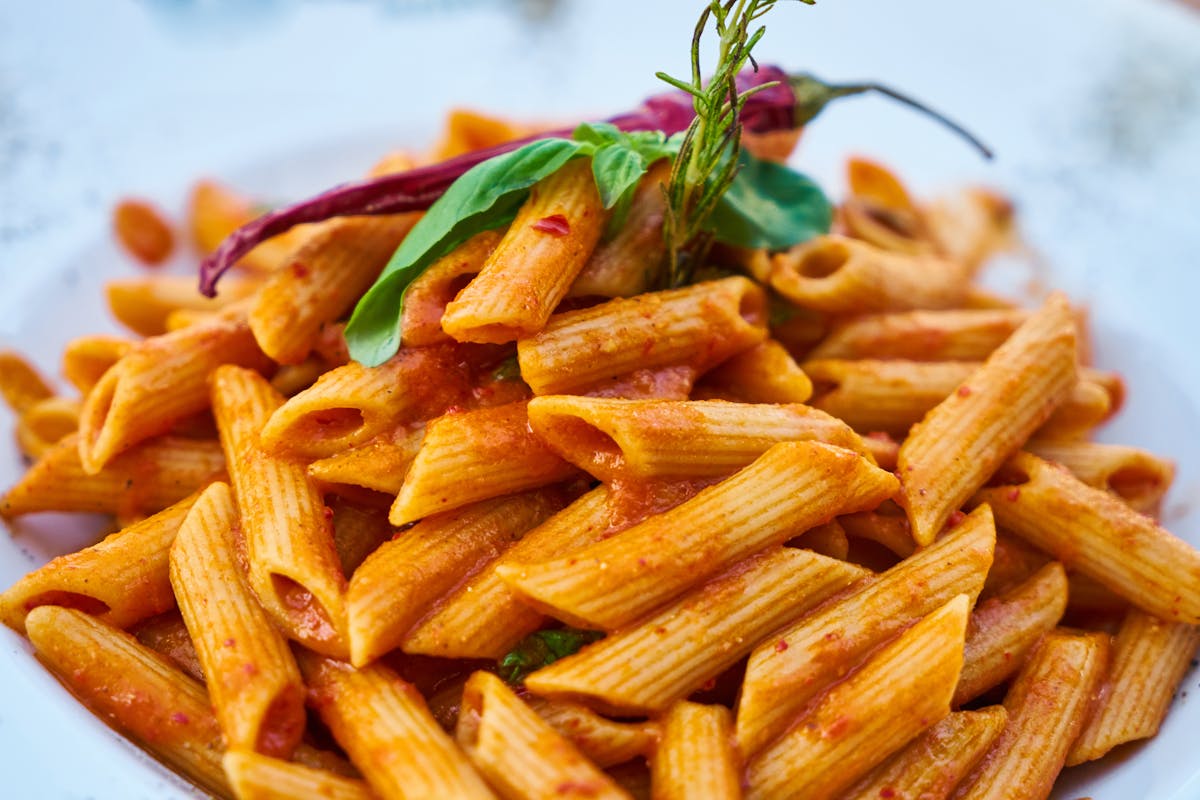
Why Mediterranean & Blue Zones Eating Is Trending Now
The Mediterranean diet has long been a cardiologist’s favorite, but a newer wave of interest in “Blue Zones”—regions where people routinely live into their 90s and beyond in good health—has given it fresh life. Streaming series, podcasts, and social media have turned “eat like a centenarian” into a powerful, hopeful message.
- Shift from dieting to healthspan: People are tired of yo-yo diets and want sustained energy, fewer chronic diseases, and better aging.
- Evidence-backed but flexible: The Mediterranean pattern is supported by large, long-term studies, yet it leaves space for pasta, bread, and dessert.
- Everyday “superfoods”: Olive oil, beans, nuts, herbs, and seasonal produce feel accessible and affordable compared with exotic powders.
On TikTok, YouTube, and Instagram, you’ll find celebrity “what I eat in a day” videos featuring vibrant salads, grilled fish, and hearty lentil stews, along with Mediterranean grocery hauls and Blue Zones breakfast ideas. The through-line? Food that looks and tastes indulgent, but quietly supports long life.

What Are Blue Zones? The Longevity Hotspots
“Blue Zones” is the term used for regions identified by researchers where people enjoy remarkably long, healthy lives. Despite being scattered across the globe, they share striking similarities in how they eat and live.
The best-known Blue Zones include:
- Okinawa, Japan
- Ikaria, Greece
- Sardinia, Italy
- Nicoya Peninsula, Costa Rica
- Loma Linda, California, USA (a community of Seventh-day Adventists)
Their exact dishes differ—miso soup in Okinawa vs. lentils and wild greens in Ikaria—but the pattern is similar: mostly plants, modest portions, plenty of movement, strong social ties, and a sense of purpose.
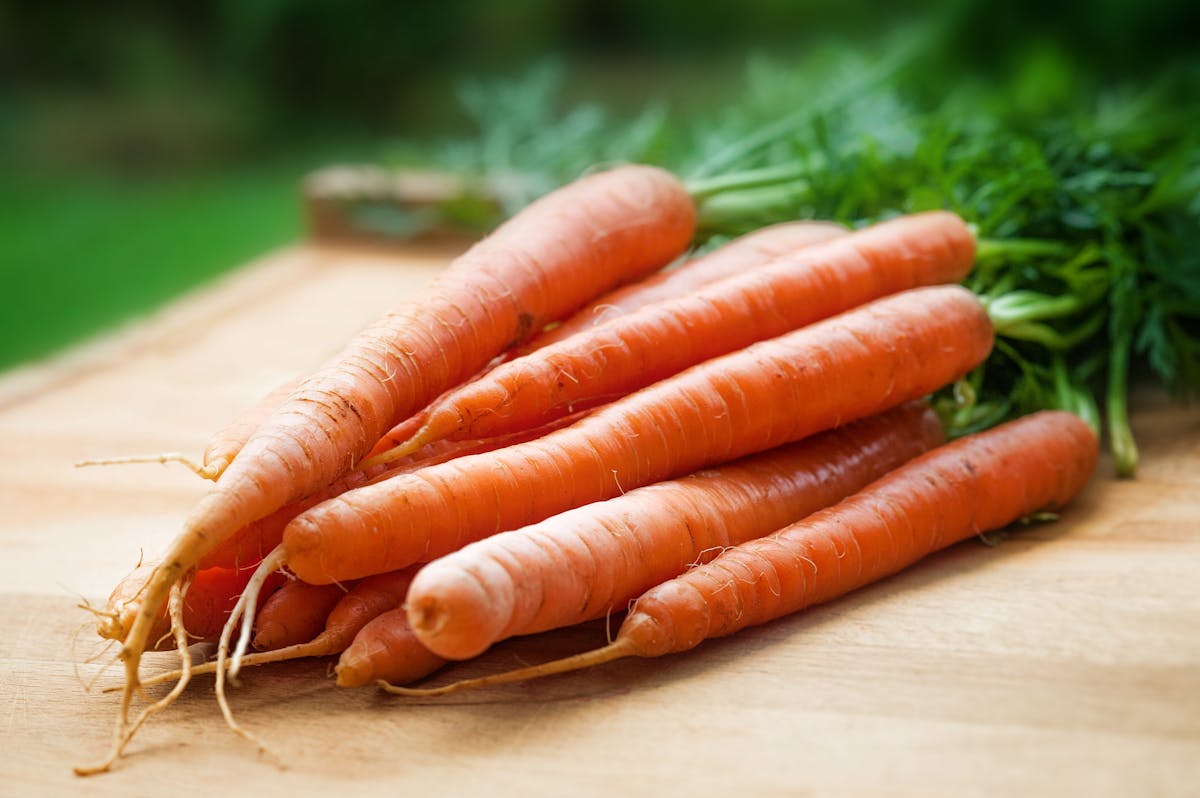
Core Principles of Mediterranean & Blue Zones Style Eating
While there’s no single “official” Mediterranean or Blue Zones diet, long-lived communities share several simple, flavorful habits:
- Plants at the center of the plate
Beans, lentils, chickpeas, and whole grains (like barley, farro, and oats) form the backbone of meals. Vegetables and fruits appear at almost every eating occasion. Imagine a plate that’s mostly color from plants, with animal foods as a small accent. - Olive oil, nuts, and seeds for healthy fats
Extra-virgin olive oil isn’t just a cooking fat—it’s a flavor and a ritual. Nuts like almonds, walnuts, and pistachios show up as snacks, in salads, and even in pestos. These fats create that luscious, satisfying mouthfeel while supporting heart and brain health. - Minimal ultra-processed foods and added sugars
Packaged snacks, sugary drinks, and fast foods are rare. Instead, people rely on simple staples: beans, grains, seasonal produce, homemade soups, and stews. - Modest portions of animal products
Fish—especially oily fish like sardines, mackerel, and salmon—appears a few times a week in Mediterranean regions. Fermented dairy (like yogurt) and small amounts of cheese or eggs might show up regularly but in smaller, respectful portions. - Flavor from herbs, spices, garlic, and onion
Instead of leaning on heavy sauces, these cuisines build layers of taste with rosemary, oregano, basil, cilantro, turmeric, garlic, onion, and citrus. Your kitchen ends up smelling like a seaside taverna or a cozy village kitchen.
“In Blue Zones, the healthiest choices are often the most convenient ones—bowls of beans on the counter, bread baked from whole grains, vegetables growing just outside the door.”
Recipe: One-Pan Mediterranean Chickpea & Vegetable Longevity Skillet
To bring all of these ideas to life, let’s cook a Blue Zones–inspired Mediterranean chickpea skillet. It’s plant-forward, deeply satisfying, and ready in about 30 minutes. Picture tender chickpeas, sweet cherry tomatoes, silky greens, and fragrant garlic simmered in olive oil, finished with lemon and herbs. It’s the kind of meal that feels both rustic and special—perfect for a weeknight or a slow Sunday lunch with friends.

Quick Recipe Summary
Equipment You’ll Need
- Large skillet or sauté pan (preferably with a lid), about 10–12 inches
- Cutting board and chef’s knife
- Can opener
- Wooden spoon or spatula
- Measuring cups and spoons
- Citrus juicer (optional, but helpful)
Ingredients for Mediterranean Chickpea & Vegetable Skillet
These pantry-friendly ingredients create layers of flavor and that classic Mediterranean aroma—garlic sizzling in olive oil, tomatoes softening into a light sauce, and greens wilting just enough to become silky.
Main Ingredients
- 3 Tbsp extra-virgin olive oil
- 1 medium yellow onion, thinly sliced
- 3–4 cloves garlic, finely chopped
- 1 medium red bell pepper, sliced into thin strips
- 1 medium zucchini, halved lengthwise and sliced into half-moons
- 1 cup cherry or grape tomatoes, halved
- 2 cans (15 oz / 400 g each) chickpeas, drained and rinsed
- 3 cups packed baby spinach or chopped kale
- 1/2 cup vegetable broth or water
Seasonings & Aromatics
- 1 1/2 tsp dried oregano
- 1 tsp dried thyme or Italian seasoning
- 1/2 tsp smoked paprika (or sweet paprika)
- 1/4–1/2 tsp crushed red pepper flakes (optional, for gentle heat)
- 1 tsp fine sea salt, plus more to taste
- Freshly ground black pepper, to taste
Finishing Touches
- Juice and zest of 1 lemon
- 1/4 cup chopped fresh parsley, basil, or cilantro (or a mix)
- 2–3 Tbsp toasted nuts (such as almonds, pine nuts, or walnuts), for garnish
- Optional: 1/3 cup crumbled feta cheese (omit for fully vegan)
Step-by-Step Cooking Instructions
Take your time with each step—the gentle sizzle of onions and garlic in olive oil and the burst of tomatoes softening in the pan are part of the pleasure. This is everyday cooking with a longevity twist.
- Warm the olive oil.
Set your skillet over medium heat and pour in the olive oil. Let it warm for about 1 minute, until it shimmers lightly but doesn’t smoke. - Sauté the onion and garlic.
Add the sliced onion and a pinch of salt. Cook for 5–7 minutes, stirring occasionally, until the onion is soft and lightly golden around the edges. Add the chopped garlic and cook 1–2 minutes more, until fragrant. Avoid browning the garlic too much—it should smell sweet, not bitter. - Add bell pepper and zucchini.
Stir in the bell pepper and zucchini. Cook for 4–5 minutes, until the vegetables start to soften but still hold their shape. The edges may take on a bit of color—that caramelization adds flavor. - Layer in tomatoes and seasonings.
Add the cherry tomatoes, oregano, thyme, smoked paprika, red pepper flakes (if using), remaining salt, and a few grinds of black pepper. Stir well and cook for 3–4 minutes, until the tomatoes begin to burst and release their juices, forming a light, saucy base. - Add chickpeas and simmer.
Tip in the drained chickpeas and pour in the vegetable broth or water. Gently stir to coat everything in the fragrant sauce. Reduce the heat to medium-low, cover, and simmer for about 5 minutes. This allows the chickpeas to soak up the flavors and become extra creamy inside. - Wilt the greens.
Add the spinach (or kale) on top of the simmering chickpeas. Cover again for 2–3 minutes, then uncover and stir. The greens should be tender and silky, their deep green color contrasting beautifully with the golden chickpeas and red tomatoes. - Finish with lemon and herbs.
Turn off the heat. Stir in the lemon zest and juice, then add the chopped fresh herbs. Taste and adjust—add a pinch more salt, pepper, or lemon if it needs extra brightness. The flavor should be clean, lively, and well-rounded. - Garnish and serve.
Just before serving, sprinkle toasted nuts and feta (if using) over the top. Serve the skillet straight from the pan to the table, family-style.
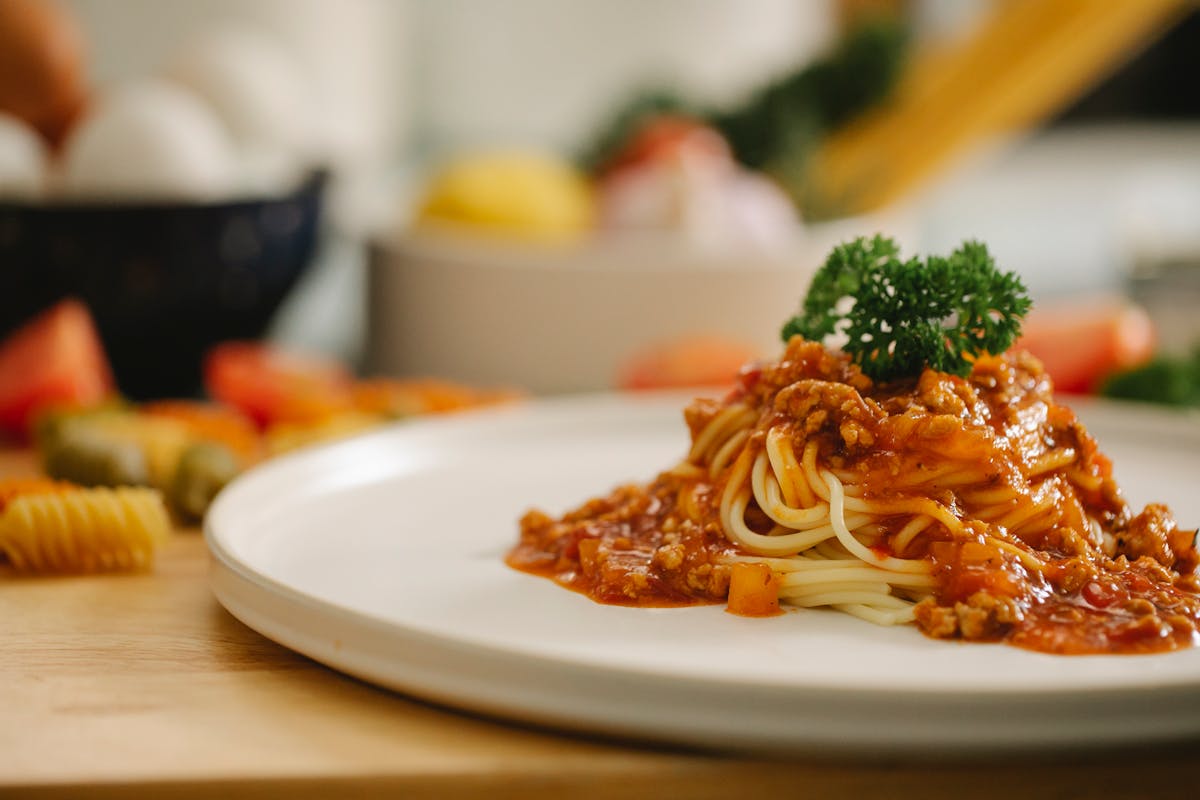
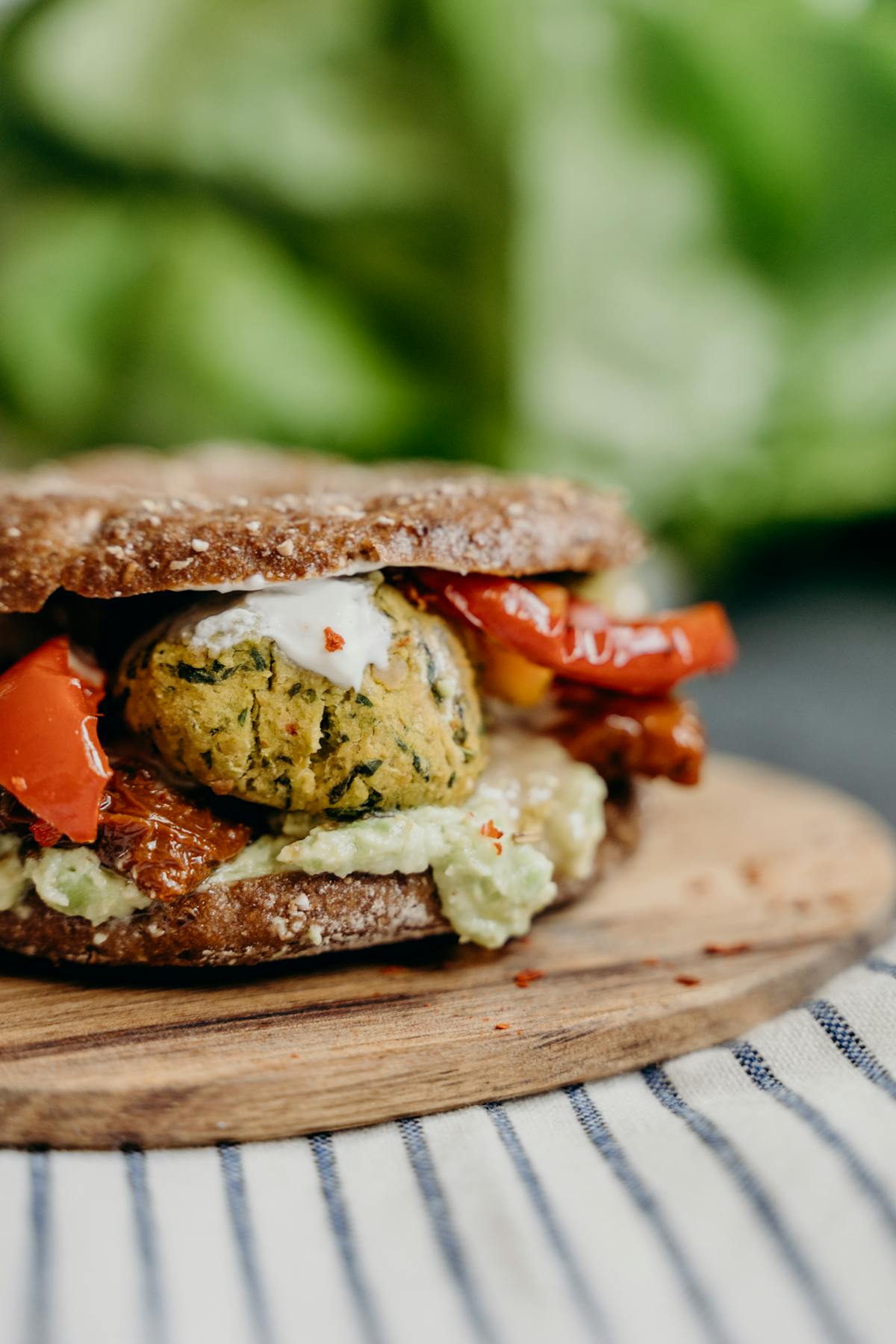
How to Serve Your Mediterranean Longevity Skillet
This dish is wonderfully versatile. Its creamy chickpeas and bright, saucy vegetables pair beautifully with simple sides that echo the Blue Zones way of eating.
- Over whole grains: Spoon over a bed of farro, barley, brown rice, quinoa, or bulgur for a heartier meal.
- With crusty whole-grain bread: Perfect for soaking up the garlicky, lemony juices.
- Alongside a salad: Think simple greens with olive oil and lemon, or a chopped cucumber and tomato salad with herbs.
- As a warm “mezze” centerpiece: Serve with olives, hummus, and a small plate of marinated vegetables.
Variations, Substitutions & Dietary Adaptations
One of the joys of Mediterranean and Blue Zones style cooking is how easily recipes bend to your tastes, pantry, and dietary needs. Use this skillet as a template rather than a strict formula.
For a more traditional Mediterranean twist, stir in a spoonful of olive tapenade or chopped sun-dried tomatoes. For an Okinawan-inspired nod, you might add cubes of sweet potato and a sprinkle of sesame seeds.
Storage & Reheating Tips
This Mediterranean chickpea skillet is excellent for meal prep and tastes even better the next day as the flavors deepen.
- Fridge: Cool completely, then store in an airtight container for up to 4 days.
- Freezer: Portion into freezer-safe containers and freeze for up to 2–3 months. Thaw overnight in the fridge before reheating.
- Reheating on the stove: Warm gently in a skillet over medium-low heat with a splash of water or broth, stirring occasionally, until heated through.
- Reheating in the microwave: Cover loosely and heat in 45–60 second bursts, stirring between each, until hot.
Add a fresh squeeze of lemon and a sprinkle of herbs after reheating to revive that just-cooked brightness.
Bringing Blue Zones Principles Into Everyday Life
Eating this way isn’t about perfection; it’s about gentle, consistent shifts. Here are a few Blue Zones-inspired habits you can start weaving into your routine:
- Build meals around plants first. Start with beans, lentils, or whole grains, then add vegetables, then small portions of animal foods if you use them.
- Make olive oil your default fat. Drizzle it on salads, cooked vegetables, and grains for flavor and satiety.
- Keep beans and nuts visible. A bowl of fruit and a jar of nuts on the counter makes healthy choices the easy ones.
- Eat slowly, ideally with others. Blue Zones meals are social—try to sit, breathe, and savor instead of rushing.
- Pair food with movement. A gentle walk after meals is a simple, powerful tradition in many long-lived cultures.
Above all, let this way of eating feel joyful. Fill your kitchen with the scent of garlic and herbs, cook big pots of beans, and invite people you love to the table. That’s the real heart of Mediterranean and Blue Zones style longevity.
