
Mediterranean Diet Reboot: How Blue Zones and Celebs Turned a Classic Into the Ultimate Longevity Lifestyle
The Mediterranean Diet Reboot: Longevity, Blue Zones, and Modern Hype
The Mediterranean diet is having a moment—again. Framed as a “forever diet” for longevity, heart health, and everyday joy, it’s back in the spotlight thanks to Blue Zones documentaries, celebrity praise, and a steady drumbeat of scientific support. Yet beneath the trendiness is something beautifully old‑fashioned: a way of eating rooted in the traditional cuisines of coastal Greece, Italy, Spain, and other countries that hug the Mediterranean Sea.
Picture a table scattered with bowls of plump olives, rustic whole‑grain breads, grilled fish glistening with golden extra‑virgin olive oil, and plates piled high with ripe tomatoes, leafy greens, beans, and fragrant herbs. There’s an irresistible mix of bright acidity from lemon, the grassy perfume of olive oil, the gentle smokiness of charred vegetables, and the satisfying chew of whole grains. It’s generous, social food designed for sharing—food that happens to be remarkably good for you.
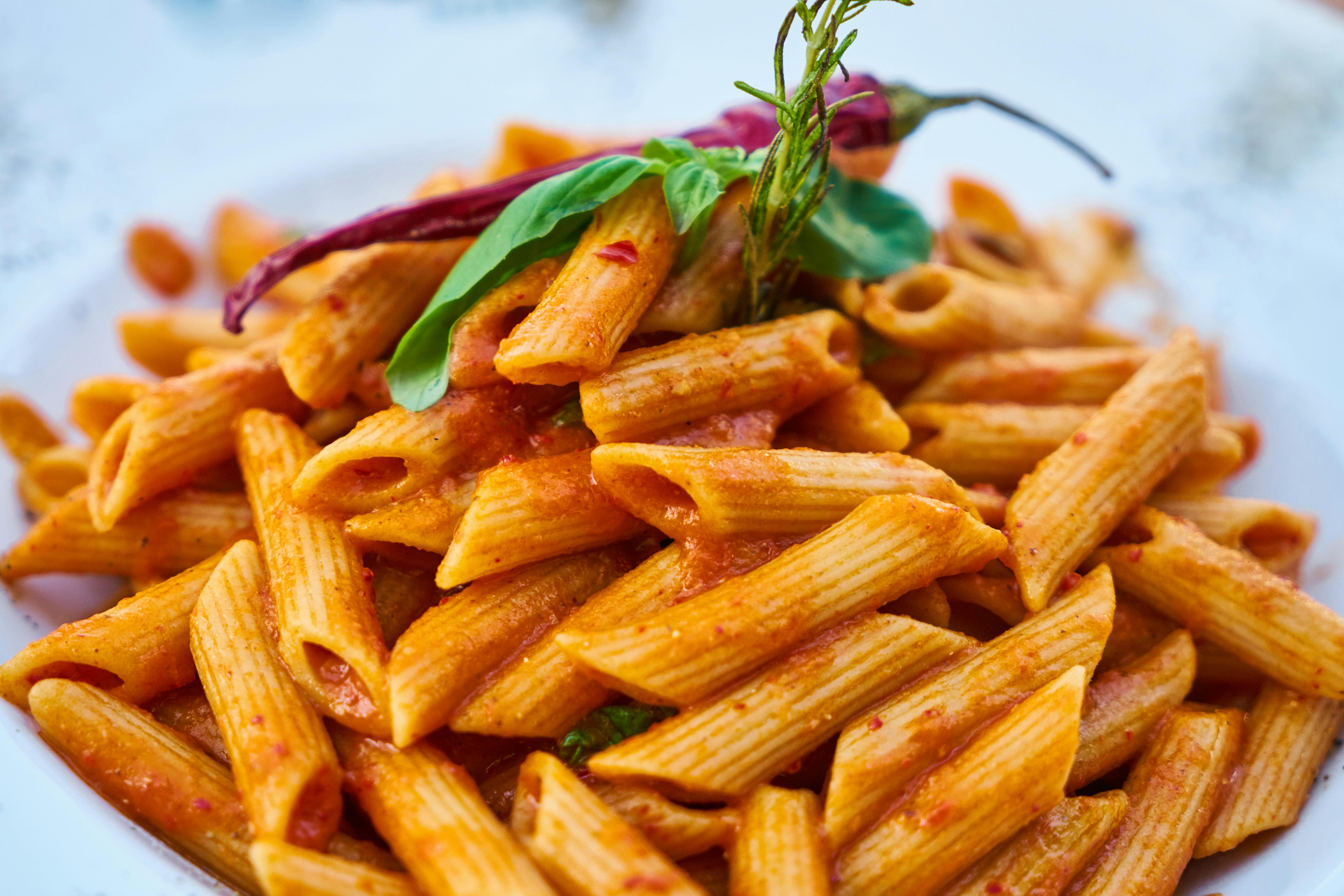
In this rebooted moment, the Mediterranean diet is being reframed less as a “diet” and more as a lifestyle pattern: one that fits easily into modern life, supports healthy aging, and still leaves room for pleasure, culture, and comfort. Let’s explore why it keeps returning to center stage—and then cook a simple, deeply Mediterranean bowl you can bring to your own table tonight.
What the Mediterranean Diet Really Is (and Isn’t)
The Mediterranean diet isn’t a rigid set of rules or a hyper‑structured meal plan. It’s more accurate to call it an eating pattern or a culinary philosophy. Different Mediterranean regions eat differently—Sardinia isn’t Crete, and coastal Spain isn’t the same as southern Italy—but they share a common foundation.
- Plants at the center: Vegetables, fruits, legumes, whole grains, nuts, and seeds form the bulk of most meals.
- Olive oil as the star fat: Especially extra‑virgin olive oil (EVOO), used for cooking, dressing, and drizzling.
- Seafood often, meat less often: Moderate fish and seafood; smaller amounts of poultry and eggs.
- Red and processed meats are limited: Enjoyed occasionally, not as a daily staple.
- Sweets are treats: Desserts and sugary foods are limited, often reserved for special occasions.
- Mostly minimally processed: Few ultra‑processed packaged snacks; more simple, recognizable ingredients.
- Wine is optional: Some cultures include moderate wine with meals, but it is not essential and remains controversial in health guidance.
In practice, this means dishes like chickpea stews simmered with tomatoes and herbs, grilled sardines with lemon and parsley, Greek salads with ripe cucumbers and feta, whole‑grain pasta tossed with vegetables and olive oil, and mezze spreads of hummus, smoky eggplant dips, olives, and warm pita.
“Think of the Mediterranean diet as a long conversation between the land, the sea, and the people who cook. Plants lead, olive oil sings backup, and everything else plays a small but meaningful part.”
Why the Mediterranean Diet Is Trending Again
The Mediterranean diet isn’t new—but its popularity is definitely getting a fresh push. Several cultural currents are flowing together to make it feel like the ultimate “rebooted” lifestyle diet.
1. Blue Zones and the Promise of Longevity
Blue Zones—regions where people tend to live longer, healthier lives—have captured the imagination through documentaries, books, and podcasts. Places like Ikaria (Greece) and Sardinia (Italy) highlight eating patterns that look very Mediterranean: beans and lentils simmered in olive oil, piles of greens, simple breads, herbs, and modest amounts of animal products.
This frames the Mediterranean diet as more than just heart‑healthy; it becomes a longevity lifestyle, associated with graceful aging, maintained mobility, and lower risk of chronic illnesses.
2. Celebrity and Influencer Endorsements
Many public figures in wellness, entertainment, and sports now casually refer to a Mediterranean‑style approach as their “default” way of eating: lots of plants and fish, healthy fats, almost no ultra‑processed foods. Compared to dramatic cleanse programs or extreme low‑carb trends, it sounds refreshingly sane—and sustainable.
3. Steady, Consistent Science
Large, long‑term studies have repeatedly linked Mediterranean eating patterns with lower risks of cardiovascular disease, type 2 diabetes, certain cancers, and cognitive decline. This consistency sets it apart from many fad diets that flare up on social media but fade when evidence doesn’t hold.
4. Flexible, Enjoyable, and Social
Another reason for the Mediterranean reboot is joy. Social media is full of colorful grain bowls with chickpeas, roasted vegetables glistening with olive oil, Greek salads, and mezze boards that look like mini parties. It doesn’t feel like “being on a diet”—it feels like eating well.
You can also adapt it to almost any culture: swap in local grains, herbs, and vegetables, use olive oil in familiar dishes, and lean into legumes and nuts as daily staples.
5. Built‑In “Superfoods”
The Mediterranean pattern naturally highlights foods often labeled as “superfoods”:
- Extra‑virgin olive oil: Rich in monounsaturated fats and polyphenols, with anti‑inflammatory properties.
- Fatty fish: Salmon, sardines, and mackerel bring omega‑3 fats that support heart and brain health.
- Nuts and seeds: Walnuts, almonds, pistachios, and sesame seeds add crunch, healthy fats, and minerals.
- Legumes: Chickpeas, lentils, and beans provide plant protein, fiber, and slow‑digesting carbs.
Instead of chasing a single miracle ingredient, the Mediterranean diet weaves these foods into everyday meals.
A Mediterranean Diet Recipe to Try: Longevity Chickpea & Roasted Veggie Bowl
To bring this way of eating to life, let’s cook a simple, Mediterranean Chickpea & Roasted Vegetable Bowl. It’s naturally vegetarian (and easily vegan), rich in fiber, plant protein, and healthy fats, and it tastes like something you’d happily eat on a sunny terrace overlooking the sea—even if you’re in a tiny city kitchen.
You’ll roast a rainbow of vegetables until they’re sweet and caramelized, toss warm chickpeas with olive oil, lemon, and herbs, and serve everything over a bed of whole grains with a bright, garlicky dressing. Every bite has contrast: soft and creamy chickpeas, chewy grains, tender vegetables with crispy edges, and the lush silkiness of extra‑virgin olive oil.

Recipe Summary: Mediterranean Chickpea & Roasted Vegetable Bowl
Prep Time: 20 minutes
Cook Time: 30–35 minutes
Total Time: 50–55 minutes
Servings: 4 bowls
Difficulty: Easy
Diet: Vegetarian, easily Vegan, Mediterranean diet–friendly
Ingredients for Mediterranean Chickpea & Roasted Veggie Bowl
For the Bowl
- 1 cup (190 g) uncooked whole grains (quinoa, farro, or brown rice)
- 2 cups (about 330 g) cooked chickpeas (or 1 can, drained and rinsed)
- 1 medium eggplant, cut into 2.5 cm (1‑inch) cubes
- 1 medium zucchini, sliced into half‑moons
- 1 large red bell pepper, chopped into bite‑sized pieces
- 1 small red onion, sliced into wedges
- 1 cup (150 g) cherry tomatoes, left whole
- 3 tablespoons extra‑virgin olive oil, divided (plus more for drizzling)
- 1 teaspoon kosher salt, plus more to taste
- ½ teaspoon freshly ground black pepper
- 1 teaspoon dried oregano (or Italian seasoning)
- 1 teaspoon ground cumin (optional but delicious with chickpeas)
- 2 handfuls (about 60 g) fresh baby spinach or arugula
- 60 g (about ½ cup) crumbled feta cheese (omit or swap for vegan feta if needed)
- 2 tablespoons toasted nuts or seeds (such as walnuts, almonds, or sunflower seeds)
- Fresh parsley or basil, chopped, for garnish
For the Lemon‑Garlic Olive Oil Dressing
- 3 tablespoons extra‑virgin olive oil
- 2 tablespoons fresh lemon juice (about 1 lemon)
- 1 small garlic clove, finely minced or grated
- ½ teaspoon Dijon mustard (helps emulsify)
- ¼ teaspoon salt, or to taste
- Freshly ground black pepper, to taste
Equipment You’ll Need
- Large baking sheet or roasting pan (or two, if smaller)
- Parchment paper or a silicone baking mat (optional, for easy cleanup)
- Medium saucepan with lid (for grains)
- Mixing bowls (one large, one small)
- Sharp knife and cutting board
- Measuring cups and spoons
- Whisk or fork (for dressing)

Step‑by‑Step Instructions (With Visual Guide)
1. Cook the Whole Grains
- Rinse 1 cup (190 g) of your chosen grains under cool water.
- Cook according to package directions (for quinoa, use 2 cups water and a pinch of salt; bring to a boil, then cover and simmer for 15 minutes). Grains should be tender with a pleasant chew.
- Fluff with a fork and keep warm, covered.
2. Roast the Mediterranean Vegetables
- Preheat your oven to 220 °C (425 °F).
- On a large baking sheet, toss the eggplant, zucchini, red pepper, red onion, and cherry tomatoes with 2 tablespoons olive oil, 1 teaspoon salt, ½ teaspoon black pepper, and 1 teaspoon dried oregano.
- Spread vegetables in a single layer so they have room to brown.
- Roast for 25–30 minutes, stirring once halfway, until edges are caramelized and vegetables are tender. The kitchen should smell sweet and toasty.
3. Warm and Season the Chickpeas
- While the vegetables roast, place the chickpeas in a small pan with a splash of water over low heat, or microwave briefly until just warm.
- Toss with 1 tablespoon olive oil, 1 teaspoon ground cumin (if using), and a small pinch of salt. They should taste nutty and lightly spiced.
4. Whisk the Lemon‑Garlic Olive Oil Dressing
- In a small bowl, whisk together 3 tablespoons olive oil, 2 tablespoons lemon juice, minced garlic, Dijon mustard, ¼ teaspoon salt, and black pepper.
- Taste and adjust seasoning—add more lemon for brightness, more olive oil for richness.
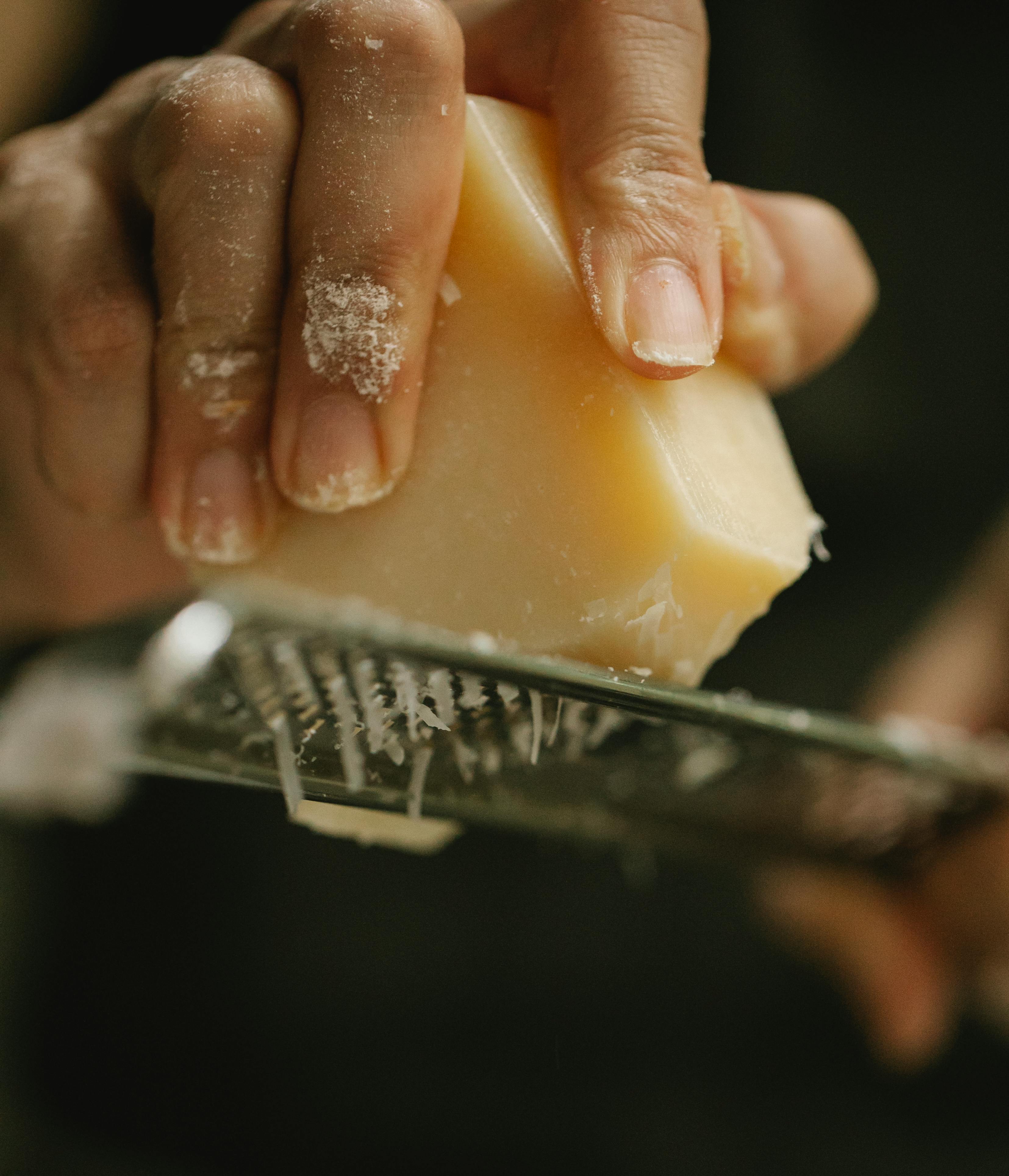
5. Assemble Your Mediterranean Longevity Bowls
- Place a handful of spinach or arugula in the bottom of each bowl.
- Spoon warm grains over the greens, then top with roasted vegetables and seasoned chickpeas.
- Drizzle generously with the lemon‑garlic dressing.
- Finish with crumbled feta, toasted nuts or seeds, and chopped fresh herbs.
- Taste and add a final drizzle of olive oil, squeeze of lemon, or pinch of salt if needed.
Storage, Meal Prep & Reheating Tips
This Mediterranean bowl is perfect for meal prep and supports a Blue Zones–style routine of simple, home‑cooked weekday meals.
- Fridge: Store grains, roasted vegetables, and chickpeas together in an airtight container for up to 4 days. Keep dressing, greens, and toppings (feta, nuts, herbs) separate.
- Freezer: The grain and chickpea‑veg mix can be frozen for up to 2 months. Thaw overnight in the fridge and add fresh greens and toppings before serving.
- Reheating: Reheat grains and vegetables gently in a skillet with a splash of water or in the microwave until hot. Add dressing, greens, and herbs after reheating so they stay bright and fresh.
- Cold option: This bowl is also delicious eaten cold or at room temperature as a Mediterranean salad bowl.
How to Serve: Build a Mediterranean‑Style Meal
On its own, this chickpea & roasted veggie bowl is a complete Mediterranean meal, but you can easily turn it into a small feast that echoes traditional coastal tables.
- With mezze: Add small plates of hummus, olives, and sliced cucumbers with yogurt and herbs.
- With seafood: Serve alongside a simple grilled salmon or sardines with lemon and garlic for extra omega‑3s.
- With bread: Offer warmed whole‑grain or sourdough bread for dipping into olive oil and catching every last drop of dressing.
- With fruit: Finish with fresh seasonal fruit—orange slices, figs, grapes, or berries—for a light, naturally sweet dessert.

Beyond the Bowl: Mediterranean Diet as a Daily Lifestyle
The real magic of the Mediterranean diet reboot isn’t that it’s trendy; it’s that it’s livable. You don’t have to move to a Blue Zone to borrow its wisdom. You can start where you are, with the meals you already make, and layer in Mediterranean patterns:
- Swap butter for extra‑virgin olive oil in everyday cooking.
- Add at least one extra vegetable to tonight’s dinner.
- Plan one legume‑focused meal each week—like this chickpea bowl.
- Choose whole grains most of the time.
- Make meals more social when you can: share with family, friends, or neighbors.
Over time, these small choices add up to an eating style that supports heart health, metabolic health, and—perhaps most importantly—pleasure. The Mediterranean diet reboot isn’t about chasing perfection. It’s about building a table you want to come back to, day after day.
