
Gut Health 2.0: How Fermented Foods and Fiber-Rich Recipes Are Transforming Everyday Eating
Gut Health 2.0 is where solid science meets seriously delicious food: instead of chasing miracle supplements, we’re filling our bowls with tangy fermented foods, fiber‑rich grains and beans, and a rainbow of plants that quietly nourish the microbiome day after day.
Gut-Friendly Kimchi Brown Rice Bowl with Miso Yogurt & Crunchy Seeds
This vibrant, gut‑friendly bowl layers chewy brown rice, crisp‑tender veggies, spicy kimchi, silky miso yogurt, and toasted seeds into a satisfying meal that celebrates the new wave of microbiome‑friendly eating. It’s fiber‑rich, full of plant diversity, and showcases fermented foods in a way that feels comforting, not clinical.
Quick Recipe Summary
- Prep time
- 20 minutes
- Cook time
- 30 minutes
- Total time
- 50 minutes
- Servings
- 4 bowls
- Difficulty
- Easy–Intermediate
- Diet
- High‑fiber, microbiome‑friendly, vegetarian (easily vegan)
Gut Health 2.0: From Trend to Everyday Bowl
The latest wave of gut‑health enthusiasm is less about chasing the newest probiotic pill and more about building meals that naturally support your microbiome. Think fermented foods like kimchi and yogurt, fiber‑rich whole grains and beans, and prebiotic vegetables such as onions and garlic, all woven into comforting, colorful recipes.
This recipe channels that “Gut Health 2.0” mindset into one deeply satisfying bowl: we lean on brown rice for resistant starch (especially if you cook it ahead and reheat), toss in plenty of vegetables for fiber and plant diversity, and crown everything with kimchi and a miso‑spiked yogurt sauce for a friendly hit of live cultures.
While research is still evolving, consistent patterns show that regularly eating fermented foods and a diverse range of plant fibers can support a healthier, more resilient gut microbiome over time.
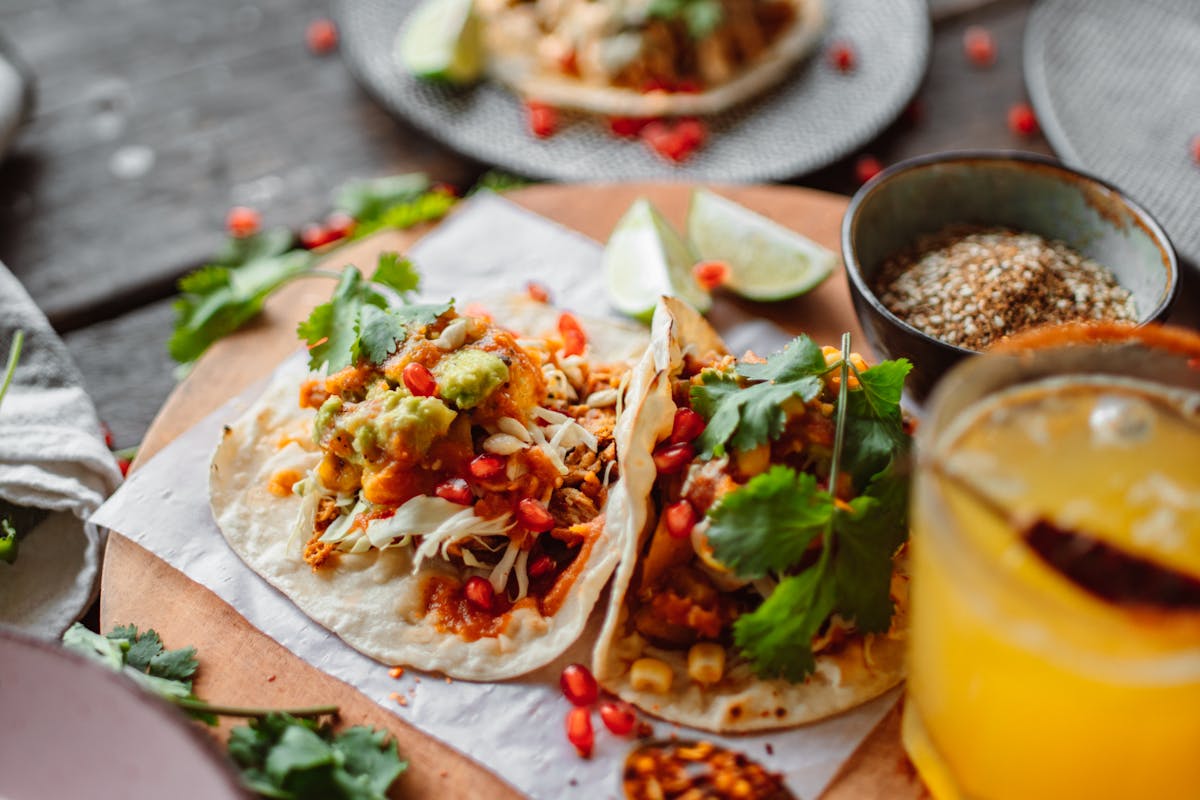
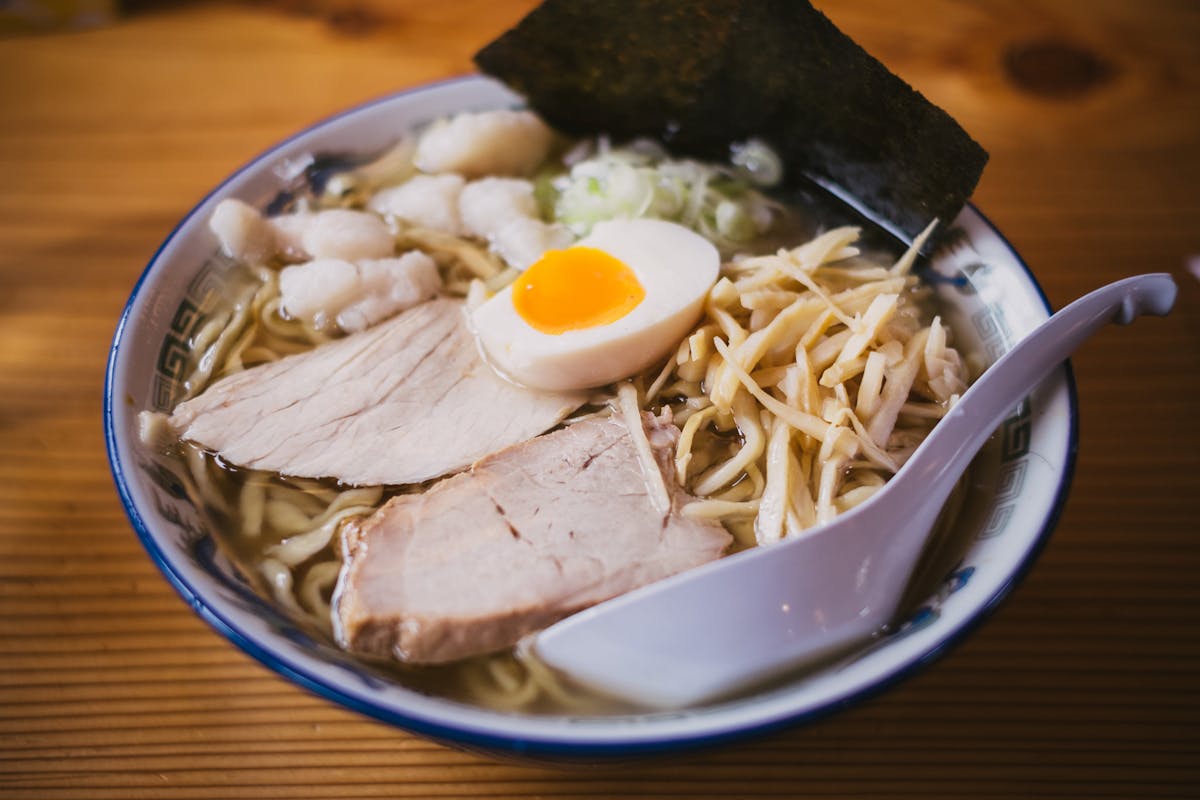
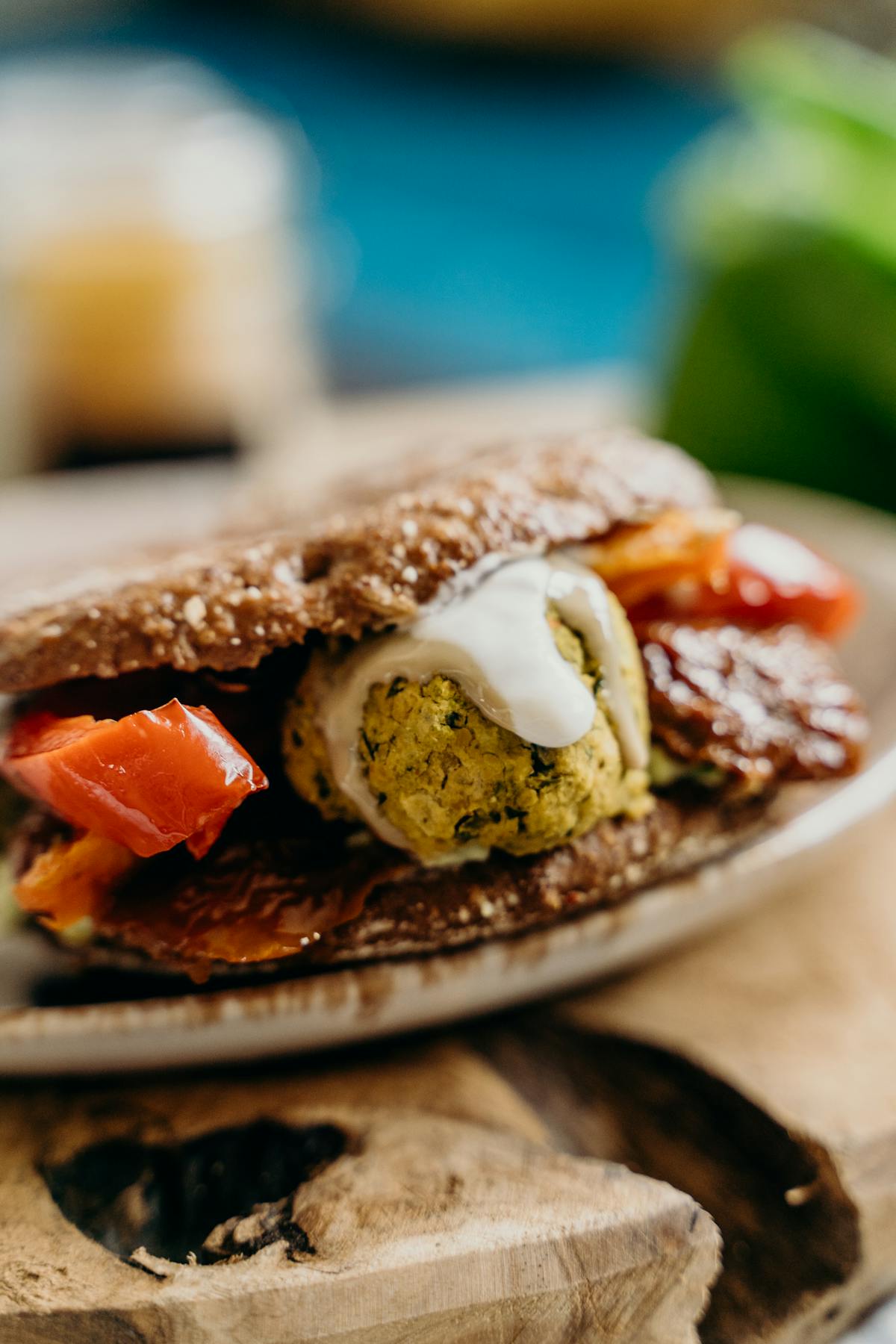
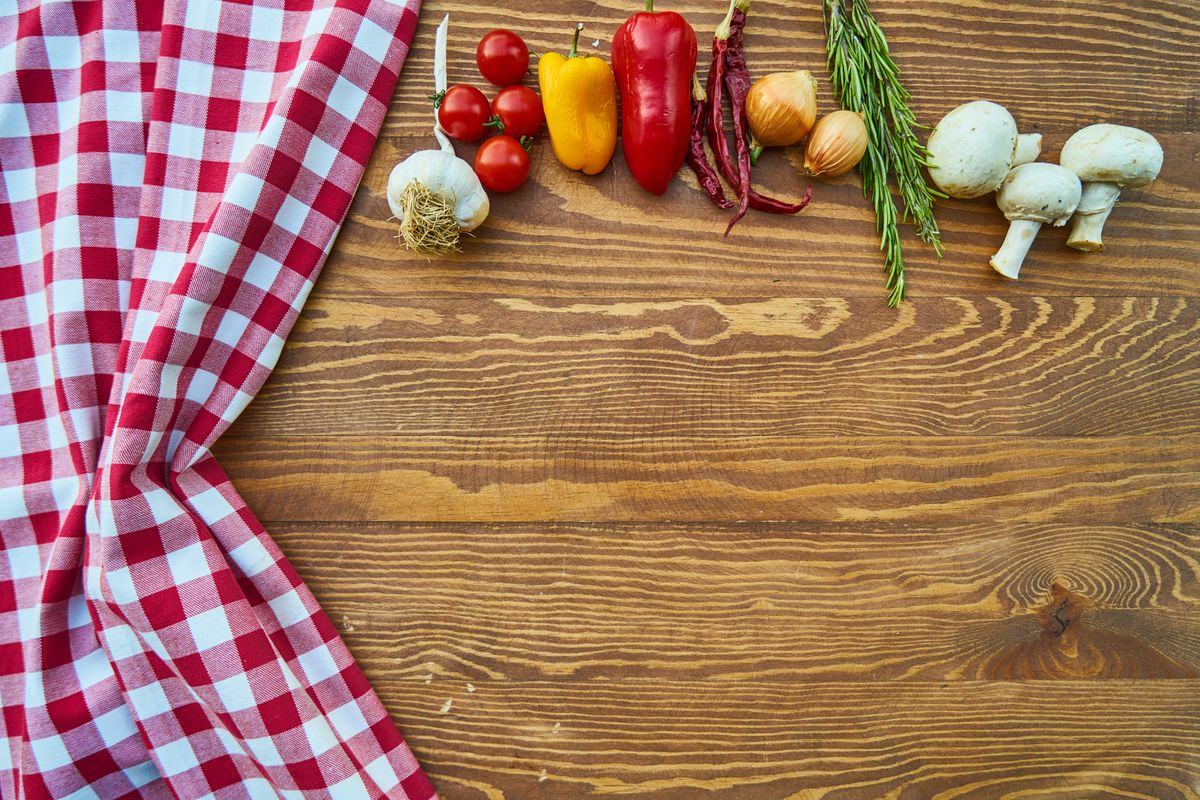
Visual Guide: From Simple Ingredients to a Gut-Loving Bowl


Ingredients: Ferments, Fiber & Plant Diversity
This bowl is designed to tick all the Gut Health 2.0 boxes: fermented foods, plenty of fiber, prebiotics, and lots of different plants in one cozy meal.
For the brown rice base
- 1 ½ cups (285 g) brown rice, uncooked (short or medium grain works well)
- 3 cups (720 ml) water or low‑sodium vegetable broth
- ½ teaspoon fine sea salt
For the veggies & toppings
- 1 tablespoon extra‑virgin olive oil or avocado oil
- 1 small yellow onion, thinly sliced (prebiotic)
- 2 cloves garlic, minced (prebiotic)
- 2 medium carrots, cut into matchsticks or thin coins
- 2 cups (about 60 g) shredded green or purple cabbage
- 3 cups (90 g) baby spinach or kale, roughly chopped
- 1 cup (160 g) cooked beans (such as chickpeas, black beans, or edamame), rinsed and drained
- 1 cup (150 g) kimchi, roughly chopped, plus extra for serving (ensure it’s naturally fermented, not pasteurized after fermenting)
- 3–4 scallions, thinly sliced
- ½ cup (70 g) cucumber, sliced or diced
For the miso yogurt sauce
- 1 cup (240 g) plain unsweetened yogurt (Greek or regular; dairy or plant‑based with live cultures)
- 1 tablespoon white or yellow miso paste
- 1 teaspoon rice vinegar or apple cider vinegar
- 1 teaspoon toasted sesame oil
- 1–2 teaspoons water, as needed, to thin
For the crunchy seed topping
- 2 tablespoons pumpkin seeds (pepitas)
- 2 tablespoons sunflower seeds
- 1 tablespoon sesame seeds or flaxseeds
- Pinch of sea salt
- Optional: pinch of smoked paprika or chili flakes for gentle heat
Equipment You’ll Need
- Medium saucepan with lid (for rice)
- Large skillet or wok (for vegetables and warming rice)
- Small dry skillet (for toasting seeds)
- Mixing bowl and whisk (for miso yogurt sauce)
- Cutting board and sharp knife
- Measuring cups and spoons
- Serving bowls
Step-by-Step Instructions
Don’t worry if you’re new to cooking with fermented foods—this recipe is very forgiving. Think of it as a template you can adapt to whatever vegetables and grains you have on hand.
Cook the brown rice.
Rinse the brown rice under cold water until the water runs mostly clear. In a medium saucepan, combine rice, water or broth, and salt. Bring to a boil, then reduce heat to low, cover, and simmer for 30–35 minutes, or until the liquid is absorbed and the rice is tender but still pleasantly chewy.
Remove from heat, keep covered, and let steam for 5–10 minutes. Fluff with a fork. For extra resistant starch, you can cool the rice completely and refrigerate it for a few hours or overnight, then reheat it later in the skillet.
Prep your vegetables and toppings.
While the rice cooks, slice the onion, mince the garlic, cut the carrots, shred the cabbage, and chop the greens. Rinse and drain your beans. Slice the scallions and cucumber, and roughly chop the kimchi if the pieces are large.
Make the miso yogurt sauce.
In a mixing bowl, whisk together yogurt, miso paste, rice vinegar, and toasted sesame oil until smooth. Add 1–2 teaspoons of water to loosen if needed—the sauce should be spoonable but not runny. Taste and adjust salt or acidity to your liking. Set aside.
Toast the seeds.
Place a small dry skillet over medium heat. Add pumpkin seeds, sunflower seeds, and sesame or flaxseeds. Toast, stirring frequently, for 3–5 minutes, until fragrant and lightly golden in spots. Sprinkle with a pinch of salt and optional smoked paprika or chili flakes. Transfer to a small bowl to cool.
Sauté the aromatics and vegetables.
In a large skillet or wok, heat the olive or avocado oil over medium heat. Add the sliced onion and cook for 3–4 minutes, stirring, until it becomes translucent and starting to soften.
Stir in the garlic and cook for 30 seconds, just until fragrant. Add the carrots and cabbage, along with a pinch of salt, and sauté for 4–5 minutes, until crisp‑tender. Add the chopped greens and cook for another 1–2 minutes, until wilted but still bright.
Warm the rice and beans together.
Add the cooked brown rice and beans to the skillet with the vegetables. Toss everything together gently, adding a splash of water if the pan seems dry. Cook for 2–3 minutes, until the rice and beans are warmed through and the mixture looks cohesive. Taste and adjust seasoning with a bit more salt if needed.
Fold in the kimchi off the heat.
Turn off the heat, then gently fold in about ¾ of the chopped kimchi. Mixing it in off the heat helps preserve more of the live microbes and keeps the texture vibrant. Reserve the remaining kimchi for topping each bowl.
Assemble your gut‑friendly bowls.
Divide the warm rice‑vegetable‑kimchi mixture among 4 bowls. Top each with a generous spoonful of miso yogurt sauce, a small handful of toasted seeds, and the remaining kimchi. Garnish with sliced scallions and cucumber for cool crunch.
Take a moment to notice the aromas—garlicky, nutty, tangy, and toasty—before diving in. This is functional food that feels like comfort food.
Substitutions & Dietary Adaptations
One of the joys of Gut Health 2.0 cooking is flexibility—there’s no single “perfect” bowl. Use what you love and what your body tolerates well.
Make it vegan
- Use a thick, unsweetened plant yogurt (such as coconut, soy, or oat) that lists “live active cultures.”
- Ensure your kimchi is vegan (many traditional versions contain fish sauce or shrimp paste).
Gluten‑free notes
- Brown rice is naturally gluten‑free, but check your miso—some varieties are made with barley or wheat.
- Look for gluten‑free miso made from rice, chickpeas, or soybeans only.
Low‑FODMAP or sensitive tummy tweaks
- Reduce or omit onion and garlic; use the green tops of scallions and chives for gentler flavor.
- Use smaller portions of kimchi and beans at first, gradually increasing as tolerated.
- Swap cabbage for low‑FODMAP greens like bok choy or certain lettuces if you know cabbage triggers symptoms.
Grain & veg swaps
- Substitute quinoa, millet, or barley (if tolerated) for the brown rice.
- Use any mix of seasonal vegetables: zucchini, bell peppers, broccoli, or roasted sweet potato cubes all work beautifully.
- Try other fermented toppings like sauerkraut, tempeh cubes, or a splash of kombucha‑based dressing.
Storage & Reheating
This recipe is perfect for meal prep and “what I eat in a day for gut health” style planning. Keep a few components separate for best texture.
- Rice & veggie mixture: Store in an airtight container in the refrigerator for up to 4 days. Reheat gently in a skillet over medium‑low heat with a splash of water or broth, or in the microwave with a cover until steaming hot.
- Miso yogurt sauce: Keep in a sealed jar or container in the fridge for up to 4 days. Stir before using; thin with a splash of water or vinegar if it thickens.
- Kimchi: Store in its original jar in the fridge. Use a clean utensil each time. It will continue to ferment and become more sour over time.
- Toasted seeds: Once cooled, store in an airtight container at room temperature for up to 1 week, or in the fridge for extra freshness.
Serving Ideas & Complementary Gut-Friendly Dishes
Turn this single bowl into a full, microbiome‑friendly menu by pairing it with simple sides and snacks that highlight fermented foods and fiber.
- Starter: A small bowl of miso soup with seaweed and tofu, or a light side salad with mixed greens, radishes, and a kombucha‑based vinaigrette.
- Side dish: A plate of assorted fermented veggies—sauerkraut, pickled carrots, and sliced cucumbers—drizzled with a touch of olive oil.
- Drink: A glass of naturally fermented kombucha or water kefir, or simply water infused with ginger and lemon.
- Gut‑friendly dessert: A yogurt parfait layered with oats or chia seeds, berries, and a sprinkle of nuts and seeds for extra fiber.
Remember, no single recipe can “fix” your gut, but building these kinds of fiber‑rich, fermented, plant‑diverse meals into your weekly routine can gently nudge your microbiome in a supportive direction—without giving up pleasure at the table.
Why This Bowl Loves Your Microbiome
Nutrition science is still uncovering all the ways our gut microbes interact with digestion, immunity, inflammation, and even mood. While there’s no one‑size‑fits‑all prescription, several patterns show up consistently in research and in the Gut Health 2.0 conversation.
- Fermented foods: Kimchi, miso, and yogurt are natural sources of beneficial microbes. Regular intake—rather than massive doses all at once—seems to matter most.
- Fiber diversity: Brown rice, beans, vegetables, and seeds together offer soluble and insoluble fibers that different microbes can use as fuel.
- Prebiotics & resistant starch: Onions, garlic, and cooled‑then‑reheated brown rice provide special fibers (including resistant starch) that may encourage more favorable microbial populations.
- Whole‑food focus: Meals like this naturally crowd out ultra‑processed foods and additives that some research links with less favorable microbiome patterns.
This information is for general education and inspiration only and isn’t a substitute for personalized medical or nutrition advice. If you live with IBS, IBD, or other digestive conditions, it’s always wise to work with a healthcare professional or dietitian who understands your specific needs.
Structured Recipe Data (Schema.org)
The following JSON-LD snippet provides structured data for this gut‑friendly recipe, helping search engines understand and feature it more effectively.
{
  "@context": "https://schema.org",
  "@type": "Recipe",
  "name": "Gut-Friendly Kimchi Brown Rice Bowl with Miso Yogurt & Crunchy Seeds",
  "description": "A high-fiber, microbiome-friendly rice bowl featuring brown rice, sautéed vegetables, kimchi, miso yogurt, and toasted seeds. Inspired by the Gut Health 2.0 trend that emphasizes fermented foods, plant diversity, and whole-food ingredients.",
  "keywords": "gut health, fermented foods, kimchi bowl, high fiber, microbiome friendly, miso yogurt, brown rice recipe, gut-friendly dinner, healthy rice bowl",
  "author": {
    "@type": "Person",
    "name": "Home Kitchen Gut Health Enthusiast"
  },
  "recipeCuisine": "Fusion",
  "recipeCategory": "Main course",
  "recipeYield": "4 bowls",
  "prepTime": "PT20M",
  "cookTime": "PT30M",
  "totalTime": "PT50M",
  "recipeIngredient": [
    "1 1/2 cups (285 g) brown rice, uncooked",
    "3 cups (720 ml) water or low-sodium vegetable broth",
    "1/2 teaspoon fine sea salt",
    "1 tablespoon extra-virgin olive oil or avocado oil",
    "1 small yellow onion, thinly sliced",
    "2 cloves garlic, minced",
    "2 medium carrots, cut into matchsticks or thin coins",
    "2 cups shredded green or purple cabbage",
    "3 cups baby spinach or kale, roughly chopped",
    "1 cup (160 g) cooked beans (chickpeas, black beans, or edamame), rinsed and drained",
    "1 cup (150 g) kimchi, roughly chopped, plus extra for serving",
    "3–4 scallions, thinly sliced",
    "1/2 cup (70 g) cucumber, sliced or diced",
    "1 cup (240 g) plain unsweetened yogurt (or plant-based yogurt with live cultures)",
    "1 tablespoon white or yellow miso paste",
    "1 teaspoon rice vinegar or apple cider vinegar",
    "1 teaspoon toasted sesame oil",
    "1–2 teaspoons water, as needed",
    "2 tablespoons pumpkin seeds (pepitas)",
    "2 tablespoons sunflower seeds",
    "1 tablespoon sesame seeds or flaxseeds",
    "Pinch of sea salt",
    "Optional: pinch of smoked paprika or chili flakes"
  ],
  "recipeInstructions": [
    {
      "@type": "HowToStep",
      "name": "Cook the brown rice",
      "text": "Rinse the brown rice until the water runs mostly clear. Combine rice, water or broth, and salt in a saucepan. Bring to a boil, then cover and simmer over low heat for 30–35 minutes until tender. Remove from heat and let steam, covered, for 5–10 minutes, then fluff with a fork."
    },
    {
      "@type": "HowToStep",
      "name": "Prep vegetables and toppings",
      "text": "Slice the onion, mince the garlic, cut the carrots, shred the cabbage, and chop the greens. Rinse and drain the beans. Slice scallions and cucumber, and roughly chop the kimchi."
    },
    {
      "@type": "HowToStep",
      "name": "Make the miso yogurt sauce",
      "text": "Whisk yogurt, miso paste, vinegar, and toasted sesame oil until smooth. Thin with 1–2 teaspoons water if needed. Taste and adjust seasoning. Set aside."
    },
    {
      "@type": "HowToStep",
      "name": "Toast the seeds",
      "text": "In a small dry skillet, toast pumpkin, sunflower, and sesame or flaxseeds over medium heat for 3–5 minutes until fragrant and lightly golden. Season with a pinch of salt and optional smoked paprika or chili flakes. Transfer to a bowl to cool."
    },
    {
      "@type": "HowToStep",
      "name": "Sauté aromatics and vegetables",
      "text": "In a large skillet, heat oil over medium heat. Cook onion for 3–4 minutes until translucent. Add garlic and cook 30 seconds. Add carrots and cabbage with a pinch of salt and sauté 4–5 minutes until crisp-tender. Add greens and cook 1–2 minutes more until wilted."
    },
    {
      "@type": "HowToStep",
      "name": "Warm rice and beans",
      "text": "Add cooked brown rice and beans to the skillet. Toss gently with the vegetables, adding a splash of water if needed. Cook 2–3 minutes, until warmed through. Adjust seasoning with salt if desired."
    },
    {
      "@type": "HowToStep",
      "name": "Fold in kimchi off heat",
      "text": "Turn off the heat and gently fold in about three-quarters of the chopped kimchi to preserve more live cultures. Reserve the remaining kimchi for topping."
    },
    {
      "@type": "HowToStep",
      "name": "Assemble the bowls",
      "text": "Divide the warm rice-vegetable mixture among 4 bowls. Top with miso yogurt sauce, toasted seeds, reserved kimchi, scallions, and cucumber. Serve immediately."
    }
  ],
  "image": [
    "https://images.pexels.com/photos/3024559/pexels-photo-3024559.jpeg?auto=compress&cs=tinysrgb&w=1200"
  ]
}
