
Mediterranean Diet 2.0: How Blue Zones & Celebrity Wellness Turned a Classic Into the Ultimate Longevity Lifestyle
Mediterranean Diet 2.0: Longevity, Blue Zones & Celebrity Wellness
The Mediterranean diet is having a true comeback moment—not as a “quick-fix” weight-loss plan, but as a colorful, deeply satisfying way of eating tied to longevity, Blue Zones, and modern wellness culture. From buzzy documentaries to celebrities casually name-dropping their “Mediterranean-style” meals, this classic pattern is being refreshed as a lifestyle that nourishes the heart, brain, and soul.
At its core, this way of eating celebrates simple, seasonal ingredients: ripe tomatoes glistening with extra-virgin olive oil, bowls of earthy lentil soup, grilled fish scented with lemon and herbs, and crusty whole-grain bread torn and shared around a lively table. Mediterranean Diet 2.0 keeps all that goodness—and adds a renewed focus on movement, stress relief, and joyful social connection.
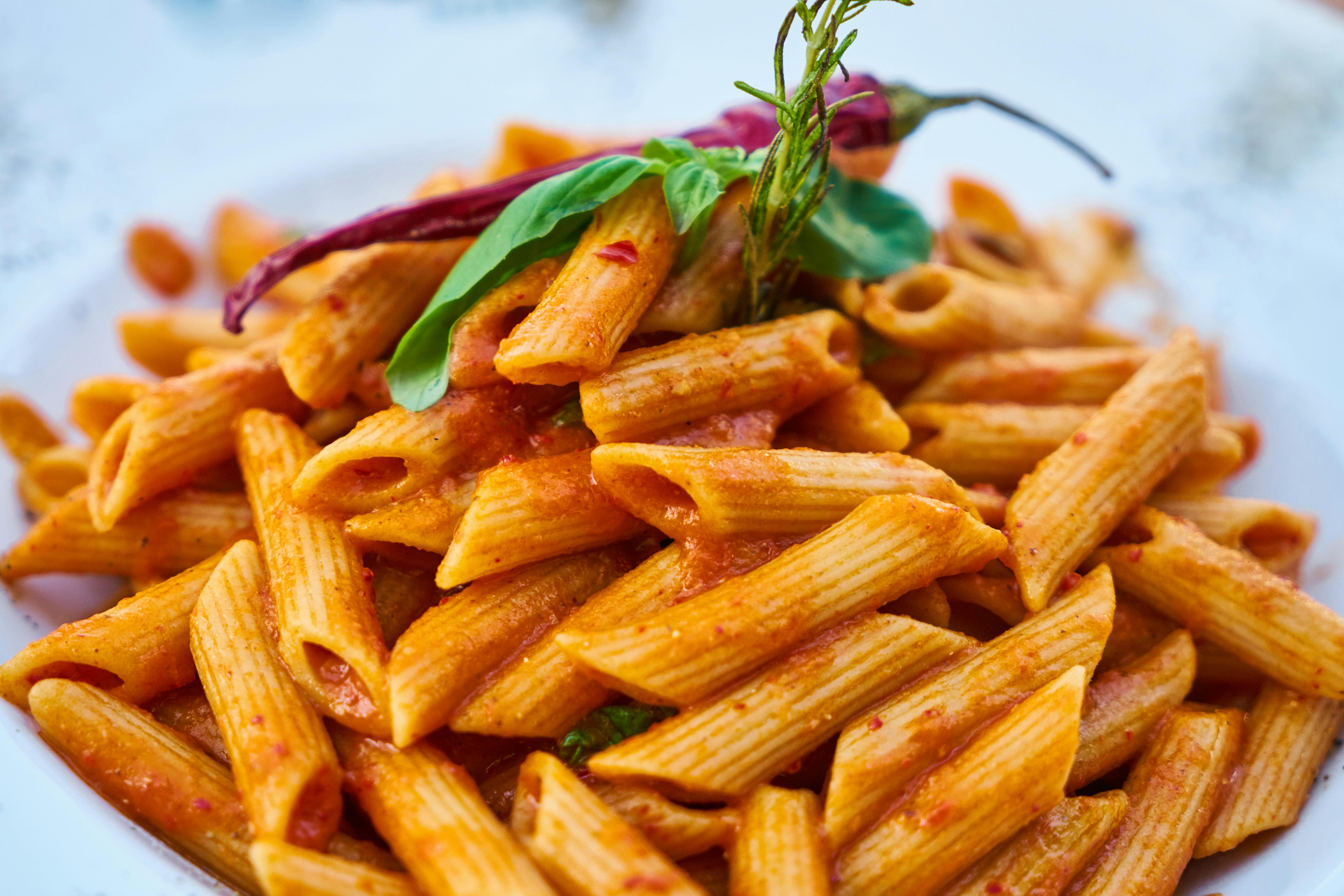
Quick Snapshot: Mediterranean Diet 2.0 & Longevity
If you’re craving an eating pattern that feels generous instead of punishing, the Mediterranean diet checks every box. It’s one of the most researched diets for heart health and healthy aging, and today’s “Mediterranean 2.0” buzz simply modernizes a timeless template.
- Core idea: Plant-forward, olive-oil rich, minimally processed, and deeply enjoyable.
- Longevity link: Strongly associated with lower cardiovascular risk, better cognitive aging, and reduced all-cause mortality.
- Blue Zones connection: Closely mirrors eating patterns in long-lived regions like Ikaria (Greece) and Sardinia (Italy).
- Mediterranean Diet 2.0 twist: Bundles food with walking, sleep, stress reduction, and social meals.
- Cultural moment: Trending on TikTok, Instagram Reels, podcasts, and celebrity wellness routines.
What Is the Mediterranean Diet, Really?
The Mediterranean diet isn’t a rigid rulebook; it’s a pattern built from the traditional cuisines of countries bordering the Mediterranean Sea—think Greece, Italy, Spain, parts of the Middle East, and North Africa. Every region has its own delicious accents, but the backbone is the same: plants first, olive oil, seafood, and plenty of flavor.
It’s less “Do I have permission to eat this?” and more “How can I build a beautiful plate that loves my body back?”
- Vegetables & fruits: Eaten generously and often, in many colors and forms—raw, roasted, stewed, grilled.
- Legumes: Chickpeas, lentils, beans for plant protein and fiber.
- Whole grains: Whole-grain bread, barley, farro, bulgur, oats, brown rice.
- Nuts & seeds: Almonds, walnuts, pistachios, sesame, sunflower seeds.
- Olive oil: The hero fat—especially extra-virgin—for cooking, dressing, and drizzling.
- Seafood: Fish and shellfish a few times per week.
- Fermented dairy: Yogurt and cheese in moderate amounts.
- Minimal red & processed meat: Enjoyed occasionally, not daily.
- Wine with meals: Sometimes, and always optional; many Blue Zones are alcohol-free.

Blue Zones & Longevity: Why Mediterranean Eating Keeps Trending
Interest in the Mediterranean diet has surged again alongside the rise of Blue Zones—regions where people routinely live into their 90s and 100s with relatively low rates of chronic disease. Places like Ikaria (Greece) and Sardinia (Italy) eat in ways that look remarkably Mediterranean: lots of plants, pulses, whole grains, and olive oil, with animal foods as accents, not the center of the plate.
Documentaries, bestselling books, and viral infographics have turned Blue Zones into a kind of roadmap for graceful aging. The magic isn’t a single “superfood,” but a whole ecosystem of habits: walking up hills, gardening, napping, gathering with friends, and lingering over simple, hearty meals.
- Food pattern: High in fiber, antioxidants, and healthy fats; low in ultra-processed foods and added sugars.
- Daily movement: Walking, manual work, and natural physical activity.
- Social connection: Meals are shared; isolation is rare.
- Stress relief: Built-in rituals like afternoon rests or prayer/meditation.
Mediterranean Diet 2.0: From Restrictive “Diets” to a Joyful Lifestyle
The “Mediterranean Diet 2.0” label you see on social media is really a rebranding of a classic as a lifestyle, not a rigid diet. Influencers and longevity-focused doctors are packaging it as a holistic blueprint: eat Mediterranean-style, walk more, sleep better, and cultivate meaningful relationships.
You’ll see grain bowls loaded with chickpeas and tahini, quick sardine toasts, lentil soups, Greek-style yogurt parfaits, and veggie-packed sheet pan dinners proudly tagged as “Mediterranean,” “Blue Zone-inspired,” or “anti-inflammatory.” For burned-out dieters, this is refreshing—it’s about what you add to your plate, not just what you remove.
- Allows bread & pasta: Especially whole-grain and in reasonable portions, often paired with vegetables and beans.
- Friendly to healthy fats: Olive oil, nuts, seeds, and avocado are celebrated, not feared.
- Flexible: Works for omnivores, pescatarians, and those leaning plant-based.
- Long-term focus: Emphasizes sustainability and enjoyment over rapid transformation.
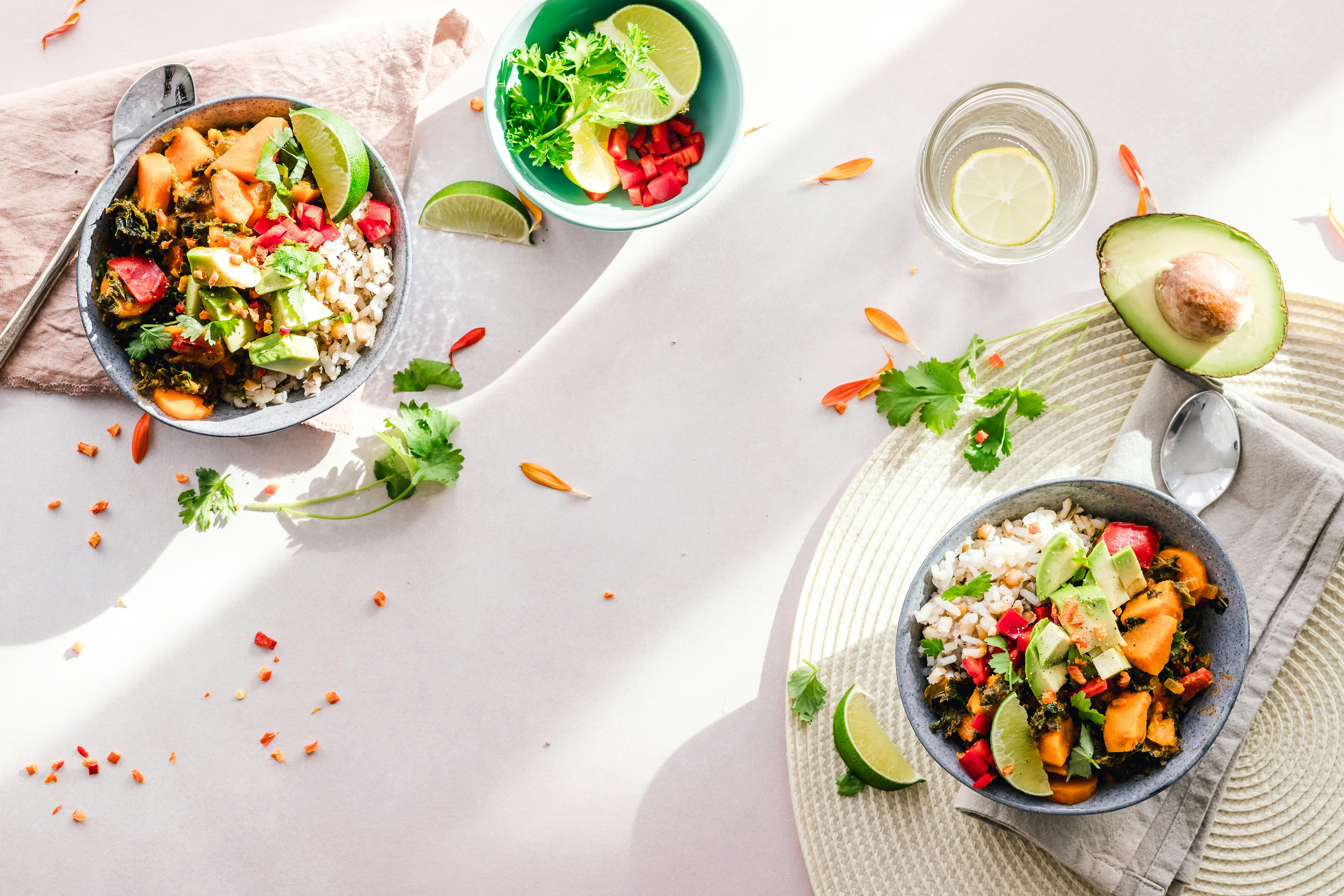
Celebrity Wellness, Social Media & the “Forever Diet” Appeal
Many celebrities and wellness personalities now describe some version of Mediterranean or Mediterranean-inspired eating as their default. Compared to strict keto, carnivore, or juice cleanses, this style feels relaxed, indulgent, and realistic for busy lives—yet still aligned with weight management and metabolic health.
On TikTok and Instagram Reels, quick “Mediterranean lunch in 5 minutes” clips are wildly popular. Think:
- Whole-grain crackers with canned tuna or sardines, olives, and cucumber slices.
- Hummus platters scattered with cherry tomatoes, radishes, herbs, and toasted seeds.
- Leftover roasted vegetables piled onto toasted sourdough with a swipe of tahini.
- Simple “no-cook” plates: cheese, nuts, fruit, and whole-grain bread with olive oil.
Long-form YouTube channels and podcasts go deeper, unpacking the science of polyphenols (the plant compounds in olives, herbs, and vegetables), monounsaturated fats, and fiber diversity for gut health and inflammation control. This combination of delicious imagery plus nerdy nutrition science has helped position the Mediterranean/Blue Zones style as a “forever diet”—a pattern you can truly live with.
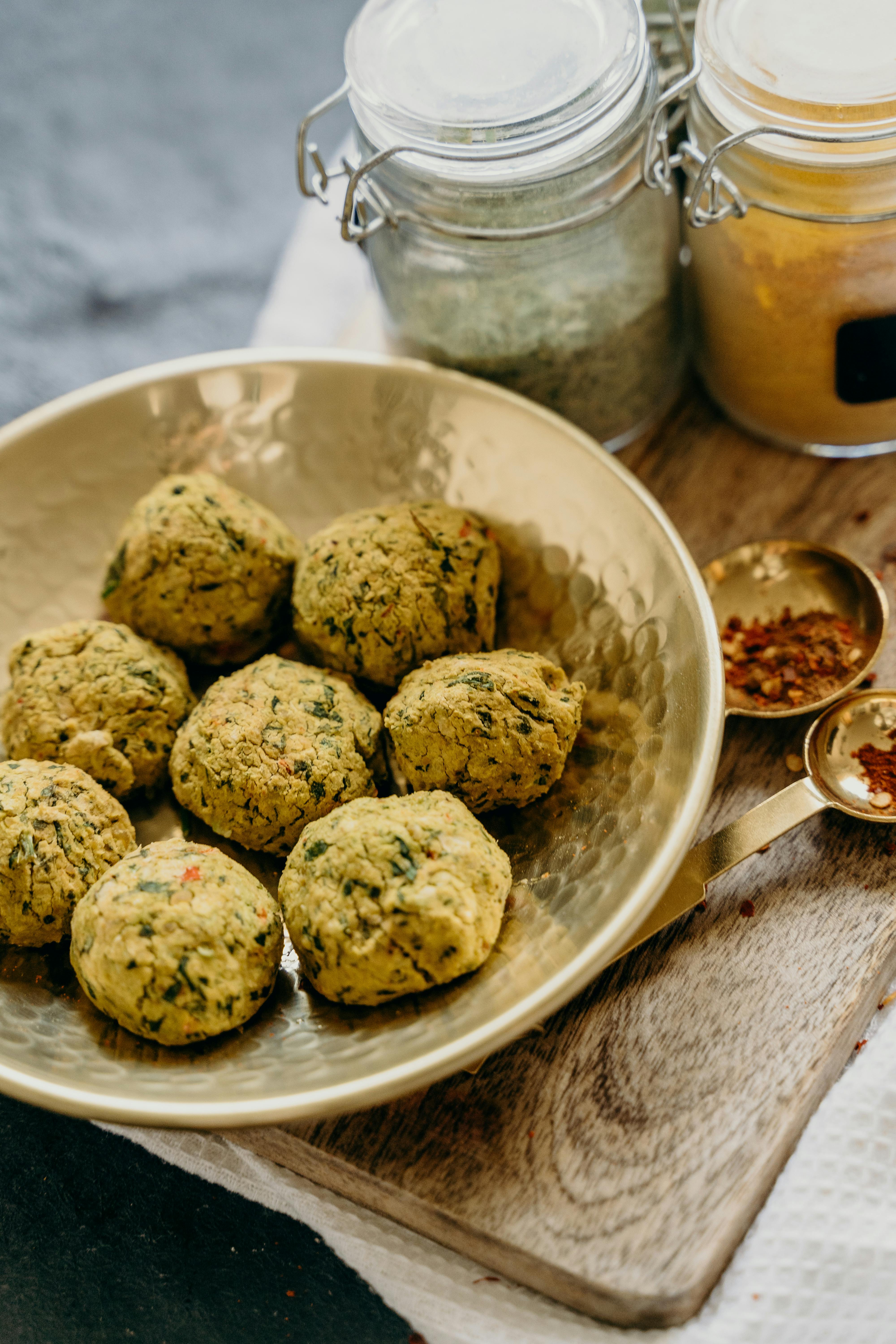
Heart Health, Brain Health & Sustainability
One reason the Mediterranean diet keeps making headlines is the sheer weight of research behind it. Studies have linked this eating pattern to reduced cardiovascular disease risk, improved markers of metabolic health, and potentially slower cognitive decline as we age. Media coverage often highlights these findings with phrases like “heart-healthy,” “brain-boosting,” and “longevity diet.”
Another modern angle is sustainability. Mediterranean-style diets—rich in plants, modest in animal foods, and light on highly processed products—tend to have a gentler environmental footprint than meat-heavy Western patterns. When you base your plate around beans, vegetables, whole grains, and olive oil, you’re often helping both your body and the planet.
A Blue Zone-Inspired Mediterranean Bowl You Can Make Tonight
To bring Mediterranean Diet 2.0 to life in your own kitchen, let’s cook a simple, deeply satisfying recipe you can customize a hundred ways: a Blue Zone-Inspired Mediterranean Chickpea & Farro Bowl. It’s vegan-friendly, high in fiber and plant protein, packed with olive oil and herbs, and exactly the kind of colorful, vegetable-heavy plate you see in modern longevity content.
Imagine a warm bowl of nutty farro topped with lemony chickpeas, juicy tomatoes, crunchy cucumbers, briny olives, and a creamy tahini-yogurt drizzle. Every bite is a mix of soft and crisp, tangy and rich, herbaceous and comforting. It’s the kind of food you look forward to all day—and it just happens to be incredibly good for you.

Recipe: Blue Zone-Inspired Mediterranean Chickpea & Farro Bowl
At a Glance
- Prep time: 20 minutes
- Cook time: 25 minutes
- Total time: ~45 minutes
- Serves: 4
- Difficulty: Easy
- Diet: Mediterranean, vegetarian, easily vegan, high-fiber
Equipment
- Medium saucepan with lid
- Skillet or frying pan
- Cutting board and sharp knife
- Mixing bowls (2–3)
- Small whisk or fork
- Measuring cups and spoons
Ingredients
For the grain base
- 1 cup (190 g) dry farro, rinsed
- 2 cups (480 ml) low-sodium vegetable broth or water
- 1 bay leaf (optional, for aroma)
For the chickpeas
- 1 can (15 oz / 400 g) chickpeas, drained and rinsed
- 2 tbsp extra-virgin olive oil
- 1 garlic clove, finely minced
- 1 tsp ground cumin
- 1/2 tsp smoked paprika (or sweet paprika)
- 1/2 tsp dried oregano
- 1/4 tsp sea salt, plus more to taste
- Freshly ground black pepper, to taste
For the fresh topping
- 1 cup (about 150 g) cherry tomatoes, halved
- 1 medium cucumber, diced
- 1/4 small red onion, thinly sliced
- 1/3 cup (60 g) pitted Kalamata olives or other olives, halved
- 1/4 cup (10 g) chopped fresh parsley
- 2 tbsp chopped fresh mint (optional but highly recommended)
For the lemon-olive oil dressing
- 2 tbsp extra-virgin olive oil
- Juice of 1 large lemon (about 3 tbsp)
- 1 tbsp red wine vinegar (optional, for extra tang)
- 1 small garlic clove, finely grated or minced
- 1/4 tsp sea salt, or to taste
- Freshly ground black pepper, to taste
For the creamy tahini-yogurt drizzle
- 3 tbsp tahini
- 3 tbsp plain Greek yogurt or unsweetened plant-based yogurt
- 2–4 tbsp water, to thin
- Pinch of salt
To serve (optional but delightful)
- Lemon wedges
- Extra chopped herbs (parsley, mint, dill)
- Crumbled feta cheese (omit to keep vegan)
- Toasted nuts or seeds, such as almonds, walnuts, or pumpkin seeds
Step-by-Step Instructions (With Visuals)
- Cook the farro.
Rinse the farro under cool running water. In a medium saucepan, combine the farro, vegetable broth or water, and bay leaf if using. Bring to a boil over medium-high heat, then reduce the heat to low, cover, and gently simmer for 20–25 minutes, until the grains are tender but still pleasantly chewy.
Drain any excess liquid, discard the bay leaf, and fluff the farro with a fork. Taste and season with a pinch of salt if needed.
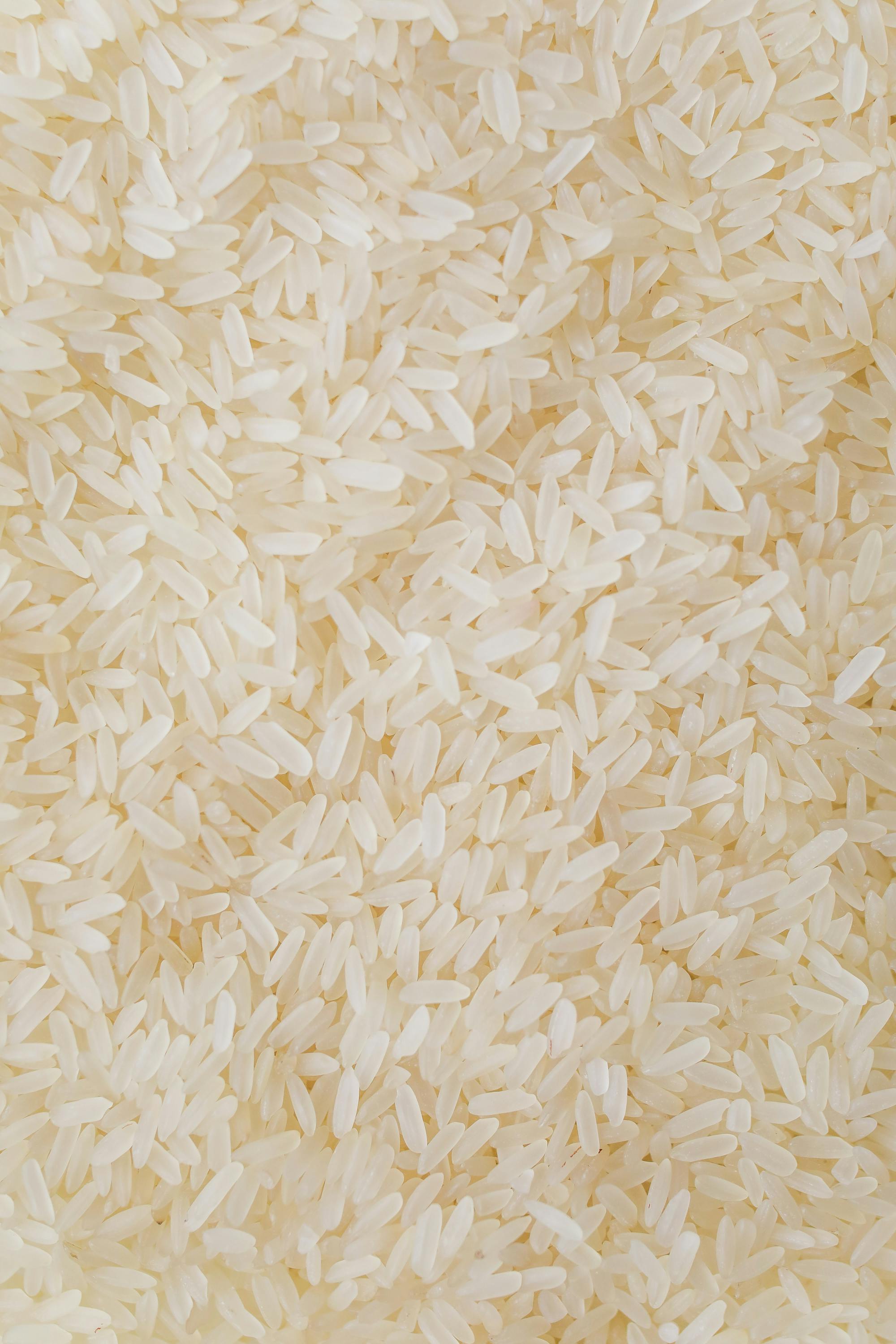
Cook your grain base until tender with a gentle chew—a satisfying foundation for Mediterranean bowls. - Sauté the chickpeas with spices.
While the farro cooks, heat 2 tbsp olive oil in a skillet over medium heat. Add the minced garlic and cook for about 30 seconds, stirring constantly, just until fragrant (avoid browning).
Add the chickpeas, cumin, smoked paprika, oregano, salt, and pepper. Stir to coat the chickpeas in the spices. Cook for 4–5 minutes, stirring occasionally, until they’re warmed through and lightly crisped in spots, smelling nutty and smoky.

Spiced chickpeas add plant protein and a satisfying, almost meaty bite to your Mediterranean bowl. - Prepare the fresh vegetable topping.
In a mixing bowl, combine the halved cherry tomatoes, diced cucumber, sliced red onion, olives, parsley, and mint if using. Toss gently to distribute the herbs and olives.
You’ll end up with something reminiscent of a chopped Greek salad—crunchy, juicy, and beautifully aromatic.
- Whisk the lemon-olive oil dressing.
In a small jar or bowl, whisk together the olive oil, lemon juice, red wine vinegar (if using), grated garlic, salt, and pepper until the mixture looks slightly thickened and cloudy. Taste and adjust seasoning—you want bright, tangy, and well-salted.
- Make the creamy tahini-yogurt drizzle.
In another small bowl, stir together the tahini and yogurt. The mixture will be thick at first. Add 2 tbsp water and a small pinch of salt, then whisk until smooth and creamy. If it’s still too thick to drizzle, add more water a tablespoon at a time until you reach a pourable but rich consistency.
A silky tahini-yogurt drizzle adds creaminess and a gentle tang without heavy cream. - Assemble your Mediterranean bowls.
Divide the warm farro among 4 shallow bowls. Spoon the warm spiced chickpeas over one section of each bowl, then add a generous mound of the tomato-cucumber-olive mixture on another side.
Spoon the lemon-olive oil dressing over the vegetables and grains so they glisten. Drizzle the tahini-yogurt sauce over everything in zigzags or swirls.

Arrange each component in the bowl so every forkful offers a different mix of textures and flavors. - Finish with toppings & enjoy.
Top each bowl with extra chopped herbs and a squeeze of fresh lemon. If you like, sprinkle on a bit of crumbled feta for salty richness or toasted nuts/seeds for crunch.
Serve warm or at room temperature. The leftovers taste even better as the flavors mingle—very Blue Zone-friendly for next-day lunches.
Cooking Tips, Variations & Dietary Adaptations
Make It Your Own (Mediterranean 2.0 Style)
- Change the grain: Try barley, bulgur, quinoa, or brown rice. In Blue Zones, people often rotate grains depending on what’s local and seasonal.
- Boost the veggies: Add roasted eggplant, zucchini, peppers, or carrots. More colors = more polyphenols and micronutrients.
- Swap the legumes: Use white beans, lentils, or black beans if that’s what you have on hand.
- Add seafood: Top with grilled salmon, sardines, shrimp, or canned tuna packed in olive oil for extra omega-3s.
- Turn it into a salad: Serve everything on a bed of chopped romaine or baby greens and double the dressing.
Storage, Meal Prep & Reheating
This Mediterranean bowl is perfect for meal prep and Blue Zone-style “cook once, eat twice” living.
Storage
- Cooked grains: Store in an airtight container in the refrigerator for up to 4 days.
- Chickpeas: Keep refrigerated for 3–4 days.
- Fresh topping: Best within 2–3 days (the tomatoes may release some juice, which is delicious over grains).
- Dressings: Lemon-olive oil dressing keeps for 4–5 days; tahini-yogurt sauce for 3–4 days.
Reheating & Serving
- Reheat grains and chickpeas gently in a skillet with a splash of water or broth, or in the microwave until warm.
- Serve with the fresh topping and dressings cold or at room temperature for a lovely contrast.
- If the tahini-yogurt sauce thickens in the fridge, whisk in a spoonful of water to loosen.
Serving Ideas & Complementary Mediterranean Dishes
To create a full Mediterranean-inspired, Blue Zone-friendly spread, pair this bowl with a couple of simple sides and maybe a light dessert.
- Simple mezze plate: Hummus, baba ganoush, olives, carrot sticks, and whole-grain pita.
- Leafy salad: Arugula with shaved fennel, lemon, and olive oil.
- Roasted vegetables: Tray-baked carrots, onions, peppers, and eggplant with rosemary.
- Fruit for dessert: Orange slices with a drizzle of honey and crushed pistachios, or chilled melon.
- Blue Zone-style drink: Herbal tea, water with lemon, or a small glass of red wine with food if it suits your health and preferences.

Bringing Mediterranean Diet 2.0 Into Your Everyday Life
Mediterranean Diet 2.0 and Blue Zone-influenced living are trending for a reason: they bring together everything people crave from wellness right now—longevity, vibrant energy, social connection, and truly delicious food. No endless lists of “don’ts,” no flavorless meals—just real ingredients, cooked simply and shared often.
Start small: swap one or two meals a week for Mediterranean-style bowls like this one, walk a little more, and invite someone to share the table with you. Over time, those gentle shifts add up to a way of eating—and living—that feels as sustainable as it is nourishing.
