
High-Protein Everything: How Proffee, Yogurt Bowls, and Protein Snacks Took Over Our Kitchens
Protein-centered eating has stepped out of the weight room and straight into our coffee cups, breakfast bowls, and snack drawers.
From frothy “proffee” and high-protein yogurt bowls to protein-fortified chips and ice cream, we’re living through a full-on high-protein moment. This wave isn’t just about building biceps; it’s about feeling full longer, supporting healthy weight management, preserving muscle as we age, and making convenient foods work a little harder for us. As social feeds fill with protein hacks and supermarket shelves brim with “high-protein” labels, the conversation is finally maturing into something more nuanced: not just more protein, but better protein, spread smartly across the day and paired with real, fiber-rich foods.
How High-Protein Eating Went Mainstream
High-protein diets themselves are not new—bodybuilders and strength athletes have been tracking grams of protein for decades. What has changed is the branding and the audience. Instead of shaker bottles lurking in the back of a gym, protein is now a star on grocery displays, café boards, and TikTok recipe reels.
Search trends show big spikes for terms like “high protein breakfast,” “protein coffee,” “protein yogurt bowls,” and “protein snacks for weight loss.” On social media, creators break down meal prep routines built around chicken, turkey, tofu, lentils, and fish, often framed as the secret behind a “lean, strong” body. The aesthetic has shifted from ultra-lean to capable and strong, and protein fits that story beautifully.
Instead of a niche gym obsession, protein has become a friendly wellness keyword—something your trainer, your favorite podcaster, and your parents might all be talking about at the same time.
Why Everyone’s Talking About Protein: Key Drivers
Several forces are working together to push protein to the center of the plate. Understanding them can help you use the trend thoughtfully instead of getting swept up in marketing hype.
- Weight management & satiety – Protein is generally the most satiating macronutrient. In the context of weight loss, intermittent fasting, or GLP‑1 medications, dietitians often suggest a higher protein target to help people feel full and protect lean mass.
- Longevity & muscle preservation – As conversations about aging and longevity grow, experts emphasize “muscle as a vital organ.” Keeping muscle mass supports balance, metabolism, and independence as we age.
- Convenience & functional products – There are high‑protein versions of almost everything now: yogurts, puddings, breads, cereals, chips, and grab‑and‑go shakes. Influencers taste-test and compare macros, which keeps interest high.
- Strength-first aesthetics – Social trends are pivoting from being just “thin” to being “strong,” “toned,” and “capable.” Protein naturally fits into this narrative as the building block of muscle.
Viral High-Protein Recipes: From Proffee to Baked Oats
Open any social platform, and you’ll see endless high-protein hacks. They’re popular not just because of the macros, but because they take familiar comfort foods—coffee, pancakes, ice cream—and quietly crank up the protein without making them feel “diet-y.”
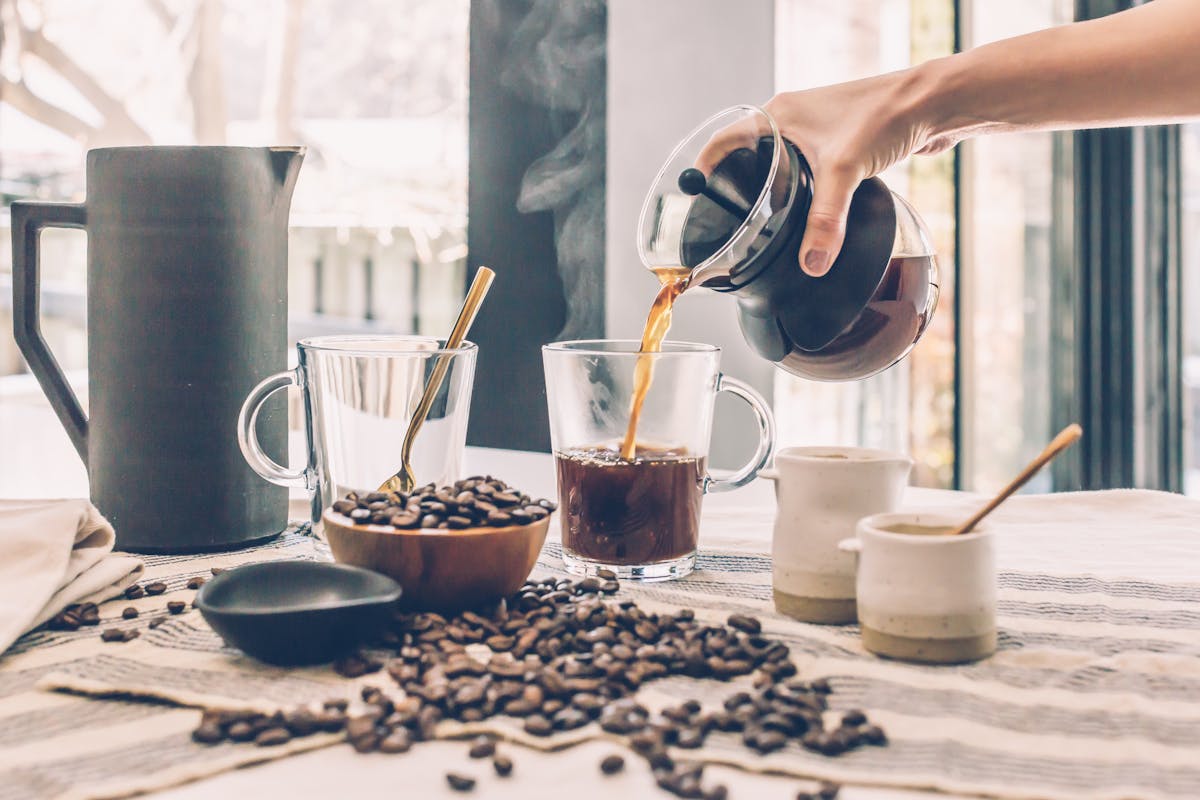
- “Proffee” (Protein Coffee) – Cold brew or espresso blended with a scoop of protein powder or a ready‑to‑drink shake. The result is creamy, slightly frothy, and more filling than a plain latte.
- Cottage cheese hacks – TikTok is obsessed with blending cottage cheese into faux ice cream, silky dips, and even pancake batter. Once blitzed, its tang mellows and the texture becomes almost cheesecake-like.
- Greek yogurt bowls & parfaits – Thick yogurt layered with fruit, crunchy toppings, and nut butter. These bowls are as photogenic as they are satisfying.
- High‑protein baked oats and mug cakes – Rolled oats, egg whites, and a scoop of protein powder transform into cake-like breakfasts that eat more like dessert than “health food.”
Beyond the Hype: Whole-Food Protein vs. Processed Products
Protein-fortified snacks are convenient, fun, and sometimes wonderfully helpful on a busy day. But nutrition experts consistently remind us: the foundation of a healthy high-protein pattern should be whole foods, with bars, chips, and puddings as extras, not the base.
Whole-food protein sources—like fish, eggs, dairy, legumes, nuts, seeds, and minimally processed soy—come bundled with vitamins, minerals, and healthy fats. They’re also more likely to keep you satisfied thanks to their natural fiber or fat content and slower digestion.
- Fish and seafood (salmon, tuna, shrimp, sardines)
- Eggs and egg whites
- Greek yogurt, cottage cheese, and other cultured dairy
- Beans, lentils, and chickpeas
- Nuts, seeds, and nut butters
- Tofu, tempeh, and edamame
- Lean poultry and meat for those who eat them

Creamy High-Protein Proffee & Power Yogurt Bowl (2-in-1 Morning Routine)
Quick Recipe Summary
Prep time:
Cook time:
Total time:
Servings: 1–2 servings
Difficulty: Easy
This simple high-protein breakfast combo pairs a creamy protein coffee (“proffee”) with a colorful Greek yogurt bowl, giving you around 30–40 grams of protein in under 10 minutes—no stove, no fuss.
Recipe Photos

Equipment
- Measuring spoons and cups
- 1 tall glass or insulated tumbler for proffee
- 1 medium bowl for yogurt
- Small whisk, milk frother, or shaker bottle
- Spoon for stirring and topping
Ingredients
For the Proffee
- 120–180 ml (½–¾ cup) strong cold brew coffee or cooled espresso
- 120–180 ml (½–¾ cup) unsweetened milk of choice (dairy or fortified plant-based)
- 1 scoop (25–30 g) protein powder (whey, casein, or plant-based)
- 4–6 ice cubes
- Optional: 1–2 teaspoons sweetener (maple syrup, honey, or zero-calorie sweetener)
- Optional: pinch of cinnamon or cocoa powder for garnish
For the High-Protein Yogurt Bowl
- 170–200 g (¾–1 cup) plain Greek yogurt or high-protein skyr
- 60 g (about ½ cup) fresh berries (blueberries, raspberries, strawberries)
- 1 tablespoon natural nut butter (peanut, almond, cashew)
- 1 tablespoon chopped nuts (walnuts, almonds, pistachios)
- 1 teaspoon chia seeds or ground flaxseeds
- Optional: 1–2 teaspoons honey or agave for sweetness
- Optional: 2–3 tablespoons high-fiber granola
Step-by-Step Instructions
Make the Proffee
- Mix the protein base. In a shaker bottle or small jug, combine the protein powder with the milk. Shake or whisk until completely smooth and no clumps remain. You’re aiming for a silky, drinkable consistency—almost like a lighter milkshake.
- Sweeten and season. Taste the protein-milk mixture. If you like your coffee sweet, stir in your preferred sweetener. A pinch of cinnamon or cocoa adds a cozy aroma and café-style vibe.
- Layer over ice and coffee. Fill your glass with ice. Pour in the cold brew or cooled espresso, then slowly top with the protein mixture. Watch the colors marble together—swirls of deep coffee and creamy milk.
- Stir and enjoy. Give the drink a quick stir. The first sip should taste like a creamy iced latte, with a slightly thicker body and a gentle sweetness, leaving a smooth, almost velvety coating on your tongue.
Build the High-Protein Yogurt Bowl
- Lay the base. Spoon your Greek yogurt into a bowl and smooth the top. It should look thick and glossy, with soft peaks that hold their shape.
- Add fruit for freshness. Scatter the berries over the yogurt. Their juiciness and gentle tartness will cut through the richness and add bright pops of color.
- Swirl in nut butter. Drizzle the nut butter in ribbons over the top. As you eat, it will streak through the yogurt, adding a roasted, toasty aroma and a luxurious, creamy texture.
- Add crunch and fiber. Sprinkle chopped nuts, chia or flaxseeds, and granola if using. Each bite should give you a satisfying crunch that contrasts with the cool, velvety yogurt.
- Finish and taste. Drizzle with honey or agave if you prefer more sweetness. Take a spoonful that includes a bit of everything: you’ll taste tangy yogurt, sweet fruit, nutty richness, and light crunch all at once.
Variations, Swaps & Dietary Adaptations
- Gluten-free: This recipe is naturally gluten-free as long as your protein powder and granola are certified gluten-free.
- Lower sugar: Skip added sweeteners and choose unsweetened milk and yogurt. Let the fruit and nut butter provide gentle sweetness.
- Flavor twists: Add a dash of vanilla extract to the proffee, or stir cocoa powder into the yogurt base for a “chocolate sundae” vibe.
- Extra fiber boost: Add a tablespoon of oats or more seeds to the yogurt bowl to better support blood sugar balance and satiety.
Storage & Make-Ahead Tips
Both components are best fresh, but you can still get ahead on busy mornings.
- Proffee base: Mix the protein powder and milk up to 24 hours in advance and store in a sealed jar in the refrigerator. Add coffee and ice just before drinking for the best flavor and texture.
- Yogurt bowl: Portion yogurt into containers, then top with berries and seeds. Add nuts, granola, and nut butter right before eating to keep them crunchy.
- Refrigeration: Keep both components chilled and consume within 1–2 days for ideal taste and food safety.
Serving Ideas & What to Pair It With
This high-protein duo already makes a hearty breakfast, but you can tailor it to your appetite and routine:
- Lighter option: Enjoy just the proffee and a half portion of the yogurt bowl if you prefer a smaller breakfast.
- Pre-workout: Sip the proffee 60–90 minutes before training, then eat the yogurt bowl after your workout for muscle recovery.
- Weekend brunch: Serve alongside avocado toast, a veggie omelet, or a side of roasted potatoes for a fuller spread.

The Future of the High-Protein Trend
The surge of proffee, protein snacks, and cottage cheese ice creams is unlikely to disappear soon—but it is evolving. We’re seeing more thoughtful conversations about:
- Protein quality (amino acid profile, digestibility)
- Balancing protein with fiber-rich carbohydrates and healthy fats
- Spreading protein evenly across meals instead of loading it all at dinner
- Choosing minimally processed options when possible
If you’re a home cook, this is a lovely moment to lean into: experiment with high-protein recipes, enjoy the convenience of fortified products when you need them, and keep your plate anchored in colorful, whole foods. With a bit of curiosity and a few simple techniques, you can ride the high-protein wave in a way that feels nourishing, sustainable, and genuinely delicious.
