
Mediterranean & Blue Zones Eating: Delicious Longevity Cooking You’ll Actually Want Every Night
Mediterranean & “Blue Zones” Eating for Longevity: Nourishing Recipes, Slow Meals, and a Vibrant Longevity Bowl
Mediterranean and Blue Zones inspired eating celebrates vibrant, plant-forward meals, generous olive oil, and slow, social dining as a joyful path to longevity rather than a restrictive diet. Here, we’ll explore how these traditions work in everyday life and finish with a deeply satisfying Mediterranean “longevity bowl” recipe packed with beans, greens, whole grains, and healthy fats.
Mediterranean Blue Zones Longevity Bowl – Quick Summary
- Prep time: 25 minutes
- Cook time: 30 minutes
- Total time: ~55 minutes
- Servings: 4 bowls
- Difficulty: Easy–Intermediate
- Dietary: Plant-predominant, high-fiber, vegetarian (easily vegan, gluten-free option)
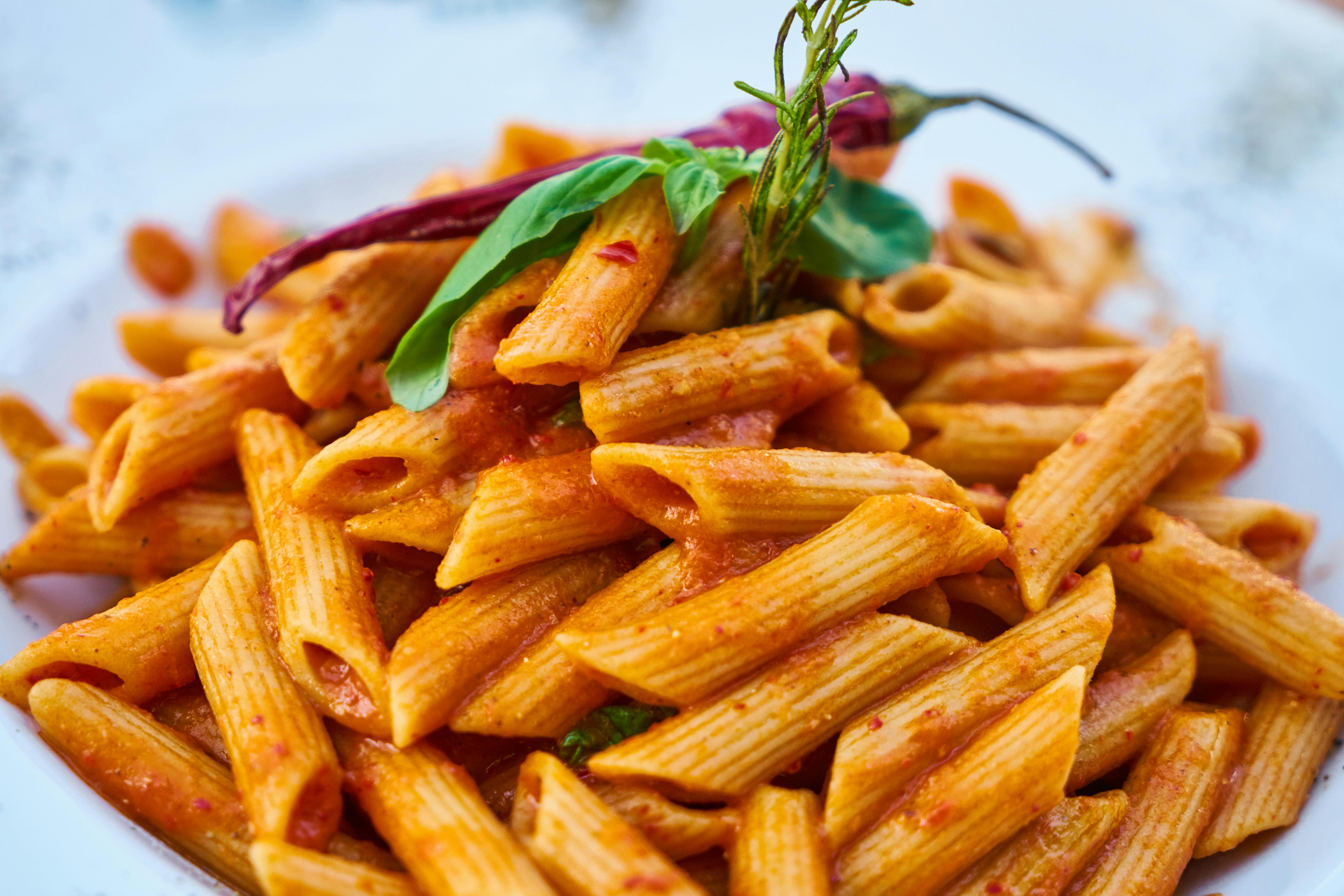
Around the Mediterranean and in famous “Blue Zones” like Sardinia and Ikaria, long, laughter-filled meals are as essential as the food itself. Plates are colorful mosaics of beans, greens, whole grains, and good olive oil—simple, deeply satisfying, and quietly powerful in supporting a long, healthy life.
Instead of chasing quick weight-loss fixes, this way of eating leans into pleasure and pattern: mostly plants, modest animal foods, and minimal ultra-processed snacks. It’s a kitchen philosophy any home cook can embrace, whether you’re stirring a pot of beans on Sunday or building a speedy weeknight bowl.
Think of Mediterranean and Blue Zones eating as a lifestyle template, not a strict rulebook: cook simply, use real ingredients, eat slowly, and let the table be a place of connection.
Core Principles of Mediterranean & Blue Zones Eating
Across Sardinia, Ikaria, Okinawa, Nicoya, and Loma Linda, each region has its own beloved dishes. Yet their dietary patterns overlap in a few powerful ways:
- Plant-predominant, not necessarily vegan. Beans, lentils, chickpeas, seasonal vegetables, fruits, nuts, seeds, and whole grains build the bulk of the plate, with fish, dairy, and meat playing supporting roles rather than starring ones.
- Healthy fats, especially extra-virgin olive oil. Olive oil bathes salads, slow-roasted vegetables, and rustic dips, bringing peppery aroma and silky mouthfeel alongside heart-friendly polyphenols.
- Minimal ultra-processed foods. Home-cooked stews, gently simmered beans, simple breads, and garden produce replace packaged snacks and sugary drinks.
- Slow, social meals. Eating is unhurried. Phones stay away, conversation lingers, and satiety comes not just from fiber and healthy fats but from connection.
- Optional, moderate alcohol. In some regions, a small glass of wine with food is traditional, but modern guidance is clear: if you don’t drink, you don’t need to start for health.
A Weeknight-Friendly “Longevity Bowl”
To bring these ideas to your own table, we’ll build a versatile Mediterranean Blue Zones Longevity Bowl. It’s hearty enough for dinner, fantastic for meal prep, and endlessly customizable with whatever beans and vegetables you have on hand.
Imagine warm grains scented with broth, sweet roasted peppers and onions, creamy chickpeas, juicy tomatoes, briny olives, a shower of herbs, and a bright lemon-olive oil dressing that ties everything together. Each bite is a balance of soft and crunchy, tangy and sweet, cozy and fresh.
Ingredients: Mediterranean Blue Zones Longevity Bowl
Whole Grain Base
- 1 cup (180 g) dry brown rice, farro, or barley, rinsed
- 2 cups (480 ml) water or low-sodium vegetable broth
Roasted Vegetables
- 1 small red onion, cut into thick wedges
- 1 red bell pepper, sliced into strips
- 1 medium zucchini, sliced into half-moons
- 1 small eggplant, cubed (about 2 cups / 260 g)
- 2 tbsp (30 ml) extra-virgin olive oil
- 1 tsp dried oregano
- 1/2 tsp dried thyme or rosemary
- 1/2 tsp smoked paprika (optional, for a gentle smokiness)
- 1/2 tsp fine sea salt, plus more to taste
- Freshly ground black pepper, to taste
Beans & Greens
- 1 can (15 oz / 425 g) chickpeas, drained and rinsed
- 1 can (15 oz / 425 g) small white beans or cannellini, drained and rinsed
- 3 cups (about 90 g) mixed baby greens or chopped romaine
- 1 cup (30 g) fresh parsley and/or basil leaves, roughly chopped
- 1/2 cup (75 g) cherry tomatoes, halved
- 1/3 cup (50 g) pitted Kalamata olives, halved
- 1/4 cup (30 g) crumbled feta cheese (optional, omit for vegan)
- 1/4 cup (35 g) toasted walnuts or almonds, roughly chopped
Lemon–Olive Oil Dressing
- 3 tbsp (45 ml) extra-virgin olive oil
- 2 tbsp (30 ml) freshly squeezed lemon juice
- 1 tbsp (15 ml) red wine vinegar
- 1 small garlic clove, finely grated or minced
- 1 tsp Dijon mustard
- 1/2 tsp dried oregano
- 1/4 tsp salt, or to taste
- Freshly ground black pepper, to taste
To Serve
- Extra lemon wedges
- Additional olive oil for drizzling (optional but lovely)
Equipment You’ll Need
- Medium saucepan with lid (for grains)
- Large baking sheet or roasting pan
- Cutting board and sharp chef’s knife
- Small bowl or jar with lid (for dressing)
- Measuring cups and spoons
- 4 serving bowls for assembly
Step-by-Step: How to Make a Mediterranean Longevity Bowl
- Cook the whole grains.
Rinse your chosen grain under cool water.
- Combine 1 cup (180 g) grain with 2 cups (480 ml) water or broth in a saucepan.
- Bring to a boil over medium-high heat, then reduce to a gentle simmer.
- Cover and cook until tender (about 25–30 minutes for brown rice, 20–25 minutes for farro, 30–35 minutes for barley).
When the grains are done, turn off the heat, let them sit covered for 5 minutes, then fluff with a fork. They should be tender but pleasantly chewy, ready to soak up dressing.
- Prep and roast the vegetables.
- Preheat your oven to 400°F (200°C).
- On a large baking sheet, combine red onion, bell pepper, zucchini, and eggplant.
- Drizzle with 2 tbsp olive oil, then sprinkle on oregano, thyme or rosemary, smoked paprika (if using), salt, and pepper.
- Toss well so everything is lightly coated and spread into a single layer.
Roast for 20–25 minutes, stirring once halfway through. The edges should caramelize and brown lightly, the onions turn sweet and jammy, and the eggplant become silky inside.
- Warm the beans.
For extra flavor and ease, you can:
- Toss chickpeas and white beans onto the baking sheet for the last 5 minutes of roasting, or
- Warm them in a small saucepan with a splash of water over low heat for about 5 minutes.
Season lightly with salt and pepper. The beans should be warm, creamy, and ready to mingle with the vegetables.
- Make the lemon–olive oil dressing.
- In a small bowl or jar, whisk together olive oil, lemon juice, red wine vinegar, garlic, Dijon, oregano, salt, and pepper.
- Whisk until slightly thickened and glossy; it should smell bright and garlicky with a citrusy top note.
Taste and adjust: more lemon for brightness, a pinch of salt if it tastes flat, or extra olive oil for a softer, rounder flavor.
- Prep the fresh elements.
- Wash and dry your greens.
- Halve the cherry tomatoes.
- Roughly chop the parsley and/or basil.
- Halve the olives and crumble the feta (if using).
- Toast the nuts in a dry skillet over medium heat for 3–4 minutes, stirring, until fragrant and lightly golden.
This layering of textures—crisp greens, juicy tomatoes, crunchy nuts—keeps every bite interesting.
- Assemble your longevity bowls.
- Divide the warm grains among 4 bowls.
- Add a generous handful of greens to one side of each bowl.
- Spoon a heap of roasted vegetables and warm beans over the grains.
- Top with cherry tomatoes, olives, herbs, toasted nuts, and feta (if using).
- Dress, serve, and slow down.
- Drizzle each bowl with the lemon–olive oil dressing.
- Add extra olive oil or lemon at the table if you like.
Sit down, take a breath, and eat slowly. Notice the sweetness of roasted peppers, the creamy beans, the herbal perfume of basil and oregano. If possible, share the meal—it’s as much a Blue Zones secret as the beans themselves.
How This Bowl Mirrors Mediterranean & Blue Zones Principles
This simple bowl quietly checks almost every longevity box:
- Plant-predominant: Beans, grains, vegetables, herbs, nuts, and olives make up nearly the entire meal.
- Healthy fats: Extra-virgin olive oil and nuts bring satiating, heart-healthy fats and subtle richness.
- Minimal ultra-processed foods: Everything starts with whole ingredients; even the dressing is a quick pantry mix.
- Fiber & color: You’re getting a rainbow of plant compounds in one bowl: red, green, purple, and gold.
- Flexible portions: You can easily adjust the grain, bean, or veg ratio based on your needs without losing balance.
As social media has popularized “longevity bowls” and “Blue Zones breakfasts,” this kind of meal shows how the research translates to your everyday plate—no exotic superfoods required.
Storage, Meal Prep & Reheating
This Mediterranean longevity bowl is perfect for prepping ahead. The flavors deepen as the grains and beans absorb the dressing.
- Storage (fridge):
- Keep grains, roasted vegetables/beans, and fresh elements (greens, herbs, tomatoes, feta) in separate airtight containers.
- Store dressing in a small jar; it will keep for 4–5 days in the refrigerator.
- Freezing:
- You can freeze cooked grains and beans for up to 3 months. Thaw in the fridge overnight or reheat gently from frozen with a splash of water.
- Do not freeze fresh greens or tomatoes—they lose texture.
- Reheating:
- Warm grains and beans/vegetables together in a skillet over low heat with a small splash of water or broth, just until hot.
- Alternatively, microwave in 30-second bursts, stirring in between, until heated through.
- Add fresh greens, herbs, nuts, olives, and dressing after reheating for brightest flavor and best texture.
Serving Suggestions & Complementary Dishes
This longevity bowl is a complete meal on its own, but you can easily turn it into a small feast inspired by Mediterranean and Blue Zones tables.
- Light sides:
- A simple cucumber–tomato salad with red onion and herbs.
- Steamed or sautéed greens (like spinach or chard) with garlic and olive oil.
- Roasted carrots or beets with a drizzle of balsamic vinegar.
- Hearty additions:
- Grilled fish (like sardines, salmon, or trout) served alongside for added protein and omega-3s.
- Thick Greek-style yogurt with herbs and lemon as a tangy sauce.
- Blue Zones–style sweet finish:
- Fresh fruit—figs, oranges, berries, or melon—drizzled with a touch of honey and chopped nuts.
- Herbal tea, such as mint, sage, or chamomile, to round out the meal.
However you serve it, let the spirit of this bowl guide you: simple ingredients, cooked with care, shared with people you love, eaten slowly. That’s the real heart of Mediterranean and Blue Zones eating for longevity.
