
Spoonfuls of Good Bacteria: How Fermented Foods & a “Probiotic Lifestyle” Transform Gut Health
Gut health has quietly moved from the back shelves of health food stores into the center of our kitchens, social feeds, and dinner conversations. From fizzy kombucha to jars of fiery kimchi and creamy yogurt bowls, more people are embracing a “probiotic lifestyle” that focuses on nurturing the trillions of microbes living in the gut. This shift isn’t just a trend; it’s reshaping how we cook, snack, and even think about mood, energy, and long-term wellness.
At the heart of this movement is a simple, almost comforting idea: when we feed our gut microbes well—with fermented foods, prebiotic fiber, and mostly minimally processed ingredients—they help us in return. Better digestion, fewer bloating flare-ups, steadier energy, and even calmer moods are some of the benefits people hope to taste in every bite.

Below, you’ll find a friendly, science-aware tour of today’s gut health trends, plus a cozy, deeply savory recipe for a kimchi & miso “gut-glow” brown rice bowl—packed with fermented foods, prebiotic fiber, and satisfying textures. It’s designed for real life: flexible, weeknight-friendly, and deeply comforting.
The Gut Health Boom: Microbiome, Mood & Everyday Meals
“Microbiome,” “fermented foods,” “probiotic yogurt,” “bloating fix,” and “prebiotic fiber” are now mainstays across TikTok, Instagram Reels, and podcasts. What was once the domain of research papers has turned into:
- Daily “gut shot” routines with kombucha or kefir
- Meal-prep-friendly grain bowls packed with beans, veggies, and seeds
- Comfort dishes like kimchi fried rice and miso soup getting a gut-health glow-up
- Creators aiming for “30 plants per week” to feed a diverse microbiome
The science is still evolving, but the pattern is clear: diets rich in plants, fiber, fermented foods, and healthy fats—similar to Mediterranean-style eating—are associated with more diverse gut bacteria and possible benefits for inflammation, immunity, and mental well-being. Instead of a single “magic” probiotic pill, the conversation is slowly turning toward an entire way of eating and living.
Think of your gut as a thriving garden: fermented foods add new helpful plants, while prebiotic fibers are the nourishing compost that keeps everything growing.
Fermented Super-Foods: Flavor-First Probiotic Powerhouses
Fermented foods are having a delicious renaissance. They’re not new—in Korean, Japanese, and many European cuisines, they’ve been pantry staples for centuries—but they’re being rediscovered as natural sources of live bacteria and vivid, complex flavor.
You’ll see these “fermented super-foods” over and over in gut-health content:
- Yogurt & kefir – tangy, creamy, often with specific probiotic strains; choose plain, low-sugar, and “live cultures” on the label.
- Kimchi & sauerkraut – crisp, sour, sometimes spicy; look for unpasteurized versions in the refrigerated section.
- Miso & tempeh – deeply savory soybean ferments, rich in umami and used in soups, marinades, and stir-fries.
- Kombucha – fizzy fermented tea with a gently vinegary tang; best in low-sugar versions.
- Traditional brined pickles – naturally fermented cucumbers or other vegetables (not just vinegar-pickled).
Beyond the microbiome buzz, fermented foods simply make food more exciting: crisp cabbage with chili and garlic, nutty miso stirred into broth, or a spoonful of pungent sauerkraut to cut through richness. When gut health habits taste this good, they’re far easier to keep.
Prebiotic Fiber: Feeding Your Friendly Gut Bacteria
If probiotics are the “guests,” prebiotics are the feast. Prebiotics are fermentable fibers that your own enzymes can’t fully digest—but your beneficial gut bacteria happily can. As they break these fibers down, they produce short-chain fatty acids and other compounds linked to gut lining health, immunity, and possibly even mood.
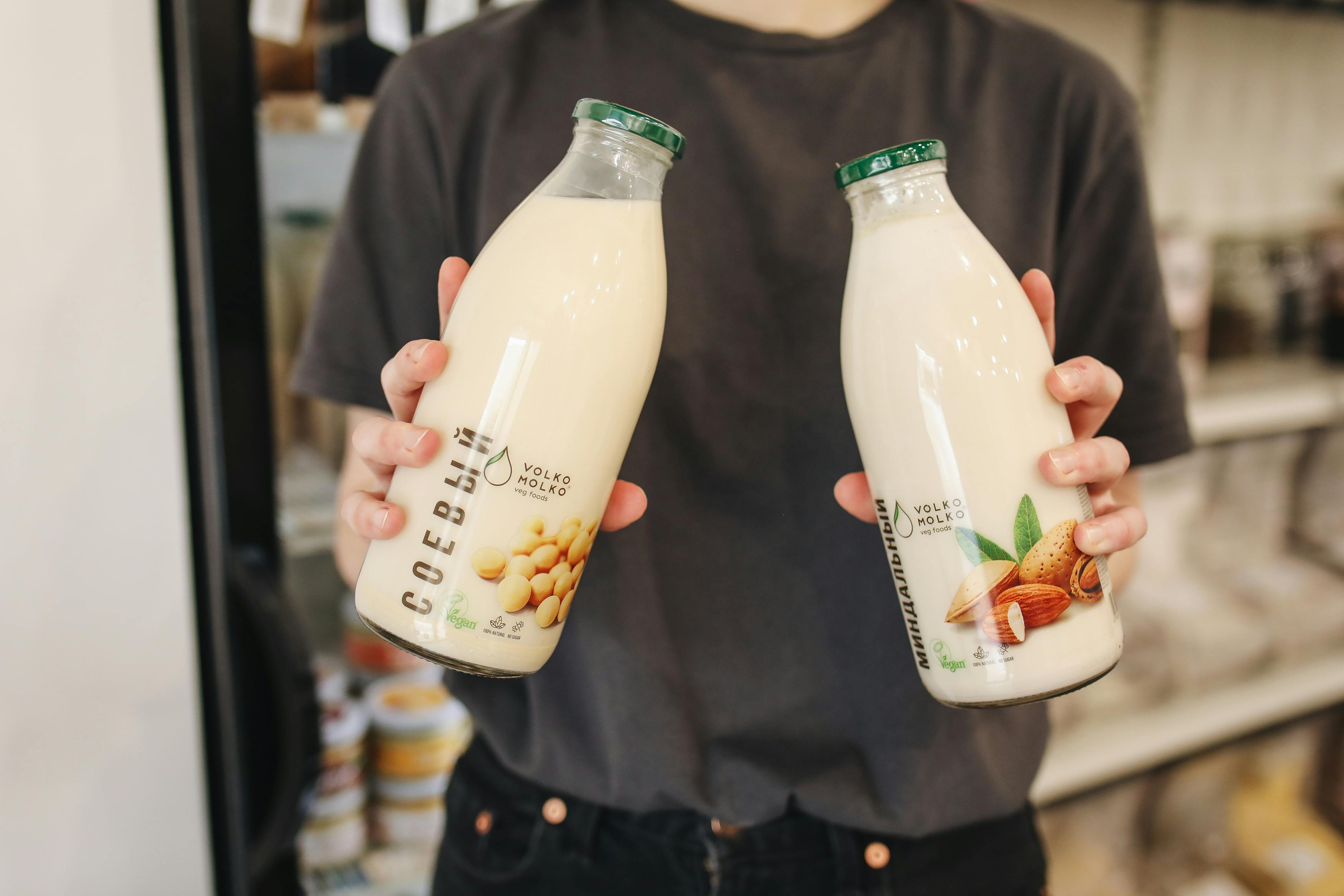
Common prebiotic-rich foods highlighted in gut-health meal prep include:
- Oats, barley, and other whole grains
- Onions, garlic, leeks, and asparagus
- Jerusalem artichokes and chicory root
- Beans, lentils, and chickpeas
- Bananas (especially slightly green), apples, and berries
- Chia seeds, flaxseeds, and other seeds
Online, you’ll see challenges like “30 different plants per week,” turning fiber into a game: every herb, nut, seed, grain, and vegetable counts. This variety appears to support a more diverse microbiome—think of it as keeping a whole ecosystem well fed.
Bloating, IBS & Elimination Diets: Help, Without Over-Restricting
A huge slice of gut-health content is very practical—and sometimes emotional. Many people turn to the microbiome conversation because they’re uncomfortable: chronic bloating, constipation, diarrhea, or suspected intolerances. The low-FODMAP diet, which temporarily restricts certain fermentable carbohydrates, pops up often in this context.

Responsible practitioners emphasize:
- Low-FODMAP is meant to be short term and ideally guided by a dietitian—there is a structured reintroduction phase to identify specific triggers.
- Overly strict, long-term restriction can reduce gut microbial diversity and make eating stressful.
- Stress, sleep, and movement can meaningfully affect symptoms like bloating and IBS, not just specific foods.
A more sustainable approach for many people is gentle experimentation: add one gut-friendly habit at a time, keep a simple food-and-symptom note, and work with professionals for structured elimination protocols if needed.
The Gut–Brain Connection: Food, Mood & the “Microbiome Mindset”
Another reason gut health feels so compelling is its link to mental well-being. Long-form podcasts and YouTube deep dives now explore the gut–brain axis—the two-way communication between your digestive system and your nervous system. Early research suggests that gut bacteria may influence the production of certain neurotransmitters and inflammatory markers tied to mood and cognition.
While the science is still emerging and doesn’t support oversimplified claims (“this one food cures anxiety”), it does point toward familiar, steady patterns:
- Plenty of vegetables and fruits in many colors
- Legumes, whole grains, nuts, and seeds
- Olive oil and other unsaturated fats
- Fermented foods like yogurt, kefir, kimchi, and miso
- Fish and seafood for omega-3 fats (for those who include animal foods)
More creators now pair gut-friendly recipes with mindfulness, gentle movement, and sleep hygiene tips, framing gut care as part of a broader self-care toolkit rather than a strict diet.
Probiotic Supplements vs. Probiotic Lifestyle
Probiotic supplement sales are booming, but so is a quiet counter-trend: researchers and dietitians reminding us that probiotics are strain-specific and not cure-alls. A capsule that helped in one clinical trial for a particular condition might not help with unrelated issues—or for every individual.
This reality check is nudging many people toward a “probiotic lifestyle” approach instead of relying solely on pills:
- Diverse, fiber-rich, mostly plant-based meals
- Regular inclusion of fermented foods
- Managing stress through realistic tools (walks, breathwork, therapy, hobbies)
- Prioritizing sleep and daily movement
Think of probiotic pills as potential “special guests” and your everyday meals as the house your microbes live in. Strengthening the house matters most.
Microbiome-Friendly Products: Helpful Innovation or Just Hype?
The gut-health wave has sparked a flurry of products: yogurts with added prebiotics, “gut-healthy” sodas, fiber-fortified drinks, and snack bars advertising microbiome benefits. Some are genuinely helpful; others are essentially ultra-processed sweets in wellness packaging.
Critics and consumer-savvy dietitians suggest looking past phrases like “microbiome-friendly” and focusing on:
- Added sugar and sweetener content (some “gut drinks” are essentially soda with fiber)
- Degree of processing—short, recognizable ingredient lists tend to be better
- Actual fiber and live culture content rather than vague marketing claims
In practice, a bowl of beans with brown rice, veggies, and a spoonful of kimchi often does more for your gut—and your wallet—than a pricey, hyper-branded bar.
Kimchi & Miso Gut-Glow Brown Rice Bowl (High-Fiber, Fermented, Weeknight-Friendly)
This cozy brown rice bowl layers nutty whole grains with crisp, spicy kimchi, silky miso-coated vegetables, and optional soft egg or tofu. It’s a simple, comforting way to bring fermented foods and prebiotic fiber together in one deeply satisfying, weeknight-friendly meal.

Equipment
- Medium saucepan or rice cooker
- Large skillet or wok
- Small bowl and whisk
- Cutting board and sharp knife
- Measuring cups and spoons
Ingredients
For the brown rice base
- 1 cup (185 g) uncooked brown rice, rinsed
- 2 cups (480 ml) water or low-sodium vegetable broth
- Pinch of salt (optional)
For the miso-ginger veggies
- 1 tablespoon extra-virgin olive oil or avocado oil
- 1 small yellow onion, thinly sliced (prebiotic)
- 2 cloves garlic, minced (prebiotic)
- 1 cup (about 100 g) carrots, cut into thin matchsticks or coins
- 1 heaping cup (about 120 g) sliced mushrooms
- 1 heaping cup (about 60 g) shredded green cabbage or kale
- 2 tablespoons white or yellow miso paste
- 1 tablespoon low-sodium tamari or soy sauce
- 1 teaspoon freshly grated ginger
- 2–3 tablespoons water, to loosen the sauce
For the toppings & finishing
- 1 cup (about 150 g) kimchi, roughly chopped (unpasteurized if possible)
- 1 cup (about 170 g) cooked beans (such as chickpeas or lentils) or firm tofu cubes
- 2 soft-boiled or fried eggs or extra tofu/tempeh for a vegetarian bowl
- 2 tablespoons toasted sesame seeds or crushed roasted nuts
- 2 green onions (spring onions), finely sliced (prebiotic)
- A drizzle of toasted sesame oil or chili oil (optional)
Step-by-Step Instructions
- Cook the brown rice.
Combine the rinsed rice, water or broth, and optional salt in a saucepan. Bring to a boil, then reduce to a gentle simmer, cover, and cook for 25–30 minutes, or until the rice is tender and the liquid is absorbed. Turn off the heat and let rest, covered, for 5–10 minutes. Fluff with a fork. - Prep your vegetables and toppings.
While the rice cooks, slice the onion, mince the garlic, cut the carrots and mushrooms, and shred the cabbage or kale. Roughly chop the kimchi, rinse and drain your beans (if using canned), and slice the green onions. Set everything in small bowls so assembly feels easy and relaxed. - Make the miso-ginger sauce.
In a small bowl, whisk together the miso paste, tamari or soy sauce, grated ginger, and 2 tablespoons of water. The mixture should be thick but pourable; add another tablespoon of water if needed. - Sauté the aromatics.
Heat the oil in a large skillet or wok over medium heat. Add the sliced onion and cook for 3–4 minutes, stirring occasionally, until it turns translucent and sweet-smelling. Add the garlic and cook for another 30–60 seconds, just until fragrant but not browned. - Cook the vegetables.
Add the carrots and mushrooms to the pan. Cook for 4–5 minutes until the carrots are crisp-tender and the mushrooms have released their juices. Stir in the cabbage or kale and cook for another 2–3 minutes, until just wilted but still vibrant. - Coat with miso-ginger sauce (keep it gentle).
Lower the heat to low. Pour the miso-ginger mixture over the vegetables and toss to coat evenly. Cook for just 1–2 minutes, stirring frequently—enough to warm the sauce and lightly thicken it without boiling vigorously, which helps preserve more of miso’s delicate flavors and potential benefits. - Cook your eggs or tofu.
If adding eggs, soft-boil, steam, or pan-fry them to your liking. For a vegan option, quickly pan-sear tofu cubes or tempeh in a bit of oil with a pinch of salt or soy sauce until golden on at least two sides. - Warm (but don’t overcook) the kimchi and beans.
You can add the beans and kimchi directly to the hot rice bowl, or briefly warm them through in the vegetable pan over very low heat for 1 minute. Avoid prolonged, high-heat cooking of the kimchi to keep its texture and live cultures as intact as possible. - Assemble the gut-glow bowls.
Divide the warm brown rice between bowls. Top each with a generous scoop of miso veggies, a mound of chopped kimchi, and your beans or tofu. Nestle a soft egg (or extra tofu) on top. Finish with green onions, sesame seeds or nuts, and a drizzle of sesame or chili oil if you like a gentle kick. - Taste and adjust.
Give everything a little taste. Add an extra splash of tamari or a spoonful of kimchi brine if you want more punch, or a squeeze of lime or lemon for brightness. Then, stir gently in the bowl so each bite promises rice, veggies, and kimchi.



Notes, Variations & Dietary Swaps
You can also:
- Swap brown rice for quinoa, barley, or mixed whole grains.
- Add extra prebiotic veggies like leeks or asparagus when in season.
- Top with a dollop of plain yogurt or kefir drizzle on the side for extra creaminess (if you include dairy).
Storage & Reheating
- Fridge: Store rice, miso veggies, and beans/tofu together in an airtight container for up to 3–4 days. Keep kimchi and eggs in separate containers.
- Reheating: Gently reheat the rice and veggies in a skillet with a splash of water, or microwave in short bursts, stirring once or twice. Add kimchi and any fresh toppings after reheating.
- Make-ahead tip: Cook a double batch of rice and veggies and assemble fresh bowls throughout the week with different toppings (avocado one day, extra beans another).
Serving Suggestions & Pairings
To turn this into a full “probiotic lifestyle” meal:
- Serve with a small bowl of miso soup on the side for extra warmth.
- Pair with a glass of low-sugar kombucha or naturally infused water.
- Finish with a few spoonfuls of plain yogurt topped with berries and seeds if you enjoy a gentle dessert.
Building a Gentle, Sustainable Gut-Healthy Routine
Amid all the charts and challenges, the most grounded gut-health advice is surprisingly simple: start small and build habits you actually enjoy. A spoonful of kimchi on your rice bowl, oats with fruit and seeds for breakfast, an extra handful of beans in your soup—these quiet, consistent changes matter more than any single “detox” day.
- Include at least one plant food at every snack and meal.
- Try one fermented food most days, even just a few bites.
- Drink water regularly and move your body in ways that feel kind and realistic.
- Notice how you feel after different meals, without judgment—curiosity over perfection.
When gut care becomes part of a delicious, flexible way of eating—rather than a rigid set of rules—it’s far easier to maintain. Let your taste buds lead the way: tangy, crunchy, savory, and colorful meals like the kimchi & miso bowl above can nourish both your microbes and your mood.
