Jimmy Kimmel Roasts Trump’s ‘Bacon Double Dementia Burger’ Interview In Blistering Monologue
Late-night TV is having another very online moment, thanks to Jimmy Kimmel torching Donald Trump’s latest sit-down with NBC’s Tom Llamas. Kimmel’s monologue didn’t just go viral; it turned a routine campaign interview into a pop‑culture spectacle, complete with one of his sharpest food‑based insults yet.
Jimmy Kimmel vs. Donald Trump: The Late-Night Feud Continues
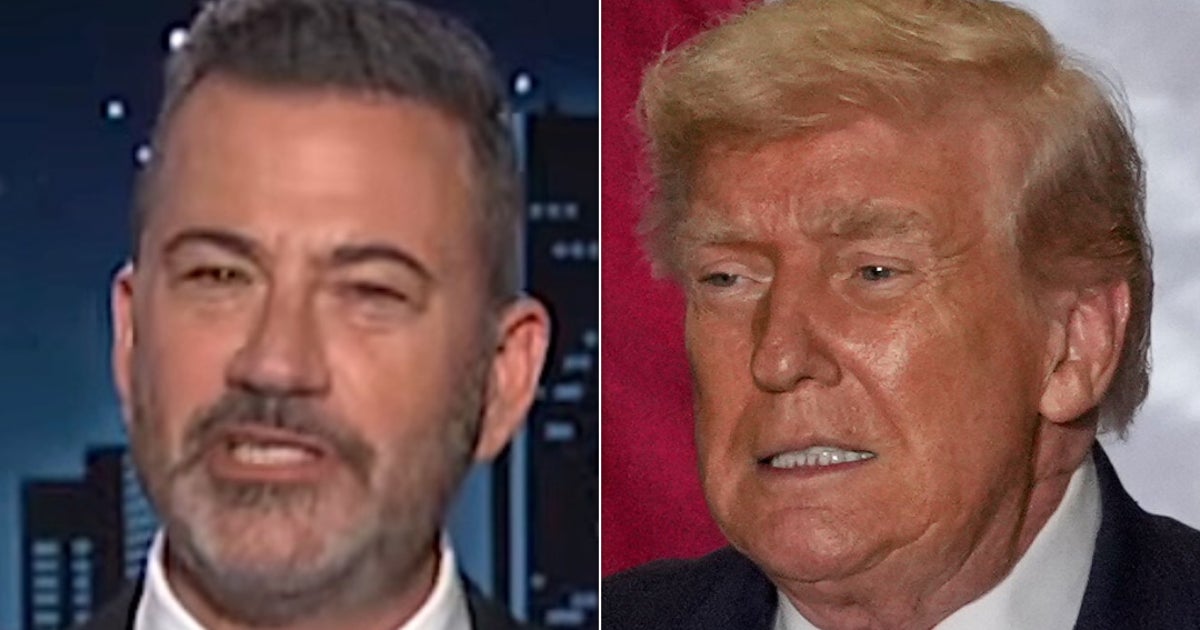
In a recent NBC News interview with journalist Tom Llamas, Donald Trump delivered a string of rambling, provocative remarks that quickly drew fact‑checks and criticism. On his ABC show Jimmy Kimmel Live!, Kimmel seized on the segment, calling the interview a “bacon double dementia burger with cheese” and declaring it “nuts” even by Trump’s standards—a line that HuffPost and other outlets amplified across social feeds.
What Sparked Jimmy Kimmel’s Latest Monologue?
Trump’s NBC interview, intended as a showcase for his 2024 campaign messaging, instead handed late‑night writers a buffet of material. His meandering responses, evasions on policy specifics, and familiar grievances were tailor‑made for Kimmel’s brand of incredulous commentary.
Kimmel zeroed in on the clash between the seriousness of a presidential interview and the surreal tone Trump often strikes. By framing the segment as something closer to fast‑food chaos than sober politics, Kimmel translated Washington‑level stakes into a language meme culture understands immediately.
“Even for him, this one was nuts,” Kimmel told his audience, after replaying clips from the NBC sit‑down.
The “Bacon Double Dementia Burger” Line: Why It Landed
Calling the interview a “bacon double dementia burger with cheese” is classic Kimmel: absurd, visual, and designed to stick in your head. The joke works on a few levels:
- It taps into American fast‑food culture, evoking something overstuffed and unhealthy.
- It hints at chaos and excess—too many inflammatory comments crammed into one segment.
- It’s engineered for the internet: short, quotable, and tailor‑made for headlines and clips.
The line also shows how late‑night increasingly functions as a translator of political media. Instead of parsing every sentence of the NBC interview, Kimmel condenses the experience into a single, outrageous metaphor that tells viewers exactly how he wants them to feel about it.
Late-Night Comedy as Political Commentary
Since the mid‑2010s, U.S. late‑night has transformed from mostly celebrity banter into a nightly op‑ed page with jokes. Kimmel, in particular, has leaned into that shift—from his emotional monologue about healthcare policy to recurring bits dismantling political spin.
The Trump–Kimmel dynamic fits a larger trend where politicians use interviews to reach voters, and comedians use those same clips to reach a broader, often younger, audience. In some cases, the late‑night reaction gets more engagement than the original interview.
- Network news: Frames the conversation as journalism and accountability.
- Late-night TV: Repackages it as entertainment and shared catharsis.
- Social media: Turns it into bite‑sized clips, GIFs, and trending phrases.

Does Kimmel’s Take Work as Comedy and Critique?
Evaluated purely as entertainment, the monologue lands. The pacing is tight, the joke density is high, and the “bacon double dementia burger” line gives the segment a clear hook. Kimmel’s incredulous reaction shots after each Trump clip help guide the audience through the absurdity without needing a policy lecture.
As commentary, it’s more of a broadside than a deep dive. The focus is on tone, posture, and contradictions rather than granular fact‑checking, which is consistent with Kimmel’s persona: he’s less political analyst, more exasperated everyman reacting from the couch.
- Strengths: Sharp writing, memorable lines, strong use of news footage, clear point of view.
- Weaknesses: Preaches mainly to viewers who already agree; doesn’t always add new information beyond the outrage.
Overall, as a piece of late‑night television, this ranks as one of Kimmel’s more quotable Trump segments—effective at capturing the mood around the NBC interview, even if it’s not trying to change any minds.
Rating: 4/5 for entertainment value.

Cultural Ripples: From HuffPost Clips to Algorithm Fuel
Outlets like HuffPost play a big role in amplifying these moments. A single joke from Kimmel’s show can be clipped, headlined, and shared across platforms within hours, turning a few lines of late‑night banter into a talking point for the political news cycle.
This creates a kind of feedback loop:
- Trump gives a headline‑ready interview to a major outlet like NBC.
- Kimmel reacts, carving out the most outlandish or revealing moments.
- Digital media packages Kimmel’s reaction as its own story.
- Social media users share the clip, often seeing the monologue before the full interview.
By the time the dust settles, many people’s impression of the NBC interview is formed as much by Kimmel’s jokes and the HuffPost framing as by anything Trump actually said in full.

The Downsides: Polarization and the Echo-Chamber Effect
There’s a flip side to all this. Kimmel’s more pointed political material tends to play best with viewers already skeptical of Trump. For audiences who support the former president—or who are simply exhausted by politics—the segment can feel like part of a media wall of noise rather than a fresh insight.
Critics of politicized late‑night argue that:
- Jokes can sometimes oversimplify complex policy issues.
- Partisan framing risks alienating viewers who once turned to late‑night for lighter fare.
- Hosts become seen less as entertainers and more as political actors.
Still, that’s arguably the reality of the contemporary media landscape: in 2026, staying “neutral” on high‑profile figures like Trump is almost a statement in itself. Kimmel has clearly chosen a lane, and segments like this one underline that choice.

Where This Moment Fits in the Trump–Late-Night Story
Kimmel’s “bacon double dementia burger” takedown isn’t a one‑off; it’s another chapter in a decade‑long tug‑of‑war between Donald Trump and the late‑night ecosystem. Each new interview, campaign rally, or court appearance is potential material, and each monologue shapes how a chunk of the country processes those events.
As the 2024–2026 political cycle rolls on, expect this pattern to intensify: serious news interviews landing on mainstream outlets, quickly followed by late‑night breakdowns that mix disbelief, humor, and exasperation. If nothing else, Kimmel’s latest bit proves that in the battle for attention, the line between cable news and comedy has never been blurrier—or more closely intertwined.
Whether you tune in for the journalism, the jokes, or both, segments like this are now part of how American politics is narrated—and negotiated—in real time.