
Bad Bunny at the Super Bowl: A Fun 101 Guide to His Lyrics, Style, and Halftime Takeover
Bad Bunny 101: Your Guide to His Lyrics and Legacy Ahead of the Super Bowl Halftime Show
Updated for the Super Bowl halftime show | Culturally fluent primer for new and longtime fans
When Bad Bunny hosted “Saturday Night Live” back in October, he basically gave America homework: learn a little Spanish and get familiar with his music before he hit the Super Bowl halftime stage. With the big game finally here, this Bad Bunny 101 guide walks through his lyrics, themes, and cultural impact so you can actually follow what he’s saying — and why it matters — when he steps onto one of the biggest stages in pop culture.
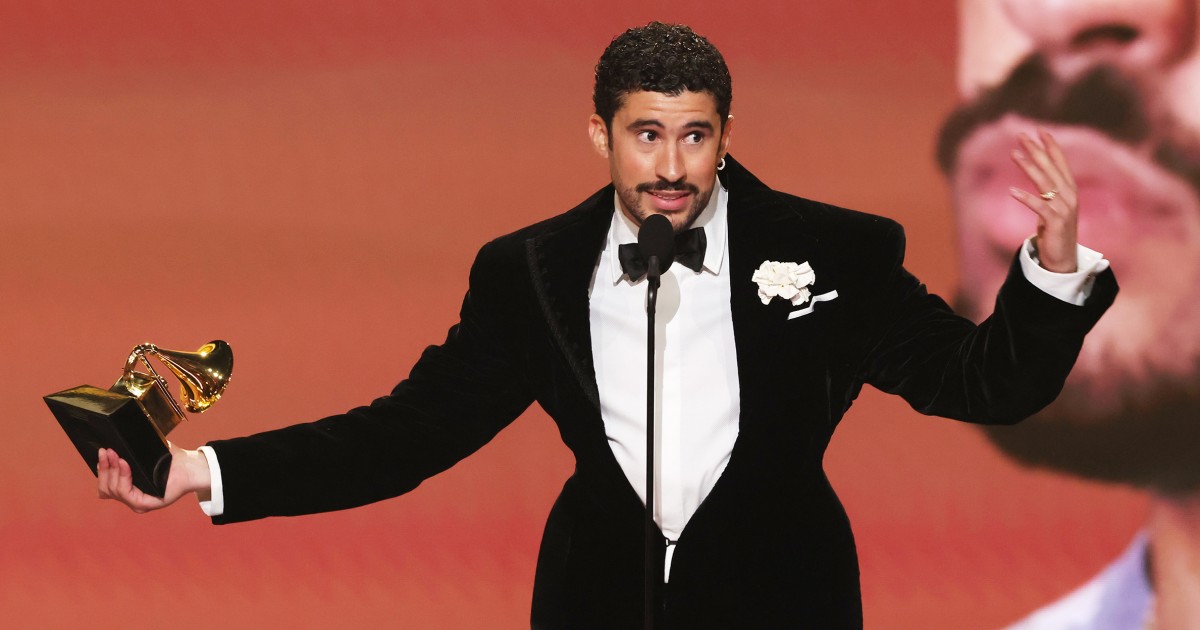
Who Is Bad Bunny, and Why Is the Super Bowl Halftime Show a Big Deal?
Bad Bunny isn’t just another pop star getting a football-adjacent victory lap. He’s the face of a new era: Spanish-language music dominating global charts, Latin trap and reggaeton shaping mainstream pop, and an artist who treats gender norms like a costume rack he can raid at will.
- Origin: Vega Baja, Puerto Rico
- Breakout era: Mid‑2010s SoundCloud tracks and features on reggaeton hits
- Key albums: X 100PRE, YHLQMDLG, El Último Tour del Mundo, Un Verano Sin Ti, Nadie Sabe Lo Que Va a Pasar Mañana
- Core genres: Reggaeton, Latin trap, pop, rock, dembow, and whatever else he feels like that week
“I’m not going to do something else just to reach a different audience. The audience comes to me.”
That attitude is key to understanding why his Super Bowl halftime performance is historic: the NFL is essentially meeting Bad Bunny on his own terms, not the other way around.
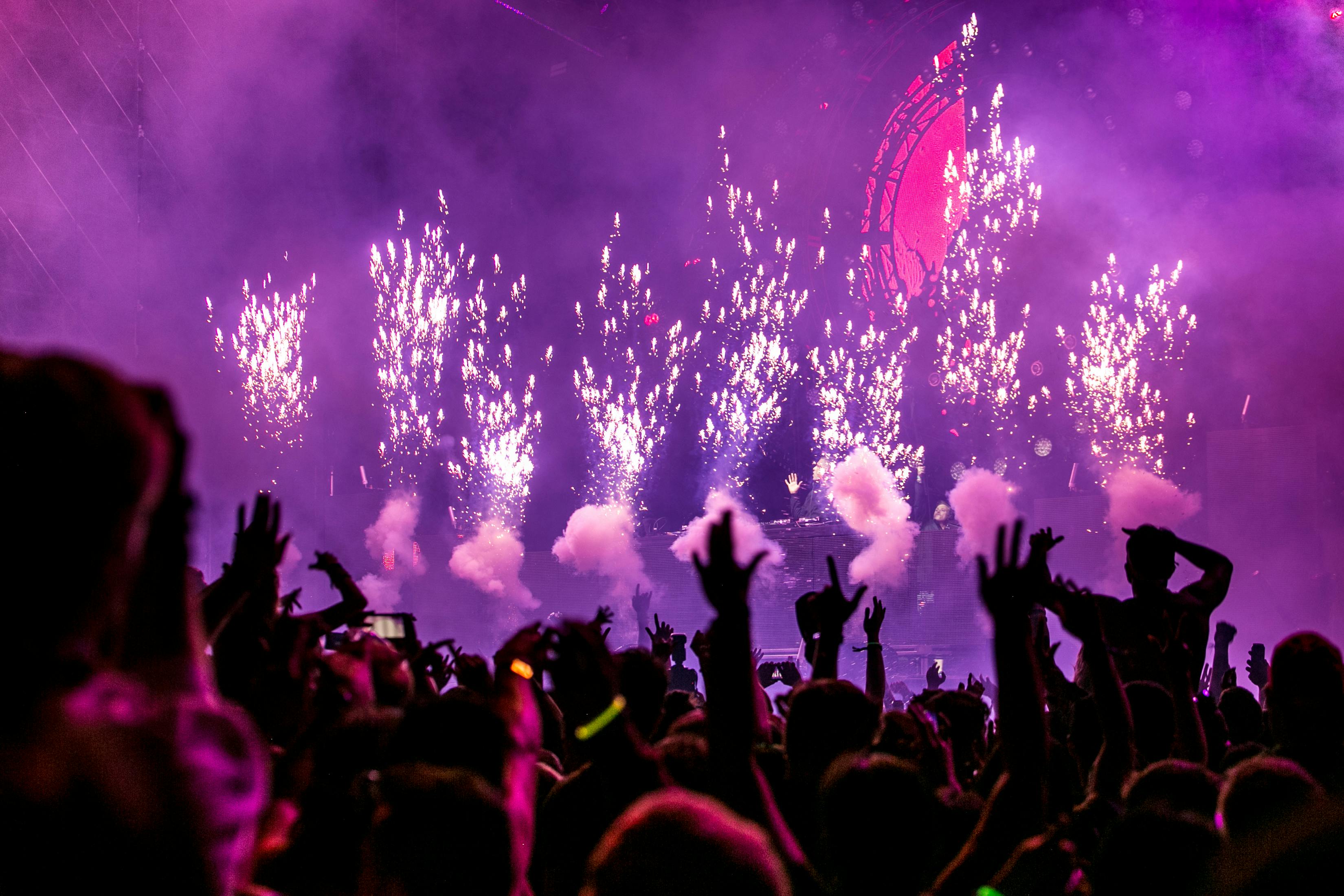
From a business and industry perspective, Bad Bunny’s halftime slot mirrors the NFL’s ongoing courtship of global streaming audiences and younger bilingual fans, similar to how Shakira and Jennifer Lopez’s 2020 performance and Rihanna’s 2023 return signaled different cultural eras.
Lyrics 101: The Words You’ll Hear (Even If You Don’t Speak Spanish)
Bad Bunny’s lyrics live at the intersection of club anthems, heartbreak confessionals, and Puerto Rican street slang. You don’t need to be fluent to vibe with the halftime show, but a few recurring themes and phrases will help.
Common Themes in Bad Bunny Songs
- Empowerment and independence – especially for women, often flipping macho reggaeton tropes on their head.
- Heartbreak and nostalgia – exes, almost-relationships, and the “we’re done but I still think of you at 3 a.m.” category.
- Party culture and nightlife – clubs, perreo (twerking/dirty dancing), and late-night drives.
- Puerto Rican identity – politics, pride, and subtle references only Boricuas immediately clock.
Expect the halftime setlist to lean heavy on tracks that are rhythm-first and hook-driven. Even if you catch only “baby, baby” and “mami, qué tú quieres,” the emotional delivery usually does the translation work for you.
Essential Bad Bunny Songs to Know Before the Halftime Show
No one knows the actual setlist yet, but based on chart performance, cultural impact, and stadium energy, these tracks are strong candidates or at least good preparation.
- “Tití Me Preguntó” – A chaotic, funny, and surprisingly introspective track about commitment issues and family pressure.
- “Callaíta” – A modern reggaeton classic about the quiet girl who turns into the main character at night.
- “Dakiti” (with Jhayco) – Sleek, underwater-club energy; tailor‑made for elaborate staging and lighting.
- “Yo Perreo Sola” – A feminist club anthem that made headlines for its queer-friendly video and gender-fluid visuals.
- “Moscow Mule” – Breezy, beachy pop-reggaeton; very halftime-friendly if the NFL wants a lighter vibe.
- “Un Preview” or recent singles – To remind viewers he’s not just revisiting old hits.

Industry-wise, these songs represent a blueprint: global hits not dependent on English, built around sticky hooks and production that travels well on TikTok, radio, and stadium PA systems alike.
Cultural Impact: From Puerto Rico to Global Pop Mainstream
Part of what makes this halftime show feel like an event is that Bad Bunny brings an unapologetically Puerto Rican sensibility into an American institution that historically preferred safe, English‑only stars.
- Language: He proved you can headline festivals and stadiums while staying mostly in Spanish.
- Politics: He’s used massive stages and music videos to highlight Puerto Rican protests, gender violence, and social issues.
- Gender expression: Nail polish, skirts, and fluid styling are standard for him—especially striking in a genre once defined by hyper-masculinity.
- Crossovers: He’s appeared in WWE, blockbuster films, U.S. awards shows, and fashion campaigns without diluting his identity.
“I’m just being myself. If that challenges someone’s idea of what a man should be, that’s their problem.”
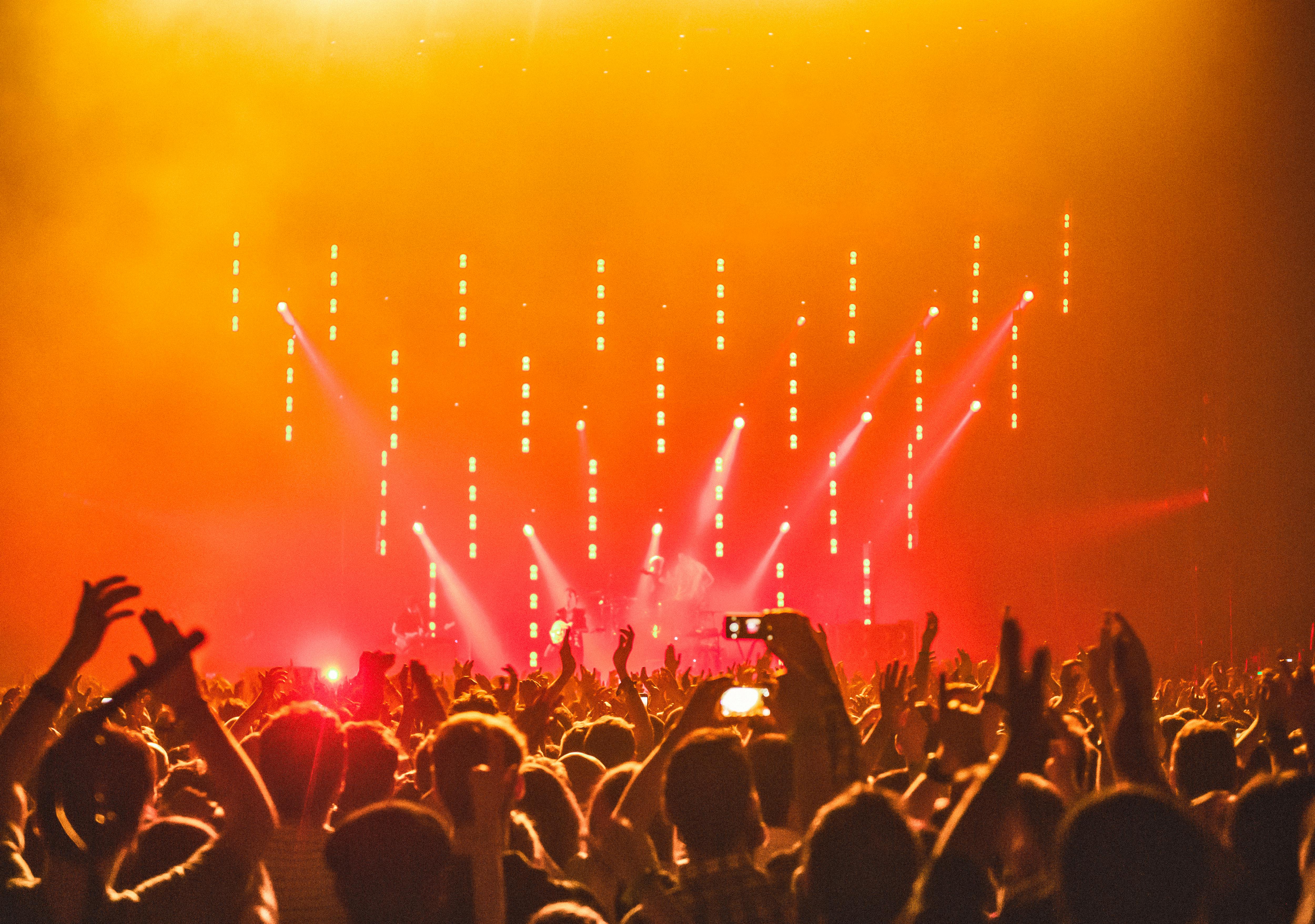
In the larger entertainment ecosystem, Bad Bunny’s rise paved the way for labels to invest more heavily in Latin artists, not as niche acts but as true headliners capable of anchoring tours, festivals, and yes, Super Bowl halftime shows.
What to Expect from Bad Bunny’s Super Bowl Halftime Performance
Reading his past tours and TV appearances like tea leaves, a few educated guesses emerge about how he’ll approach the halftime spotlight.
Visual Style & Staging
- Bold, surreal visuals: Expect anime, wrestling, streetwear, and Caribbean motifs, not just football-friendly fireworks.
- Choreography-heavy perreo: The dancing will likely be athletic and club-ready, with camera angles designed to keep it TV‑appropriate.
- Unexpected vehicles or set pieces: Past tours featured trucks, floating stages, and elaborate ramps.
Guest Appearances & Collabs
Bad Bunny’s discography is stacked with collabs (Cardi B, Drake, Rosalía, Jhayco, and more). Whether the NFL wants maximum crossover appeal or a mostly Latin lineup will shape who shows up.
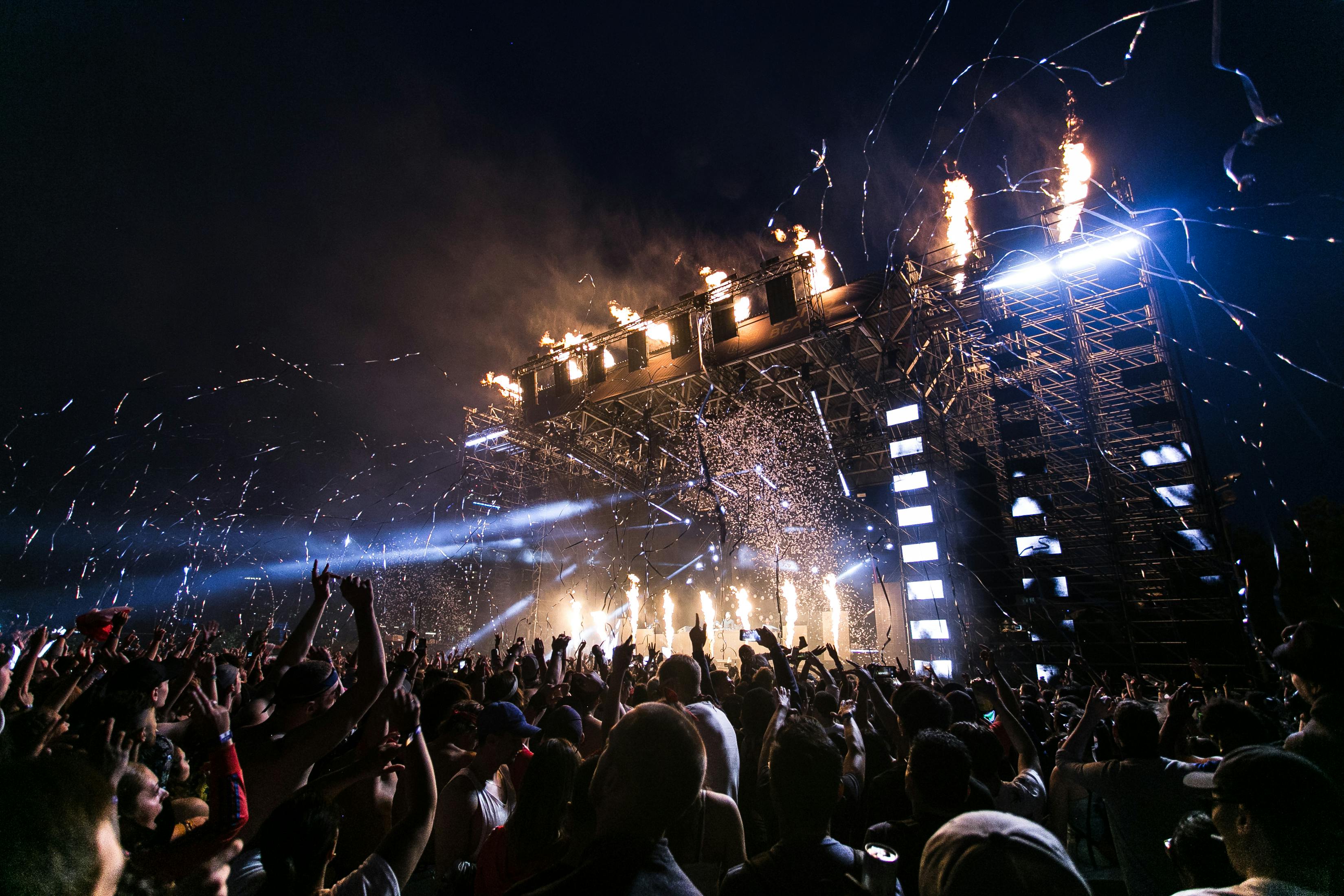
The main tension will be between his naturally unruly, genre-bending persona and the NFL’s need for a polished, sponsor-friendly, 12-minute show. If he pulls it off, it will be because he makes those constraints feel like part of the art.
Strengths, Weaknesses, and What Might Divide Viewers
Like most big cultural figures, Bad Bunny inspires intense devotion and equally loud “I don’t get it” reactions. Both sides will probably be watching.
Strengths
- Charisma: Even in language‑barrier situations (award shows, late-night TV), his presence reads instantly.
- Live experience: Recent tours show he can command stadiums, not just clubs or festivals.
- Catalog depth: Enough hits to fill three halftime shows, spanning moods and tempos.
Potential Weaknesses or Hurdles
- Language barrier for some viewers: Fans unfamiliar with Spanish might feel left out if they expect English hooks.
- Reggaeton fatigue: For listeners who don’t love the genre’s rhythmic repetition, a medley of it might blur together.
- Broadcast constraints: TV-friendly edits could blunt some of his more provocative or politically sharp material.
But even critics tend to concede that he’s moved the needle. Whether every viewer becomes a fan is almost beside the point; the culture shift is already on the scoreboard.
How to Watch: Tips for New Fans Following His Lyrics and Style
If you’re coming in more “curious” than “stan,” there are a few ways to get more out of the performance in real time.
- Turn on closed captions: Networks often provide at least partial lyric captioning, which helps even if translations are loose.
- Keep your phone handy: Apps like Shazam or built-in song recognition will tag tracks so you can save them mid‑show.
- Watch with bilingual friends or social media: X/Twitter, TikTok, and Instagram will be translating and explaining lyrics in near real time.
- Listen to one album beforehand: Un Verano Sin Ti is an accessible entry point—sunny, melodic, and less trap‑heavy.

Final Word: Why This Halftime Show Matters Beyond the Football Field
Super Bowl halftime shows have become checkpoints in pop history. Michael and Prince defined spectacle; Beyoncé and Bruno Mars defined performance; Shakira, Jennifer Lopez, and Rihanna defined different modes of global dominance. Bad Bunny’s entry into that canon signals something quieter but just as important: that Spanish‑language music is no longer visiting the American mainstream. It lives there.
Whether you tune in as a long‑time fan or as someone who still thinks “Bad Bunny” sounds like a cartoon character, his halftime set is a chance to see where pop is headed: borderless, bilingual, and increasingly shaped by artists for whom “crossing over” doesn’t require leaving themselves behind.
If his recent tours and TV performances are any indication, expect a halftime show that’s visually daring, musically dense, occasionally polarizing, but never boring—a live reminder that the future of pop sounds a lot like Bad Bunny already does.
