
Is Your Desk Job Cancelling Out Your Workouts? What Cardiologists Want You To Know
You can hit the gym four times a week, close all your fitness rings, and still have your heart quietly paying the price for one habit: sitting for long, uninterrupted hours. Cardiologists are increasingly concerned that “desk-chair lifestyles” can chip away at the benefits of even consistent workouts.
If you spend most of your day at a computer, in meetings, or commuting, this isn’t about blame—it’s about awareness. Once you understand what long stretches of sitting do to your heart, blood vessels, and metabolism, it becomes much easier to build simple, protective habits into your day.

Let’s unpack why prolonged sitting is such a problem for your cardiovascular health—and what you can realistically do about it, even with a demanding job.
Why Long Hours of Sitting Can Undo Some Workout Benefits
The core problem isn’t sitting itself—it’s sedentary time in long, unbroken chunks. Cardiologists and exercise scientists sometimes describe this as:
- “The active couch potato” effect – you exercise regularly, but are largely sedentary the rest of the time.
- “Metabolic shutdown” periods – hours when your muscles are so inactive that they stop using glucose and fats efficiently.
Large observational studies have linked sitting more than 8–9 hours per day to higher risks of:
- Cardiovascular disease (heart attack, stroke)
- Type 2 diabetes
- High blood pressure and abnormal cholesterol
- Earlier mortality from all causes
A key nuance: moderate-to-vigorous exercise does reduce this risk, but when sitting time is extreme and uninterrupted, some risk remains even in people who meet weekly exercise guidelines.
“Think of daily movement as your baseline medication, and structured workouts as a powerful booster. You need both. Long, immobile days can reduce the protective effects of even excellent workouts.”
— Cardiologist’s perspective, based on current sedentary-behavior research
What Prolonged Sitting Does to Your Heart, Vessels, and Metabolism
When you sit still for long stretches, a few key systems are affected at once. Here’s what happens inside your body.
1. Blood flow slows and your vessels stiffen
Sitting bends your hips and knees, which can compress blood vessels and reduce blood return from your legs. Over time, research shows this can:
- Increase stiffness in arteries (including those supplying the legs)
- Impair the function of the endothelium (the vessel lining that controls dilation)
- Raise the risk of clots in vulnerable people, especially on long flights or car rides
2. Muscles go “offline,” and metabolism slows
When large muscle groups like your thighs and glutes are inactive:
- Muscle cells use less glucose, so blood sugar can rise more after meals.
- Fat-burning enzymes are less active, which can raise blood triglycerides over time.
- Insulin sensitivity drops, inching you closer to prediabetes or diabetes if other risks are present.
3. Blood pressure and heart workload creep up
Studies tracking office workers show that prolonged sitting can cause:
- Short-term spikes in blood pressure (especially in people already at risk)
- Worse blood pressure control over months and years
- Higher resting heart rate due to overall lower daily movement
4. Posture and breathing take a hit
Slumped sitting compresses your diaphragm and chest, which can slightly reduce lung expansion. Over time, that can:
- Make you feel more fatigued and less likely to move
- Contribute indirectly to deconditioning and weight gain
Can Exercise Cancel Out the Damage from Sitting All Day?
The hopeful news: people who get about 30–60 minutes of moderate-to-vigorous exercise most days tend to have significantly lower risks, even if they sit quite a bit. However, research suggests:
- Very high sitting time still matters. Above ~8–9 hours of sitting per day, risk increases, especially without movement breaks.
- Breaking up sitting is powerful. Short, frequent activity breaks (1–5 minutes) lower blood sugar and blood pressure, even if total sitting time is similar.
- Light movement counts. You don’t need to “work out” all day—standing, slow walking, and gentle stretching all help.
“Think of your 45-minute workout as your heart’s training session, and your all-day movement as its job. If the ‘job’ is mostly inactivity, the training can’t fully protect you.”
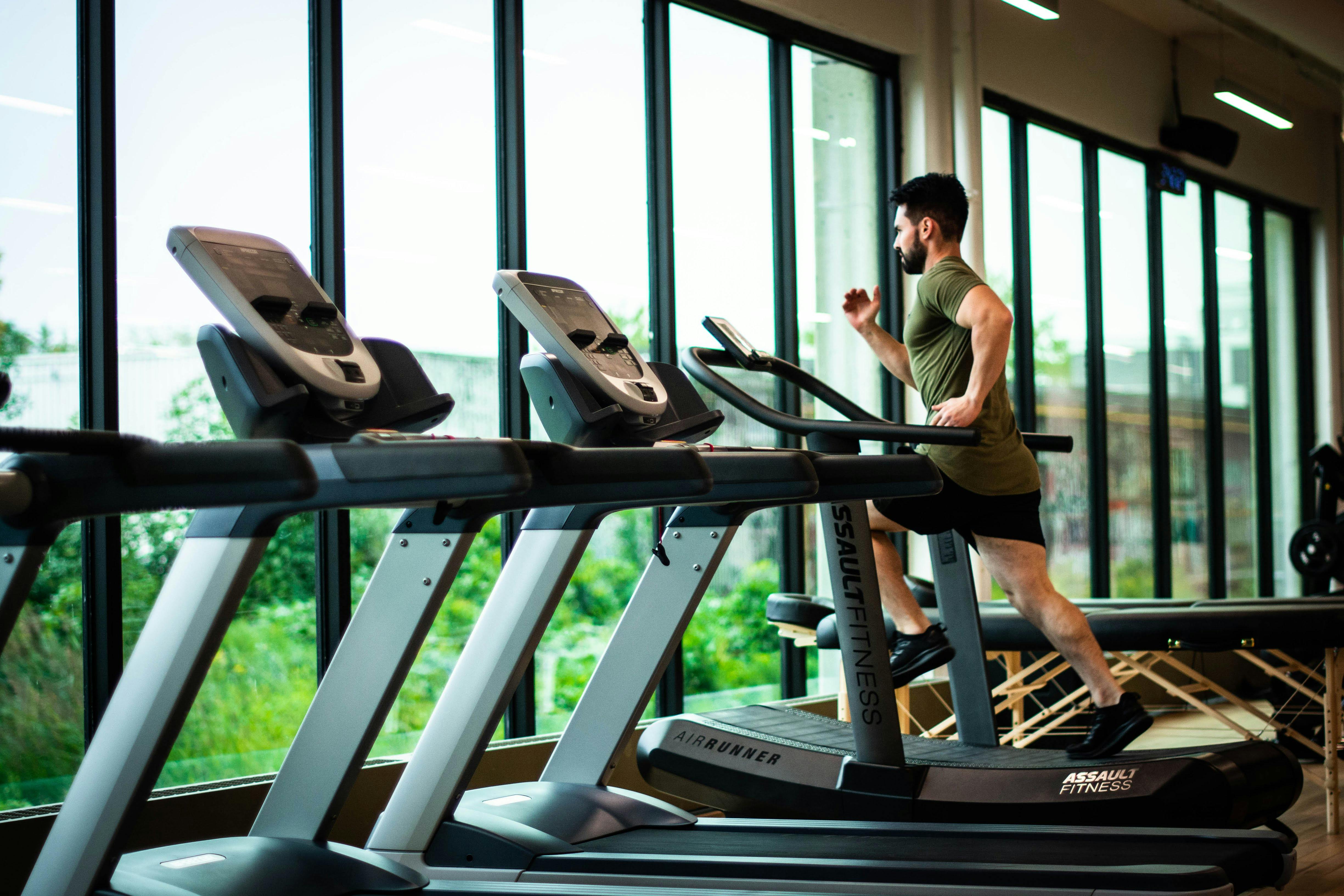
The most protective pattern appears to be: consistent exercise + lower overall sitting time + frequent movement breaks.
A Real-World Example: The Fit Professional with Rising Blood Pressure
Consider a 40-year-old project manager who runs 5 km three times a week and lifts weights twice a week. On paper, they “exercise more than average.” Yet their cardiology checkup shows:
- Borderline high blood pressure
- Increased waist circumference compared with a few years ago
- Long stretches of sitting: 10–11 hours most days, often without breaks
Instead of prescribing only more intense exercise, the cardiologist focuses on:
- Standing or walking for 3–5 minutes every 30–45 minutes of sitting
- Taking short walking meetings and using the stairs whenever possible
- Adding light evening walks on non-running days
After several months, their average blood pressure and energy levels improve—even though total “workout minutes” haven’t changed dramatically. The difference came from breaking up sedentary time.
Practical Ways to Protect Your Heart When You Sit for Work
You don’t need a complete lifestyle overhaul. Small, repeatable habits can meaningfully reduce the cardiovascular impact of sitting.
1. Break up sitting every 30–45 minutes
Evidence shows that 1–5 minutes of light movement can improve blood sugar and blood pressure responses after meals and during the workday.
- Stand and stretch between calls.
- Walk to get water, use a restroom on another floor, or pace while on the phone.
- Set a gentle reminder on your watch, phone, or computer.
2. Use your workstation strategically
- Sit–stand desks: Alternate sitting and standing—aim for 15–20 minutes of standing each hour if comfortable.
- Position essentials further away: Place your printer, water, or frequently used files where you must stand up to reach them.
- Optimize posture: Screen at eye level, feet flat, back supported to reduce fatigue and encourage regular micro-movements.
3. Build movement into your commute and breaks
- Get off public transport one stop early when safe and feasible.
- Park a little farther away from the office entrance.
- Take stairs instead of elevators when you can.
- Use a brisk 5–10 minute walk after meals, especially lunch.
4. Protect your structured workout time
For most adults, many cardiology and public health guidelines recommend:
- At least 150–300 minutes/week of moderate aerobic exercise (like brisk walking), or
- 75–150 minutes/week of vigorous exercise (like running or intense cycling)
- Plus 2+ days/week of muscle-strengthening activities.
Treat these as non-negotiable appointments with your future heart—and use reduced sitting to amplify their benefits.
If You Work from Home: Extra Tips to Keep Your Heart in Mind
Remote work can blur boundaries and sometimes leads to even longer sitting days. A few heart-friendly home strategies:
- Designate movement cues: Walk during every phone call or audio-only meeting.
- Micro-routines: Do 10–15 bodyweight squats, calf raises, or wall pushups at the end of each 60–90 minute work block.
- Visible reminders: Keep a resistance band or light dumbbells near your desk to nudge you toward quick strength exercises.
- Housework as cardio: Use short breaks for light chores—sweeping, folding laundry, or tidying can add up.

Common Obstacles—and How to Work Around Them
Knowing what to do is one thing; weaving it into a busy life is another. Here’s how many people overcome typical barriers.
“My schedule is back-to-back meetings.”
- Make 25- or 50-minute meetings your default so there’s a built-in movement buffer.
- Stand up during video calls when you’re mostly listening.
- Suggest walking meetings for 1:1 check-ins when feasible.
“I feel self-conscious standing up in an office.”
- Start with small changes: walk to a farther restroom or printer; take the stairs alone.
- Frame it as health-related if colleagues ask—many will relate or even join you.
- Advocate gently for a wellness culture that normalizes movement breaks.
“Once I sit, hours just disappear.”
- Use a timer or smartwatch alert set to every 30–45 minutes.
- Keep a full glass of water at your desk—you’ll be nudged to refill and use the restroom.
- Schedule your first short walk for mid-morning and another for mid-afternoon.
Putting It All Together: Help Your Workouts Work Harder for Your Heart
Long, uninterrupted sitting can blunt some of the powerful benefits your workouts provide—raising your risk for high blood pressure, poor cholesterol, and blood sugar problems over time. But this is a risk factor you can influence, even without changing jobs or adding hours of exercise.
To support your heart and overall wellbeing:
- Keep up (or gradually build up) your regular cardio and strength workouts.
- Break up sitting with brief movement every 30–45 minutes.
- Use your workspace and commute as built-in opportunities to move more.
- Address obstacles with small, realistic adjustments rather than all-or-nothing plans.
You don’t have to be perfect to protect your heart—you just have to be a bit more intentional. Choose one small change you can start today: a 5-minute walk after lunch, standing during one meeting, or setting a reminder to move every 40 minutes.
Your workouts are already an investment in your future health. Pair them with a little less sitting—and a little more everyday movement—and that investment can pay off even more powerfully over the years.
