
What a Cardiologist Really Eats in a Day for a Stronger Heart (Yes, Dessert Included)

If you’ve ever wondered what a heart doctor actually eats in a normal day, you’re not alone. Dariush Mozaffarian, a cardiologist and leading voice in the “food as medicine” movement, has spent his career watching poor diets fuel heart attacks, strokes, and weight gain—yet his own plate is anything but joyless. In fact, his daily routine includes colorful plants, healthy fats, and even dessert.
This article breaks down how a cardiologist thinks about food from breakfast to bedtime so you can borrow the same heart-protective habits—without counting every calorie or giving up everything you love.
“The single most powerful tool we have to prevent heart disease isn’t a pill—it’s what we put on our plates each day.”
— Dariush Mozaffarian, MD, cardiologist and nutrition scientist
Below is a practical, evidence-informed day of eating inspired by Mozaffarian’s approach—designed to feel doable in real life, not just on paper.
Why What You Eat in a Day Matters So Much for Your Heart
Mozaffarian’s time in the cardiac ward made one thing painfully clear: many heart attacks and strokes trace back to long-standing food patterns, not just bad luck or “bad genes.” Studies published in major journals like the New England Journal of Medicine and Circulation consistently link diets rich in plants, healthy fats, and minimally processed foods with lower rates of heart disease, diabetes, and premature death.
- High intake of ultra-processed foods is associated with higher risks of heart attack and stroke.
- Patterns like the Mediterranean and DASH diets, rich in vegetables, fruits, whole grains, beans, nuts, and olive oil, are tied to lower blood pressure and better cholesterol.
- Small, daily choices compound over years—much like interest in a savings account, but for your arteries.
The Simple Rules a Cardiologist Follows at Every Meal
Mozaffarian’s own eating pattern isn’t about rigid rules—it’s built around a few clear priorities that are strongly backed by research:
- Prioritize whole, minimally processed foods. Vegetables, fruits, beans, lentils, nuts, seeds, whole grains, fish, and fermented dairy form the base.
- Choose healthy fats, especially from plants and fish. Olive oil, nuts, seeds, avocado, and fatty fish are protective for the heart.
- Limit refined starches and added sugars. White bread, pastries, sugary drinks, and many snack foods quickly spike blood sugar and drive inflammation.
- Think in terms of “what to add” rather than only “what to avoid.” Adding fiber, color, and healthy fats naturally crowds out less helpful foods.
- Enjoy treats thoughtfully, not guiltily. Dessert can fit—especially when the rest of your plate supports your heart.
Breakfast: Fiber, Healthy Fats, and a Gentle Start for Your Heart
Many cardiologists, including Mozaffarian, lean on breakfasts that are high in fiber and healthy fats rather than sugary cereals or pastries. This combination helps stabilize blood sugar, keep you full, and support healthier cholesterol levels.
A Typical Cardiologist-Style Breakfast Might Include:
- Steel-cut oats cooked with water or milk, topped with:
- Fresh or frozen berries (for antioxidants and fiber)
- A spoonful of nuts or seeds (walnuts, almonds, chia, or flax) for omega-3s and healthy fats
- A sprinkle of cinnamon, and just a touch of honey or fruit for sweetness if needed
- Or a plain Greek yogurt bowl with:
- Mixed berries or sliced fruit
- Handful of nuts or a low-sugar granola
- Optional drizzle of extra-virgin olive oil (yes, on yogurt—it’s surprisingly good and very heart-friendly)
Smart Snacking: Small Choices, Big Impact on Your Arteries
Instead of ultra-processed snacks like chips or candy, cardiologists often turn to options that blend protein, fiber, and unsaturated fats. These help keep blood sugar steady and avoid the “energy crash” that makes sugary snacks so tempting later.
Examples of heart-conscious snacks include:
- A small handful (about 1 oz / 28 g) of unsalted nuts such as walnuts, almonds, or pistachios
- Carrot sticks or bell pepper slices with hummus
- Fresh fruit like an apple or pear, possibly paired with a spoonful of nut butter
- Edamame sprinkled with a bit of sea salt

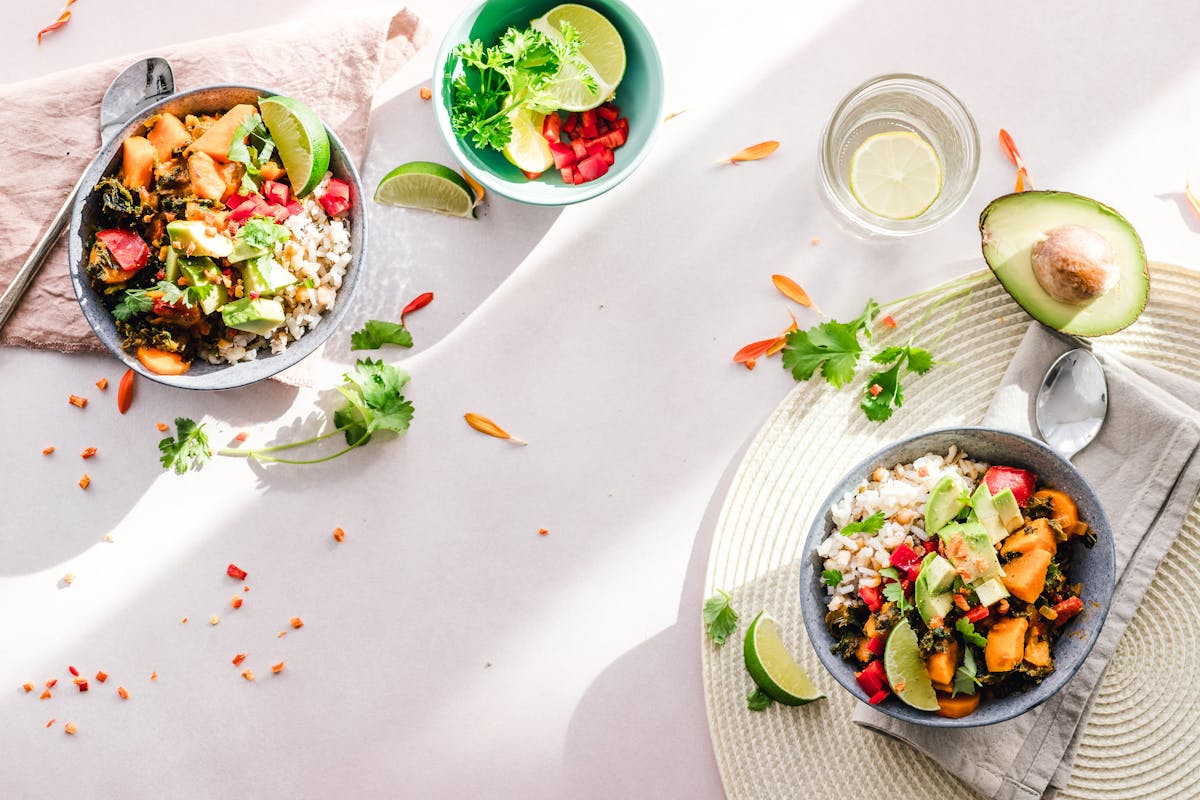
Lunch: Build a “Power Bowl” for Your Heart
For lunch, Mozaffarian’s style of eating usually centers on a large portion of vegetables, a source of quality protein, and a whole grain—often in the form of a salad bowl or grain bowl. This keeps the afternoon energy steady and supplies a huge dose of heart-protective nutrients.
A Cardiologist-Inspired Lunch Formula
Think of your plate (or bowl) in four parts:
- Half the plate: non-starchy vegetables. Leafy greens, tomatoes, cucumbers, peppers, broccoli, or roasted veggies.
- One quarter: high-quality protein. Beans, lentils, chickpeas, tofu, grilled fish, or skinless poultry.
- One quarter: whole grains or starchy veggies. Quinoa, farro, brown rice, barley, sweet potato, or corn.
- A generous drizzle of healthy fat. Extra-virgin olive oil or tahini-based dressing, plus nuts or seeds on top.
For example:
- Big salad of mixed greens, cherry tomatoes, cucumber, chickpeas, shredded carrots, a scoop of quinoa, and olive oil–lemon dressing sprinkled with pumpkin seeds.
- Or a grain bowl with brown rice, black beans, roasted vegetables, avocado slices, salsa, and a spoonful of plain Greek yogurt.
Afternoon: Caffeine, Hydration, and Keeping Blood Sugar Steady
Many heart specialists, including Mozaffarian, drink coffee or tea—often black or with a small amount of milk. Large studies suggest that moderate coffee consumption is not only safe for most people but may actually be associated with lower risk of heart disease and stroke, especially when sugar-laden syrups and whipped toppings are avoided.
- Coffee or tea: Usually 1–3 cups per day, ideally:
- Without added sugar, or with just a little
- Without heavy creamers high in saturated fat and sugar
- Water: Sipped throughout the day to support blood volume and kidney function.
- Optional snack: If hunger hits, something similar to the mid-morning options (nuts, fruit, veggies with hummus, or yogurt).
“For most people, coffee and tea can be part of a heart-healthy diet. The real issue is what you add to them.”
— Summary of findings from multiple large cohort studies on coffee and cardiovascular health
Dinner: Center Your Plate on Plants and Healthy Fats
Dinner is often where portions creep up, especially with refined carbs. A cardiologist’s approach keeps the same core pattern as lunch but may add more cooked vegetables and fish or legumes. Mozaffarian frequently highlights seafood, beans, and olive oil as particularly powerful for heart protection.
Cardiologist-Inspired Dinner Ideas
- Salmon with roasted vegetables: Baked or grilled salmon, drizzled with olive oil and herbs, served with roasted Brussels sprouts, carrots, and a side of farro or barley.
- Bean and veggie stew: A hearty mix of beans, tomatoes, leafy greens, onions, garlic, and olive oil, served over a small portion of brown rice or whole-grain bread.
- Mediterranean plate: Grilled fish or tofu, a big Greek salad with olives and feta, hummus, and a small serving of whole-grain pita.
Yes, Dessert Can Fit: How Cardiologists Enjoy Sweets
Mozaffarian is open about the fact that he enjoys dessert—he simply chooses when and how to have it. The key is frequency, portion, and what the rest of the day looks like.
Practical ways to keep dessert heart-conscious include:
- Have dessert after a meal rather than on an empty stomach, which softens the blood-sugar spike.
- Favor “upgraded” sweets such as:
- Dark chocolate (70% cocoa or higher) in small squares
- Berries with a dollop of whipped cream or yogurt
- Homemade baked goods using whole-grain flour and less sugar
- Keep portions modest so dessert is satisfying but not the main event.
- Enjoy it mindfully—no multitasking, just a few minutes to savor.

Real-Life Obstacles (and How to Navigate Them)
Changing how you eat—even with the best intentions—is hard. Mozaffarian often emphasizes that the food environment, busy schedules, and long-standing habits can make heart-healthy eating feel out of reach. The goal is to remove friction, not just rely on willpower.
1. “I Don’t Have Time to Cook.”
- Rely on frozen vegetables and pre-washed greens to cut prep time.
- Stock simple proteins like canned beans, lentils, and canned tuna or salmon (packed in water or olive oil).
- Cook a large batch of grains (brown rice, quinoa, barley) once or twice a week to use as a base for quick meals.
2. “My Family Isn’t On Board.”
- Make small, quiet upgrades: switch to olive oil, add an extra veggie side, or swap white rice for a mix of white and brown.
- Let everyone build their own bowl or tacos with a heart-healthy base and mix-and-match toppings.
- Introduce changes gradually—one new recipe or swap each week.
3. “Healthy Food Feels Too Expensive.”
- Lean on beans, lentils, and frozen vegetables—some of the most budget-friendly, heart-protective foods.
- Buy nuts and seeds in bulk when possible, and use small portions.
- Limit spending on sugary drinks and ultra-processed snacks; redirect that budget to whole foods.
What the Science Says About Eating for Heart Health
Mozaffarian has authored and co-authored extensive research on diet and cardiometabolic health. While individual studies vary, several consistent themes emerge across large reviews and guidelines from groups like the American Heart Association:
- Higher intakes of fruits and vegetables are linked to lower risks of heart disease, stroke, and all-cause mortality.
- Nuts, seeds, and olive oil are associated with improved cholesterol profiles and reduced cardiovascular events.
- Regular fish consumption (especially fatty fish like salmon, mackerel, and sardines) is associated with lower risk of fatal heart attacks.
- Refined grains, added sugars, and processed meats are consistently linked with higher cardiovascular risk.
No way of eating can guarantee that you’ll never have heart problems—genetics, age, and other factors also play a role. But a pattern like the one described here can significantly tilt the odds in your favor and often improves blood pressure, cholesterol, and weight along the way.
A Sample Day of Eating, Inspired by a Cardiologist
To make this feel more concrete, here’s how a day might look if you borrowed Mozaffarian’s “food is medicine” mindset. Use it as a template, not a rigid plan.
- Breakfast: Steel-cut oats with blueberries, walnuts, and cinnamon; coffee or tea with a splash of milk.
- Mid-morning: An apple with a tablespoon of almond butter.
- Lunch: Big salad bowl with mixed greens, chickpeas, quinoa, cherry tomatoes, cucumbers, olive oil–lemon dressing, and a sprinkle of seeds.
- Afternoon: Water or herbal tea; a small handful of unsalted nuts if hungry.
- Dinner: Baked salmon with herbs, roasted Brussels sprouts and carrots, and a side of farro drizzled with olive oil.
- Dessert: A few squares of dark chocolate and a handful of raspberries.

Start Where You Are: One Heart-Healthy Choice at a Time
The way Mozaffarian eats in a day isn’t a strict prescription—it’s a pattern built around whole foods, healthy fats, and enjoyment. You don’t need to overhaul everything overnight to support your heart. Even one or two shifts—like adding a veggie-rich lunch bowl or swapping soda for water—can start moving your numbers in the right direction.
If you’re living with heart disease, diabetes, or other medical conditions, it’s wise to discuss any major dietary changes with your healthcare team or a registered dietitian, especially regarding medications, sodium, and fluid intake.
For now, choose one small step you can commit to this week:
- Add one serving of vegetables to your usual dinner.
- Switch one refined snack (chips, cookies) to nuts or fruit.
- Make breakfast at home three days this week using oats or yogurt.
Your heart doesn’t need perfection—it needs consistency. The choices you make in the next 24 hours are a powerful place to begin.
