
Intermittent Fasting 2.0: How Time‑Restricted Eating and Fasting‑Mimicking Meals Boost Metabolic Flexibility
Intermittent Fasting 2.0: Time‑Restricted Eating, Metabolic Flexibility, and Fasting‑Mimicking Meals
Intermittent fasting has grown up. Instead of just “skip breakfast and hope for the best,” the 2026 conversation is all about time‑restricted eating (especially earlier in the day), metabolic flexibility, and occasional fasting‑mimicking diets that promise some of the benefits of fasting while still letting you enjoy real food. Think of it as upgrading from a crash diet to a more thoughtful rhythm: eating in sync with your body clock, savoring nutrient‑dense meals, and using fasting strategically rather than punitively.
In this guide, we’ll explore what Intermittent Fasting 2.0 looks like right now, who it may suit, and—because food should be delicious—we’ll wrap up with a circadian‑friendly, high‑protein “break‑the‑fast bowl” recipe that fits beautifully into an early time‑restricted eating window.
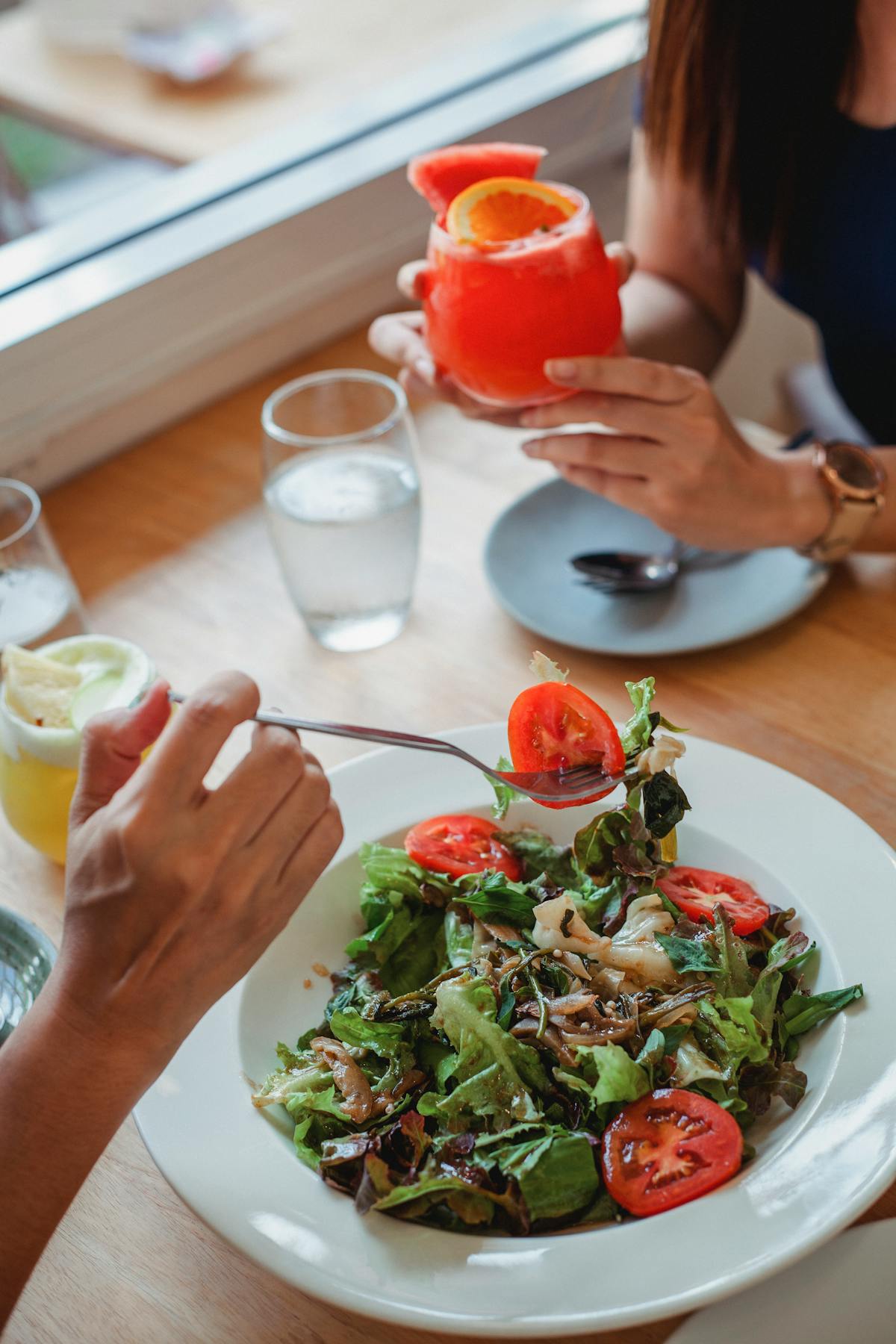
Around the world, wellness enthusiasts, clinicians, and home cooks are experimenting with earlier eating windows, plant‑forward fasting‑mimicking menus, and simple habits that help the body switch smoothly between burning carbs and burning fat. The focus has shifted from “don’t eat” to “what and when you eat” for sustainable metabolic health.
What Is “Intermittent Fasting 2.0” in 2026?
Early intermittent fasting trends were dominated by catchy ratios like 16:8 and the strict “don’t eat after X o’clock” mantra. As of early 2026, the landscape is more nuanced. Intermittent Fasting 2.0 often combines:
- Time‑restricted eating (TRE) – eating all your calories within a daily window, often 8–10 hours.
- Early eating windows – finishing most of your food earlier in the day to match your circadian rhythm.
- Fasting‑mimicking diets (FMDs) – brief, very low‑calorie, mostly plant‑based protocols a few times per year.
- Metabolic flexibility training – pairing nutrition with movement and sleep to help your body switch between fuel sources efficiently.
Underneath the buzzwords is a simple idea: give your digestive system regular breaks while making your eating window count with protein, fiber, healthy fats, and minimally processed foods.
Why Time‑Restricted Eating and Fasting Are Still Trending
Intermittent fasting remains popular because it speaks directly to modern metabolic concerns. In many countries, rates of insulin resistance, fatty liver disease, and obesity continue to rise. Time‑restricted eating is marketed as a way to:
- Improve insulin sensitivity and fasting glucose.
- Support weight management without counting every calorie.
- Reduce late‑night snacking and “mindless” eating.
- Potentially support cellular repair processes like autophagy.
On podcasts and social media, fasting is also framed as a longevity tool. While research is still evolving, conversations often center on inflammation, cellular stress responses, and how meal timing interacts with our internal clocks.
Time‑Restricted Eating (TRE): Beyond the 16:8 Hype
Time‑restricted eating means you eat all of your daily calories within a consistent window—often 8–10 hours—while drinking only non‑caloric beverages outside that window. Common examples include:
- 14:10 – 14 hours fasting, 10 hours eating.
- 16:8 – 16 hours fasting, 8 hours eating.
- 12:12 – gentler, often a good starting point.
The newer twist is early TRE. Instead of a late window like 12 p.m.–8 p.m., people increasingly choose earlier windows, such as:
- 8 a.m.–4 p.m.
- 9 a.m.–5 p.m.
- 10 a.m.–6 p.m.
These earlier windows try to sync eating with our body’s natural clock, as daytime is when insulin sensitivity and digestion tend to be more efficient for many people.
Fasting‑Mimicking Diets: Eating Less While “Acting” Fasted
Fasting‑mimicking diets (FMDs) are structured, very low‑calorie, mostly plant‑based meal plans followed for about 3–5 days, typically only a few times per year. Instead of water‑only fasting, FMDs provide:
- Strictly limited calories (often 30–50% of normal intake).
- Low protein and moderate healthy fats.
- Lots of vegetables and small portions of nuts, seeds, and simple soups.
The goal is to trigger some of the cellular responses seen with complete fasting—like shifts in growth signals and cellular repair—while still giving you enough energy and nutrients to function. Commercial FMD kits exist, but many people adapt a similar pattern at home with guidance.
Metabolic Flexibility: It’s Not Just About Not Eating
Intermittent Fasting 2.0 is obsessed with metabolic flexibility—your body’s ability to switch smoothly between burning glucose and fat. Fasting can help, but only when paired with thoughtful eating and movement. Modern guidance emphasizes:
- Protein and nutrient density to protect muscle and avoid deficiencies.
- Fiber‑rich carbs (vegetables, legumes, whole grains) over refined sugars.
- Healthy fats from nuts, seeds, olive oil, avocado, and fatty fish.
- Regular activity—from walking to resistance training—to support insulin sensitivity.
In practice, this often looks like:
- Breaking your fast with a high‑protein, fiber‑rich meal (like the bowl recipe below).
- Main meal centered on lean protein, colorful vegetables, and healthy fats.
- Optional snack—Greek yogurt, cottage cheese, or fruit with nuts—if it fits comfortably into your window.
Think of fasting as the frame, not the painting. The quality of what you eat inside the window is what brings your health picture to life.
Who Should Be Cautious with Intermittent Fasting?
Intermittent fasting and time‑restricted eating are not universally appropriate. Extra care—or an alternative approach—may be needed if you:
- Have a history of disordered eating or strong food rules.
- Are pregnant, breastfeeding, or trying to conceive.
- Have diabetes or take medications that affect blood sugar.
- Have certain gastrointestinal or chronic medical conditions.
- Are a growing teen or have very high training loads as an athlete.
Signs that your current fasting pattern may not be serving you include: persistent fatigue, intense rebound hunger and binge‑restrict cycles, mood changes, sleep disruption, or menstrual irregularities. In these cases, loosening the fasting rules—and nourishing your body consistently—may be far more supportive.
Recipe: Circadian‑Friendly High‑Protein “Break‑the‑Fast” Bowl
Let’s bring all of this theory into your kitchen. This savory, high‑protein bowl is designed as a first meal in an early time‑restricted eating window—say, around 9 or 10 a.m. It’s warm, satisfying, and built on blood‑sugar‑friendly ingredients: protein, fiber, and healthy fats.
Texturally, you’ll get the golden edges of sautéed vegetables, the creamy richness of avocado, tender grains, and a soft egg or tofu topping that breaks open into the bowl like a silky sauce. The aroma is all about gently toasted garlic, olive oil, and earthy greens—exactly the kind of bowl that makes “breaking your fast” feel celebratory, not restrictive.
Quick Recipe Overview
Prep time:
Cook time:
Total time:
Servings: 2 bowls
Difficulty: Easy–Moderate

Equipment You’ll Need
- Medium saucepan (for grains)
- Large non‑stick or cast‑iron skillet
- Cutting board and sharp knife
- Wooden spoon or spatula
- Small bowl for sauce/dressing
- Measuring cups and spoons
Ingredients
For the Bowl
- 1 cup (180 g) cooked quinoa or other whole grain (brown rice, millet, or buckwheat)
- 1 tablespoon extra‑virgin olive oil
- 1 small yellow onion, finely sliced
- 2 cloves garlic, minced
- 2 packed cups (about 60 g) baby spinach or kale, chopped
- 1 small zucchini, diced
- 1 small red bell pepper, diced
- 1/2 teaspoon smoked paprika (optional, for warmth)
- Salt and freshly ground black pepper, to taste
Protein Topping (Choose One)
- 2 large eggs, soft‑boiled or poached
- or 150 g (about 5 oz) extra‑firm tofu, cubed and pan‑seared
- or 150 g (about 5 oz) tempeh, sliced and pan‑seared
Creamy Tahini-Lemon Drizzle
- 2 tablespoons tahini
- 1 tablespoon freshly squeezed lemon juice
- 1 teaspoon extra‑virgin olive oil
- 1–2 tablespoons warm water, to thin as needed
- 1/4 teaspoon ground cumin (optional)
- Pinch of salt and black pepper
To Finish
- 1 small avocado, sliced
- 2 tablespoons toasted pumpkin seeds or sunflower seeds
- Fresh herbs, such as parsley or cilantro, roughly chopped
- Optional: a squeeze of hot sauce or sprinkle of chili flakes
Step‑by‑Step Instructions
Cook or reheat your grains.
If you don’t have cooked quinoa or other whole grains ready, rinse 1/2 cup (90 g) dry quinoa under cold water. Combine with 1 cup (240 ml) water and a pinch of salt in a saucepan. Bring to a boil, reduce to a gentle simmer, cover, and cook for about 15 minutes until tender and fluffy. Let stand, covered, for 5 minutes, then fluff with a fork.
Prepare the protein.
For eggs: bring a small pot of water to a gentle boil. Carefully lower in the eggs and cook 6–7 minutes for jammy centers. Transfer to ice water, let cool slightly, then peel.
For tofu or tempeh: pat dry. Heat a teaspoon of olive oil in a skillet over medium heat. Add the cubes or slices, season lightly with salt and pepper, and cook 3–4 minutes per side until golden and crisp. Set aside.
Sauté the aromatics and vegetables.
In a large skillet, warm 1 tablespoon olive oil over medium heat. Add the sliced onion and a pinch of salt. Cook 4–5 minutes, stirring occasionally, until translucent and lightly caramelized at the edges. Stir in the garlic and cook about 30 seconds, just until fragrant.
Add the diced zucchini and bell pepper. Sprinkle with smoked paprika, plus more salt and pepper to taste. Sauté 5–7 minutes, until the vegetables are tender and lightly browned in spots.
Wilt the greens and warm the grains.
Add the chopped spinach or kale to the skillet and toss with the warm vegetables until the greens wilt down and turn vibrant green, 1–2 minutes.
Stir in the cooked quinoa (or other grains) and a splash of water if the pan seems dry. Fold everything together so the grains soak up the flavorful oil and vegetable juices. Taste and adjust seasoning.
Mix the tahini‑lemon drizzle.
In a small bowl, whisk together tahini, lemon juice, olive oil, cumin (if using), and a pinch of salt and pepper. Add warm water 1 teaspoon at a time until you reach a pourable, creamy consistency—similar to thin yogurt.
Assemble the bowls.
Divide the warm grain‑and‑vegetable mixture between two bowls. Top each with your chosen protein (egg, tofu, or tempeh), sliced avocado, toasted seeds, and fresh herbs.
Drizzle generously with the tahini‑lemon sauce. Add a squeeze of hot sauce or a pinch of chili flakes if you like a gentle kick to wake up your taste buds.
Serve and enjoy mindfully.
Sit down, take a breath, and notice the colors, aromas, and textures before that first bite. Eating slowly—especially after a fast—helps your satiety signals catch up so you can finish feeling pleasantly satisfied rather than overly full.
Substitutions and Dietary Adaptations
- Vegan option: Use tofu or tempeh instead of eggs and ensure the tahini is pure sesame without added dairy.
- Gluten‑free: Choose naturally gluten‑free grains like quinoa, brown rice, millet, or certified gluten‑free oats.
- Higher protein: Add extra tofu/tempeh, or stir in a few tablespoons of cooked lentils or chickpeas.
- Lower fat: Reduce the avocado portion and tahini drizzle slightly; keep some fat for satiety and nutrient absorption.
- Different veggies: Swap in mushrooms, broccoli florets, or leftover roasted vegetables—use what’s seasonal or in your fridge.
Storage and Reheating
This bowl is excellent for meal prep, especially if you keep the fresh components separate until serving.
- Refrigeration: Store the cooked grain‑and‑vegetable mixture and cooked protein in airtight containers in the fridge for up to 3 days. Keep avocado and herbs separate and slice fresh.
- Reheating: Warm the grain‑and‑vegetable base gently in a skillet over low–medium heat with a splash of water, or in the microwave in 30‑second bursts, stirring in between, until heated through.
- Sauce: The tahini‑lemon drizzle thickens in the fridge. Whisk in a little warm water just before serving to loosen it.
If you’re aiming for an early time‑restricted eating window, prepping components in advance makes it easy to break your fast with a nourishing meal even on busy mornings.
Serving Suggestions and Pairings
To round out your intermittent fasting eating window while keeping blood sugar steady, you might pair this bowl with:
- A side of fresh berries or a citrus fruit for extra color and vitamin C.
- A small serving of plain Greek yogurt or unsweetened plant yogurt (if dairy‑free) later in your window as a snack.
- A cup of green tea or herbal tea alongside the bowl, rather than sugar‑sweetened drinks.

Over the course of your eating window, aim for variety: different vegetables, colors, and textures so that your intermittent fasting 2.0 pattern feels like a vibrant way of eating, not a sparse set of rules.
Bringing Intermittent Fasting 2.0 into Your Kitchen
Intermittent fasting in 2026 is less about heroic willpower and more about rhythm: aligning your meals with daylight, building bowls and plates that truly satisfy you, and letting your body alternate between gentle fasting and deeply nourishing feasts.
Whether you commit to an early time‑restricted eating schedule, occasionally explore a supervised fasting‑mimicking diet, or simply borrow the spirit of metabolic flexibility, anchoring your routine in flavorful, whole‑food meals like this bowl keeps the focus right where it belongs—on caring for your body with food you genuinely love to eat.
Start with small, sustainable changes: a slightly earlier dinner, a colorful high‑protein first meal, and a gentle curiosity about how different patterns make you feel. Your fasting practice should support your life, not the other way around.
