
Gut Health 2.0 Dinner Bowl: A Colorful Microbiome Diet Recipe with Fermented Foods and Polyphenols
Gut health has stepped into the spotlight, moving beyond basic probiotic supplements to a rich, exciting microbiome diet that celebrates whole foods, fermentation, and big, bold flavors. This recipe turns those ideas into something you can actually tuck into tonight: a vibrant Gut Health 2.0 Fermented Veggie & Polyphenol Power Bowl that’s loaded with fiber, fermented foods, and colorful plants.
Think of it as a cozy, weeknight‑friendly way to feed your gut microbes: tangy kimchi or sauerkraut, crunchy vegetables, creamy yogurt or kefir drizzle, and a rainbow of herbs and spices. Inspired by the “30 plants a week” movement and the popularity of fermented foods like kimchi, miso, and kefir, this bowl brings together prebiotics, probiotics, and polyphenols in one deeply satisfying meal.
Whether you’re just beginning to explore gut health or you’re already batch‑fermenting your own kraut, this recipe is designed to be forgiving, flexible, and absolutely delicious.
Recipe Overview: Gut Health 2.0 Fermented Veggie & Polyphenol Power Bowl
Prep time:
Cook time:
Total time:
Servings: 2 bowls
Difficulty: Easy–Intermediate
Dietary: Vegetarian, high‑fiber, gut‑friendly; gluten‑free adaptable

This gut‑supportive bowl is built on a base of whole grains and beans, topped with crisp vegetables, a generous spoonful of kimchi or sauerkraut, and a creamy yogurt‑kefir drizzle. It’s a simple, weeknight‑friendly way to enjoy fermented foods, prebiotic fiber, and polyphenol‑rich plants in one satisfying, microbiome‑friendly dinner.
Gut Health 2.0: From Probiotics to a Microbiome Diet
Over the past few years, the conversation around gut health has grown from “just take a probiotic” into a richer, more delicious picture: a microbiome‑supportive way of eating. Popular books, podcasts, and research summaries have shown how our gut microbes are linked not only to digestion, but also to immunity, skin health, and even mood through the gut–brain axis.
Instead of relying on a single supplement, this approach puts food at the center. It celebrates:
- Prebiotic fibers that feed beneficial bacteria, found in onions, garlic, leeks, asparagus, oats, barley, beans, and slightly underripe bananas.
- Fermented foods like sauerkraut, kimchi, kefir, yogurt, kombucha, miso, and tempeh that provide live microbes and tangy depth of flavor.
- Polyphenol‑rich plants such as berries, herbs, spices, green tea, coffee, dark chocolate, and colorful vegetables that act as “microbial fuel.”
- Minimally processed meals with fewer emulsifiers, artificial sweeteners, and highly refined ingredients.
Instead of chasing magic bullets, the modern microbiome diet is about pattern: more plants, more diversity, more fermentation, and fewer ultra‑processed foods.
This bowl follows that philosophy: it layers fermented foods, prebiotic vegetables, legumes, herbs, and spices into one simple, colorful plate you can repeat and riff on all week.
Equipment You’ll Need
No special gadgets required—just a few kitchen basics to bring this microbiome‑friendly dinner together:
- Medium saucepan with lid (for grains)
- Small saucepan (for beans, if using dried or to warm canned)
- Large non‑stick or cast‑iron skillet (for veggies)
- Cutting board and sharp knife
- Mixing bowl (for dressing and yogurt drizzle)
- Measuring cups and spoons
- 2 shallow bowls for serving

Ingredients: Fermented, Fiber‑Rich & Polyphenol‑Packed
The ingredient list is designed to showcase gut‑friendly stars: whole grains, beans, crunchy vegetables, fermented foods, and a good hit of herbs and spices. Measurements below make 2 generous servings.
For the Grain & Legume Base
- 1/2 cup (100 g) dry brown rice or quinoa (use certified gluten‑free if needed)
- 1 cup (240 ml) water or low‑sodium vegetable broth
- 1/2 teaspoon extra‑virgin olive oil or avocado oil
- 1/2 cup (90 g) cooked mixed beans (such as chickpeas, black beans, or lentils), rinsed and drained if canned
- 1/4 teaspoon ground cumin
- Pinch of sea salt and freshly ground black pepper, to taste
For the Gut‑Friendly Veggie Topping
- 1 tablespoon extra‑virgin olive oil
- 1 small red onion, thinly sliced (prebiotic fiber)
- 2 cloves garlic, minced (prebiotic fiber)
- 1 small leek, white and light green parts only, sliced and rinsed well (optional, extra prebiotic)
- 1 cup (90 g) broccoli florets or broccolini
- 1 small carrot, cut into thin matchsticks
- 1 small red or yellow bell pepper, thinly sliced
- 1/2 teaspoon ground turmeric
- 1/2 teaspoon smoked paprika or sweet paprika
- 1 teaspoon freshly grated ginger (optional but great for digestion)
- 2 tablespoons water (to help steam the veggies)
For the Fermented & Crunchy Toppings
- 1/2 cup (about 80 g) kimchi or raw, unpasteurized sauerkraut
- 2 tablespoons pumpkin seeds or sunflower seeds, lightly toasted
- 2 tablespoons fresh herbs (such as parsley, cilantro, or dill), roughly chopped
- 1 small avocado, sliced or cubed
- 1 tablespoon extra‑virgin olive oil (for finishing)
- Freshly ground black pepper and flaky salt, to taste
For the Kefir–Yogurt Polyphenol Drizzle
- 3 tablespoons plain kefir or unsweetened plain yogurt (dairy or plant‑based with live cultures)
- 1 teaspoon extra‑virgin olive oil
- 1 teaspoon lemon juice or apple cider vinegar
- 1/4 teaspoon ground black pepper (polyphenols)
- 1/4 teaspoon dried oregano or thyme
- 1/4 teaspoon honey or pure maple syrup (optional, to balance acidity)
Visual Guide: Building Your Gut Health Bowl
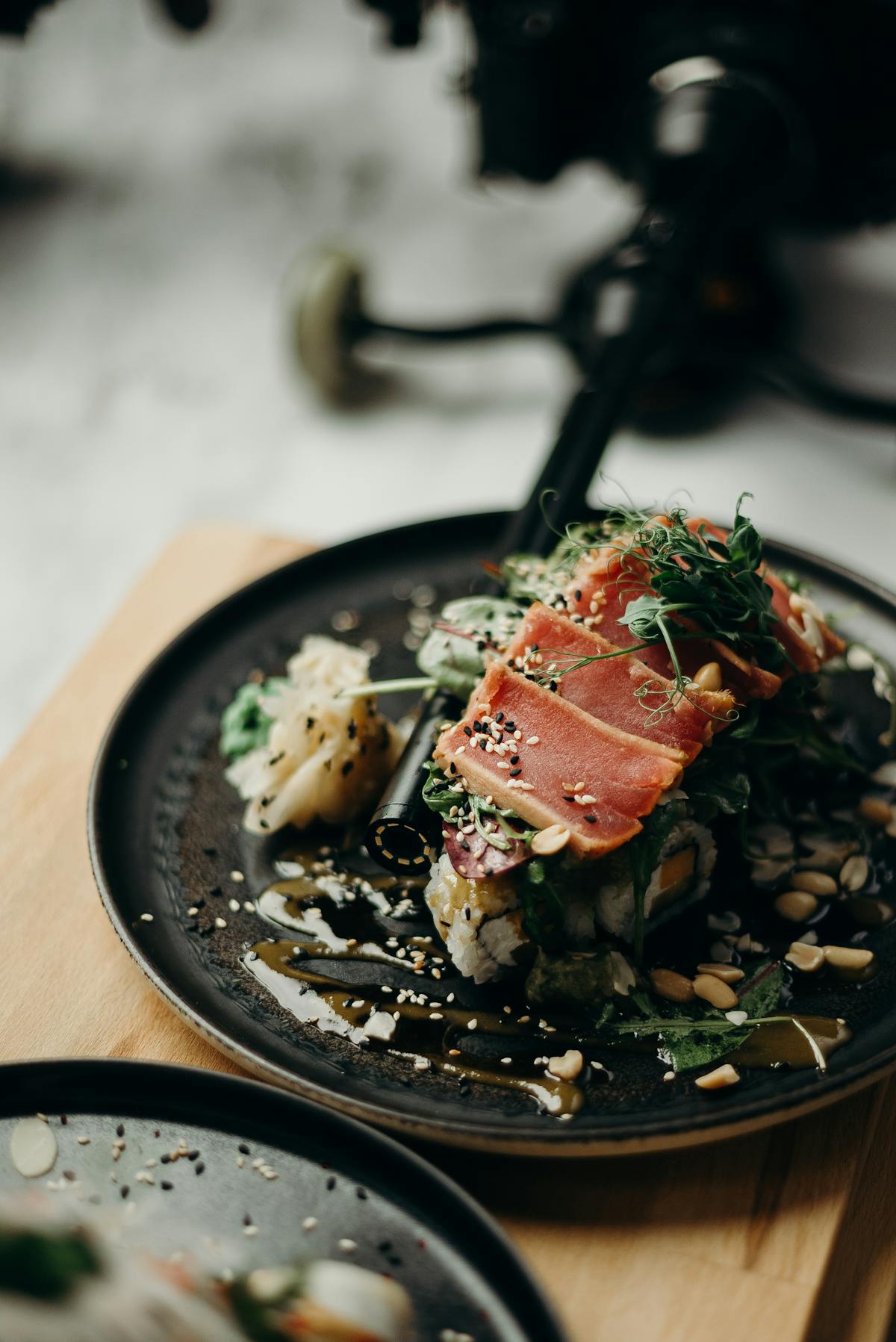
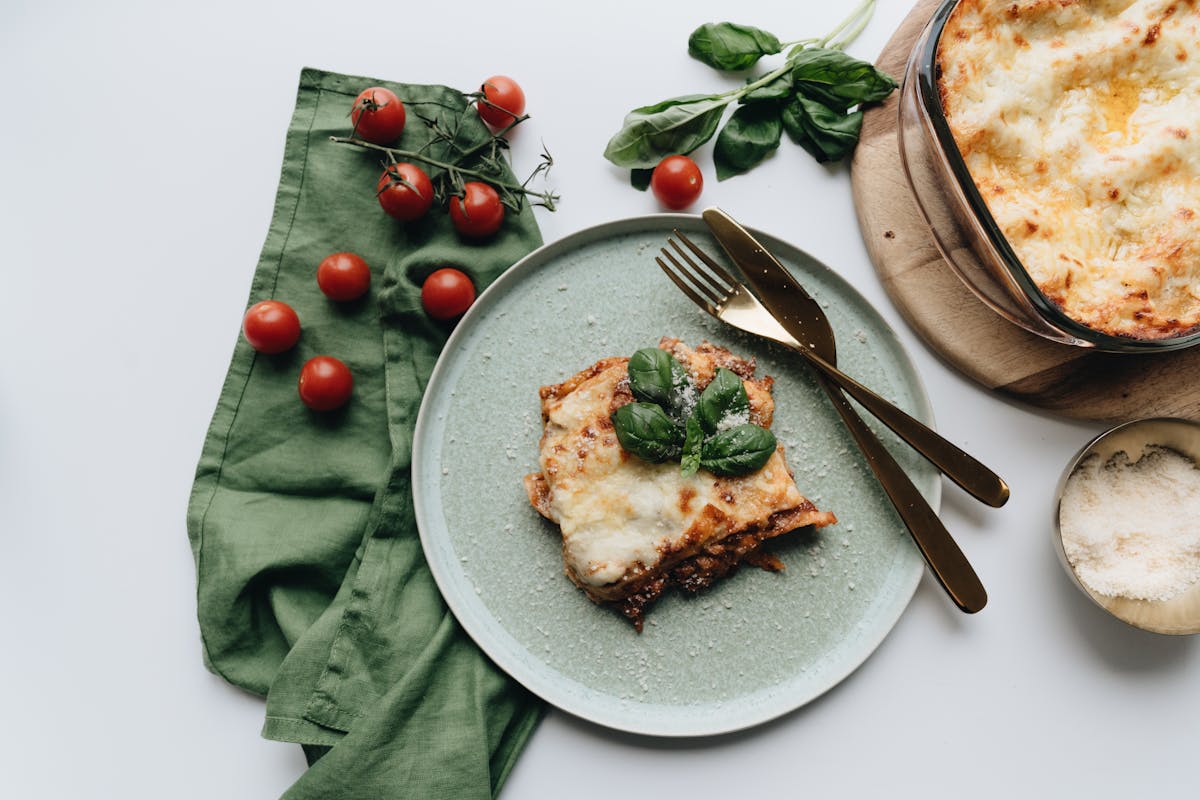
Seeing each stage can help you feel more confident, especially if you’re newer to fermented foods or high‑fiber cooking. Use these images as a loose guide rather than strict rules—your microbiome bowl should reflect what you love and what’s in season.


Step‑by‑Step Instructions
- Cook the grain base.
Rinse the brown rice or quinoa under cold water. In a medium saucepan, combine grains with the water or broth, olive oil, and a pinch of salt. Bring to a boil over medium‑high heat, then reduce to low, cover, and simmer until the liquid is absorbed and the grains are tender (about 15–18 minutes for quinoa, 25 minutes for brown rice). Remove from heat and let rest, covered, for 5 minutes, then fluff with a fork. - Warm and season the beans.
While the grains cook, add the cooked beans to a small saucepan with a splash of water, cumin, salt, and pepper. Warm over low heat for 3–5 minutes, stirring occasionally, until heated through and fragrant. Turn off the heat and keep covered. - Prep the vegetables.
Slice the onion, mince the garlic, clean and slice the leek (if using), and chop the broccoli, carrot, and bell pepper. Aim for bite‑sized, even pieces so they cook quickly and retain a pleasant crunch. - Sauté the aromatics.
Heat 1 tablespoon olive oil in a large skillet over medium heat. Add the onion and leek with a small pinch of salt. Cook, stirring occasionally, for 3–4 minutes until they start to soften and smell sweet. Add the garlic and ginger; cook for 30 seconds until fragrant, taking care not to burn the garlic. - Cook the veggies with spices.
Add the broccoli, carrot, and bell pepper to the skillet. Sprinkle over the turmeric and paprika, then toss to coat the vegetables evenly in the spices and aromatic oil. Cook for 3 minutes, then add 2 tablespoons of water and cover the skillet. Let the veggies steam‑sauté for another 3–4 minutes until bright, tender‑crisp, and still vibrant. Taste and adjust seasoning with salt and pepper. - Make the kefir–yogurt drizzle.
In a small bowl, whisk together the kefir or yogurt, olive oil, lemon juice or apple cider vinegar, black pepper, dried oregano or thyme, and honey or maple syrup if using. The texture should be pourable; thin with a teaspoon of water if needed and adjust seasoning to taste. - Toast the seeds.
In a dry skillet over medium‑low heat, toast the pumpkin or sunflower seeds for 2–3 minutes, shaking the pan frequently, until they start to pop and smell nutty. Transfer to a small plate to cool slightly. - Assemble the microbiome bowls.
Divide the warm grains between two shallow bowls. Spoon the seasoned beans over one side, then add a generous pile of the sautéed vegetables. Add 1/4 cup of kimchi or sauerkraut to each bowl, keeping the fermented component off direct high heat so the cultures stay alive. Arrange sliced avocado on top. - Finish with toppings & drizzle.
Drizzle the kefir–yogurt sauce over the bowls. Scatter toasted seeds and chopped herbs on top. Finish with a final thread of extra‑virgin olive oil, freshly ground black pepper, and a pinch of flaky salt if you like. - Serve and enjoy slowly.
Serve the bowls warm, ideally alongside a cup of green tea or a small glass of kombucha. Take your time eating—slower, mindful meals can help digestion and let you fully enjoy the textures: tangy crunch from the fermented veg, creamy avocado, toothsome grains, and the gentle heat of spices.
Variations, Swaps & Microbiome‑Friendly Twists
One of the joys of a microbiome diet is variety. Use this recipe as a flexible template to keep your gut microbes interested and well‑fed.
Protein Variations
- Tempeh or tofu: Pan‑sear marinated tempeh or tofu and add on top for extra fermented or plant protein.
- Eggs: A soft‑boiled or poached egg adds richness and additional nutrients.
- Fish: For non‑vegetarian variation, add grilled salmon or mackerel—omega‑3s can also support overall health.
Grain & Veggie Swaps
- Swap brown rice for barley, farro, or buckwheat (ensure gluten‑free needs are met).
- Rotate veggies seasonally: asparagus, Brussels sprouts, cabbage, kale, squash, or whatever is fresh and colorful.
- Add prebiotic stars like Jerusalem artichokes or chicory root if you enjoy their flavor and tolerate them well.
Flavor & Dietary Adaptations
- Vegan: Use plant‑based yogurt or kefir and maple syrup instead of honey.
- Low‑heat: Choose mild sauerkraut over spicy kimchi and go light on pepper and ginger.
- Extra polyphenols: Sprinkle with ground flaxseed, sesame seeds, or chopped walnuts, and add a side of green tea.
Storage, Meal Prep & Reheating Tips
This microbiome bowl is meal‑prep friendly, with one important rule: store fermented foods separately to protect their live cultures and keep flavors bright.
Storing Leftovers
- Grains & beans: Store together in an airtight container in the refrigerator for up to 3–4 days.
- Cooked veggies: Keep in a separate container for 3 days; they’re best when not over‑reheated.
- Fermented toppings: Store kimchi or sauerkraut in their original jars in the fridge; they’ll keep for weeks.
- Kefir–yogurt drizzle: Store in a small jar in the fridge for up to 3 days; shake or stir before using.
Reheating
- Reheat grains, beans, and veggies together in a skillet over low‑medium heat with a splash of water or broth until just warmed.
- Avoid heating the kimchi or sauerkraut directly; add them cold or at room temperature just before serving.
- Add the kefir–yogurt drizzle and avocado only after reheating to preserve texture and beneficial cultures.
For grab‑and‑go lunches, assemble bowls in containers without the fermented veggies and sauce. Pack those in small side containers and add right before eating.
Serving Suggestions & Complementary Gut‑Friendly Dishes
This fermented veggie and polyphenol power bowl is a complete meal on its own, but you can easily turn it into a full gut health menu with a few thoughtful additions.
- Starter: A small bowl of miso soup with seaweed and tofu for extra fermented goodness.
- Side: A simple salad of mixed greens, finely sliced red cabbage, herbs, and olive oil–lemon dressing.
- Drink: Lightly sweetened kombucha, unsweetened green tea, or a herbal infusion like peppermint or ginger.
- Dessert: A handful of berries with a square of high‑cocoa dark chocolate for a final polyphenol boost.
However you serve it, let this bowl remind you that gut health can be deeply enjoyable: colorful, fragrant, and full of textures that make each bite interesting.
Bringing the Microbiome Diet into Everyday Cooking
The Gut Health 2.0 movement is all about weaving small, sustainable habits into your routine—adding a spoonful of sauerkraut here, switching to whole grains there, or slipping extra herbs and spices into your meals. Recipes like this fermented veggie and polyphenol power bowl make those habits feel joyful instead of rigid.
Start with this version, then play: change the grain, rotate the beans, try different fermented vegetables, and keep counting how many plants you can invite onto your plate each week. Your tastebuds—and your microbiome—will notice.
