
How Scientists Are Untangling COVID-19’s Origins (And What We Still Don’t Know)
When COVID-19 first appeared, many people assumed we’d quickly learn exactly how it started. Years later, even after the world’s first comprehensive investigation into the pandemic’s origins, the honest answer is more nuanced: we’ve learned a lot, but we still don’t have a simple, definitive origin story.
In this article, we’ll walk through what leading researchers — including members of the World Health Organization’s Scientific Advisory Group for the Origins of Novel Pathogens (SAGO) — have pieced together so far, what remains unknown, and how this knowledge can help protect us from future pandemics.
Why Understanding COVID-19’s Origins Matters
This isn’t just an academic mystery. Knowing how SARS‑CoV‑2 first infected humans matters for:
- Designing better surveillance systems for new infectious diseases
- Improving biosafety standards in laboratories and wildlife markets
- Guiding international agreements on data sharing and sample access
- Rebuilding public trust in science and public health institutions
What We Know So Far About COVID-19’s Origins
Based on analyses by SAGO members and other independent teams, several points are now broadly supported by evidence.
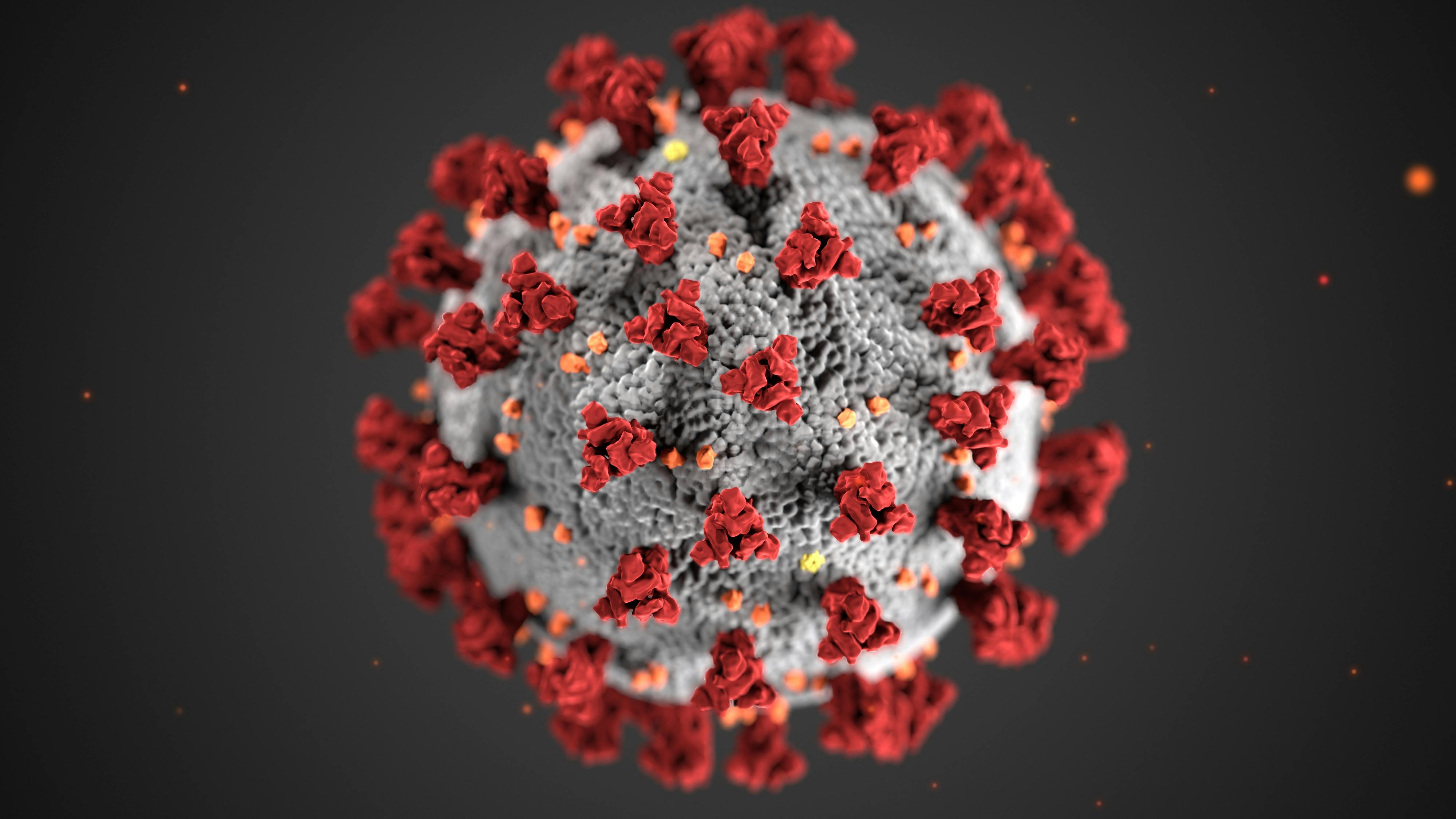
1. SARS‑CoV‑2 is closely related to known bat coronaviruses
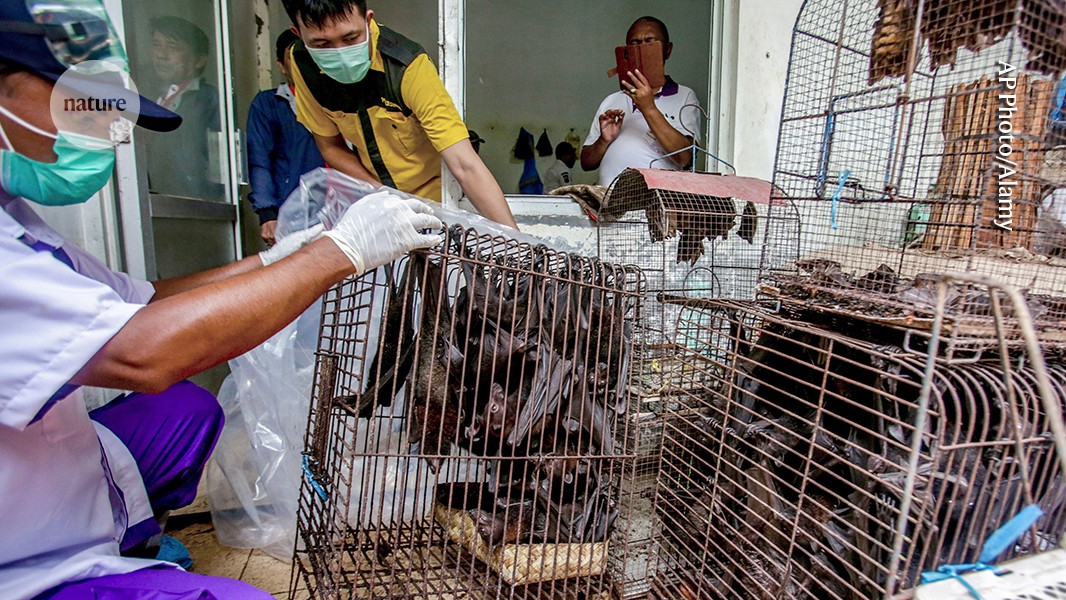
Genetic studies consistently show that SARS‑CoV‑2 belongs to a group of coronaviruses found in horseshoe bats. Similar viruses have been detected in bats in China and surrounding regions, suggesting a likely animal origin (zoonotic spillover).
“All current evidence points to a virus that evolved in animals and acquired the ability to infect humans, as we’ve seen with other coronaviruses.”
— Summary of SAGO member analyses, published in Nature
2. The earliest known outbreak centers on Wuhan, China
Multiple datasets — hospital records, early case reports, and environmental samples — converge on Wuhan in late 2019. Several of the earliest known cases were linked to the Huanan Seafood Wholesale Market, which sold a variety of live animals.
3. Early spread likely involved multiple introductions or rapid local transmission
Genetic sequencing of early samples suggests either:
- More than one introduction of the virus into humans from animals, or
- Fast evolution once the virus began spreading in people
Both patterns are consistent with what we’ve seen in previous zoonotic outbreaks, such as SARS in 2003.
What We Still Don’t Know
Despite years of work, several crucial questions remain open — and experts are candid about these gaps.
- The exact animal host or intermediate species. While bats are the leading reservoir candidates, we haven’t identified a specific animal population carrying a near-identical virus.
- The precise location and moment of the first human infection. Current data point to Wuhan in late 2019, but the very first spillover event has not been documented.
- The relative likelihood of different origin scenarios. Most experts currently consider a natural zoonotic spillover more plausible than a deliberate or accidental human-engineered event, but the degree of confidence varies because some data remain inaccessible or incomplete.
Inside the First Comprehensive Origin Investigation
The SAGO group — including 23 of the 27 original members who summarized their insights in Nature — spent nearly three and a half years reviewing evidence. Their work illustrates how complex origin investigations are, both scientifically and politically.
How researchers approached the problem
- Collected and re-analyzed early case data from hospitals and local health authorities
- Reviewed genetic sequences of SARS‑CoV‑2 and related animal viruses
- Examined environmental samples from markets and other relevant sites
- Assessed laboratory records and biosafety practices where possible
- Compared multiple hypotheses in a structured, transparent way
What the group concluded
The investigators emphasized that:
- Several origin scenarios remain scientifically plausible
- More data — including raw early case records and certain biological samples — are still needed
- Future origin studies should be faster, more transparent, and better coordinated internationally
“Our goal is not to support a predetermined narrative, but to map what the evidence can and cannot currently tell us — and to show where new data could decisively shift the picture.”
— Paraphrased from SAGO members’ joint commentary
Why It’s So Hard to Pinpoint a Pandemic’s Origin
For many readers, it can feel frustrating that such a major event still doesn’t have a fully resolved origin story. Several real-world obstacles play a role:
- Time delays: By the time scientists arrive on the scene, markets have been cleaned, animals moved, and early patients dispersed.
- Incomplete data: Early medical records, samples, or digital files may be missing, inaccessible, or inconsistent.
- Political tension: International relationships can limit how freely information and samples are shared.
- Natural complexity: Many zoonotic spillovers never leave obvious “fingerprints” in animals that we can later trace.
Practical Lessons for Future Pandemic Preparedness
While questions about COVID‑19’s origins remain, the investigation has already highlighted concrete steps countries and institutions can take to reduce future risk.
1. Strengthen wildlife and environmental surveillance
Tracking viruses in animals and high‑risk environments can help identify threats earlier.
- Increase sampling of bats and other known reservoirs in multiple regions
- Monitor live‑animal markets and farming operations for novel viruses
- Share genetic sequences openly via global databases
2. Improve lab biosafety and transparency
Regardless of origin, the pandemic has renewed focus on laboratory safety:
- Regular independent audits of high‑containment labs
- Standardized reporting for accidents or breaches
- Clearer international norms on risky pathogen research
3. Build faster, fairer data‑sharing systems
Origin studies work best when countries can:
- Share early case data while still protecting patient privacy
- Rapidly deposit viral genomes and metadata in open repositories
- Collaborate on fieldwork and analysis rather than compete

How to Navigate Conflicting Claims as a Non‑Expert
With strong emotions and geopolitics in play, it’s understandable to feel pulled between competing narratives. You don’t need to be a virologist to evaluate claims more calmly.
- Check the source: Look for information from peer‑reviewed journals, major public health agencies, or recognized scientific organizations.
- Look for uncertainty language: Credible experts talk in probabilities and confidence levels, not absolute certainty, especially on controversial topics.
- Beware of simple villains: Oversimplified stories that blame a single country, lab, or individual for every aspect of the pandemic are usually incomplete.
- Notice when evidence updates: It’s normal — and healthy — for scientific positions to shift as new data arrive.
Where to Learn More (Evidence‑Based Resources)
For readers who want to dive deeper into the science and policy behind COVID‑19’s origins, these starting points are widely regarded as authoritative:
- Nature coverage of SARS‑CoV‑2 origin research – in‑depth news features and commentaries from scientists involved in investigations.
- WHO’s SAGO (Scientific Advisory Group for the Origins of Novel Pathogens) – official updates, terms of reference, and reports.
- U.S. CDC COVID‑19 information – ongoing guidance about the virus, variants, and prevention.
- WHO COVID‑19 dashboard and technical guidance – global situation reports and technical documents.
Looking Ahead: Living With Uncertainty, Working Toward Clarity
It’s natural to want a clear, single-sentence answer to how COVID‑19 began. The reality, as the SAGO investigators have emphasized, is more complicated: multiple origin scenarios remain plausible, data gaps persist, and politics sometimes slow progress.
Yet the work done so far has already reshaped how the world thinks about emerging pathogens. It has highlighted the importance of wildlife surveillance, biosafety, open data, and international collaboration — all practical tools we can strengthen now, even as some origin questions remain unresolved.
As you follow future updates, try to hold space for both curiosity and uncertainty. Demanding evidence, listening to a range of credible experts, and staying open to new data are some of the most powerful habits any of us can bring to conversations about where pandemics come from — and how we can stop the next one.

Call to action:
- Bookmark one or two trusted sources above for future updates.
- Share evidence‑based summaries rather than speculation in your own networks.
- Support policies and institutions that invest in pandemic preparedness and transparent science.
