
How GLP‑1 Drugs Like Ozempic Are Changing Diet Culture, Body Image, and Nutrition
Ozempic, GLP‑1 Drugs, and the “Ozempic Body” Diet Debate
GLP‑1 weight‑loss medications like Ozempic, Wegovy, Mounjaro, and Zepbound are changing how we talk about dieting, nutrition, and body image. Originally designed for type 2 diabetes, these drugs reduce appetite and slow digestion, which can lead to significant weight loss—but also new questions about how to eat, how to protect muscle, and how to care for your body if you stop taking them.
In this guide, we’ll explore what’s driving the “Ozempic body” conversation, what experts are recommending nutritionally, and how to build a way of eating that nourishes you—whether or not you’re on a GLP‑1 medication.
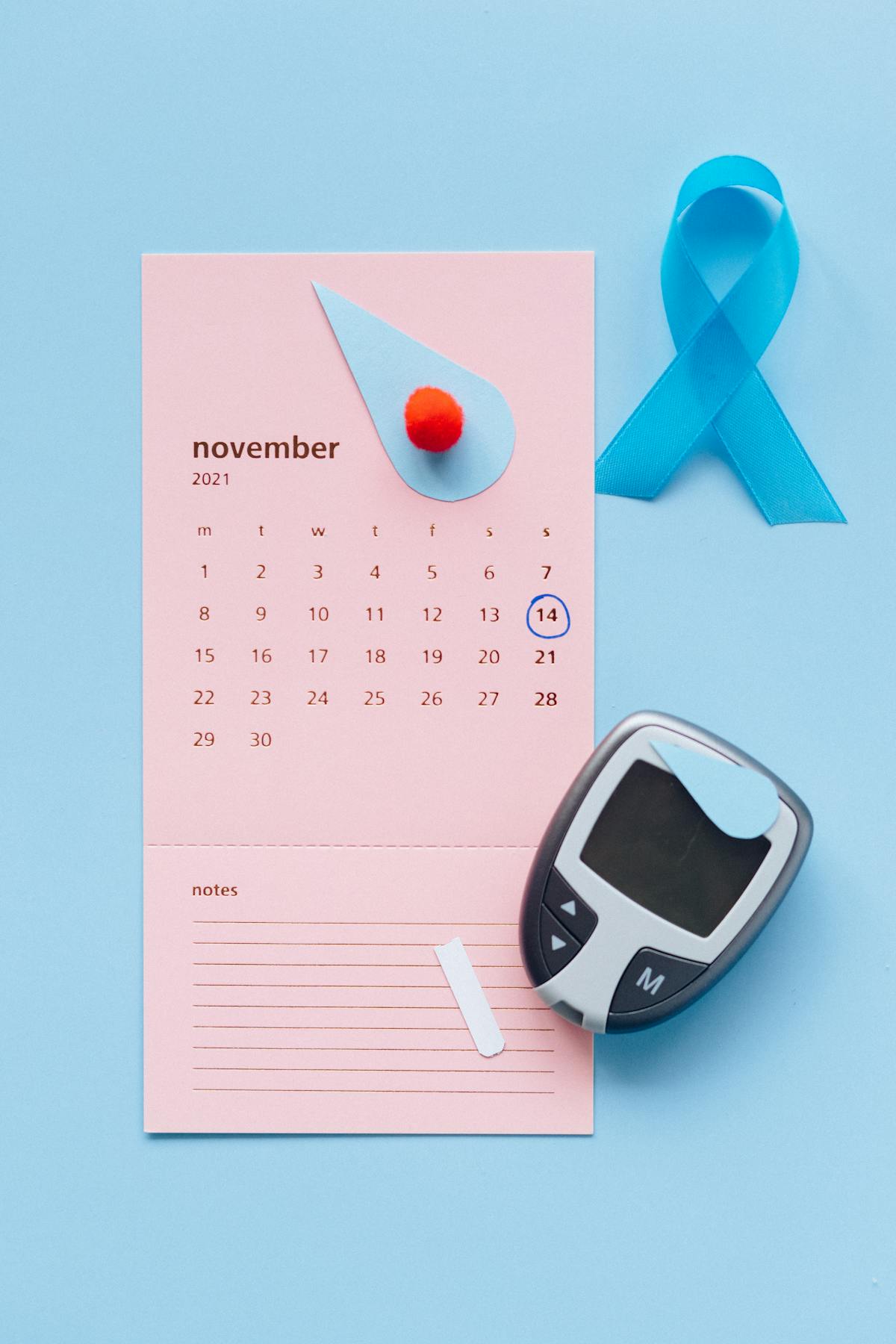
What Are GLP‑1 Drugs Like Ozempic and Wegovy?
GLP‑1 receptor agonists are medications that mimic a hormone called GLP‑1 (glucagon‑like peptide‑1). This hormone helps regulate blood sugar, slows how quickly food leaves your stomach, and signals fullness to your brain. The result for many people: feeling satisfied with much smaller portions and less frequent hunger.
Common GLP‑1–based or related medications include:
- Ozempic (semaglutide) – approved for type 2 diabetes, often used off‑label for weight loss.
- Wegovy (semaglutide) – higher‑dose version specifically approved for chronic weight management.
- Mounjaro (tirzepatide) – targets both GLP‑1 and GIP receptors, approved for type 2 diabetes.
- Zepbound (tirzepatide) – approved for obesity and weight management.
Online, people often describe going from constant food chatter in their head to a quiet, neutral relationship with hunger. That quiet can feel like a relief—but it also means it’s easier to under‑eat key nutrients if you’re not intentional.
The “Ozempic Body”: Why Rapid Weight Loss Sparks Concern
One reason GLP‑1 drugs are so controversial is the rise of the “Ozempic body” narrative. On social media, some people describe dramatic weight loss that comes with:
- Noticeable loss of muscle and strength.
- Loose or sagging skin after rapid fat loss.
- A more gaunt or hollow look to the face.
This isn’t unique to Ozempic—any significant calorie deficit can lead to both fat loss and lean‑mass loss. But because GLP‑1 drugs blunt appetite so strongly, it’s easy to eat very little protein and very few total calories without realizing it.
Dietitians, physicians, and trainers are pushing back against the idea that “thinner at any cost” is a win. Instead, they’re urging people to focus on:
- Strength, energy, and lab markers (like blood sugar and cholesterol), not just clothing size.
- Body neutrality and reducing pressure to conform to a single “after photo” ideal.
- Sustainable nutrition patterns that you could continue even if you stopped the medication.
How to Eat on GLP‑1 Medications: Protein, Fiber, and Gentle Portions
Because GLP‑1 drugs slow digestion, meals tend to sit in the stomach longer. Many people naturally gravitate toward smaller, softer, and simpler meals—especially at the beginning. The goal is to work with your changed appetite while still nourishing your body.
Protein: Your Best Friend for Muscle and Satiety
A common expert recommendation is to aim for roughly 1.6–2.2 grams of protein per kilogram of body weight per day (if medically appropriate), especially while losing weight. That often means intentionally including protein at every eating occasion, since overall intake is lower.
GLP‑1–friendly protein options that many people tolerate well include:
- Greek yogurt or skyr (lactose‑free if needed).
- Soft scrambled eggs, egg bites, or tofu scrambles.
- Poached or baked fish, shredded chicken, or tender beans and lentils.
- Protein smoothies made with fruit, leafy greens, and a protein powder you digest well.
Fiber and Gentle Carbohydrates
Fiber supports gut health and helps stabilize blood sugar—both important while using GLP‑1 drugs. Because your stomach empties more slowly, very bulky or greasy meals may feel heavy. Many people do better with:
- Cooked vegetables instead of giant raw salads.
- Whole grains like oats, quinoa, or brown rice in small portions.
- Beans and lentils introduced gradually if gas or bloating is an issue.
- Fruits such as berries, citrus, or soft stone fruits in modest amounts.
Healthy Fats and Flavor
Fats further slow digestion, so a little goes a long way. Think:
- A teaspoon or two of olive oil or avocado oil for cooking.
- A small sprinkle of nuts or seeds on yogurt or cooked veggies.
- Thin slices of avocado or a spoonful of hummus for creaminess.
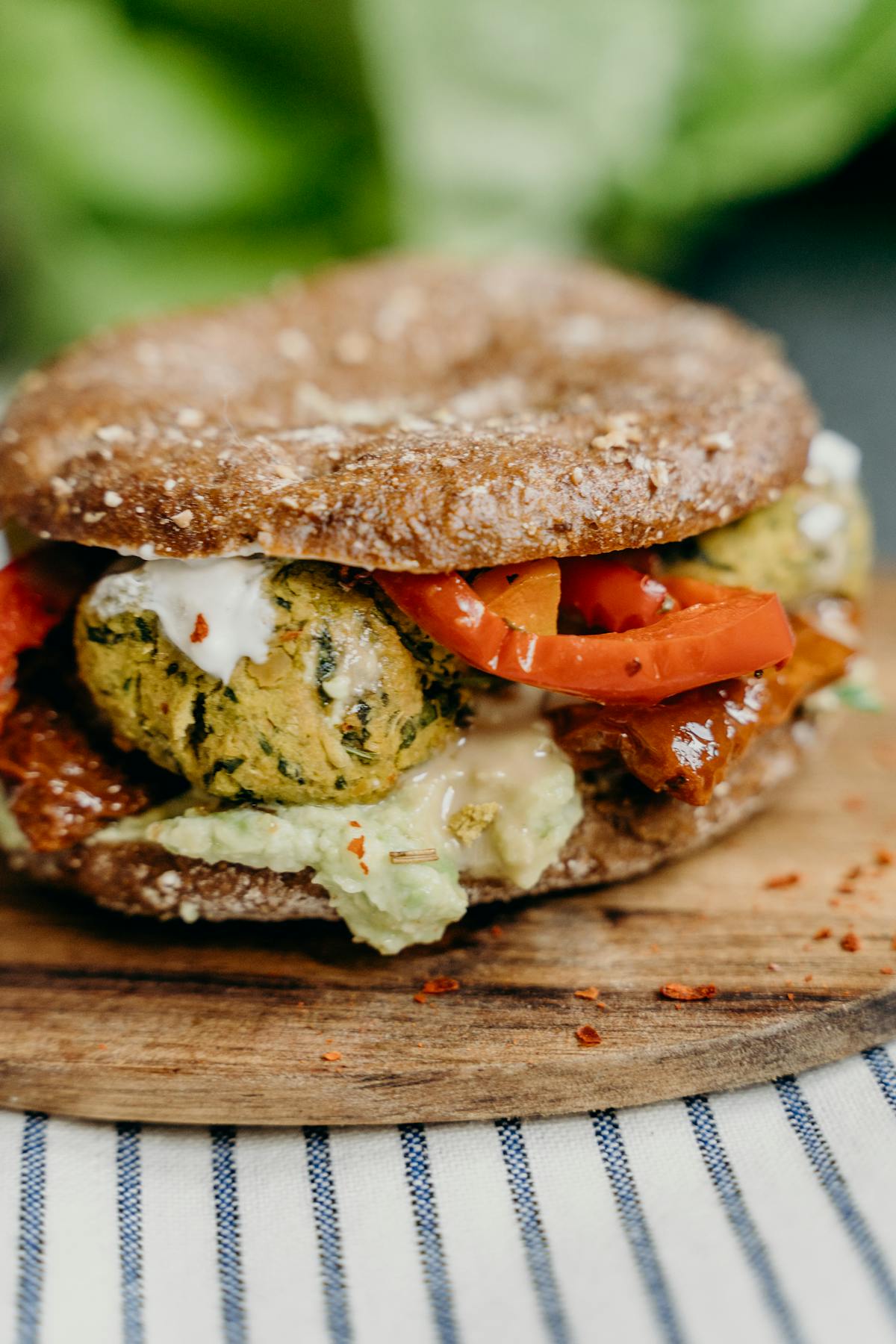
“Ozempic Meal Plans” and High‑Protein Recipe Trends
Social media is full of “What I Eat in a Day on Ozempic” videos and “GLP‑1 friendly high‑protein recipes.” Many of these plans try to balance the realities of a much smaller appetite with the need for adequate protein, fiber, and micronutrients.
Common Patterns You’ll See
- Protein‑forward breakfasts like Greek yogurt bowls, egg bites, or tofu scrambles.
- Small but dense meals rather than big salads or large portions.
- Soft, easy‑to‑digest textures—think stews, bowls, and smoothies.
- Flavorful herbs and spices to keep food appealing when appetite is low.
“I think of every bite as ‘real estate’ now—my stomach space is limited, so I want what I eat to really count for my health.”
For home cooks, that often means simplifying: one‑pan bakes, slow‑cooker stews, and batch‑prepped proteins you can mix and match into small, satisfying portions through the week.
After Ozempic: Rebound Weight Gain and Long‑Term Habits
Another hot topic is what happens after stopping GLP‑1 drugs. Many people notice some degree of weight regain—sometimes quickly—once appetite returns and the body’s old signals kick back in. This has led to deeper discussions about how to build sustainable habits alongside medical treatment.
Key themes in these conversations include:
- Learning hunger and fullness cues again as medication doses change.
- Keeping protein and fiber high to support satiety and metabolic health.
- Staying active and lifting weights to preserve or build muscle mass.
- Viewing GLP‑1s as one tool among many, not a standalone cure.

Ethics, Access, and the Culture of Before‑and‑After
Beyond nutrition science, GLP‑1 drugs have opened big cultural and ethical debates. Commentators and creators are raising questions about:
- Access and affordability—many people who could benefit medically can’t afford long‑term treatment, or face shortages.
- Celebrity and cosmetic use—concerns that off‑label use purely for appearance worsens stigma and drains supply.
- Impact on traditional diet programs, which are now competing with potent medical treatments.
- Body image in young audiences who constantly see “before and after” photos and may internalize harmful messages.
Many health professionals and advocates are pushing for more responsible storytelling: fewer dramatic transformation thumbnails, more nuance about side effects and trade‑offs, and more emphasis on respect for people at all sizes and stages of health.
How Social Media Shapes the GLP‑1 Conversation
The boom in GLP‑1 content spans almost every major platform:
- YouTube features long‑form explainers by endocrinologists, obesity‑medicine specialists, and dietitians walking through clinical trial data, side effects, and nutrition guidance.
- TikTok is packed with quick “day on Ozempic” reels, recipe demos, and personal diaries about appetite changes and side effects.
- Twitter/X hosts debates over trial designs, access, insurance coverage, and how GLP‑1s should fit into obesity care guidelines.
- Instagram blends recipes, transformation photos, and educational carousels about protein, gut health, and blood sugar.

Gentle, Practical Nutrition Tips If You’re on a GLP‑1
Everyone’s body responds differently, and your care team’s guidance should always come first. Within that, here are some food‑focused ideas that many people find helpful:
- Anchor each meal with protein. Even a few bites—like a boiled egg, half a cup of yogurt, or some soft beans—add up.
- Choose cooked veggies and small portions of whole grains for comfortable fiber.
- Prioritize foods you truly enjoy. With less overall intake, flavor and satisfaction really matter.
- Stay hydrated. Sip water or herbal teas through the day, especially if nausea or constipation crop up.
- Keep emergency options on hand—like ready‑to‑drink protein shakes, cottage cheese cups, or frozen veggie mixes.
- Monitor how you feel. Energy, mood, digestion, and strength are as important as the number on the scale.
Where GLP‑1 Nutrition Is Heading Next
GLP‑1 medications have shifted the weight‑loss conversation toward more medically informed, protein‑focused, and sustainability‑oriented approaches. At the same time, they’ve amplified tough questions about body norms, quick‑fix culture, and who gets access to powerful treatments.
As new data, drugs, and guidelines emerge, the most helpful nutrition content will likely be the same as ever: grounded in science, respectful of different bodies, culturally flexible, and focused on helping you feel stronger, more energized, and more at home in your own skin—on or off any medication.
