
How Close Are We to Climate Tipping Points? Extreme Weather, Feedback Loops, and the Future of Earth’s Systems
Over the past decade, the global conversation on climate change has shifted from abstract future risks to an urgent reckoning with present‑day extremes. Heat domes shatter temperature records, “once‑in‑a‑century” floods hit every few years, and wildfire seasons blur into one long, smoky emergency. At the same time, new research on climate tipping points and feedback loops suggests that critical components of the Earth system may be closer to abrupt change than policymakers previously assumed.
This article explains how extreme weather events relate to deep‑time Earth system dynamics, what scientists mean by tipping elements and feedbacks, how AI and high‑resolution models are changing forecasts, and what these developments imply for ecosystems, economies, and everyday life. The goal is to provide an accessible but technically accurate guide for readers who want to move beyond headlines and understand the mechanisms behind our changing planet.
Extreme Weather as Lived Experience
For billions of people, climate change is no longer primarily a graph of rising CO2; it is an experience. The 2023–2025 period saw unprecedented heatwaves on every inhabited continent, multi‑year droughts in regions like the Horn of Africa and the U.S. Southwest, and catastrophic floods from Pakistan to Germany and Brazil. These events align with long‑standing projections that a warmer atmosphere would hold more moisture, intensify downpours, and increase the probability of compound extremes.
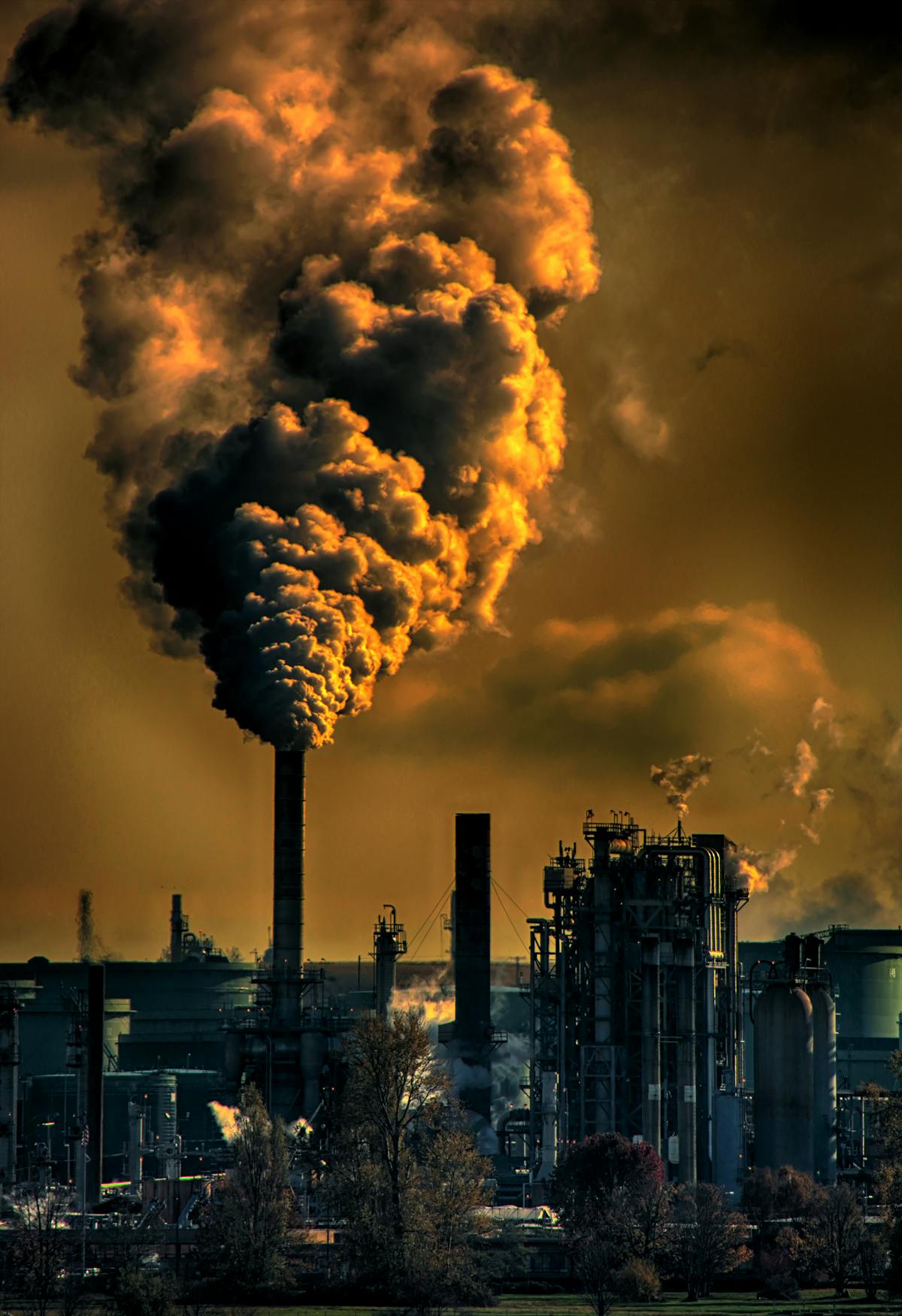
Public interest spikes around specific technical phrases that suddenly enter news cycles:
- Heat dome: A persistent high‑pressure system that traps hot air, leading to extreme surface temperatures.
- Atmospheric river: A narrow corridor of concentrated moisture transport, capable of delivering days of intense rainfall and flooding.
- Bomb cyclone: An extratropical cyclone that rapidly intensifies (drops ≥24 hPa in 24 hours), often bringing heavy snow, wind, or rain.
“What used to be rare meteorological events are now occurring on a backdrop of higher average temperatures, making them both more frequent and more extreme.”
— Dr. Sarah Kapnick, Chief Scientist, NOAA
Social media has become a real‑time classroom where meteorologists, climate scientists, and communicators explain these terms, often with animated visualizations and contextualized long‑term trends rather than isolated anecdotes.
Mission Overview: What Are Climate Tipping Points?
A climate tipping point is a critical threshold at which a small additional change in forcing (such as global temperature) can trigger a large, often abrupt, and sometimes irreversible shift in a component of the Earth system. These are not gradual, linear responses; they resemble a canoe suddenly flipping when leaned beyond a critical angle.
Researchers have identified several major tipping elements, including:
- Greenland Ice Sheet
- West Antarctic Ice Sheet
- Atlantic Meridional Overturning Circulation (AMOC)
- Amazon Rainforest
- Boreal Forests
- Permafrost Carbon Stores
- Coral Reef Systems
These elements are interconnected; destabilizing one can raise the likelihood of tipping others, creating the possibility of cascading tipping events. While there is uncertainty in the exact thresholds, multiple peer‑reviewed studies since 2018 indicate that some tipping elements may be vulnerable within the 1.5–2 °C warming range, not just at higher temperatures once assumed safer.
“Tipping points in the Earth system are a risk we cannot quantify precisely, but the direction of evidence is clear: the more we push the climate, the higher the chance of crossing them.”
— Prof. Tim Lenton, University of Exeter
Technology: How Scientists Study Feedbacks and Tipping Points
Understanding tipping points and feedback loops requires integrating observations, theory, and increasingly powerful computational tools. Modern climate research combines:
- Earth System Models (ESMs) that couple atmosphere, ocean, ice, and biosphere processes.
- Satellite remote sensing for real‑time monitoring of sea ice extent, vegetation health, soil moisture, and ice‑sheet dynamics.
- In situ networks of weather stations, Argo floats, flux towers, and ocean buoys.
- AI and machine learning models for pattern detection and fast emulation of computationally expensive simulations.

AI‑Assisted Weather and Climate Prediction
Since 2022, AI‑based forecasting systems like Google DeepMind’s GraphCast, NVIDIA’s FourCastNet, and the ECMWF’s machine‑learning models have demonstrated skillful global weather forecasts up to 10 days ahead, rivaling or exceeding some traditional numerical models at a fraction of the computational cost.
These advances enable:
- Faster ensemble forecasts of extreme events (e.g., heatwaves, tropical cyclones).
- Downscaling of climate projections to local and regional scales.
- Detection of early‑warning signals for potential tipping behavior, such as slowing variability in ocean circulation.
For readers interested in technical details, the ECMWF science blog on AI in forecasting offers a clear, expert‑level overview.
Professional Tools and Learning Resources
For advanced learners or professionals, high‑quality reference materials can improve understanding of both meteorology and climate dynamics. For example, the textbook “Climate Change Science: A Modern Synthesis” by Steven Sherwood provides a rigorous yet accessible treatment of the physics and feedbacks driving modern climate change.
Climate Feedback Loops and Non‑Linear Responses
Climate feedbacks are processes that can either amplify (positive feedback) or dampen (negative feedback) the initial warming caused by greenhouse gases. They are central to why climate response is non‑linear and why small temperature differences (e.g., 1.5 °C vs 2 °C) translate into disproportionately large changes in impacts.
Major Amplifying Feedbacks
- Ice–Albedo Feedback: Melting sea ice and snow expose darker ocean or land, which absorbs more solar radiation, causing further warming and additional melt.
- Permafrost Carbon Feedback: Thawing permafrost releases CO2 and methane, adding to atmospheric greenhouse gas concentrations.
- Forest and Vegetation Feedbacks: Heat and drought stress can increase tree mortality and megafires, turning forests from carbon sinks into carbon sources.
Dampening Feedbacks
Some feedbacks counteract warming:
- Increased long‑wave radiation to space as the planet warms (Planck feedback).
- Enhanced plant growth in certain regions due to CO2 fertilization (although this has limits and can reverse under heat stress).
- Potential cloud changes that reflect more sunlight in specific contexts (still an area of active research).
The net effect of all feedbacks is positive, meaning they amplify the warming from CO2 alone. This is why Earth’s equilibrium climate sensitivity (ECS) is estimated to be roughly 2.5–4 °C of warming for a doubling of CO2, not just the ~1 °C you would calculate without feedbacks.
“Feedbacks are the reason climate change is not a simple, linear problem. They make caution not just prudent but scientifically justified.”
— IPCC Sixth Assessment Report (AR6) Synthesis
Scientific Significance: Linking Meteorology, Ecology, and Earth Systems
Extreme weather events do not occur in isolation; they propagate through ecosystems and human systems. Ecologists now document how climate variability and long‑term warming reshape species ranges, community composition, and ecosystem functions such as pollination, carbon storage, and water regulation.
Examples of Climate–Ecology Interactions
- Coral bleaching events triggered by marine heatwaves are transforming reefs from biodiverse habitats into degraded structures with reduced fisheries and tourism value.
- Amazon rainforest stress from recurrent droughts, deforestation, and fires raises concern about a tipping point toward savannization, which would release vast amounts of stored carbon.
- Phenological shifts such as earlier flowering or insect emergence can decouple mutualistic relationships (e.g., pollinators and plants), impacting agriculture and wild ecosystems.

This integrative perspective underpins the rapidly growing field of Earth system science, which combines atmospheric physics, oceanography, biogeochemistry, ecology, and social sciences to understand coupled human–natural systems.
A useful synthesis of these interactions can be found in the IPCC’s Working Group II reports on impacts and adaptation, freely available at ipcc.ch .
Milestones in Tipping Point and Extreme Weather Research
Several milestones since the early 2000s have transformed our understanding of climate risk:
Early Conceptualization (2000–2010)
- Formal introduction of “tipping elements” by Lenton and colleagues, cataloguing vulnerable Earth systems.
- Enhanced paleoclimate reconstructions showing abrupt past climate shifts linked to ocean circulation changes.
Attribution Science Matures (2010–2020)
- Rapid progress in event attribution, quantifying how human‑caused warming changed the probability or intensity of specific extreme events.
- Development of large ensembles and high‑resolution regional models for better simulation of extremes.
Era of AI and Early‑Warning Signals (2020–2026)
- Operational AI weather forecasters deployed at major centers like ECMWF and national meteorological agencies.
- Studies using statistical physics and network analysis to detect early‑warning signs of AMOC weakening and ice‑sheet instability.
- Improved estimates suggesting that multiple tipping elements could be vulnerable between 1.5 °C and 2 °C of warming, intensifying policy debates.
For a deeper dive into event attribution, the World Weather Attribution consortium maintains an accessible database of studies at worldweatherattribution.org .
Policy, Society, and Climate Emotions
Science on tipping points and feedbacks does not exist in a vacuum; it directly informs international negotiations, national legislation, and corporate climate strategies. Key policy milestones since 2021—including COP28 and COP29, strengthened nationally determined contributions (NDCs), and rapidly evolving climate disclosure rules—have hinged on updated risk assessments.
At the same time, terms like climate anxiety, eco‑grief, and solastalgia (distress caused by environmental change close to home) have entered mainstream discourse, especially among younger generations. Podcasts, long‑form essays, and social media threads explore how to process these emotions while staying engaged in solutions.
“The most important thing we can do about climate change is talk about it—connect the dots between the science, our values, and the solutions already in our hands.”
— Prof. Katharine Hayhoe, climate scientist and communicator
Thoughtful climate communication now emphasizes:
- Honesty about risks, including tipping points and worst‑case scenarios.
- Clear explanation of probabilities and uncertainties.
- Actionable pathways—from personal preparedness to systemic policy change—to counter paralysis.
For a practical guide, Hayhoe’s book “Saving Us: A Climate Scientist’s Case for Hope and Healing in a Divided World” is widely recommended for both professionals and concerned citizens navigating climate conversations.
From Global Risk to Local Preparedness
While tipping points and feedbacks operate on planetary scales, their consequences are felt locally through disrupted supply chains, infrastructure damage, and health impacts. Individuals, communities, and organizations increasingly seek evidence‑based guidance on preparedness for extreme events.
Key Preparedness Steps
- Understand your local hazards: flood risk, wildfire risk, heat vulnerability, storm surge, or drought.
- Develop a household emergency plan: communication, evacuation routes, and backup power or cooling options.
- Use reliable forecast sources: national meteorological services and scientifically vetted apps.
- Harden infrastructure: where possible, improve building insulation, ventilation, and flood defenses.
Heat is often the deadliest hazard. For those in hot climates or facing more frequent heatwaves, tools like indoor thermometers and efficient fans or heat‑pump systems can significantly reduce risk. For example, smart thermostats from major brands can help optimize cooling schedules to protect health while reducing energy waste.
Challenges in Predicting Tipping Points and Extremes
Despite rapid advances, substantial challenges remain in quantifying tipping point risks and extreme event probabilities with high confidence.
Key Scientific and Technical Challenges
- Spatial resolution: Global models still struggle to resolve small‑scale phenomena like convective storms, complex topography, and urban heat islands, although “convection‑permitting” models are becoming more common.
- Process representation: Clouds, ice‑sheet dynamics, vegetation responses, and soil processes involve multi‑scale physics that are difficult to parameterize.
- Data gaps: Some regions (e.g., parts of the deep ocean or remote Arctic) remain sparsely observed, limiting model validation.
- Deep uncertainty: For low‑probability, high‑impact outcomes—like rapid AMOC collapse—probabilities are hard to pin down, challenging traditional cost‑benefit analysis.
There are also communication challenges. Over‑simplified narratives can either underplay risk (“we have until year X”) or overstate deterministic tipping claims not supported by evidence. Effective communication must thread the needle between complacency and fatalism.

Conclusion: Living with a Tipping‑Prone Planet
The convergence of record‑breaking extremes, emerging evidence on tipping elements, and breakthroughs in modeling and AI has made climate and Earth system science a central, highly charged topic in public life. The science is clear that continued high emissions raise the likelihood of crossing dangerous thresholds in ice sheets, ocean circulation, and major ecosystems, with long‑lasting consequences.
Yet the same tools that reveal these risks also illuminate solutions. Rapid decarbonization, protection and restoration of ecosystems, investment in resilient infrastructure, and smarter early‑warning systems can significantly reduce harm, even as some degree of further warming is locked in. The coming decade will be decisive in determining which Earth system pathways we set in motion.
For individuals, the most constructive response typically involves three intertwined actions:
- Stay informed through reputable scientific sources and professional meteorological services.
- Prepare locally for relevant extremes, using evidence‑based guidance.
- Engage civically to support policies and innovations that align near‑term actions with long‑term planetary stability.
The story of climate tipping points is not only about thresholds we fear crossing, but also about social tipping points in technology, policy, and culture that can accelerate a safer, more sustainable trajectory.
Additional Resources and Further Learning
To explore these topics in more depth, consider the following high‑quality resources:
- IPCC Assessment Reports – Comprehensive, peer‑reviewed syntheses of climate science, impacts, and mitigation.
- NOAA Climate.gov – Accessible data, maps, and explainers on U.S. and global climate trends.
- Earth System Science Data (ESSD) – Open‑access datasets for research and advanced analysis.
- NASA Climate Change YouTube Channel – Visual explainers and mission updates on monitoring Earth’s climate.
- Grantham Research Institute on Climate Change and the Environment (LSE) – Policy briefs connecting science to economics and governance.
For readers who want to understand the physical basis of weather and climate at a more technical level, the following reference is widely used in graduate and advanced undergraduate courses:
“Atmospheric Science: An Introductory Survey” by Wallace & Hobbs
References / Sources
Selected reputable sources used to inform this article:
- Intergovernmental Panel on Climate Change (IPCC) AR6 – https://www.ipcc.ch/report/ar6/syr/
- Lenton, T. M. et al. “Tipping elements in the Earth’s climate system.” PNAS – https://www.pnas.org/doi/10.1073/pnas.0705414105
- World Weather Attribution – https://www.worldweatherattribution.org
- ECMWF AI Forecasting Overview – https://www.ecmwf.int/en/about/what-we-do/ai-machine-learning
- NASA Global Climate Change – https://climate.nasa.gov
- NOAA Climate Resources – https://www.climate.gov
