
How China’s Bold War on Alzheimer’s Could Change Dementia Care Worldwide
China is rapidly scaling up its battle against Alzheimer’s disease, combining cutting-edge drugs, early diagnostics, and even brain surgery to prepare for a looming dementia wave in its ageing population. This article explores what China is doing, why it matters, and what other countries can learn from its ambitious, sometimes controversial, approach.
If you have ever watched a loved one slowly lose their memories, you know that Alzheimer’s is more than a medical condition—it is a quiet, relentless heartbreak. Now imagine that on a national scale. That is what China is bracing for, as millions of older adults move into the age range where dementia risk skyrockets.
Nearly 30% of all people living with Alzheimer’s disease or related dementias are in China, and that share is expected to rise as the population ages. In response, the country is pouring resources into dementia research, from drug development and brain imaging to community screening programs and experimental neurosurgery. While not every approach will work—or be appropriate for every health system—China’s scale and speed make it a global case study in how a nation can mobilize against Alzheimer’s.
The Coming Dementia Wave in China
Alzheimer’s disease is already one of the most pressing public-health challenges in China, and demographics are amplifying the problem. Life expectancy has risen rapidly, while decades of the one-child policy have left many families with a “4-2-1” structure: four grandparents, two parents, one child. That means fewer caregivers for more older adults.
- China now hosts almost one-third of the world’s people living with dementia.
- The population aged 60 and older is expanding quickly, pushing up the number at highest risk.
- Rural–urban health gaps and limited specialist care make diagnosis and support uneven.
For families, this means a rising emotional, financial, and physical burden. For policymakers, it raises a blunt question: how do you build dementia care infrastructure fast enough for tens of millions of people?
“Dementia is not just a neurological disease—it is a social and economic shock wave that will touch every family and every community.” — Geriatric neurologist, Beijing (paraphrased from recent interviews)
China’s Multi‑Front Strategy Against Alzheimer’s
China’s approach is striking not just for its scale, but for how many fronts it is fighting on at once. Broadly, its Alzheimer’s strategy has four main pillars:
- Drug development and accelerated approvals for treatments that may slow cognitive decline.
- Early diagnostics using blood tests, imaging, and digital tools to catch disease earlier.
- Interventional and surgical approaches, including experimental brain procedures.
- Public-health and community programs to expand screening and caregiving support.
Many countries are pursuing some version of these efforts. What makes China stand out is how aggressively it is moving, how centrally coordinated some of the efforts are, and how willing it is to test controversial ideas at scale—while the rest of the world watches closely.
Fast‑Tracking Drugs: Promise and Precaution
China has been pushing hard to become a leader in Alzheimer’s pharmacology. One of the most discussed examples is GV‑971 (sodium oligomannate), a drug derived from seaweed that was granted conditional approval in China for mild to moderate Alzheimer’s.
Early data suggested that GV‑971 might modestly improve cognition, potentially by altering gut microbiota and brain inflammation. However, some researchers—within and outside China—have urged caution, citing:
- Relatively small and short-term clinical trials.
- Uncertainty about long-term benefits and side effects.
- The need for independent replication in diverse populations.
“Conditional approvals can speed access to promising medicines, but they also demand rigorous post‑marketing surveillance and transparency in follow‑up trials.” — Regulatory science expert, Shanghai
Alongside GV‑971, Chinese scientists are collaborating globally on anti‑amyloid antibodies and other disease-modifying candidates similar to those recently approved in the United States and Japan. The aim is to expand access to drugs that may modestly slow decline in early Alzheimer’s, while also testing whether they work similarly in Asian populations.
Scaling Early Detection: From Brain Scans to Blood Tests
Around the world, most people with dementia are diagnosed late, often when symptoms are already severe. China is trying to shift that curve by investing heavily in early detection technologies and population-level screening.
Current initiatives include:
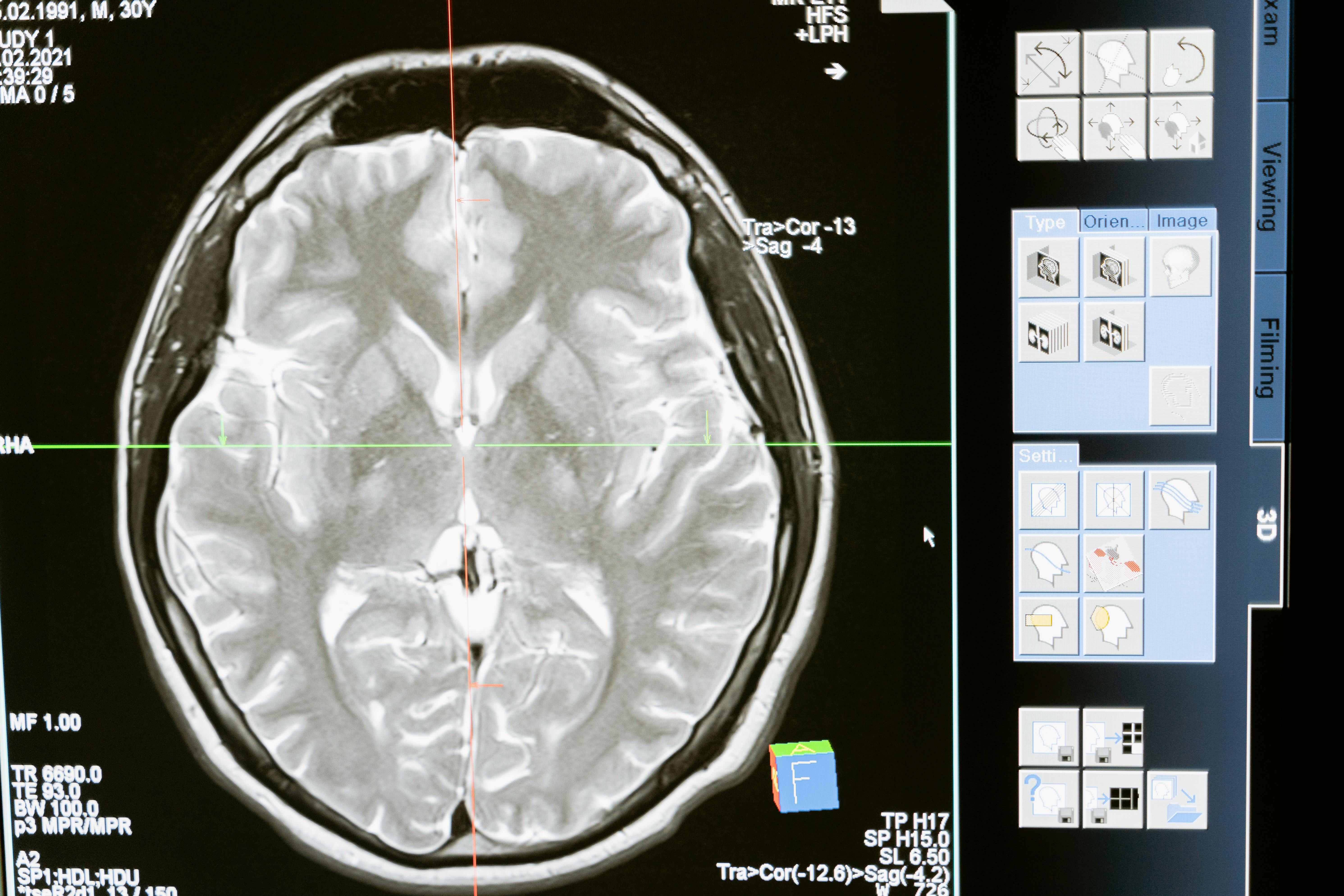
- Brain imaging hubs: Major hospitals are building advanced MRI and PET facilities to image amyloid and tau pathology, especially in large cities.
- Blood biomarker research: Teams are working on blood tests that can detect Alzheimer’s-related proteins, which could be cheaper and more scalable than PET scans or spinal taps.
- Digital cognitive screening: Apps and online tools are being piloted to perform quick memory and thinking checks among older adults.
These efforts face real challenges: rural access, cost, stigma, and the ethical question of what to do when you can diagnose a disease earlier than you can effectively treat it. Nonetheless, China’s push is likely to generate valuable evidence on:
- How many people actually want to know their dementia risk.
- Which screening tools work best outside of research settings.
- How early diagnosis affects mental health, planning, and healthcare use.
Experimental Surgery: High‑Risk, High‑Interest
One of the most controversial aspects of China’s Alzheimer’s research agenda is its exploration of interventional neurosurgery for dementia. These procedures may include:
- Deep brain stimulation (DBS): Implanting electrodes in specific brain regions to modulate activity, an approach already used for Parkinson’s disease.
- Other experimental implants or targeted interventions aimed at improving memory circuits or reducing pathological brain activity.
Early studies, in China and elsewhere, suggest that DBS might help certain cognitive or behavioral symptoms in carefully selected patients. But the evidence is still limited, and surgery carries significant risks—especially for older adults who may already be frail.
“Surgery for Alzheimer’s remains highly experimental and should only be done in tightly controlled clinical trials, with independent oversight and full, informed consent.” — International neurology consensus statements
Building a Dementia‑Friendly Society: Community and Family Care
In practice, most dementia care still happens far from high‑tech labs—at home, often provided by family members with little formal training. Recognizing this, China is experimenting with community-based and social-care models to support caregivers and patients.
Emerging initiatives include:
- Community memory clinics embedded in primary-care centers to provide screening and basic management.
- Dementia‑friendly neighborhoods with trained volunteers, signage, and safe wandering areas.
- Caregiver training programs teaching communication skills, behavior management, and self-care.

A geriatrician in eastern China recently described a typical case: a retired factory worker whose memory lapses were dismissed as “normal aging” for years, until he got lost on the way home. Only after his daughter pushed for an assessment at a community clinic did he receive a diagnosis, basic medication, and connection to a support group. This trajectory is still common, but pilot programs are slowly shifting it toward earlier recognition and structured support.
What the World Can Learn from China’s Alzheimer’s Strategy
While every health system is different, several themes from China’s approach offer lessons for other countries facing aging populations and rising dementia rates.
1. Treat Dementia as a National Priority, Not a Niche Issue
China’s explicit framing of Alzheimer’s as a looming national challenge has helped justify funding for research centers, data registries, and training programs. Other countries can similarly:
- Develop or update national dementia strategies with clear goals.
- Fund coordinated research networks instead of isolated projects.
- Integrate dementia planning into broader aging and social-care policies.
2. Invest in Early Detection—But Pair It with Support
China’s scale in testing blood biomarkers and digital tools will provide global data on what works in real life. Other countries can watch these pilots but should avoid rolling out screening without parallel:
- Access to counseling and mental-health support.
- Pathways to evidence-based treatment and care planning.
- Protections against discrimination in employment or insurance.
3. Balance Innovation with Ethics and Evidence
Experimental surgery and fast-tracked drugs highlight the tension between urgency and safety. Globally, that means strengthening:
- Independent ethics review boards and patient advocates.
- Transparent reporting of clinical-trial outcomes, positive or negative.
- International collaboration and shared guidelines for high‑risk interventions.
4. Don’t Forget Low‑Tech, High‑Impact Solutions
Even as China explores advanced imaging and neurosurgery, some of the largest benefits may come from:
- Training primary-care providers to recognize early dementia.
- Teaching families simple communication and behavior strategies.
- Designing safer homes and public spaces for people with cognitive impairment.

Before and After: How Policy Shifts Change Real Lives
It’s easy to talk about national strategies in abstract terms. But what does change look like to a family living with dementia? Consider a simplified “before and after” scenario based on emerging projects in urban China:
Before
- Memory problems dismissed as “normal aging.”
- No clear information on where to get help.
- Family caregiver feeling isolated and ashamed.
- Emergency hospital visits after wandering or falls.
After
- Routine cognitive screening in the community clinic.
- Timely diagnosis and basic medication where appropriate.
- Referral to caregiver training and peer support.
- Dementia‑friendly neighborhood features to reduce risks.

Practical Takeaways for Individuals and Policymakers
While China’s exact model may not be replicable everywhere, its experience underscores some very practical steps that can be adapted both personally and system‑wide.
If You Are Worried About Your Own or a Loved One’s Memory
- Talk to a healthcare professional early. Don’t wait until daily life is severely affected.
- Ask about screening tools appropriate for your setting—simple cognitive tests can be a useful first step.
- Prepare for a marathon, not a sprint: build a support network, share information with trusted family or friends, and plan ahead.
If You Work in Health, Policy, or Research
- Advocate for national or regional dementia plans with measurable goals.
- Invest in training primary-care teams and community workers, not just specialists.
- Support ethical, transparent research on drugs, diagnostics, and care models—learning from, but not blindly copying, China’s example.
Looking Ahead: A Global Fight Shaped by China’s Choices
Alzheimer’s disease will test every country’s health system, social fabric, and scientific ingenuity. China’s response—ambitious, uneven, and closely watched—offers both inspiration and caution. Its rapid investments in drugs, diagnostics, surgery, and community care will generate data and experience that the rest of the world cannot ignore.
While we should be wary of hype and mindful of ethics, there is also room for hope. Each improvement in early detection, caregiver support, or research collaboration can translate into a more dignified life for millions of people living with dementia and their families.
Wherever you are—whether you are a caregiver, clinician, policymaker, or simply someone thinking about your own aging—the call to action is the same: stay informed, speak up for humane dementia care, and support evidence-based innovation. The story unfolding in China is a reminder that how we respond now will shape what it means to grow old, everywhere.
Your next step: take one concrete action this week—book a memory check, share a reputable dementia resource, or ask local leaders what your community is doing to prepare for the age of Alzheimer’s.
