
How Abby and Brittany Hensel Learned to Drive Together — Inside Their Unique Behind‑the‑Wheel Routine
Driving looks a little different for everyone, but for Minnesota conjoined twins Abby and Brittany Hensel, it’s a truly one‑of‑a‑kind team effort. In a recent feature reported by Supercar Blondie, the twins offered a rare, behind‑the‑wheel look at how they safely operate a car together — each controlling different parts, yet moving as one confident driver.
Born in 1990 and joined at the torso, Abby and Brittany share many organs and limbs but have distinct heads, personalities, and preferences. Despite those differences, they’ve learned to drive like a synchronized team, proving that independence can be redefined through creativity, medical support, and a lot of practice.
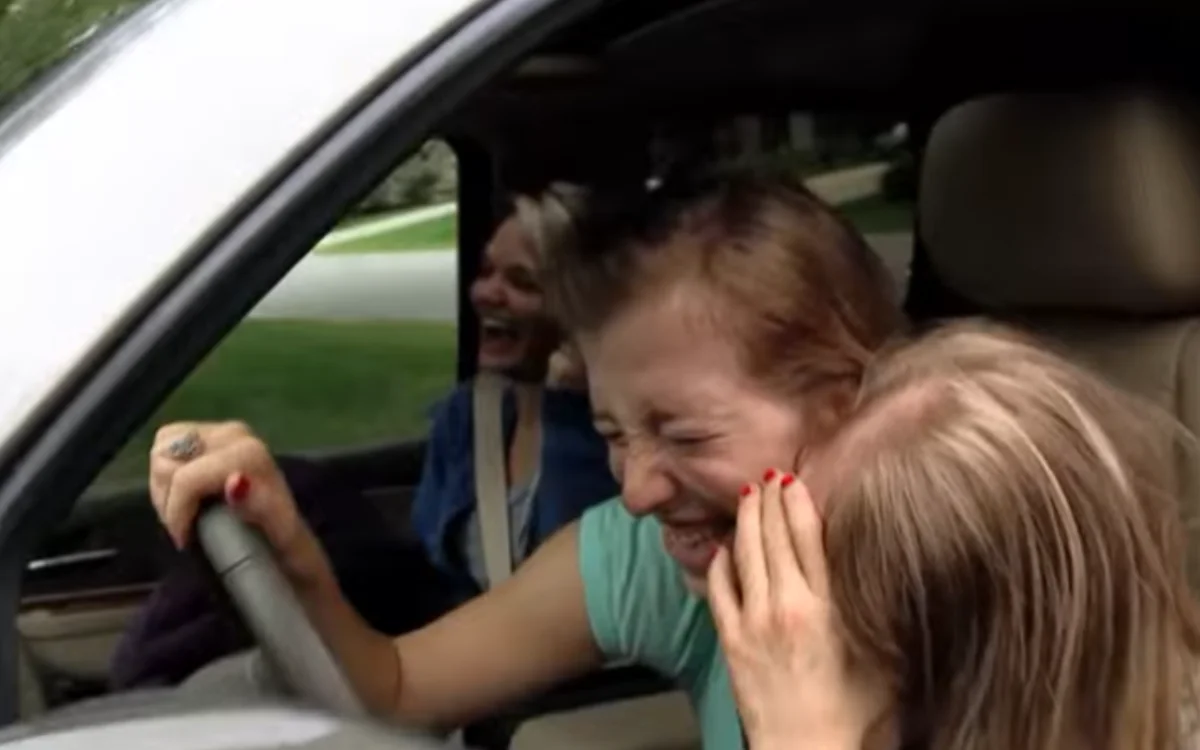
“We each control different sides of the body, so driving for us is all about trust, communication, and a lot of practice.” — Abby & Brittany Hensel, as reported in recent coverage
How Abby and Brittany Coordinate Behind the Wheel
According to recent coverage (including Supercar Blondie’s feature and prior TV documentaries), the twins divide the physical tasks of driving between them but act as a single driver in terms of decisions and awareness.
Who controls what?
- One twin manages the pedals: Typically responsible for the gas and brake.
- The other twin usually handles the turn signals and gear shift: Especially in automatic cars where shifting is minimal during city driving.
- Steering is shared: Each twin uses the arm on her side, but they move their arms together as if they’re one person at the wheel.
They learned to drive gradually, starting in safe, low‑stress environments like empty parking lots with a driving instructor and family members nearby. Over time, they built fluid muscle memory for everyday maneuvers such as turning, braking, and parallel parking.
Learning to Drive as Conjoined Twins: Step‑by‑Step Adaptation
From what’s publicly known through interviews and coverage, Abby and Brittany followed a structured, safety‑first path to earning their licenses in Minnesota.
1. Building basic coordination
- Practicing shared movements like walking, climbing stairs, and riding bikes.
- Translating that rhythm into sitting behind the wheel and steering together.
- Assigning clear roles (one on pedals, one on turn signals and other controls).
2. Supervised practice driving
Family members, driving instructors, and medical professionals all had input in the process. They practiced:
- Starting and stopping smoothly, without jerky movements.
- Making coordinated turns, especially left turns across traffic.
- Handling parking lots, residential streets, then busier roads.
3. Formal licensing
The twins went through Minnesota’s standard process for a driver’s license, including written and behind‑the‑wheel exams. Reports indicate they were evaluated on their practical safety and control — what really matters for any driver — rather than on how “typical” their driving posture looked.

Adaptive Driving: What the Hensels’ Story Teaches About Accessibility
While Abby and Brittany’s situation is extremely rare, many aspects of their driving journey mirror what other people with disabilities experience when seeking independence on the road. Modern adaptive driving technology and rehabilitation medicine can help people with:
- Limited use of arms or legs.
- Neuromuscular conditions or spinal cord injuries.
- Visual impairments within specific legal limits.
- Cognitive or processing differences that can be managed safely with support.
Research in rehabilitation and occupational therapy emphasizes that safe driving is about a combination of:
- Physical control: Being able to reliably operate the controls, with or without adaptive equipment.
- Cognitive skills: Attention, reaction time, decision‑making, and risk awareness.
- Environmental support: Training, appropriate vehicles, and realistic routes.
“With proper assessment and tailored adaptations, many individuals with significant physical differences can drive safely and independently.” — Summary of findings from occupational therapy and adaptive driving research (e.g., American Occupational Therapy Association and related clinical guidelines)

Abby and Brittany’s coordinated driving isn’t about pushing limits recklessly; it’s about thoughtfully working with their medical team and local laws to drive responsibly. Their example underscores that accessibility is not about making everyone “the same,” but about supporting different bodies and brains to meet shared safety standards.
Inside Their Unique Driving Setup
Details shared publicly suggest that Abby and Brittany can drive relatively standard automatic cars with minimal visible modification. Their success hinges more on coordination than on technology, although some accommodations and preferences are likely involved.
Likely adaptations and preferences
- Automatic transmission: Reduces the need for frequent manual shifting and clutch control.
- Seat adjustments: Positioning the seat and steering wheel so both twins have comfortable reach and line of sight.
- Mirror placement: Carefully tuned so they can share a clear view of the road and surroundings.
Because they share a torso and sit in the driver’s seat together, they naturally align with the steering wheel in a way that many people with different body types can relate to: test, adjust, test again, and settle into a position that offers both comfort and control.
Common Challenges They’ve Had to Solve
Like any new drivers, Abby and Brittany had to overcome nerves, complex traffic situations, and the pressure of being evaluated. On top of that, they faced challenges specific to being conjoined twins.
1. Synchronizing reactions
When traffic changes suddenly, both twins must react almost instantly:
- Agreeing when to brake or accelerate.
- Coordinating arm movements during fast steering corrections.
- Handling unexpected hazards (pedestrians, animals, sudden stops).
2. Managing outside attention
Being recognized in public can be distracting. The twins have talked in past interviews about wanting to live as normally as possible, which includes being treated like any other drivers on the road — not as a spectacle at every stoplight.
3. Emotional load and expectations
On social media and in news stories, it’s easy for people to romanticize their abilities or, conversely, underestimate them. Abby and Brittany have consistently emphasized that they are just living their lives — teaching, traveling, and yes, driving — while navigating both everyday stress and intense public curiosity.
What Their Driving Story Means for Independence and Inclusion
While most people will never experience life as conjoined twins, Abby and Brittany’s driving journey taps into something universal: the desire to move freely, make independent choices, and contribute to the world on your own terms.
Their experience highlights a few powerful lessons:
- Independence doesn’t have to look “typical.” It just has to be safe and respectful of everyone on the road.
- Collaboration is a strength. The twins demonstrate that teamwork, not just individual ability, can be a path to autonomy.
- Systems matter. Supportive families, open‑minded instructors, and flexible licensing systems made their safe driving possible.
“Instead of asking, ‘Can they drive like everyone else?’ we should ask, ‘What do they need in order to drive safely?’ That shift opens doors for many people with disabilities.” — Adapted from inclusive mobility and disability advocacy perspectives

Practical Takeaways for Families and Individuals Exploring Adaptive Driving
If you or someone you care about lives with a physical difference or disability and is thinking about driving, Abby and Brittany’s story can be a helpful starting point — not as a blueprint, but as motivation to explore realistic options.
Steps to consider
- Talk to your medical team.
Ask honestly about physical, visual, and cognitive readiness for driving. - Request a driving rehabilitation evaluation.
Many hospitals and rehab centers have specialists who can assess driving potential in a controlled environment. - Explore adaptive equipment.
From hand controls to modified steering wheels, technology may make safe driving possible even when traditional setups don’t work. - Check local laws.
Licensing rules differ by region; some places may require specific tests or medical clearance. - Build skills gradually.
Start with quiet streets and short trips, expanding as confidence and skill grow.
Moving Forward: Respecting Uniqueness, Centering Safety
Abby and Brittany Hensel’s ability to drive a car together isn’t a magic trick or a daredevil stunt. It’s the result of thoughtful medical care, careful training, and a deep, practiced trust between two people who share one body and a determination to live fully.
Their story challenges us to look beyond assumptions about who “should” drive and how. It doesn’t mean everyone can or should drive, but it does remind us that when safety, creativity, and inclusion come together, people can do far more than many might expect.
As you share or reflect on their latest behind‑the‑wheel insights, consider this call‑to‑action: support systems, policies, and attitudes that make room for different bodies and brains — on the road and far beyond it.
