
Are You Oversalting Your Life Away? What New Salt Research Really Means for Your Health
The Truth About Salt, Shorter Life Expectancy, and What You Can Actually Do About It
You sprinkle a bit of salt on your eggs, add a pinch to your pasta water, and maybe shake some over dinner without thinking twice. Then you see a headline warning that “adding this popular seasoning to your food may take years off your life,” and suddenly that salt shaker looks a lot more intimidating.
New research suggests that people who regularly add extra salt at the table may have a higher risk of dying earlier than those who don’t. But that doesn’t mean you have to eat bland, joyless meals for the rest of your life. It does mean it’s worth understanding what the science really shows about salt and health—and how to cut back in a realistic, sustainable way.

In this guide, we’ll walk through what recent studies actually found, how salt affects your blood pressure and heart, and concrete steps you can take to protect your health without giving up satisfying, flavorful food.
What’s the Problem With Salt, Exactly?
Salt itself isn’t the villain. Your body needs sodium to help control fluid balance, nerve function, and muscle contractions. The problem is that most people consume far more sodium than their bodies can comfortably handle, especially over decades.
According to the World Health Organization (WHO) and the American Heart Association (AHA), high sodium intake is strongly linked with:
- Elevated blood pressure (hypertension)
- Higher risk of heart disease and stroke
- Worsening kidney function in susceptible people
- Fluid retention and swelling in some individuals
The newer concern is potential links between frequent extra salt use and a shorter life expectancy. Let’s unpack that.
What Recent Research Says About Salt and Life Expectancy
Several large observational studies published over the last few years have grabbed headlines by suggesting that people who “always” add salt to their meals at the table tend to have higher all-cause mortality—they die earlier—than those who rarely or never do.
These studies typically rely on self-reported habits—people answering questions like “How often do you add salt at the table?”—and then follow participants for many years to see who develops certain diseases or dies earlier.
“People who regularly add salt to their food appear to have a modestly higher risk of premature death. But salt added at the table is often a marker of an overall high-sodium, low-fruit-and-vegetable diet, not the only culprit.”
— Cardiologist perspective, summarizing recent cohort studies
The takeaway is nuanced:
- Association, not proof: These studies show a link, but they can’t prove that salt alone caused the shorter lifespan.
- Diet pattern matters: People who add a lot of salt often eat fewer fruits, vegetables, and whole foods—and more processed foods—which independently affect longevity.
- Individual sensitivity varies: Some people are more “salt-sensitive,” meaning their blood pressure rises more sharply with sodium.
Still, when you combine these findings with decades of evidence connecting high sodium to hypertension and heart disease, it’s reasonable to say: consistently high salt intake likely nudges your risk in the wrong direction over time.
How Too Much Salt Can Harm Your Body Over Time
Excess sodium doesn’t usually cause sudden, dramatic symptoms. Instead, it quietly wears on your body over years. Here’s what’s happening under the surface:
- More fluid in your blood vessels
Sodium pulls water with it. When there’s more sodium in your bloodstream, you hold onto more fluid. That extra volume means your heart has to work harder to push blood through your arteries. - Increased blood pressure
The added volume and vessel strain raise your blood pressure. Over time, high blood pressure damages the delicate lining of your arteries. - Stiffer arteries and heart strain
Chronically high pressure makes arteries thicker and less flexible and can enlarge or weaken the heart muscle. - Risk of heart attack, stroke, and kidney disease
Damaged vessels and overworked kidneys raise your risk of cardiovascular events and chronic kidney problems.

Not everyone responds to salt in the same way. Some people can tolerate higher intakes with relatively stable blood pressure, while others are quite salt-sensitive. Unfortunately, you can’t reliably feel this—regular blood pressure checks are essential.
The Real Salt Problem: It’s Not Just the Shaker
Many people worry most about the salt they add while cooking or at the table. But in modern diets, that’s usually just the tip of the iceberg.
In many countries, over 70% of sodium intake comes from processed and restaurant foods, not home cooking. Common “salt traps” include:
- Breads and rolls
- Processed meats (bacon, sausage, deli meats, hot dogs)
- Cheese and packaged snacks (chips, crackers)
- Canned soups and instant noodles
- Frozen meals and fast food
- Restaurant meals, especially sauces and dressings
So when a study finds that people who add extra salt at the table have worse outcomes, it likely reflects an overall pattern: lots of highly salted convenience foods plus extra seasoning on top.
A Real-Life Example: Cutting Back Without Going Bland
One of my clients, a 52-year-old teacher, came in with blood pressure readings consistently around 150/95. She loved salty snacks, restaurant takeout, and often added salt before even tasting her food. She was understandably worried after reading headlines about salt “taking years off her life,” but the idea of a bland diet felt impossible.
Instead of banning salt outright, we took a staged approach:
- Swapped her daily instant noodles for homemade soup using low-sodium broth.
- Gradually reduced salt in cooking by about 10–15% every couple of weeks while adding more herbs, garlic, and lemon.
- Shifted from salted chips to unsalted nuts and fresh fruit most days.
- Asked restaurants to prepare dishes with “light salt” and kept sauces on the side.
Within three months—alongside more walking and stress management—her blood pressure dropped to an average of 128/82. She still used a little salt when cooking, but her overall sodium intake was far lower, and she didn’t feel like she was “on a diet.”
Not everyone will see changes this dramatic or this fast, and medications are still necessary for many people. But it shows that small, consistent changes to salt habits can add up, without requiring perfection.
Practical Ways to Cut Back on Salt Without Losing Flavor
If the headlines have you worried but you don’t know where to start, focus on realistic, evidence-based steps. You don’t need to reach “perfect” overnight to benefit.
1. Start Where It Counts Most: Processed Foods
- Choose “low sodium” or “no salt added” versions of canned beans, tomatoes, and broths.
- Limit instant noodles, boxed rice and pasta mixes, and salty snacks to occasional treats.
- Compare brands—some breads, sauces, and frozen meals have dramatically less sodium than others.
2. Retrain Your Taste Buds Gradually
Your taste buds adapt surprisingly quickly. If you reduce salt slowly, your “normal” will reset over a few weeks.
- Cut down added salt in recipes by about 10–25% at first.
- Wait a couple of weeks, then trim a little more.
- Taste before salting at the table—many people season out of habit, not need.
3. Lean on Herbs, Acids, and Umami
Flavor doesn’t have to come from sodium. Try:
- Fresh or dried herbs (basil, oregano, thyme, rosemary)
- Garlic, onion, scallions, and ginger
- Acidic ingredients like lemon juice, lime, and vinegar
- Salt-free seasoning blends (check that “salt” or “sodium” isn’t in the ingredients)
- Small amounts of umami-rich foods like mushrooms or tomato paste
4. Be Smart When Eating Out
- Ask for sauces and dressings on the side.
- Request “light salt” or “no extra salt” when ordering cooked dishes.
- Balance higher-sodium meals with lower-sodium choices the rest of the day.
Common Obstacles—and How to Overcome Them
Changing salt habits can feel surprisingly emotional. Food is comfort, culture, and connection. If you’re struggling, you’re far from alone.
“My Food Tastes Bland Without Salt”
Instead of taking salt away, think about what you can add:
- Sauté onions and garlic as a flavor base.
- Finish dishes with a squeeze of lemon or splash of vinegar.
- Toast spices in a dry pan to bring out their aroma.
“My Family Isn’t On Board”
- Gradually reduce salt in shared dishes so the change is less noticeable.
- Put the salt shaker on the table, but cook with less salt—others can add a small amount at the table if they truly need it.
- Involve family in choosing new spice blends or recipes.
“I’m Overwhelmed by Tracking Milligrams”
You don’t have to count every gram. Focus on big-picture habits:
- Cook at home a bit more often.
- Choose fewer highly processed foods.
- Taste your food first, then add only what’s truly needed.
“You don’t have to be perfect to see benefits. Even a modest reduction in daily sodium can help lower blood pressure, especially in people who are salt-sensitive.”
— Registered dietitian specializing in cardiovascular health
Before and After: A Day of Eating High vs. Lower Sodium
To make this concrete, here’s how small swaps can dramatically change your salt load—without drastic dieting.
Typical High-Sodium Day
- Instant noodles for lunch
- Fast-food burger and fries for dinner
- Salted chips and deli meats as snacks
- Multiple restaurant meals per week
Lower-Sodium Alternative
- Oats with fruit and nuts; no added salt
- Homemade salad or grain bowl with beans (no-salt-added canned)
- Grilled chicken or tofu with roasted vegetables and herbs
- Unsalted nuts, yogurt, and fresh fruit as snacks
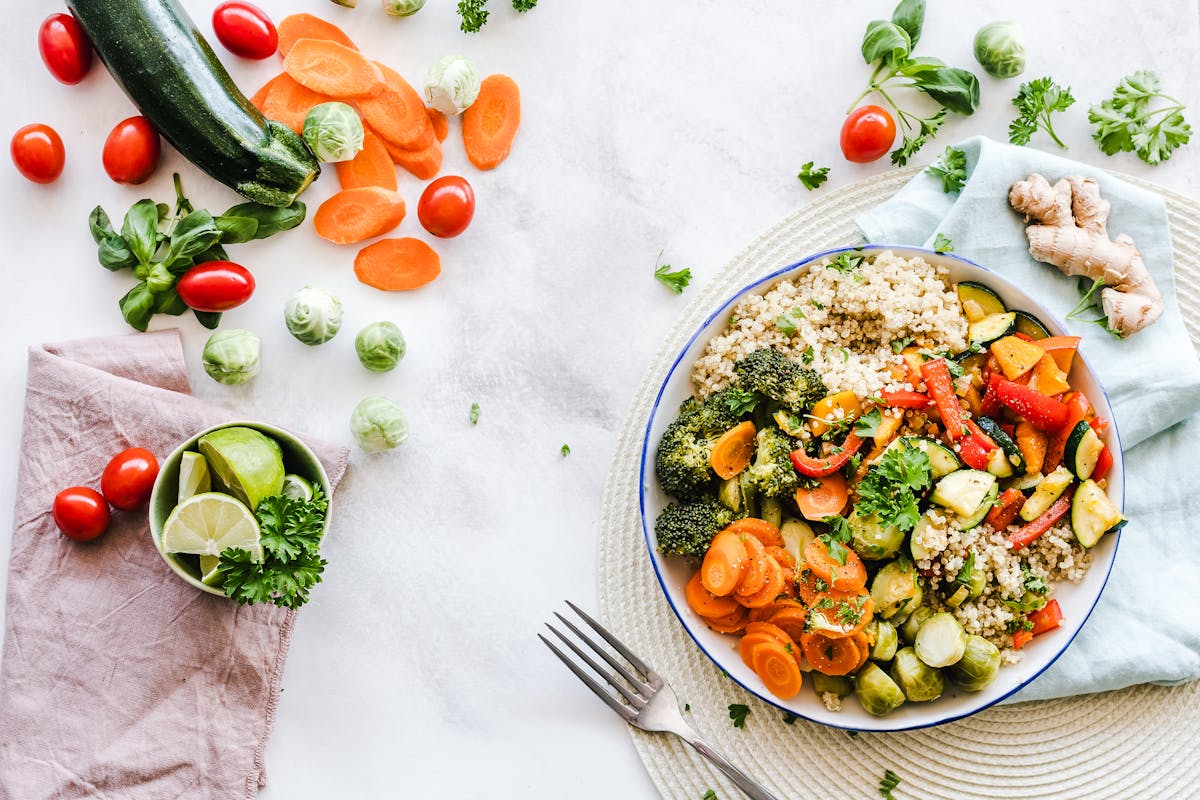
You’ll notice the lower-sodium day isn’t salt-free—it’s just centered on whole foods, which naturally contain much less sodium than their processed counterparts.
Who Needs to Be Most Careful With Salt?
While almost everyone can benefit from avoiding extreme sodium levels, some groups are especially sensitive to the long-term effects of high salt intake:
- People with high blood pressure or a family history of it
- Those with heart disease, heart failure, or prior stroke
- Individuals with chronic kidney disease
- Older adults, who are often more salt-sensitive
- People of certain ethnic backgrounds (for example, hypertension related to sodium can be more prevalent in some Black communities)
If you fall into any of these categories, it’s especially important to:
- Monitor your blood pressure regularly.
- Ask your clinician what sodium range is appropriate for you.
- Review your medications—some interact with sodium and potassium balance.
Moving Forward: Small Shifts Today, Big Benefits Over Time
Headlines warning that salt might “take years off your life” can feel scary, especially when food is one of life’s everyday pleasures. The fuller picture from the science is more balanced: long-term, consistently high sodium intake—especially from processed foods—raises your risk of high blood pressure, heart disease, and earlier death.
The good news is that you don’t need perfection to make a difference. Reducing your sodium intake, even moderately, can support healthier blood pressure and may improve your long-term outlook—particularly if you’re salt-sensitive or already at higher cardiovascular risk.
Instead of focusing on fear, focus on agency:
- Cook at home just one or two more times per week.
- Swap a couple of your go-to processed foods for lower-sodium alternatives.
- Experiment with herbs, spices, and citrus to build flavor.
- Check in with your healthcare professional about your blood pressure and individual sodium needs.
Your plate doesn’t have to be perfect—and it certainly doesn’t have to be bland—to support a longer, healthier life. One meal, one grocery trip, and one small change at a time genuinely adds up.
Meta Information (SEO)
SEO Title Tag: Adding This Popular Seasoning to Your Food May Take Years Off Your Life, Scientists Find
Meta Description: New research suggests that frequently adding extra salt to your food may be linked to shorter life expectancy. Learn what the science really says about salt and longevity, how sodium affects your heart and blood pressure, and practical ways to cut back without giving up flavor.
Target keywords: salt and life expectancy, excess salt intake, sodium and blood pressure, how to reduce salt, low sodium diet tips, salt and heart disease risk.
