
What We May Hear After We Die: A Doctor’s Chilling Insight Into The Conscious Brain
Sometimes it’s the living who haunt the dead. A New York primary care doctor has sparked worldwide debate after reporting that, for a short time after the heart stops, the brain may remain active — and patients may still hear what’s being said around them. It’s a chilling idea, but it also opens the door to more compassionate care in the most critical moments of life and death.

In this article, we’ll explore what the latest reports and scientific research suggest about brain activity after death, what people might experience in those final moments, and how this knowledge can guide doctors, families, and all of us toward more humane end-of-life conversations.
Why this story is striking a nerve right now
Reports like this resonate because they tap into two of our deepest questions: What happens when we die? and Are we aware of it? While headlines can be sensational, there is a growing body of careful, peer‑reviewed research suggesting that consciousness may briefly persist even after the heart has stopped — especially in cases where resuscitation is attempted.
The moment the heart stops: What’s really happening?
Medically, we define death in a few different ways:
- Cardiac arrest: The heart stops pumping effectively, blood pressure collapses, and blood flow to the brain falls to near zero.
- Clinical death: No detectable pulse, no breathing, and no responsiveness. This is often the moment CPR begins.
- Brain death: Irreversible loss of all brain function, including the brainstem. This is legally recognized as death in many countries.
The New York doctor’s observations focus on the window between cardiac arrest and irreversible brain death — the “in‑between” period when the heart has stopped but the brain may not yet be completely offline.
“When a person flatlines, we assume there’s ‘nothing there.’ But EEG studies show the brain can exhibit organized activity for minutes after the heart has stopped, especially during resuscitation.”
— Summary of findings from Dr. Sam Parnia’s AWARE and AWARE II studies on cardiac arrest and consciousness
This doesn’t mean a person is fully awake or able to form memories like they do in everyday life. But it does suggest that some level of awareness — including being able to hear voices — may persist for a short time.
What the science says about brain activity after death
Over the last decade, several research teams have investigated what happens in the brain during and after cardiac arrest. While each study is limited, together they paint a cautiously consistent picture.
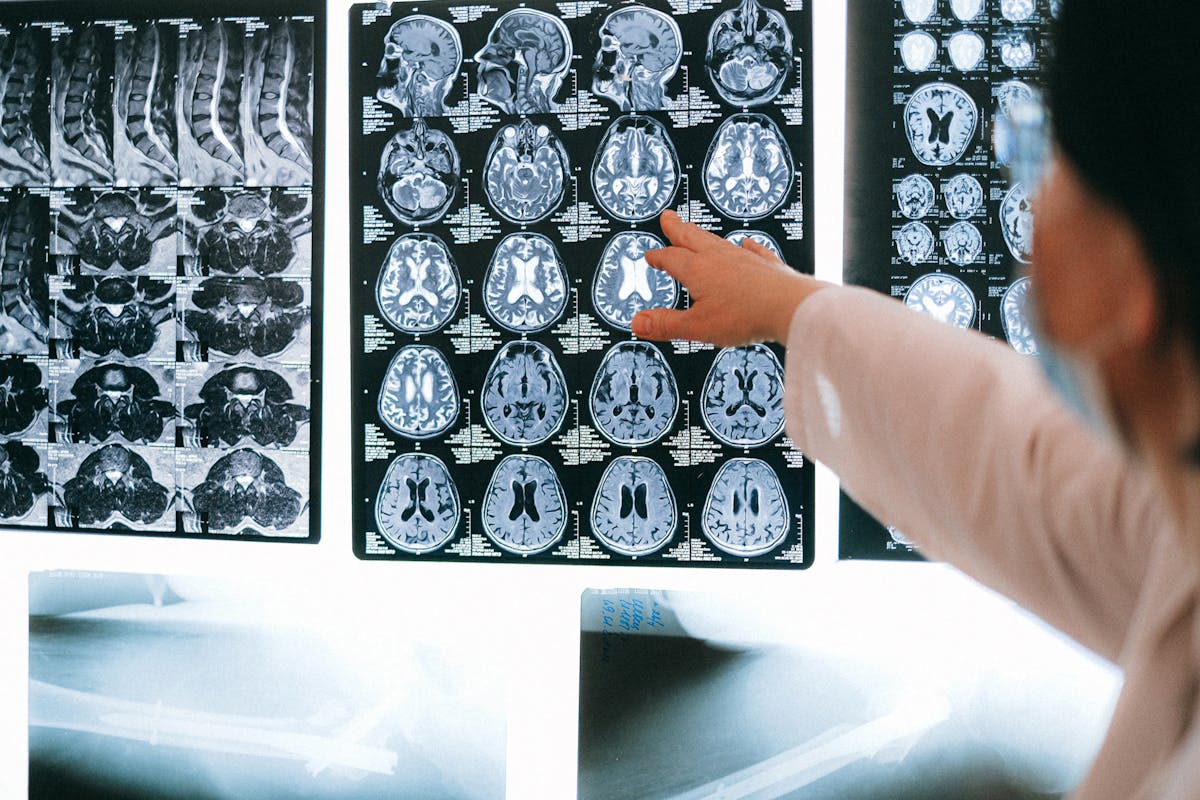
Key findings from resuscitation research
- EEG activity can continue after the heart stops.
Some studies have recorded brain waves for minutes after cardiac arrest, including patterns associated with conscious processing. - Patients sometimes recall events during “flatline.”
In large multicenter trials on cardiac arrest survivors, a proportion of patients reported vivid experiences — hearing staff, feeling CPR, or having structured “near-death” experiences. - Hearing may be one of the last senses to fade.
Separate research in dying hospice patients has shown that the brain can still respond to familiar voices even when a person appears unresponsive.
The New York doctor’s report about “frightening words” being heard after death fits into this emerging science: if the brain hangs on for a time, then what we say in those moments matters — medically, ethically, and emotionally.
Can patients really hear what’s said after they “die”?
Hearing is often the last sense to go. In both intensive care and hospice settings, clinicians commonly tell families, “They may still be able to hear you.” Now, research offers some backing for that advice.
How the brain processes sound near death
- The auditory system can respond to sound even when a person looks deeply unconscious.
- EEG recordings show that the brain may still differentiate between familiar and unfamiliar voices.
- Some cardiac arrest survivors later describe hearing medical staff discuss their condition, even when they had no heartbeat.
“We’ve had patients come back and repeat conversations that occurred while they were in full cardiac arrest. It’s a powerful reminder to watch our words.”
— Composite reflection from critical care physicians
This doesn’t mean every unresponsive person hears everything or that every reported memory is perfectly accurate. But it reinforces a simple, compassionate principle:
If there is any chance they can hear you, speak as if they can.
The “frightening words” patients may hear — and why they matter
The New York doctor’s account highlights a sobering idea: during resuscitation, patients may hear statements never meant for their ears — words like:
- “I don’t think they’re going to make it.”
- “This looks hopeless.”
- “We’re going to call it soon.”
To a conscious or semi-conscious mind trapped in a failing body, these could be terrifying. Even if the person does not survive, these last impressions may matter to them — and, in rare cases where they are revived, such memories can be deeply distressing.
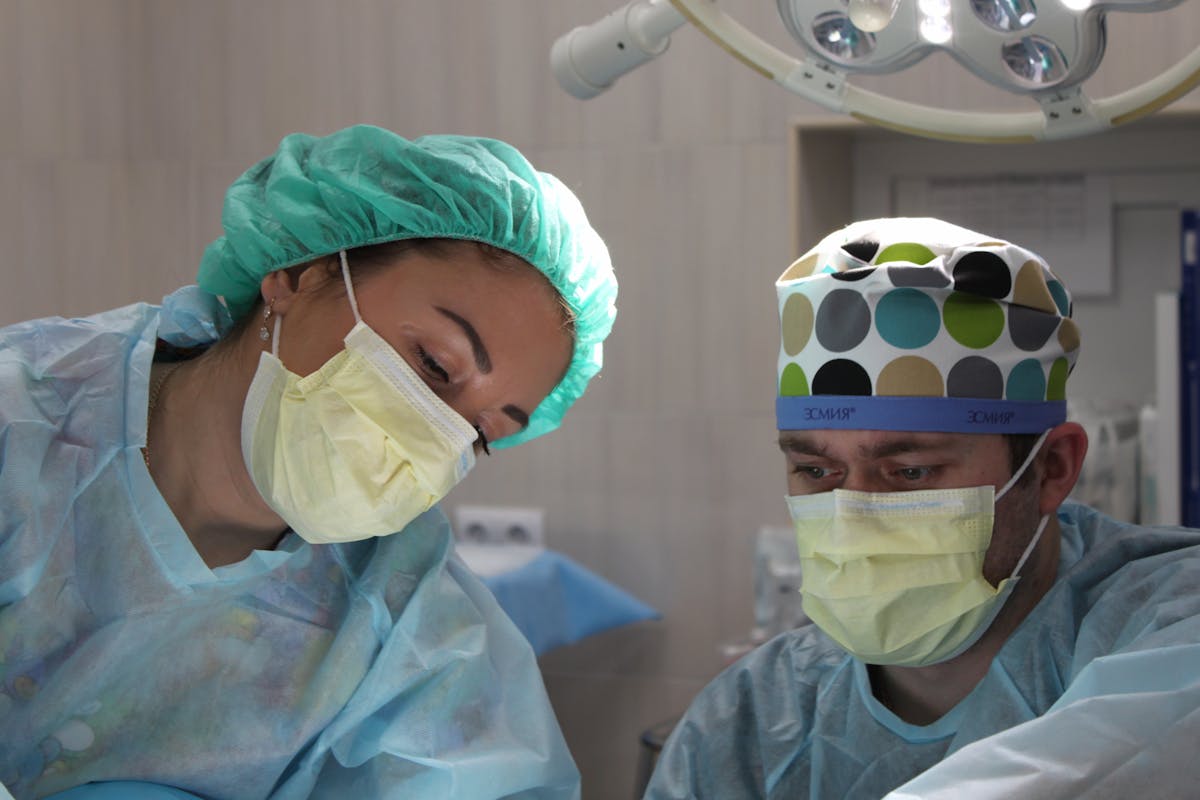
A composite case study
Consider a scenario drawn from real emergency department experiences:
A middle‑aged man collapses at home and is rushed to the hospital. In the trauma bay, his heart stops. The team starts CPR. His monitor shows a flat line. One physician, exhausted and frustrated after multiple failed attempts, says quietly, “We’ve done everything; this is futile.”
Against the odds, a final shock restores a heart rhythm. Days later, the patient wakes up and tells the team he remembers someone saying, “This is futile,” and feeling abandoned even while he was fighting to live. While cases like this are uncommon, they echo what multiple doctors and survivors have reported.
What families can do in those critical moments
If someone you love is critically ill or near death, you may feel helpless. Yet your presence and your words can offer real comfort, even if they never fully wake up.
Compassionate things to say
- “I’m here with you. You’re not alone.”
- “You are loved so much.”
- “The doctors and nurses are doing everything they can.”
- Share a brief, calming memory: “Remember that time at the lake…”
- If consistent with their beliefs, simple spiritual or comforting phrases or prayers.
What to avoid saying near the bedside
- Arguments or family conflicts.
- Graphic discussions of prognosis (“They’re definitely going to die,” “There’s no point anymore”).
- Blaming or guilt‑laden comments.
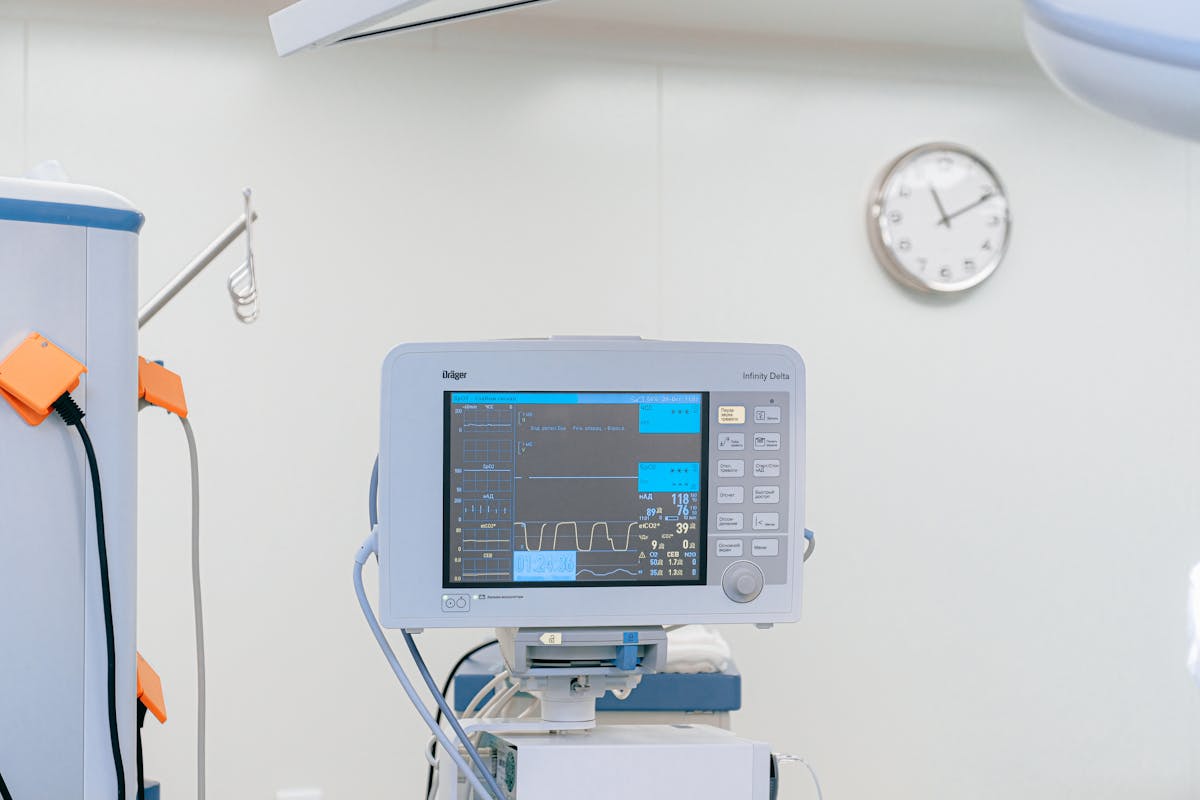
Practical implications for doctors and nurses
For healthcare professionals, the possibility of lingering awareness after cardiac arrest isn’t just philosophically interesting — it has real implications for how we run codes and manage end-of-life care.
1. Speak as if the patient can hear you
- Introduce yourself when you enter: “Hi, I’m Dr. Smith. We’re here to help you.”
- Explain procedures briefly: “We’re going to press on your chest to help your heart.”
- Offer reassurance: “We’re doing everything we can.”
2. Move grim prognostic talk away from the bedside
When possible, hold team discussions about futility or withdrawal of care in a hallway or conference room, not directly over the patient’s body, especially during attempts at resuscitation.
3. Consider psychological follow‑up for survivors
- Ask resuscitated patients about any memories or distressing experiences.
- Offer referrals for counseling if they report frightening recollections from their arrest.
- Normalize what they experienced: explain that such memories can occur and are being studied scientifically.

Clearing up myths about “life after death”
Stories like this can easily be misunderstood. To stay grounded, it helps to separate what we know from what we don’t know.
What current evidence supports
- The dying process is gradual, not an instant “on/off” switch.
- Measurable brain activity can persist for minutes after the heart stops.
- Some patients report structured awareness or memories from periods of clinical death.
- Hearing may persist longer than other senses.
What we cannot honestly claim
- That consciousness continues indefinitely after death.
- That science has “proven” any particular vision of an afterlife.
- That every patient in cardiac arrest is aware or can hear.
Common emotional obstacles — and how to navigate them
Learning that a loved one may have heard distressing words during resuscitation can stir up guilt or anger. It’s important to approach this topic gently.
If you’re a family member
- Guilt: You might worry, “Did I say the wrong thing?” Remember: you did the best you could under extreme stress.
- Anger at staff: If you’re troubled by what you overheard, it’s reasonable to ask for a calm debrief with the care team later.
- Rumination: Talking with a counselor or grief specialist can help you process these memories more gently.
If you’re a clinician
- Recognize that moral distress around resuscitation decisions is common.
- Debrief challenging cases with colleagues or support services.
- Use experiences as motivation to refine language and communication habits, not as fuel for self‑blame.
Practical steps to bring more humanity to the edge of life
While we can’t control every outcome, we can shape the environment in which dying — and sometimes revival — occurs.
For individuals and families
- Talk about your wishes early. Consider an advance directive and discuss what level of intervention you’d want if critically ill.
- Choose a healthcare proxy. Designate someone you trust to speak for you if you cannot.
- Share how you’d like to be spoken to. Some people find comfort in certain prayers, music, or words; let your loved ones know.
For healthcare systems
- Include communication at the bedside in resuscitation training.
- Develop guidelines that encourage moving harsh prognostic language away from the patient’s earshot when possible.
- Support research into consciousness and patient experiences during cardiac arrest.
A more mindful way to face the mystery of death
The New York doctor’s observations are unsettling precisely because they suggest our words may echo in the most fragile moments of another person’s existence. But they also offer an invitation: to bring more care, dignity, and presence to the bedside — especially when we believe “there’s nothing more we can do.”
We still don’t fully understand what consciousness is or exactly how long it lingers after the heart stops. What we can do, right now, is simple:
- Speak kindly in emergency rooms, ICUs, and hospice rooms.
- Assume that hearing may persist, and let your words reflect respect and compassion.
- Plan ahead for your own end‑of‑life wishes, and encourage loved ones to do the same.
We may never fully answer what happens “after” death. But we can shape what happens at the edge of it — one word, one touch, one moment of presence at a time.
