
Gut Health 2.0 Comfort Bowl: Fermented Veggie, Polyphenol-Rich Grain & Yogurt Power Lunch
Gut-Friendly Fermented Grain Bowl with Yogurt, Kimchi & Polyphenol-Rich Toppings
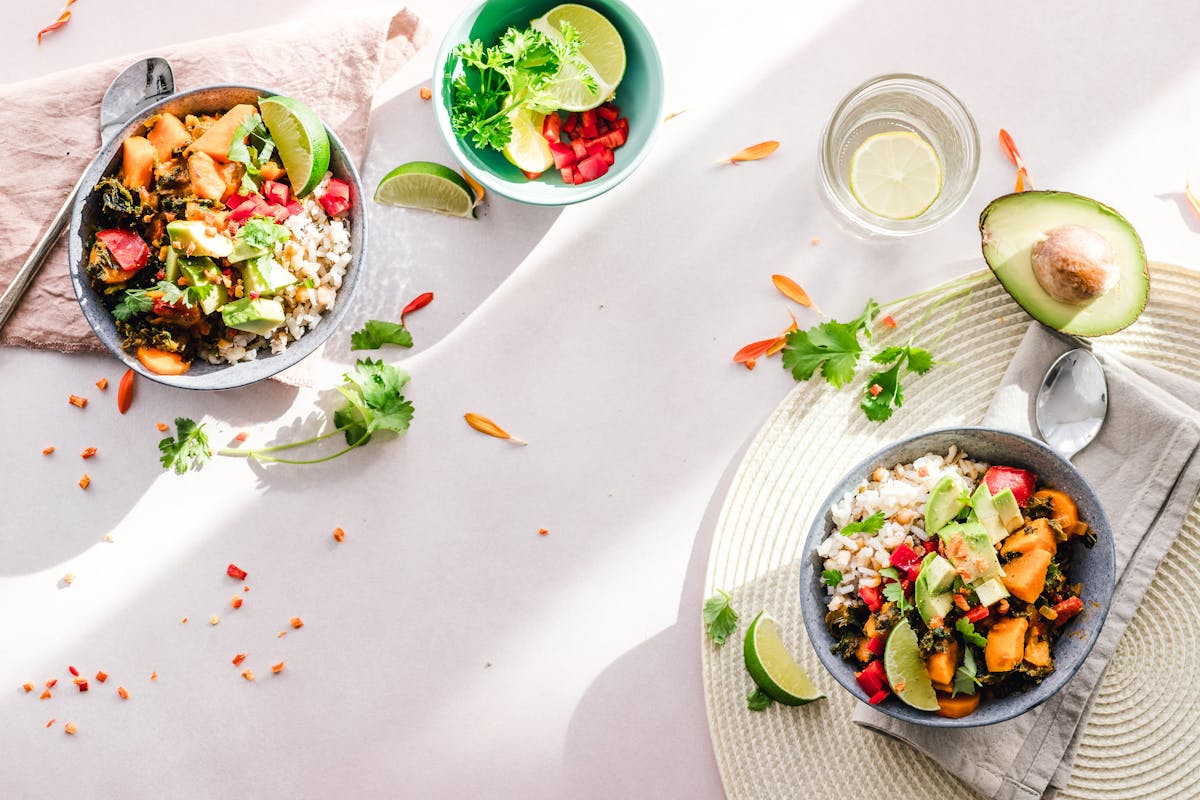
This vibrant gut-friendly grain bowl brings together the three big pillars of “Gut Health 2.0”—fermented foods, fiber diversity, and polyphenol-rich plants—in one cozy, colorful meal. Built on hearty whole grains, crunchy marinated chickpeas, tangy kimchi or sauerkraut, and a jewel-bright mix of berries, herbs, and veggies, it’s designed to feed both you and your microbiome while staying relaxed, flexible, and totally delicious.
Around the world, traditional cuisines have quietly been “microbiome-friendly” for centuries: think Korean kimchi and rice, Mediterranean grains with olives and yogurt, or Central European sauerkraut with hearty root vegetables. This bowl is a modern mash-up that nods to those traditions while reflecting today’s science-backed focus on fermented foods, plant diversity, and polyphenols—without falling into restrictive diet rules.

This recipe is naturally vegetarian and can easily be made gluten-free and vegan. It’s perfect for a quick lunch, a satisfying dinner, or a meal-prep base you can customize all week.
Gut Health 2.0 in a Bowl: Ferments, Fiber Diversity & Polyphenols
Think of this dish as a delicious little lab where you’re feeding not just yourself, but trillions of tiny guests—your gut microbes. Current research, large cohort studies, and microbiome-focused projects all echo a similar theme: diversity and minimally processed, plant-forward eating matter more than any single “magic” supplement.
- Fermented foods: Kimchi or sauerkraut plus live-culture yogurt or kefir bring in live microbes and tangy, complex flavors.
- Fiber diversity: Whole grains, chickpeas, leafy greens, nuts, seeds, and fruit each offer different fibers to nourish different microbes.
- Polyphenols: Berries, herbs, extra-virgin olive oil, colorful vegetables, and optional green tea dressing add plant compounds that your microbes can transform into beneficial metabolites.
Instead of chasing a “perfect gut health protocol,” this bowl leans into variety, flexibility, and enjoyment—key themes in the latest microbiome-friendly eating trends.
Equipment You’ll Need
- Medium saucepan with lid (for cooking grains)
- Fine-mesh strainer (for rinsing grains and chickpeas)
- Cutting board and sharp knife
- Mixing bowl for dressing and chickpeas
- Measuring cups and spoons
- 2 wide, shallow bowls for serving

Ingredients for Gut-Friendly Fermented Grain Bowl
Quantities below make 2 generous servings. Feel free to scale up for meal prep—your future self will be grateful.
For the Grain Base (Fiber-Rich & Satisfying)
- 1 cup (190 g) uncooked cooked whole grain of choice, such as:
- Short-grain brown rice
- Quinoa (naturally gluten-free)
- Farro or barley (chewy and hearty; contains gluten)
- 2 cups (480 ml) water or low-sodium vegetable broth
- ¼ teaspoon fine sea salt (optional)
For the Marinated Chickpeas (Plant Protein & Prebiotic Fiber)
- 1 can (14–15 oz / 400 g) chickpeas, drained and rinsed
- 1 tablespoon extra-virgin olive oil
- 1 tablespoon freshly squeezed lemon juice or apple cider vinegar
- ½ teaspoon ground cumin
- ½ teaspoon smoked or sweet paprika
- ¼ teaspoon fine sea salt, or to taste
- Freshly ground black pepper, to taste
Fermented Toppings (Live Cultures & Tang)
- ½–¾ cup (about 80–120 g) kimchi or raw, unpasteurized sauerkraut, roughly chopped if needed
- ½ cup (120 g) plain yogurt or kefir, preferably with live and active cultures
- Use Greek or regular, cow, goat, or sheep’s milk yogurt
- For vegan: use unsweetened coconut, soy, or almond yogurt with live cultures
Colorful Polyphenol-Rich Toppings
- ½ cup (70 g) mixed berries (blueberries, raspberries, or blackberries; fresh or thawed from frozen)
- 1 small carrot, grated or cut into matchsticks
- 1 small cucumber, thinly sliced or diced
- 1 small handful leafy greens (baby spinach, arugula, or mixed salad greens)
- 2 tablespoons chopped fresh herbs (parsley, cilantro, dill, basil, or a mix)
- 2 tablespoons nuts or seeds (walnuts, almonds, pumpkin seeds, or sunflower seeds), lightly toasted if desired
- 1 teaspoon sesame seeds or ground flaxseed (optional, for extra fiber and healthy fats)
Optional Green Tea & Lemon Drizzle (Extra Polyphenol Boost)
- 2 tablespoons brewed and cooled green tea (or water)
- 1 tablespoon extra-virgin olive oil
- 1 teaspoon lemon juice or apple cider vinegar
- ½ teaspoon honey or maple syrup (omit or swap for low-sugar if desired)
- Pinch of salt and pepper
Step-by-Step Instructions
1. Cook the Whole Grains
- Rinse the grains: Place your chosen grain (brown rice, quinoa, farro, etc.) in a fine-mesh strainer and rinse under cold water for 20–30 seconds. This removes dust and some surface starch (and bitterness, in the case of quinoa).
- Simmer: Add the rinsed grains to a medium saucepan with the water or broth and optional salt. Bring to a gentle boil over medium-high heat, then reduce to low, cover, and simmer until tender:
- Quinoa: about 15 minutes
- Brown rice: 25–30 minutes
- Farro/barley: 25–30 minutes (check package directions)
- Rest and fluff: When the grains are cooked and liquid is absorbed, turn off the heat and let them sit, covered, for 5 minutes. Fluff with a fork. Let cool slightly so the heat doesn’t overly warm your fermented toppings.
2. Marinate the Chickpeas
- Season: In a mixing bowl, combine olive oil, lemon juice or vinegar, cumin, paprika, salt, and pepper. Whisk briefly.
- Toss: Add the rinsed chickpeas and toss to coat evenly. Let them marinate at room temperature for at least 10 minutes while you prep the veggies and toppings.
- Optional crisping: For extra texture, you can lightly pan-toast the marinated chickpeas in a nonstick skillet over medium heat for 5–7 minutes, stirring occasionally, until a bit golden on the edges. This step is optional—no need to overcomplicate.

3. Prep the Vegetables, Herbs & Fermented Toppings
- Vegetables: Grate or julienne the carrot, slice or dice the cucumber, and rinse and dry the leafy greens.
- Herbs & nuts/seeds: Roughly chop your herbs and nuts, and toast nuts or seeds in a dry skillet over low heat for 2–3 minutes if you’d like a deeper flavor.
- Fermented veggies: If your kimchi or sauerkraut pieces are large, chop them into bite-sized pieces. Let excess brine drip off so the bowl doesn’t get too watery (though a little brine can be lovely drizzled on top).
- Yogurt: Stir the yogurt or kefir until smooth. If using kefir, you may prefer to drizzle it over the bowl rather than dollop.
4. Make the Optional Green Tea & Lemon Drizzle
- In a small bowl, whisk together brewed, cooled green tea, olive oil, lemon juice or vinegar, honey or maple syrup (if using), and a pinch of salt and pepper.
- Taste and adjust: add more lemon for brightness, more sweetener to soften the tang, or a bit more tea if you enjoy a subtle green-tea note. Set aside.
5. Assemble Your Gut-Friendly Fermented Grain Bowls
- Base layer: Divide the warm (not piping hot) grains between two wide bowls. Spread them out as a bed rather than leaving a tall mound; this makes topping easier.
- Add chickpeas: Spoon the marinated chickpeas over one-third of each bowl.
- Layer the veggies & greens: Arrange the carrot, cucumber, and leafy greens in little piles around the bowl. Don’t stress about perfection—this is home cooking, not a photo shoot.
- Add ferments: Nestle a generous scoop of kimchi or sauerkraut into each bowl. Add a dollop or swirl of yogurt on top or to the side.
- Berries & herbs: Scatter berries, chopped herbs, and nuts/seeds over everything for color, crunch, and a big polyphenol boost.
- Finish with drizzle: Spoon the green tea dressing over the grains, chickpeas, and veggies. If skipping the dressing, you can simply add a splash more olive oil and lemon juice.
How to Serve & Enjoy This Microbiome-Friendly Bowl
Eat this bowl slightly warm or at room temperature. The contrast between warm grains, cool yogurt, crunchy veggies, and tangy ferments makes every bite interesting.
- For lunch: Pair with a cup of green tea or herbal tea to echo the polyphenol theme.
- For dinner: Serve alongside a simple miso soup, roasted vegetables, or a small portion of grilled fish or tofu for extra protein.
- For a “30 plants per week” challenge: Jot down every different plant food in this bowl; you might be surprised how quickly the numbers add up.
Ingredient Substitutions & Dietary Adaptations
One of the hallmarks of Gut Health 2.0 is flexibility—not rigid exclusion lists. Use these swaps to tailor the bowl to your preferences and needs.
Gluten-Free Option
- Use quinoa, brown rice, buckwheat, or millet instead of farro or barley.
- Double-check that your kimchi or sauerkraut and soy-based sauces are labeled gluten-free.
Vegan / Dairy-Free Option
- Swap dairy yogurt for a plain, unsweetened plant yogurt (soy, coconut, oat, or almond) with live cultures.
- Use maple syrup instead of honey in the dressing, or omit sweetener for low-sugar.
Low-FODMAP Considerations*
If you’re following a short-term, professionally guided low-FODMAP plan for IBS, you may need to:
- Limit portion size of chickpeas or swap for firm tofu or tempeh (if tolerated).
- Choose a lactose-free yogurt or lactose-free plant yogurt.
- Start with small amounts of kimchi or sauerkraut and monitor tolerance.
*Always work with a qualified health professional for IBS or significant gut symptoms. Long-term over-restriction can reduce fiber diversity and may not support microbiome health.
Other Easy Swaps
- Chickpeas: swap with lentils, black beans, or edamame.
- Berries: use pomegranate seeds, orange segments, or chopped apples/pears.
- Greens: use shredded cabbage, kale, or romaine.
- Ferments: try miso-roasted vegetables, pickled radishes, or a spoon of tempeh for variety.
Storage & Make-Ahead Tips
This bowl is very meal-prep friendly if you store each component smartly.
- Cooked grains: Cool completely, then store in an airtight container in the fridge for up to 4 days. Add a splash of water before reheating to keep them soft.
- Marinated chickpeas: Keep in a sealed container in the fridge for 3–4 days. The flavor deepens over time.
- Chopped veggies & greens: Store separately in airtight containers or jars with a paper towel to absorb moisture; use within 3 days for best crunch.
- Fermented veggies (kimchi/sauerkraut): Keep in their own jar in the fridge. Use a clean fork each time to avoid contamination; they typically last weeks to months according to package directions.
- Yogurt and dressing: Store in small containers and add to the bowl just before serving.
Reheating Guidelines
- Grains: Reheat in the microwave with a splash of water, covered, for 1–2 minutes, or warm gently in a saucepan. Aim for warm, not scorching, to keep textures pleasant.
- Don’t cook the ferments: Add kimchi/sauerkraut and yogurt after reheating to keep their cool crunch and live cultures intact.
Serving Suggestions & Complementary Gut-Health Dishes
To build a full “Gut Health 2.0” style meal or day of eating, you can pair this bowl with other fermented, fiber-rich, and polyphenol-packed foods without obsessing over perfection.
- Starter: A small bowl of miso soup with seaweed and tofu, or a simple green salad with olive oil and lemon.
- Side: Roasted root vegetables (carrots, beets, parsnips) tossed with herbs and a spoonful of tahini.
- Drink: Unsweetened green tea, hibiscus tea, or lightly flavored water with citrus slices and herbs.
- Dessert: A small bowl of berries with dark chocolate shavings or a spoonful of kefir/yogurt.
Over time, these small, enjoyable choices can add up—supporting digestion, blood sugar balance, and even mood via the much-talked-about gut–brain axis that’s lighting up today’s wellness conversations.

Final Thoughts: Make Gut Health Delicious, Not Stressful
This fermented grain bowl is less of a rigid “protocol” and more of a friendly template: a way to fold fermented foods, plant diversity, and polyphenol-rich colors into your everyday meals in a joyful, sustainable way.
Start where you are. If you’re new to gut-friendly eating, try this once a week and notice how you feel—energy, digestion, satisfaction. As you get comfortable, play with different grains, ferments, and toppings. Your microbiome loves variety, and you might discover new flavor combinations you crave.
You don’t need perfection; you just need a bowl, some plants, and a bit of curiosity. The rest will grow, one colorful meal at a time.
