
GLP‑1 ‘Skinny Shot’ Hype: How Ozempic & Wegovy Are Rewriting Diet Culture
Ozempic, Wegovy & the Rise of GLP‑1 ‘Skinny Shot’ Diet Culture
GLP‑1 weight‑loss drugs like Ozempic, Wegovy, and Mounjaro/Zepbound are changing how we talk about dieting. Once reserved for managing type 2 diabetes, these injections are now front‑and‑center in celebrity wellness chatter, TikTok “what I eat in a day” videos, and heated debates about quick‑fix weight loss versus sustainable, nourishing nutrition.
At the same time, many people using these medications are discovering something unexpected in their kitchens: when your appetite suddenly plummets, every bite counts. Food becomes less about volume and more about deep nourishment—protein, fiber, color, and flavor packed into small, satisfying portions.

What Are GLP‑1 Drugs Like Ozempic, Wegovy & Mounjaro?
GLP‑1 agonists are medications that act on receptors for glucagon‑like peptide‑1, a hormone your body naturally releases after you eat. In medical terms, they:
- Help regulate blood sugar by increasing insulin release when glucose is high.
- Slow gastric emptying, meaning food moves more slowly from your stomach to your intestines.
- Reduce appetite and cravings by acting on areas of the brain involved in hunger and fullness.
Ozempic (semaglutide) was first approved for type 2 diabetes. Wegovy uses a higher dose of the same active ingredient specifically for obesity and weight management. Mounjaro and Zepbound (tirzepatide) act on both GLP‑1 and another hormone, GIP, and can be even more potent for weight loss.
GLP‑1 ‘Skinny Shot’ Hype: Diet Culture Meets Medicine
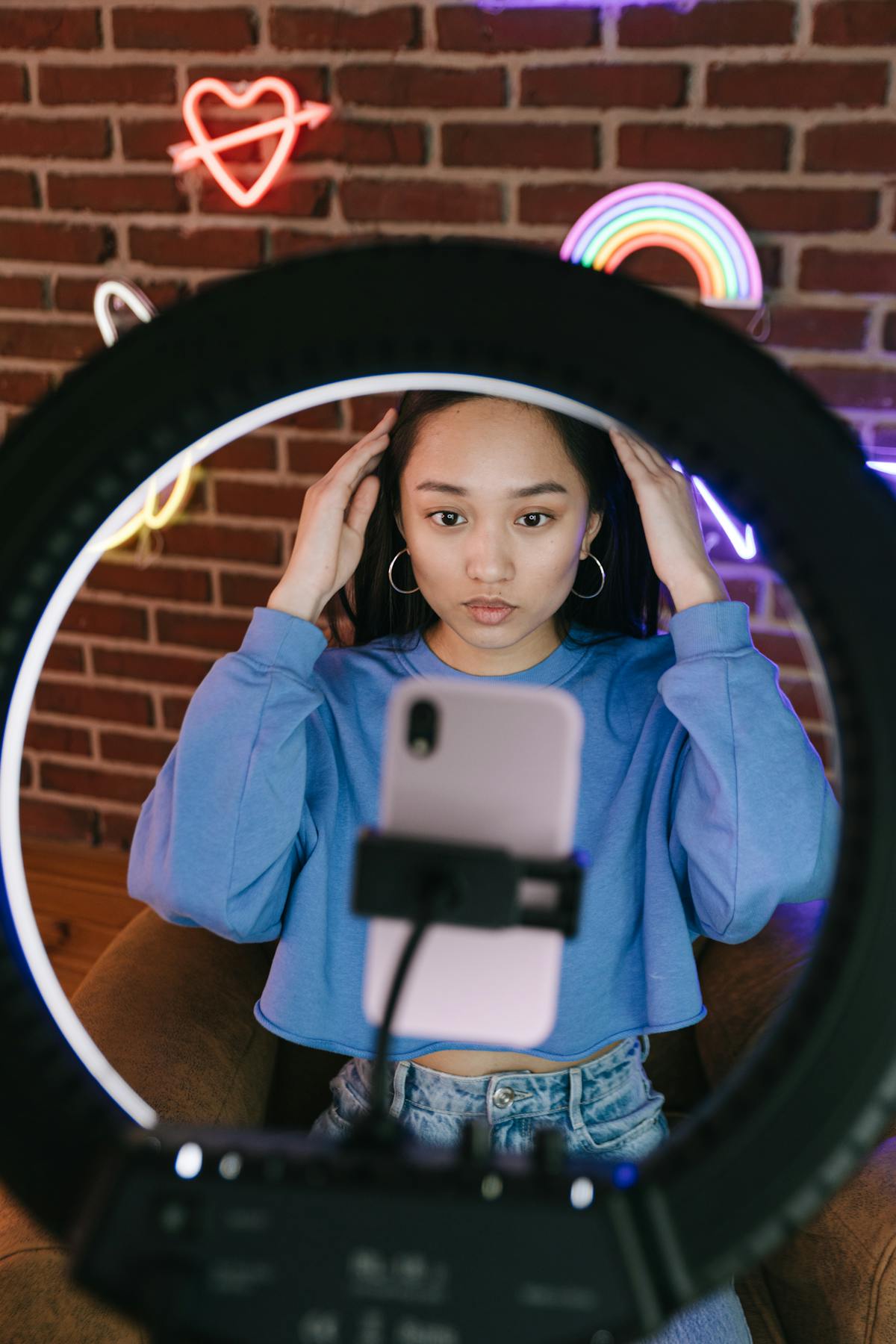
On TikTok, YouTube, X (Twitter), and Instagram, GLP‑1 drugs are often framed as almost magical: dramatic before‑and‑after photos, quick clips of shrinking clothing sizes, and captions about “finally not thinking about food 24/7.” Some influencers casually refer to them as the skinny shot
, a phrase that reveals just how tightly weight, worth, and wellness still intertwine in modern diet culture.
But behind the buzz, there’s a more complicated story. Many people report:
- Intense nausea or constipation, especially at the beginning or after dose increases.
- Very low appetite, to the point of skipping meals without meaning to.
- Feeling oddly disconnected from food—less pleasure in eating, less hunger, but also less energy.
For some, GLP‑1 medications feel like turning the volume on hunger from a deafening roar to a quiet murmur. That can be freeing—but it also means you have to be much more intentional about how you use each bite.

Why Nutrition Matters Even More on GLP‑1 Weight‑Loss Drugs
When your appetite is low, it might seem like you’re “winning” the diet game. But strong weight‑loss science—and countless patient stories—tell us that:
- Extreme intake cuts can lead to muscle loss, not just fat loss.
- Rapid weight drops may contribute to the infamous “Ozempic face”—a gaunt, hollow look as fat and muscle both shrink.
- Under‑fueling can trigger fatigue, hair shedding, mood changes, and nutrient deficiencies.
That’s why dietitians now talk about building a GLP‑1 friendly plate—not tiny salads and dry chicken, but small, deeply nourishing meals that prioritize:
- Protein to protect muscle and support metabolism.
- Fiber for digestion, fullness, and blood sugar balance.
- Healthy fats for hormone health and long‑lasting satiety.
- Colorful produce for vitamins, minerals, and antioxidants.
High‑Protein, High‑Fiber GLP‑1 Meal Ideas for Low Appetite
Think of these as small but mighty meals—perfect when a big plate feels overwhelming, but you still want to take care of your body.
1. Egg Bites with Veggies & Cheese
Soft, custardy bites you can make in a muffin tin: whisk eggs with Greek yogurt, fold in chopped spinach, bell pepper, and a sprinkle of cheese. Bake until just set. They’re gentle on the stomach, packed with protein, and easy to reheat.
2. Cottage Cheese Power Bowls
Start with creamy cottage cheese, then layer on fruit and chia seeds for a sweet bowl, or cherry tomatoes, cucumbers, and a drizzle of olive oil for savory. Each spoonful is cool, light, and surprisingly filling.
3. High‑Protein Smoothies
Blend Greek yogurt or protein powder with berries, spinach, and a spoonful of nut butter. Smooth, cold drinks can be easier to tolerate if heavier foods sound unappealing.
4. Lentil or Bean‑Based Soups
A warm, gently seasoned lentil soup delivers fiber, plant protein, and comfort in every sip. It’s easy to portion into small bowls and freeze for later.
‘Ozempic Face’ & Body Composition: It’s Not Just About the Scale
As GLP‑1 drugs surged in popularity, so did a new phrase: “Ozempic face.” People noticed that rapid weight loss can make the face look more hollow, with looser skin and sharper lines. This isn’t unique to semaglutide—it often happens with fast weight loss from any cause—but the speed and amount of loss on these meds can make it more noticeable.
Under the surface, the real story is about body composition:
- Weight loss can come from both fat and lean mass (muscle, connective tissue).
- Too little protein and no strength training can shift the balance toward more muscle loss.
- Less muscle can mean a slower metabolism and more fatigue over time.
That’s why experts emphasize:
- Protein at each eating time, especially breakfast and post‑activity.
- Resistance training—bodyweight, bands, or weights—to give your muscles a reason to stay.
- Staying hydrated and including healthy fats for skin and overall tissue health.
Ethics, Access & the Shadow Side of GLP‑1 Diet Culture
While some celebrities and influencers obtain GLP‑1 prescriptions for cosmetic weight loss, many people with diabetes report drug shortages and difficulty accessing medications they medically need. This tension fuels a broader conversation about:
- Who gets access to these medications and who is left out.
- The normalization of pharmacological shortcuts over sustainable lifestyle support.
- How diet culture and fatphobia shape what we consider “acceptable” reasons to use medication.
Many health professionals now emphasize that GLP‑1s are best viewed as one possible tool within a holistic approach that also honors mental health, body respect, movement, and a peaceful relationship with food.
GLP‑1 Friendly Recipes, Products & the New Food Trend
As interest in Ozempic and Wegovy explodes, so does a wave of GLP‑1 friendly recipes and products. You’ll spot:
- Short‑form videos with
What I eat on Ozempic
meal diaries. - Small‑portion, high‑protein recipes like egg bites, cottage cheese bowls, and protein‑packed soups.
- Ready‑to‑drink shakes, protein drinks, and snack packs marketed specifically to people on GLP‑1s.
Some of these can be genuinely helpful—especially on days when shopping, prepping, or cooking feels like too much. But it’s still wise to:
- Check labels for added sugars and ultra‑low fiber.
- Notice how the product makes you feel—satisfied, energized, or sluggish?
- Remember that whole foods (frozen veggies, canned beans, eggs, yogurt) can be budget‑friendly, nutrient‑dense staples.
Life After Ozempic: Long‑Term Maintenance & Rebound Weight Gain
Early research and real‑world experience suggest that when people stop GLP‑1 medications, weight regain is common—especially if underlying habits around movement, sleep, and nutrition haven’t had time to solidify.
That doesn’t mean the effort is wasted. It does mean that thinking ahead—ideally with a care team—can make a big difference. Helpful strategies include:
- Working with a dietitian to build sustainable, enjoyable eating patterns.
- Establishing a movement routine you genuinely like: walks, dancing, swimming, lifting, yoga.
- Focusing on sleep, stress management, and mental health, which heavily influence appetite and cravings.
- Setting goals beyond the scale: better stamina, improved labs, reduced joint pain, or easier daily movement.

A More Compassionate GLP‑1 Conversation
GLP‑1 medications sit at the intersection of medicine, celebrity culture, and nutrition science. They’re powerful tools that can transform health and quality of life for some people—and they’re also entangled in old patterns of diet culture, body ideals, and quick‑fix thinking.
If you’re on (or considering) a GLP‑1 like Ozempic, Wegovy, or Mounjaro, you deserve:
- Accurate medical guidance from a trusted provider.
- Non‑judgmental nutrition support that helps you eat enough, not just less.
- A community and care team that see your whole self, not just your weight.
And in your kitchen—whether you’re reheating egg bites, blending a silky smoothie, or assembling a small bowl of beans and rice—every intentional, nourishing bite is a quiet act of care. You are allowed to pursue health in a way that feels supportive, gentle, and sustainable, medication or not.
