
How Close Are We to Climate Tipping Points? Extreme Weather, AI Forecasts, and a Warming Planet Explained
In this article, we explore how event attribution science answers the question “Was this caused by climate change?”, why potential tipping points in ice sheets, rainforests, and ocean circulation keep researchers up at night, and how advances in modeling and paleoclimate evidence sharpen our view of a rapidly warming planet.
Climate change has accelerated from abstract projection to lived experience. Record‑shattering heatwaves, megafires, devastating floods, and slow‑motion crises like glacier retreat and coral bleaching are now annual fixtures in news cycles. At the same time, sophisticated climate models, satellite observations, and AI‑driven forecasting tools are transforming how quickly and precisely scientists can interpret these events.
Central to today’s climate conversation are three intertwined themes:
- The rise of extreme weather and event attribution science.
- The growing concern over climate tipping points in ice sheets, ecosystems, and ocean circulation.
- The integration of advanced modeling, machine learning, and paleoclimate data to understand past, present, and future changes.

“Every additional increment of global warming increases the frequency and intensity of hot extremes, heavy precipitation, and agricultural and ecological droughts.” — IPCC Sixth Assessment Report
Mission Overview: Why Climate Tipping Points and Extreme Weather Matter Now
The “mission” of contemporary climate science is no longer only to project long‑term warming under various emissions scenarios. It is also to:
- Diagnose whether and how climate change is influencing specific extreme events.
- Assess the probability and consequences of crossing critical tipping points in the Earth system.
- Quantify ecological and societal impacts, from biodiversity loss to food security risks.
- Deploy cutting‑edge technology, including AI, to improve prediction and early warning.
- Place current changes in the context of millions of years of Earth’s climate history.
Extreme Events and the Rise of Attribution Science
When a catastrophic heatwave or a once‑in‑a‑century flood strikes twice in a decade, public and policymakers alike ask: “Was this caused by climate change?” For years, scientists were cautious, often responding that no single event can be “caused” by climate change alone. That language has evolved. Today, event attribution science quantifies how much more likely or more intense specific events have become due to human‑driven warming.
How Event Attribution Works
Attribution studies typically compare:
- “Factual world” simulations that incorporate observed greenhouse gas concentrations and other human influences.
- “Counterfactual world” simulations representing a climate without human‑induced warming, often using pre‑industrial conditions as a baseline.
By running thousands of simulations and analyzing observational data, researchers can estimate:
- The change in the probability of an event occurring (e.g., “five times more likely”).
- The change in intensity (e.g., “2 °C hotter than it would have been without climate change”).
“Event attribution provides a bridge between abstract global climate projections and the concrete extreme events people experience.” — World Weather Attribution network
Recent Examples (Up to 2025)
Analyses published between 2021 and 2025 have linked:
- The 2021 Pacific Northwest heatwave to human‑caused climate change, concluding that such extreme temperatures would have been “virtually impossible” without global warming.
- Intensified European and Chinese heatwaves in 2022–2023 to elevated greenhouse gas concentrations, with some studies finding a multi‑fold increase in event probability.
- Enhanced rainfall during Pakistan’s 2022 floods to global warming, increasing the likelihood and severity of the disaster.
Communication and Social Media Dynamics
Event attribution results are often released within weeks of an event and gain wide traction on:
- Twitter/X and Threads — rapid expert threads with charts and probability estimates.
- YouTube and TikTok — explainer videos translating technical findings into accessible narratives.
- Online news outlets — interactive graphics showing counterfactual vs. factual climate scenarios.
This near‑real‑time analysis reshapes public perception: climate change is no longer a distant threat but a measurable factor amplifying today’s disasters.
Climate Tipping Points: Thresholds with Global Consequences
A climate tipping point is a critical threshold at which a small additional change in external forcing leads to a qualitative shift in the state of a system—often abrupt, potentially irreversible on human timescales, and with far‑reaching consequences.
Major Tipping Elements Under Scrutiny
- Greenland and West Antarctic Ice Sheets
Warming air and ocean temperatures are destabilizing ice shelves and outlet glaciers. Crossing certain thresholds could commit these ice sheets to long‑term, multi‑meter sea‑level rise, even if surface melt appears gradual. - Amazon Rainforest Dieback
A combination of deforestation, regional warming, and changing rainfall patterns threatens to flip parts of the Amazon from a carbon sink to a carbon source, with cascading impacts on biodiversity and regional climate. - Atlantic Meridional Overturning Circulation (AMOC)
Often described as a global ocean “conveyor belt,” the AMOC transports heat from the tropics to the North Atlantic. Freshwater input from ice melt and increased rainfall can weaken this circulation, with significant implications for European climate, tropical rainfall belts, and regional sea level.
“Multiple climate tipping elements could be triggered within the 21st century at warming levels well below 3 °C, underscoring the urgency of rapid emissions cuts.” — S. Lenton and colleagues, tipping points research synthesis
How Close Are We?
Recent assessments, including those summarized in the IPCC AR6 and follow‑up papers through 2024–2025, suggest:
- Certain components of the Greenland Ice Sheet may already be in a state of long‑term mass loss, even under ambitious mitigation scenarios.
- The West Antarctic Ice Sheet shows signs of marine ice sheet instability, particularly in sectors like the Thwaites “Doomsday Glacier,” where warm ocean waters erode ice shelves from below.
- The AMOC has weakened since the mid‑20th century, with some observational and modeling studies warning about the possibility (though not certainty) of a collapse within the next few centuries—and low‑probability, high‑impact risk this century if emissions remain high.
Non‑Linear Risk and Policy Implications
Tipping points challenge conventional cost‑benefit thinking. Instead of smooth, gradual changes, societies must plan for:
- Non‑linear responses where impacts accelerate suddenly.
- Committed changes that continue for centuries even if emissions stop.
- Irreversibility on human timescales, such as multi‑meter sea‑level rise locked in by ice sheet collapse.
This has led to calls for “risk management under deep uncertainty”, prioritizing precaution, resilience, and rapid emissions reductions rather than relying solely on central estimates.
Ecological Impacts and Biodiversity in a Warming World
Climate change is reshaping ecosystems as profoundly as it is reshaping coastlines and weather statistics. Ecologists document shifts in species ranges, altered phenology (timing of flowering, migration, and breeding), and reconfigured community composition across land and sea.
Observed Ecological Shifts
- Range Shifts
Many species are moving poleward or upslope in search of cooler conditions. Some alpine and Arctic species find “nowhere higher to go,” increasing extinction risk. - Phenological Mismatches
Earlier springs and delayed winters can desynchronize pollinators and flowering plants, or predators and their prey, undermining ecosystem stability. - Coral Bleaching and Marine Heatwaves
Repeated marine heatwaves, including those in 2016–2017 and later events up to 2024, have caused severe bleaching on reefs like the Great Barrier Reef, reducing biodiversity and jeopardizing fisheries and tourism. - Forest Mortality
Droughts, heat stress, and pest outbreaks—often exacerbated by warming—have triggered large‑scale tree die‑offs in boreal forests, the Amazon, and Mediterranean regions.
“One million species are currently threatened with extinction, many within decades, more than ever before in human history.” — IPBES Global Assessment on Biodiversity and Ecosystem Services
Links to Food Security and Human Livelihoods
Biodiversity loss is not just a conservation issue; it directly affects:
- Crop yields via pollination, pest control, and soil health.
- Fisheries through coral reef degradation and shifting fish stocks.
- Water security as forests that regulate water flows are degraded.
- Cultural and spiritual values attached to local species and landscapes.
Tools for Monitoring Ecological Change
Modern ecological monitoring leverages:
- Remote sensing (satellites, drones) for global vegetation, surface temperature, and ocean color.
- Citizen science platforms like iNaturalist and eBird, which crowdsource observations at unprecedented scales.
- Genomic tools and environmental DNA (eDNA) to detect species presence from water or soil samples.
Technology and Modeling: From Supercomputers to AI Weather Forecasting
Climate and weather modeling has undergone a quiet revolution. Traditional numerical models now run at higher spatial resolutions, assimilate vast streams of real‑time data, and are increasingly complemented by machine‑learning‑based models that rival or even exceed their skill for certain tasks.
Advances in Traditional Climate and Weather Models
Modern Earth System Models (ESMs) integrate atmosphere, ocean, land, ice, and biogeochemical cycles. Key improvements include:
- Higher resolution, enabling more realistic representation of storms, ocean eddies, and topography.
- Improved data assimilation, fusing satellite, radar, and in‑situ observations to refine forecasts.
- Coupled modeling, capturing feedbacks between climate, carbon cycles, and ecosystems.
AI‑Driven Forecasting Systems
Between 2022 and 2025, AI‑based weather models rapidly gained prominence. Systems like Google DeepMind’s GraphCast, NVIDIA’s FourCastNet, and European initiatives have demonstrated:
- Impressive skill at 3–10 day forecasts of temperature, precipitation, and large‑scale circulation, often at much lower computational cost than traditional models.
- Potential for sub‑seasonal and seasonal outlooks, though this remains an active research area.
- Enhanced extreme event prediction, such as rapid‑intensification hurricanes or atmospheric rivers, when combined with physics‑based models.
“AI weather models are no longer just experimental; they are rapidly becoming operational tools that complement and sometimes outperform traditional numerical weather prediction.” — Commentary in Nature, 2023
Hands‑On Tools for Professionals and Enthusiasts
For practitioners, students, and weather enthusiasts, a combination of hardware and reference materials is crucial. Many rely on:
- Davis Instruments Vantage Pro2 Weather Station for high‑quality local weather observations.
- The AMS Weather Book and “A World of Weather” as accessible introductions to meteorology and climate dynamics.
- Climate Change: The Science of Global Warming and Our Energy Future for a deeper dive into climate physics and policy implications.
Benefits and Limitations of AI in Climate Science
While AI models are powerful, they are not silver bullets:
- They excel at pattern recognition but can struggle with rare, unprecedented events that fall outside their training data.
- They can be opaque, making it hard to trace physical causes behind a forecast.
- They still depend on high‑quality observational data and physics‑based models for training and validation.
The most promising frontier is therefore hybrid modeling, in which physical laws constrain AI models, and AI accelerates or enhances traditional simulations.
Geology and Paleoclimate: Putting Today’s Warming in Deep-Time Context
To understand how unusual today’s warming is, scientists look to the deep past. Paleoclimate research reconstructs temperature, greenhouse gas levels, sea level, and ecosystem responses from natural archives:
- Ice cores from Antarctica and Greenland.
- Ocean sediments containing microfossils and geochemical tracers.
- Tree rings, corals, and speleothems (cave deposits).
Key Paleoclimate Insights
Comparisons between current conditions and past climate states reveal that:
- Present‑day atmospheric CO₂ concentrations exceed 420 ppm, higher than at any time in at least 2–3 million years.
- The rate of global warming over the last century is extremely rapid compared to the gradual changes seen in glacial–interglacial cycles, which unfolded over thousands of years.
- Past warm periods with comparable CO₂ levels were associated with much higher sea levels, implying substantial long‑term commitments if current concentrations persist.
“The rate of current climate change is unprecedented in at least the last 65 million years.” — Summary of multiple paleoclimate studies
Lessons from Past Tipping Events
Geological records document abrupt climate events such as:
- The Paleocene–Eocene Thermal Maximum (PETM), a rapid warming episode ~56 million years ago linked to massive carbon release.
- Dansgaard–Oeschger events during the last ice age, where regional temperatures in the North Atlantic jumped several degrees within decades.
These events are not perfect analogs for current conditions, but they demonstrate that the Earth system is capable of rapid, large‑magnitude shifts when pushed beyond critical thresholds—supporting modern concerns about tipping points.
Recent Milestones in Climate Science and Communication
Over the last decade, several milestones have transformed both the scientific understanding of climate change and the public conversation around it.
Scientific and Technical Milestones
- IPCC Sixth Assessment Report (AR6, 2021–2023)
Delivered the clearest statement yet that human influence has warmed the atmosphere, ocean, and land, and that some changes are now irreversible on centennial timescales. - Operational event attribution
Networks like World Weather Attribution now routinely analyze major extreme events within weeks. - AI weather models entering operational use
Meteorological agencies and private weather firms began integrating AI‑generated products into their forecast workflows by 2024–2025.
Communication and Policy Milestones
- Climate communication on social media
Scientists, including figures like Stefan Rahmstorf and Katharine Hayhoe, use platforms like Twitter/X and YouTube to explain new research in accessible formats. - Climate litigation and net‑zero pledges
Courts, corporations, and cities increasingly rely on attribution studies and tipping point assessments to justify climate policies and accountability. - Youth and indigenous leadership
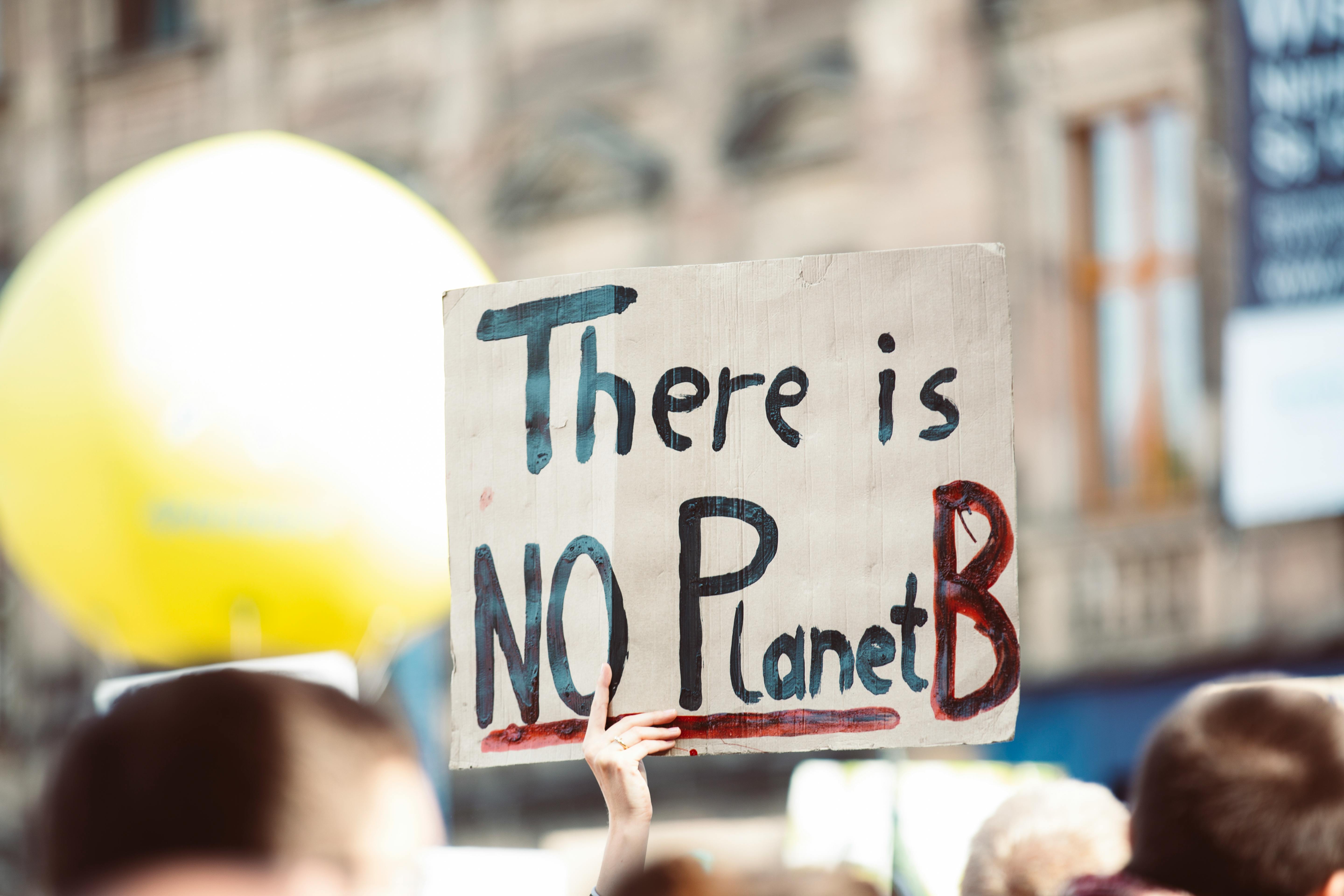
Grassroots movements amplify scientific findings and push for aggressive mitigation, highlighting justice and equity dimensions.
Challenges: Uncertainty, Complexity, and Societal Response
Despite dramatic advances, profound challenges remain in understanding and managing climate risk.
Scientific and Technical Challenges
- Regional and local projections
Translating global climate model outputs into actionable local information (e.g., for a specific river basin or city) requires downscaling, bias correction, and integration with socio‑economic data. - Compound and cascading events
Simultaneous or sequential hazards—such as heatwaves coinciding with drought, or storms following wildfire—are harder to model and often under‑represented in risk assessments. - Tipping point probability and timing
Although we know tipping points exist, quantifying precisely when they might be crossed, and under what emissions trajectories, remains deeply uncertain.
Societal and Governance Challenges
- Bridging the science–policy gap
Policymakers must make decisions under uncertainty, balancing immediate costs against long‑term, sometimes speculative risks like AMOC collapse or Amazon dieback. - Misinformation and polarization
Online misinformation campaigns can erode trust in climate science, even as extreme events make risks more tangible. - Equity and climate justice
Those least responsible for emissions are often most vulnerable to their impacts, raising ethical questions around loss and damage, adaptation finance, and relocation.
“Climate change is increasingly affecting people’s lives and livelihoods, with the most vulnerable communities suffering the greatest impacts.” — IPCC Special Reports
From Awareness to Action: What Individuals and Organizations Can Do
Extreme weather and tipping point science can feel overwhelming, but it also offers guidance on where action matters most.
For Individuals
- Stay informed via reputable outlets like the IPCC, national meteorological services, and respected science journalists.
- Reduce personal emissions by improving home efficiency, choosing low‑carbon transport where possible, and considering lower‑carbon diets.
- Engage civically through voting, community planning meetings, and support for policies that prioritize resilience and decarbonization.
For Organizations and Professionals
- Integrate climate risk assessments into planning, using downscaled projections and attribution studies to stress‑test infrastructure and supply chains.
- Invest in early warning systems and disseminate forecasts in accessible, multilingual formats.
- Partner with scientists and local communities to co‑design adaptation strategies that are equitable and context‑specific.
Educational videos and explainers, such as those from science communicators on YouTube and institutional channels like NASA Climate, can help translate complex climate dynamics into actionable understanding.
Conclusion: A Narrowing Window, Growing Insight
Climate tipping points, extreme weather, and advanced modeling together paint a sobering but empowering picture. On one hand, we now recognize that:
- Human‑driven warming is already amplifying extremes and pushing critical Earth systems toward potential tipping points.
- Some changes—especially in ice sheets and ecosystems—may be irreversible on human timescales once thresholds are crossed.
On the other hand, scientific advances give us:
- Faster, more precise attribution to inform accountability and policy.
- Improved forecasts for early warning and disaster preparedness.
- Deep‑time context revealing that current rates of change are unusual and dangerous, but not yet beyond influence.
The window to avoid triggering the most disruptive tipping points is narrowing, but it remains open. Decisions made in the 2020s and early 2030s—about energy systems, land use, and international cooperation—will strongly influence whether future generations inherit a planet nudged, or shoved, past its natural thresholds.
Additional Resources and Further Reading
For readers who want to delve deeper into the science of a warming planet, the following resources are highly recommended:
Key Reports and Assessments
- IPCC AR6 Working Group I — The Physical Science Basis
- IPBES Global Assessment Report on Biodiversity and Ecosystem Services
- Global Carbon Project — Annual Carbon Budget updates
Data and Visualization Portals
- NASA Global Climate Change — visualizations of key climate indicators.
- NOAA Climate.gov — maps, data, and educational resources.
- Our World in Data — CO₂ and greenhouse gas emissions .
Staying Up to Date
Climate science is evolving rapidly. To track the latest findings on tipping points, extreme events, and modeling:
- Follow journals like Nature Climate Change, Geophysical Research Letters, and Climate Dynamics.
- Connect with researchers on professional platforms like LinkedIn, where many share preprints, conference talks, and outreach materials.
- Explore preprint servers such as arXiv (Atmospheric and Oceanic Physics) and EarthArXiv.
Continual learning—from peer‑reviewed research, reputable media, and expert communicators—equips societies to navigate a century in which climate physics, ecology, and human decision‑making are more tightly intertwined than ever before.
References / Sources
- IPCC (2021–2023). Sixth Assessment Report (AR6). Available at: https://www.ipcc.ch
- World Weather Attribution. Event attribution studies. Available at: https://www.worldweatherattribution.org
- NASA Global Climate Change. Available at: https://climate.nasa.gov
- NOAA Climate.gov. Available at: https://www.climate.gov
- Our World in Data — Climate Change. Available at: https://ourworldindata.org/climate-change
- Lenton, T. M. et al. (2022–2023). Papers on climate tipping points in Nature and related journals.
- DeepMind (2023). GraphCast: AI for accurate medium-range global weather forecasting. Summary at: https://deepmind.google/discover/blog/ai-weather-forecasting-graphcast
- IPBES (2019). Global Assessment Report on Biodiversity and Ecosystem Services. Available at: https://ipbes.net/global-assessment
