
Eat Like You Want to Live to 100: Mediterranean‑Plus Lentil & Olive Oil Stew
Mediterranean‑Plus Lentil Stew (Blue Zones‑Inspired Longevity Bowl)
This Mediterranean‑Plus lentil and olive oil stew is inspired by Blue Zones and longevity‑focused eating, bringing together extra‑virgin olive oil, legumes, vegetables, and whole grains in a comforting, plant‑forward bowl that helps you “eat like you want to live to 100.” It’s rustic, deeply flavorful, and weeknight‑friendly—exactly the kind of simple, traditional dish you’ll find simmering in home kitchens from Ikaria to Sardinia.

In many Blue Zones—places where people routinely live into their 90s and beyond—pots of beans and lentils are everyday fare, not “health food.” This recipe channels that spirit: slow‑cooked lentils, sweet vegetables, fragrant herbs, and a generous, silky drizzle of good olive oil. It’s naturally plant‑forward, budget‑friendly, and endlessly adaptable for your kitchen.
Recipe Overview & Longevity Focus
Prep time: 15 minutes
Cook time: 35–40 minutes
Total time: 50–55 minutes
Servings: 4 hearty bowls
Difficulty: Easy
Dietary: Vegetarian, easily vegan, high‑fiber, Mediterranean‑inspired
Enjoy this stew as a substantial lunch or an earlier main meal, in line with many Blue Zones habits of eating larger meals earlier in the day and lighter dinners. It reheats beautifully, so it’s perfect for cooking once and eating well for days.
Ingredients for Mediterranean‑Plus Lentil Stew
This ingredient list looks long, but it’s mostly pantry staples: lentils, vegetables, and a few key flavor boosters that make the stew taste like it simmered all afternoon.
Core ingredients
- 3 tbsp extra‑virgin olive oil, plus more for finishing
- 1 medium yellow onion, finely chopped
- 2 medium carrots, diced
- 2 ribs celery, diced
- 3 cloves garlic, minced
- 1 red bell pepper, diced (optional but lovely)
- 1 cup (about 200 g) dry brown or green lentils, rinsed
- 1 can (400 g / 14 oz) crushed or diced tomatoes, no salt added if possible
- 4 cups (1 liter) low‑sodium vegetable broth (or water)
- 1 bay leaf
- 1 tsp dried oregano or thyme
- 1 tsp ground cumin (for warmth)
- ½ tsp smoked paprika (optional, for a subtle smokiness)
- ½–1 tsp fine sea salt, to taste
- ¼ tsp black pepper, freshly ground
Fresh finishers
- 1 small bunch fresh parsley or cilantro, roughly chopped
- Leaves from 2–3 sprigs fresh thyme or oregano (optional)
- 1 lemon, cut into wedges
Optional “Plus” add‑ins
- 2 cups chopped greens (spinach, kale, or Swiss chard)
- ¼ cup pitted olives, sliced (Kalamata or green)
- 1–2 tbsp capers, rinsed
- Cooked whole grains (farro, barley, brown rice, or quinoa) for serving
- 2–3 tbsp toasted nuts (walnuts or almonds), roughly chopped, for garnish
Equipment You’ll Need
You don’t need anything fancy—just a good pot and a sharp knife. Blue Zones cooking is all about making the most of simple tools.
- Large heavy‑bottomed pot or Dutch oven (at least 4‑quart / 4‑liter)
- Cutting board and sharp knife
- Wooden spoon or heatproof spatula
- Measuring cups and spoons
- Ladle for serving
Step‑by‑Step Instructions
We’ll build flavor in layers: first the vegetables, then the spices, then a gentle simmer until everything is tender and aromatic. Take your time with the early steps—the slow softening of onion, carrot, and celery is where the stew’s sweetness comes from.
- Prep the vegetables.
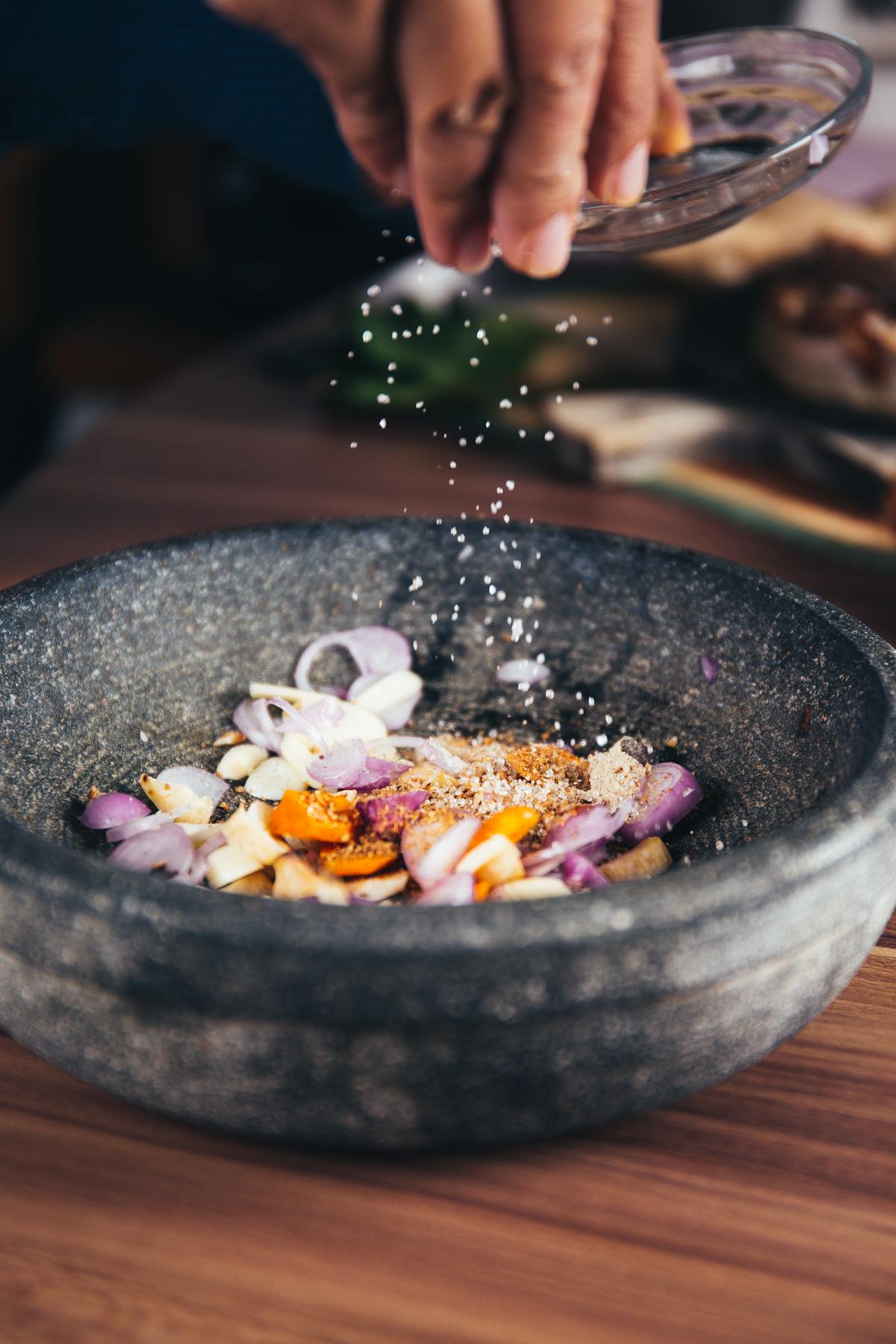
Finely chop the onion, dice the carrots and celery, mince the garlic, and dice the bell pepper if using. Rinse the lentils under cool water and pick out any tiny stones or debris.
- Sweat the aromatics in olive oil.
Warm 3 tbsp olive oil in your pot over medium heat. Add the onion, carrot, and celery with a small pinch of salt. Cook, stirring occasionally, for 7–9 minutes until the onion is translucent and the vegetables are soft and slightly sweet. Avoid browning; you want gentle, fragrant sizzling.
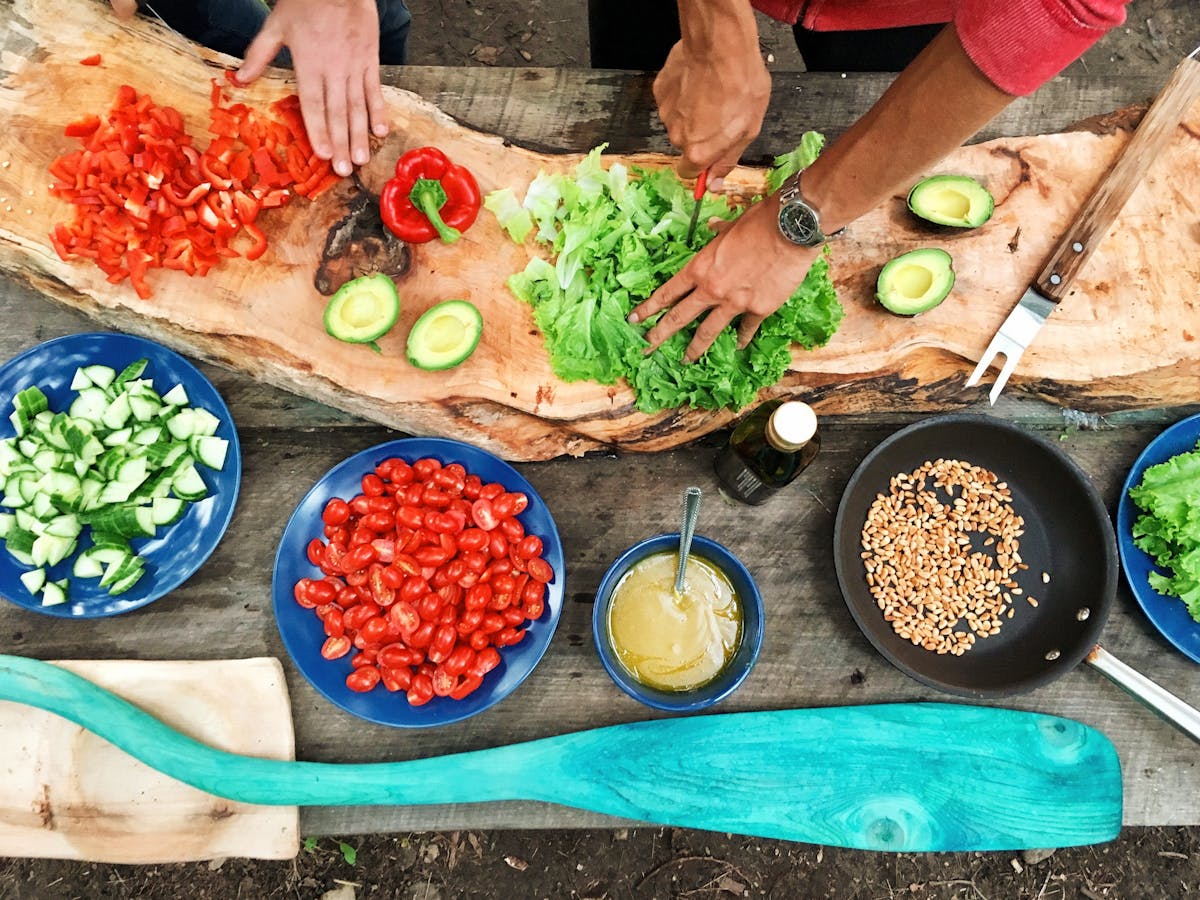
Take your time softening the vegetables in olive oil—the slow sauté builds deep, natural sweetness. - Add garlic, bell pepper, and spices.
Stir in the garlic and diced bell pepper. Cook for 1–2 minutes until fragrant. Sprinkle in the oregano or thyme, cumin, smoked paprika (if using), black pepper, and another pinch of salt. Stir for 30 seconds to gently toast the spices—they should smell warm and inviting, not burnt.
- Deglaze with tomatoes and add lentils.
Pour in the crushed or diced tomatoes and stir, scraping any browned bits from the bottom of the pot. Add the rinsed lentils and toss to coat them in the aromatic mixture.
- Add broth and simmer.
Pour in the vegetable broth (or water) and add the bay leaf. Increase the heat to bring the pot just to a gentle boil, then reduce to a low simmer. Cover partially, leaving the lid slightly ajar.
Simmer for 25–30 minutes, stirring occasionally, until the lentils are tender but not falling apart. If the stew looks too thick for your liking, add a splash of hot water; if too thin, let it simmer uncovered for a few minutes to reduce.
Let the lentils gently simmer until tender; the broth thickens into a glossy, olive‑oil enriched sauce. - Stir in greens and olives (optional).
In the last 5 minutes of cooking, stir in the chopped greens, olives, and capers if using. They’ll wilt and infuse the stew with extra color and briny, Mediterranean flavor.
- Taste and adjust.
Remove the bay leaf. Taste the stew and adjust with more salt, black pepper, or a pinch more cumin if you like it warmer. The flavors should be balanced: earthy lentils, sweet vegetables, round olive oil, and bright acidity from tomatoes.
- Finish with herbs, olive oil, and lemon.
Off the heat, stir in most of the chopped fresh parsley and any fresh thyme or oregano leaves. Ladle the stew into warm bowls.
Just before serving, drizzle each bowl with a generous spoonful of extra‑virgin olive oil and a squeeze of lemon juice. Top with the remaining herbs and toasted nuts, if using.
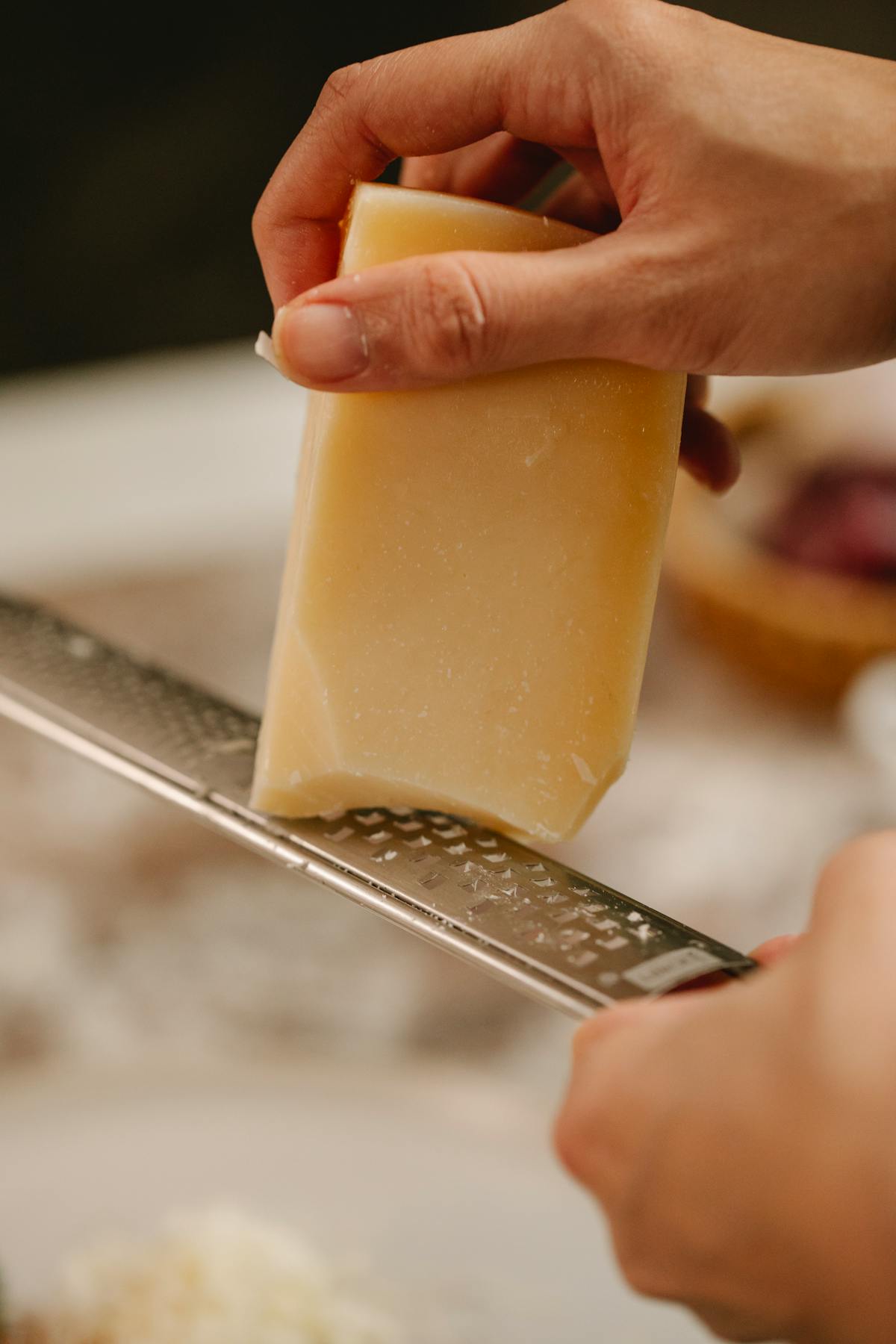
Serve your Mediterranean‑Plus lentil stew with lemon, herbs, and a final flourish of fragrant olive oil.
Serving Suggestions & Complementary Dishes
In Mediterranean and Blue Zones homes, this kind of lentil stew isn’t a stand‑alone “diet dish”—it’s part of a simple, generous table. Here are ways to turn it into a longevity‑minded meal.
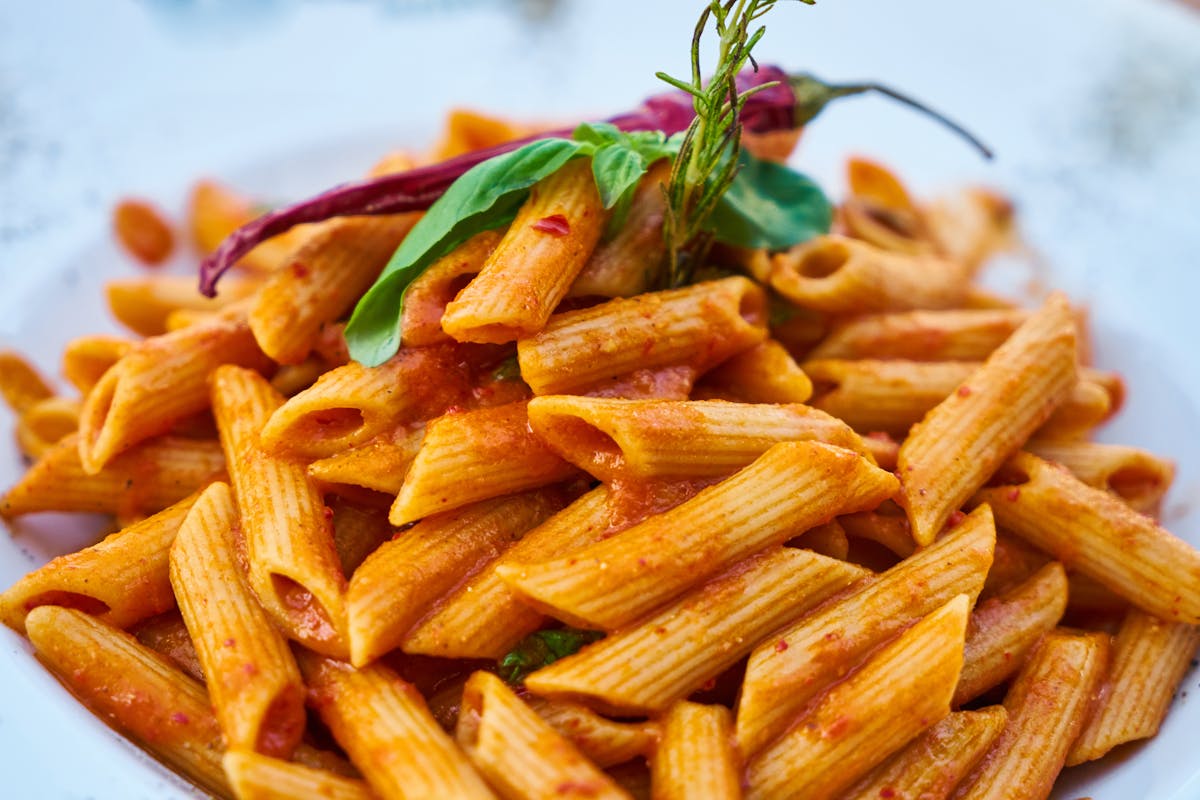
- Over whole grains: Spoon the stew over warm farro, barley, or brown rice for extra fiber and chew.
- With crusty bread: Serve with a slice of whole‑grain sourdough to soak up the broth and olive oil.
- Alongside a simple salad: Pair with a classic Greek‑style salad—tomatoes, cucumbers, olives, red onion, and feta (or a dairy‑free version) with lemon and olive oil.
- As part of a mezze spread: Offer small bowls of olives, roasted vegetables, hummus, and this lentil stew for a colorful, plant‑rich table.
- Light dinner bowl: For a gentler evening meal, enjoy a small portion of stew with extra greens and no bread, aligning with “bigger lunch, lighter dinner” wisdom from several Blue Zones.
Storage, Meal Prep & Reheating
Like many bean and lentil dishes, this stew tastes even better the next day as the flavors meld. It’s ideal for meal prep and supports a consistent, Mediterranean‑style eating pattern throughout the week.
Refrigeration
- Cool the stew to room temperature (no more than 2 hours out).
- Transfer to airtight containers and refrigerate for up to 4–5 days.
Freezing
- Portion into freezer‑safe containers, leaving a little space at the top for expansion.
- Freeze for up to 3 months.
- Thaw overnight in the refrigerator, or gently in a pan with a splash of water or broth.
Reheating
- Stovetop: Warm over low‑medium heat with a splash of water or broth, stirring occasionally, until steaming hot.
- Microwave: Reheat in a microwave‑safe bowl, covered, in 60‑second bursts, stirring in between, until hot.
- Always add fresh olive oil, herbs, and lemon after reheating to refresh the flavors and preserve the “Mediterranean‑Plus” character.
Variations & Blue Zones‑Inspired Twists
Think of this recipe as a template rather than a rulebook. Blue Zones kitchens are improvisational, guided by what’s fresh, affordable, and on hand.
How This Stew Fits a Mediterranean‑Plus Longevity Lifestyle
Beyond calories and macros, this recipe is about pattern: eating in a way that you could happily sustain for decades. That’s the heart of the Mediterranean‑Plus and Blue Zones philosophy.
“Eat like you want to live to 100” doesn’t mean restriction—it means building your everyday meals around plants, beans, whole grains, and joyful, shared cooking.
- High in fiber: Lentils, vegetables, and optional whole grains support digestive health, help stabilize blood sugar, and may support heart health.
- Healthy fats: Extra‑virgin olive oil provides monounsaturated fats and polyphenols linked with improved cardiovascular outcomes in Mediterranean diet research.
- Plant protein: Lentils offer satisfying protein without relying heavily on animal foods, echoing typical Blue Zones plates where meat is more of a condiment than a centerpiece.
- Nutrient density: Herbs, greens, tomatoes, and lemon layer in antioxidants, vitamins, and minerals without adding heaviness.
- Cultural and social fit: This is a shareable, one‑pot meal best enjoyed slowly, ideally with family or friends—a core part of the Blue Zones lifestyle beyond just “what’s on the plate.”
As always, consider this recipe one nourishing piece of a bigger picture that includes movement, sleep, stress management, and connection—all central themes in contemporary longevity research and Blue Zones storytelling.
