
Gut Health 2.0: Cook Your Way to a Happy Microbiome with Fermented Foods & Fiber-Packed Recipes
Gut Health 2.0 Meets the Home Kitchen
Gut health has moved far beyond probiotic pills and into our everyday cooking pots: crisp kimchi, tangy kefir, colorful grain bowls, and fiber-packed veggie plates are all part of the new “microbiome diet” movement. At its heart, this Gut Health 2.0 approach is wonderfully simple for home cooks: eat a rainbow of plants, add fermented foods often, and treat your gut microbes like cherished dinner guests.
Below, you’ll find a deeply satisfying, microbiome-friendly recipe: a Roasted Veg & Kimchi Fermented Grain Bowl packed with fiber diversity, fermented flavor, and plenty of comforting textures. It’s designed to be flexible, weeknight-friendly, and endlessly riffable while still aligning with the latest gut-health science.

What Is “Gut Health 2.0” in Everyday Food Terms?
The current wave of gut health—often called the microbiome diet or a gut-healing protocol—focuses less on restriction and more on addition: more fermented foods, more plant diversity, and more gentle, minimally processed meals that your microbes can feast on.
- Fermented foods as daily staples: kimchi, sauerkraut, kefir, kombucha, miso, tempeh, and live-culture yogurt.
- Fiber diversity & “30 plants a week”: fruits, vegetables, whole grains, legumes, nuts, seeds, herbs, and spices all count.
- Prebiotics & resistant starch: cooled potatoes, green bananas, oats, and specific fibers like inulin or GOS feed “good bugs.”
For home cooks, this translates beautifully into bowls, soups, stews, and big pans of roasted veg that you can mix and match through the week—exactly the kind of cooking we’ll lean into with this recipe.
Recipe: Roasted Veg & Kimchi Fermented Grain Bowl (Microbiome-Friendly)
This savory grain bowl layers chewy whole grains, caramelized roasted vegetables, crunchy raw toppings, and a bright hit of tangy kimchi for live cultures. A creamy miso-tahini dressing ties everything together with a nutty, umami-rich finish. It’s vegan-friendly, naturally high in fiber, and easy to customize based on what’s in your fridge.
Quick Summary
- Prep time: 20 minutes
- Cook time: 30–35 minutes
- Total time: ~50–55 minutes
- Servings: 4 generous bowls
- Difficulty: Easy–Moderate (great for batch cooking)
- Dietary: Vegan, high-fiber, microbiome-friendly

Ingredients
For the Grain Base
- 1 cup (200 g) dry cooked whole grain of choice (e.g., short-grain brown rice, barley, farro, or quinoa for gluten-free)
- 2 cups (480 ml) water or low-sodium vegetable broth
- 1/2 tsp fine sea salt (optional, adjust if broth is salty)
For the Roasted Vegetables
- 1 medium sweet potato, scrubbed and cubed (about 2 cm pieces)
- 1 small broccoli head, cut into florets (or broccolini)
- 1 medium carrot, sliced on the diagonal
- 1 small red onion, cut into wedges
- 2 tbsp extra-virgin olive oil or avocado oil
- 1/2 tsp ground cumin
- 1/2 tsp smoked paprika (optional but wonderful)
- 1/4 tsp black pepper, freshly ground
- 1/4–1/2 tsp fine sea salt, to taste
For the Protein & Fiber Boost
- 1 can (400 g) chickpeas, drained and rinsed, or 1.5 cups cooked chickpeas
- 1 tbsp olive oil
- 1/2 tsp ground turmeric (optional, for color and anti-inflammatory flair)
- 1/4 tsp garlic powder or granules
- Pinch of salt and pepper
For the Miso-Tahini Dressing
- 3 tbsp tahini (sesame seed paste)
- 1 tbsp white or yellow miso paste (unpasteurized if possible)
- 2 tbsp fresh lemon juice or rice vinegar
- 1 tsp maple syrup or honey (if not vegan)
- 1 small garlic clove, finely grated or minced
- 3–5 tbsp warm water, to thin to a pourable consistency
For the Fermented & Fresh Toppings
- 1–1.5 cups (about 200–250 g) kimchi or sauerkraut with live cultures
- 1 small cucumber, thinly sliced
- 1 small avocado, sliced (optional but luscious)
- 2 tbsp toasted seeds (pumpkin, sunflower, or sesame)
- Fresh herbs, such as cilantro, parsley, or green onions, chopped
- Optional: a small handful of leafy greens per bowl (baby spinach, arugula, or mixed salad leaves)
Equipment You’ll Need
- 1 medium saucepan with lid (for the grains)
- 1–2 large baking sheets or roasting pans
- Parchment paper (optional, for easier cleanup)
- 1 medium mixing bowl (for chickpeas)
- 1 small bowl or jar with lid (for the dressing)
- Chef’s knife and cutting board
- Measuring cups and spoons
- Spatula or tongs for tossing and serving

Step-by-Step Cooking Instructions
- Cook the grains.
Rinse your chosen grain under cold water. Add to a saucepan with the water or broth and salt (if using). Bring to a boil, then reduce to a gentle simmer, cover, and cook until tender:
- Brown rice: 30–35 minutes
- Farro or barley: 25–30 minutes
- Quinoa: 12–15 minutes
Once cooked, turn off the heat and let sit, covered, for 5–10 minutes to steam, then fluff with a fork.
- Prep and roast the vegetables.
Preheat your oven to 220°C / 425°F. Line a baking sheet with parchment if you like.
Toss the sweet potato, broccoli, carrot, and red onion with olive oil, cumin, smoked paprika (if using), salt, and pepper. Spread in a single layer on the baking sheet.
Roast for 20–25 minutes, tossing once halfway through, until the edges are caramelized and the centers are tender.
- Crisp the chickpeas.
While the vegetables roast, pat the chickpeas dry with a clean kitchen towel or paper towel. In a bowl, toss them with olive oil, turmeric, garlic powder, salt, and pepper.
After the vegetables have been roasting for about 10 minutes, slide the chickpeas onto a separate corner of the tray or a second baking sheet. Roast for 15–20 minutes, shaking once, until slightly crisp on the outside and golden.
- Make the miso-tahini dressing.
In a small bowl or jar, whisk together tahini, miso, lemon juice, maple syrup, and garlic until thick and smooth. Add warm water, 1 tablespoon at a time, whisking until the dressing is pourable but still creamy. Taste and adjust:
- More lemon for brightness
- More maple for sweetness
- A pinch of salt if needed (miso is naturally salty)
- Prep the fresh and fermented toppings.
Slice the cucumber and avocado (if using). Chop herbs and rinse any leafy greens. Gently loosen the kimchi or sauerkraut with a fork. Keep fermented foods off the hot tray so their live cultures stay happier.
- Assemble the bowls.
Divide the warm grains among 4 bowls. Top with generous scoops of roasted vegetables and crispy chickpeas.
Add a handful of fresh greens and nestle in a spoonful or two of kimchi or sauerkraut per bowl (start with about 1/4–1/3 cup).
Arrange cucumber and avocado slices on top. Drizzle with the miso-tahini dressing and finish with toasted seeds and herbs.
- Taste and adjust before serving.
Take a small bite that includes a bit of everything: grain, veg, chickpea, kimchi, and dressing. If it needs more zing, add extra kimchi or a squeeze of lemon; if it’s too intense, mellow it with more grains or a drizzle of olive oil.
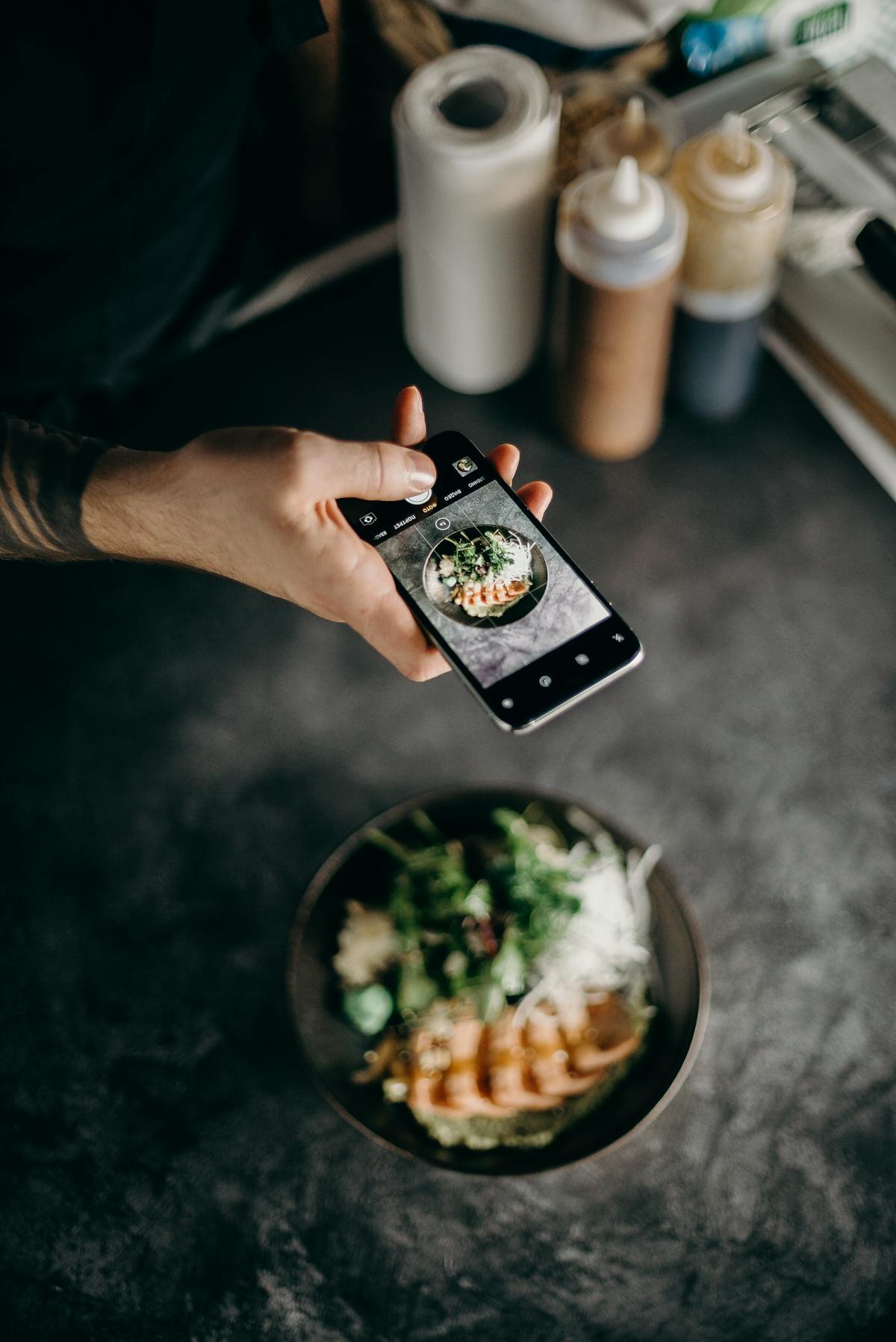
Taste, Texture, and Aroma
Every bite of this bowl tells a little story on your tongue. The grains are warm and chewy, soaking up any extra dressing. Roasted sweet potato and carrot bring gentle sweetness and caramelized edges, while broccoli and onion add a toasty, almost smoky aroma.
Then the kimchi cuts through with tangy, garlicky brightness and just a whisper of heat, waking everything up. The miso-tahini dressing is silky and nutty, hugging the vegetables, and the toasted seeds crackle pleasantly as you chew. It’s comforting and deeply nourishing, yet lively and exciting enough to crave again tomorrow.

Substitutions & Dietary Adaptations
Gluten-Free Option
- Use quinoa, buckwheat groats, or brown rice instead of barley or farro.
- Check that your miso is made from rice or chickpeas, not barley, if you are sensitive to gluten.
Low-Heat or Mild Flavor
- Swap spicy kimchi for a milder kimchi or plain sauerkraut.
- Reduce or skip smoked paprika if smoky flavors aren’t your thing.
Different Fermented Foods
- Use a spoonful of miso-marinated tempeh cubes instead of or alongside chickpeas.
- Add a dollop of plain unsweetened yogurt (dairy or coconut-based) for creaminess and extra cultures.
- Serve with a small glass of kefir or kombucha on the side to round out the fermented theme.
Gut-Sensitive (IBS or Low-FODMAP Inspired)
- Start with smaller portions of kimchi and beans, and increase slowly as tolerated.
- Swap onion for the green tops of green onions or chives if you are sensitive to onions.
- Use white rice or quinoa if very high fiber grains cause discomfort.
Storage & Reheating
This recipe is perfect for meal prep and busy weeks. A little planning gives you gut-friendly lunches or dinners for days.
How to Store
- Grains & roasted vegetables: Store together in an airtight container in the fridge for up to 4 days.
- Chickpeas: Keep in a separate container to preserve a bit of their texture, for up to 4 days.
- Kimchi/sauerkraut & fresh toppings: Store separately and keep cold. Add them to bowls after reheating so their live cultures stay stronger.
- Dressing: Refrigerate in a jar for up to 5 days. It may thicken; whisk in a teaspoon of water before using.
Reheating Tips
- Reheat the grain and roasted veg in a skillet with a splash of water or broth over medium heat until warmed through.
- Or, reheat in the microwave in 45–60 second bursts, stirring in between.
- Add fermented foods, cucumber, herbs, and dressing after reheating, so you enjoy both warm and cool elements in each bite.

Serving Ideas & Complementary Dishes
You can serve this fermented grain bowl as a standalone meal, or build a full gut-friendly menu around it.
Pair With
- A simple miso soup with seaweed and tofu.
- A side of steamed greens (like bok choy or kale) with sesame oil and garlic.
- A small glass of kefir or sparkling water with a splash of kombucha.
- For extra crunch: a small bowl of mixed nuts and seeds dusted with spices.
“Think of each meal as a chance to introduce your gut microbes to a new friend—a herb you haven’t used in a while, a differently colored vegetable, or a new whole grain. Over time, those tiny changes can really shift how you feel.”

How This Bowl Fits the “Microbiome Diet” Trend
Wellness creators and clinicians are increasingly talking about gut health in terms of patterns rather than magic bullets. This recipe echoes several key themes you’ll see in current microbiome-friendly advice:
- Fermented foods daily: Kimchi, miso, and optional yogurt or kefir give you a variety of fermented flavors and microbes.
- Plant diversity: Grains, legumes, vegetables, herbs, seeds, and alliums help you inch closer to that “30 different plants a week” goal.
- Prebiotic fibers & resistant starch: Beans, cooled grains, onions, garlic, and even cold leftovers offer food for beneficial microbes.
- Shift from restriction to addition: Instead of cutting things out, this bowl encourages you to add color, texture, and variety to your plate.
The science of the microbiome is still evolving, and one-size-fits-all plans rarely work perfectly for everyone. But using recipes like this as a flexible template can gently steer your everyday eating in a more gut-supportive direction without sacrificing joy.
