Cozy Minimalism Is the New Maximal Flex: How to Make Your Home Calm, Warm, and Clutter‑Free
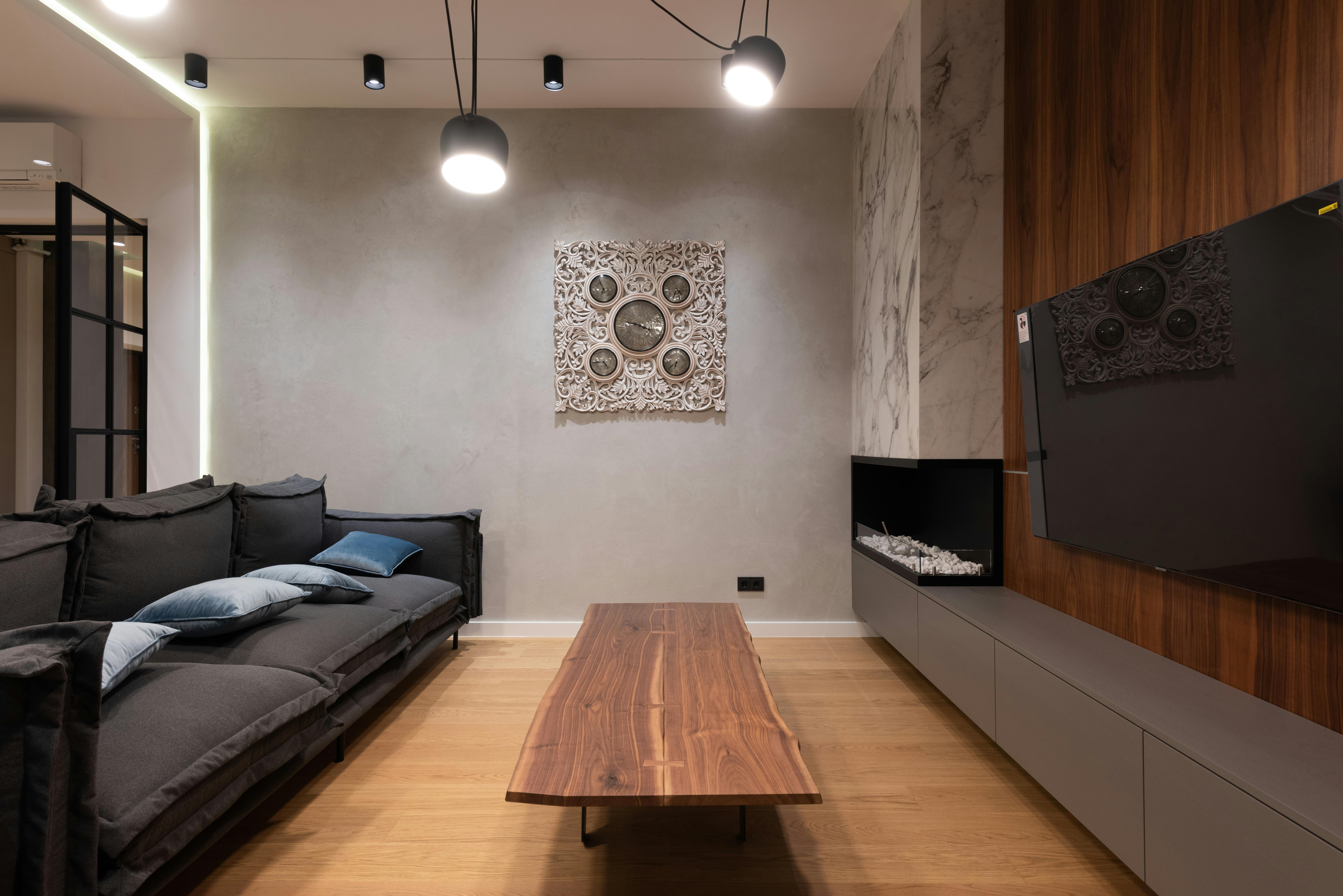
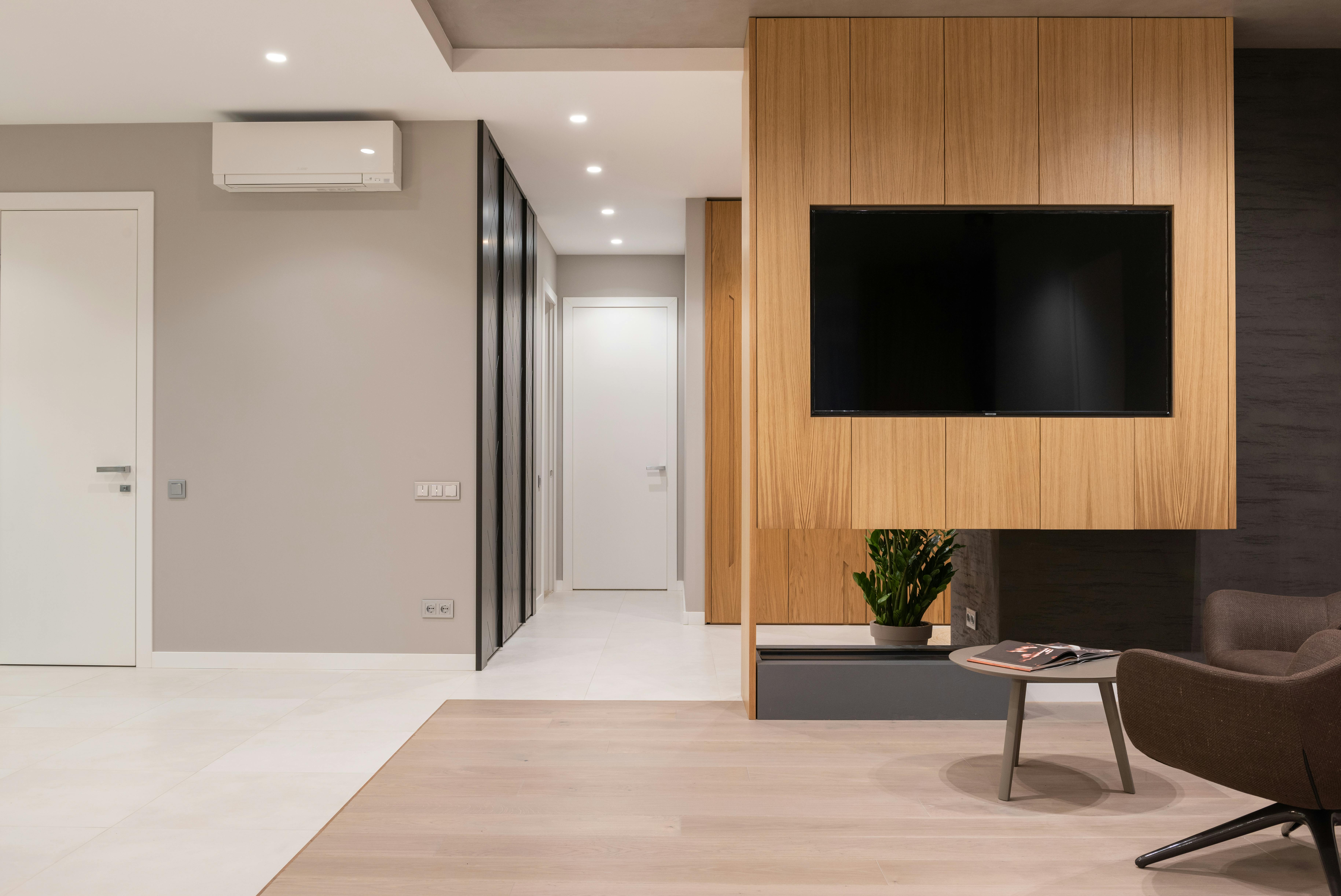
Somewhere between “monk’s cell” minimalism and “I own every object on the internet” maximalism, a beautiful middle child has emerged: cozy minimalism. Think calm, clutter-free rooms that still feel like you actually live there and not like you’re afraid to sit on the sofa.
If the last few years of ultra-white, hyper-curated interiors have left you wondering where people keep their actual stuff (and souls), this trend is your sign to exhale. Cozy minimalism keeps the less is more mindset, but adds warmth, texture, and personality—like giving classic minimalism a chunky knit sweater and a mug of tea.
What Is Cozy Minimalism (And Why Is It Everywhere)?
Cozy minimalism is the warm, lived‑in version of minimalist decor that’s trending all over #minimalisthomedecor, #homedecorideas, and #livingroomdecor right now. It keeps the visual calm of minimalism—fewer objects, clean lines, intentional furniture—but ditches the “museum of sterile white objects” feeling.
A cozy minimalist room usually has:
- Soft, warm neutrals like warm white, greige, mushroom, and soft earthy tones.
- Fewer but better pieces: one deep sofa, one or two chairs, a simple wood or stone coffee table.
- Texture everywhere: bouclé, linen, wool, jute, plaster-effect walls, chunky knits.
- Meaningful decor instead of trinkets: a big framed print, a sculptural lamp, a handmade vase.
- Hidden storage so daily life is real, but visual clutter is not.
The goal isn’t to own as little as possible; it’s to see as little chaos as possible. You still have blankets, chargers, kids’ toys, and that one ugly-but-essential router—cozy minimalism just helps them stop screaming for attention.
The 3 Golden Rules of Cozy Minimalism
Think of cozy minimalism as a recipe: fewer ingredients, better quality, cooked low and slow. Here are the three “house rules” to keep you on track.
- Rule 1: Edit first, decorate later.
Before you buy that bouclé chair you saw on Instagram, do a ruthless (but kind) edit. Remove extras, duplicates, and “I never liked you anyway” decor. Cozy minimalism only works if the room can breathe. - Rule 2: Every piece has a job.
Either it’s useful (lamp, table, storage) or it earns its keep by adding beauty or emotional value (art, heirloom vase, favorite throw). Bonus points if it does both. - Rule 3: If you add something, subtract something.
New candle? Great. Old one that never gets lit? Time to say thanks and goodbye. Imagine your room has a “max occupancy” for decor.
Cozy minimalism isn’t about having nothing; it’s about letting the right things shine without competition.
Cozy Minimalist Living Room: Calm, Not Boring
The living room is cozy minimalism’s natural habitat. It’s where you want your brain to whisper “ahhh” instead of “where did all this stuff come from?”
1. Start with a warm, low‑drama color palette
Swap bright, stark whites for warm neutrals—think soft ivory, linen, greige, or clay. These shades are trending hard right now, especially in limewash and plaster-effect paints that add gentle movement to the walls.
Pro tip: choose one main wall color and then build the rest of the room in shades of that color family to keep things visually calm but not flat.
2. Anchor the room with a few substantial pieces
Instead of ten small furniture pieces tap-dancing for attention, go for:
- A deep, comfortable sofa in a neutral, textured fabric (linen, cotton, bouclé).
- One or two simple accent chairs with clean lines.
- A wood or stone coffee table that feels solid and grounded.
If your space is small, skip extra side tables and use a single streamlined console or wall-mounted shelf for storage and display. Less leggy furniture = calmer visual field.
3. Bring the cozy with texture, not clutter
This is where cozy minimalism wins over classic minimalism. You’ll see:
- Bouclé or textured sofas and armchairs.
- Chunky knit or woven throws instead of piles of little pillows.
- Jute, wool, or textured rugs to define the seating area.
- Linen or cotton curtains that filter light softly.
The trick: vary the textures (smooth wood, nubby fabric, cool stone) but keep the colors harmonious so the room feels layered, not loud.
4. Edit your decor like a gallery curator
Shelves stuffed to the brim? Cozy minimalist emergency. Instead:
- Display fewer, larger pieces instead of many tiny objects.
- Try one oversized framed print or abstract canvas over the sofa.
- Add a single sculptural lamp or handmade ceramic vase on a console.
Ask each decor item: “Do you spark joy, or are you just here for the ride?” Keep the joy. Rehome the rest.
Cozy Minimalist Bedroom: Your Calm‑Down Playlist in Room Form
Your bedroom should feel like the human equivalent of a weighted blanket—especially now that remote work and everyday stress tend to bleed into every corner of home life.
1. Go low-profile and grounded
A low-profile bed with a simple headboard (upholstered, wood, or even a soft wall panel) instantly gives a calm, Japanese- or Japandi-inspired vibe. Skip ornate frames and footboards; let the bedding do the talking.
2. Layer bedding like a minimalist burrito
Layered bedding = cozy. Chaos of ten throw pillows = not minimalist. Try:
- Crisp cotton or linen sheets in off‑white or warm beige.
- A duvet in a solid neutral with subtle texture (seersucker, matelassé, or washed linen).
- One lightweight quilt or throw folded at the foot of the bed.
- 2–4 pillows, max. Not 47. Your future self making the bed will thank you.
3. Keep surfaces almost suspiciously clear
Cozy minimalism loves a decluttered nightstand. Aim to keep only what you use nightly: a lamp, water glass, book, maybe one small personal object. Everything else can live in drawers, trays, or closets.
If you’re a chronic surface-clutterer, give yourself “landing spots”: a shallow drawer, a lidded box, or a tray that hides the real-life bits while keeping the look serene.
4. Light it like a sunset, not a supermarket
Instead of harsh overhead lights, bedrooms shine in:
- Paper lanterns or fabric drum shades.
- Dimmable bedside lamps with warm bulbs (2700–3000K).
- Wall sconces for reading, freeing up nightstand space.
You want soft, diffuse light that makes you look at your phone less and your pillow more.
Why Cozy Minimalism Feels So Good (Hello, Mental Wellness)
Cozy minimalism isn’t just about aesthetics; it’s about how your space makes you feel. Research and common sense agree: visual clutter can increase stress and make it harder to relax or focus. A calmer environment can help your brain chill out.
This trend aligns with the broader movement toward:
- Intentional living: keeping only what you use or love.
- Multi-functional spaces: homes that handle work, rest, and play without feeling chaotic.
- Sustainability: buying fewer, better pieces instead of constant impulse decor hauls.
It’s no coincidence that cozy minimalism overlaps with Scandinavian and Japandi styles—both of which prioritize simple forms, natural materials, and spaces that support everyday well‑being.
DIY Your Way to Cozy Minimalism (Without a Full Renovation)
You don’t need to gut your home to get the look. A few targeted tweaks can nudge your space into cozy-min territory over a weekend.
1. Warm up your walls
Trade cool blue-whites for warm whites, greige, or taupe. Limewash and plaster-effect paints are especially trending—they give a soft, cloudy texture that feels rich without being busy.
2. Upgrade your lighting game
If you only do one thing, let it be this: swap cold, bright bulbs for warm, dimmable ones. Then add:
- A floor lamp in the living room for evening coziness.
- A table lamp with a fabric shade near your reading spot.
- Under-cabinet or shelf lighting for soft, indirect glow.
3. Treat your furniture to a soft makeover
No new sofa? No problem. Cozy minimalists love:
- Slipcovers in linen or cotton for existing sofas and chairs.
- Reupholstering seat cushions in neutral, textured fabric.
- Adding a single, large area rug to visually simplify a room.
4. Build simple, functional storage
To keep the minimalist look without sacrificing real-life practicality, consider:
- Basic wood shelves with concealed boxes or baskets.
- Under‑bed drawers for off-season clothes or linens.
- Built‑in or wall-mounted units painted to match your walls so they visually recede.
Pro tip: storage should feel like a quiet background singer, not the lead vocalist.
Common Cozy Minimalism Mistakes (And Easy Fixes)
If your attempt at cozy minimalism currently feels either too bare or strangely busy, you’re not alone. Here’s how to course-correct.
- Mistake: It feels cold and lifeless.
Fix: Add 2–3 more textures (wool, jute, linen, wood), bring in a plant or two, and introduce a warmer wall color or lamp light. - Mistake: It still looks cluttered, just beige now.
Fix: Reduce the number of visible objects by a third. Use closed storage, and keep decor big and bold rather than small and scattered. - Mistake: Everything is the exact same color.
Fix: Add depth with shades of the same color family and a few natural materials—wood tones, stone, black metal accents. - Mistake: It doesn’t feel like “you.”
Fix: Add one or two personal pieces: a framed travel photo, a handmade object, your favorite art print—just display them simply and intentionally.
How to Start Today: A 20‑Minute Cozy Minimalist Reset
If you’re ready to dip a toe (or your whole living room) into cozy minimalism, try this quick routine:
- Pick one room you spend the most time in—living room or bedroom.
- Grab a bag or box and temporarily remove small decor items and random clutter.
- Clear one main surface completely: coffee table, dresser, or nightstand.
- Put back only 3–5 items you truly love or use every day.
- Turn on just your warmest, softest lights and see how the room feels.
Cozy minimalism isn’t a one‑day makeover; it’s a gentle, ongoing edit. Over time, you’ll figure out your own “just enough” level of stuff, texture, and warmth.
The goal? A home that looks good in photos but feels even better in person—calm, welcoming, and unmistakably yours.