
Caught the Stomach Bug? How to Tell If It’s Norovirus (And What to Do Next)
Health Desk Editorial Team
Updated
One minute you feel fine, and an hour later you’re hovering over the toilet, wondering what on earth just hit you. If this sounds familiar, you’re not alone—norovirus, sometimes called the “winter vomiting bug,” has been circulating widely again this season, and it’s one of the most common causes of sudden stomach illness.
In this guide, we’ll walk through how to tell if your “stomach bug” might be norovirus, what symptoms actually matter, how it spreads so quickly, and what you can realistically do at home to feel better and protect the people around you. We’ll also cover when it’s time to put down the electrolyte drink and call your doctor or urgent care.
What Exactly Is Norovirus, and Why Is It Everywhere in Winter?
Norovirus is a very contagious virus that inflames your stomach and intestines, a condition called acute gastroenteritis. It’s one of the leading causes of “stomach flu” worldwide—though it isn’t actually related to influenza, which is a respiratory virus.
- It spreads easily through contaminated food or water.
- You can catch it by touching contaminated surfaces and then your mouth.
- It spreads from person to person via tiny particles from vomit or stool.
The virus tends to surge in colder months, especially in crowded places like schools, cruise ships, nursing homes, and daycares. Because just a few viral particles can make you sick, outbreaks can move quickly through households and communities.
Expert insight: The U.S. Centers for Disease Control and Prevention (CDC) notes that norovirus is the leading cause of vomiting and diarrhea from acute gastroenteritis across all age groups in the United States.
How to Tell If Your Stomach Bug Might Be Norovirus
No at-home test can confirm norovirus yet, so diagnosis is usually based on symptoms, how quickly they start, and what’s happening around you (like a school outbreak or sick family members).
Typical norovirus symptoms
Norovirus symptoms usually appear 12–48 hours after exposure and tend to hit suddenly. Common signs include:
- Nausea that may come in waves
- Vomiting, often forceful and repeated
- Watery diarrhea (usually not bloody)
- Stomach cramps or abdominal pain
- Low-grade fever, chills, body aches, or headache
- Fatigue and weakness, feeling “wiped out”
Norovirus vs. food poisoning vs. the “stomach flu”
Lots of infections can cause vomiting and diarrhea. Here are some small clues that suggest norovirus, though there’s overlap:
- Timing: You feel OK, then within a few hours you’re very sick. Norovirus often has a rapid onset after a brief incubation (12–48 hours after exposure).
- Vomiting-heavy illness: Norovirus is notorious for intense vomiting, especially early on.
- Short course: For most healthy adults, severe symptoms last 1–3 days, then gradually improve.
- Chain of illness: Others in your home, school, or workplace start having the same symptoms within a day or two.
Bacterial food poisoning may be more likely if you have high fever, bloody diarrhea, or severe abdominal pain, especially after a specific meal. But in real life, it can be hard to tell the difference without lab testing, and the initial home care—especially staying hydrated—is similar.
When a “Simple Stomach Bug” Is Not So Simple: Red-Flag Symptoms
Most people recover from norovirus at home, but dehydration and certain warning signs need prompt medical attention. This is especially important for young children, adults over 65, pregnant people, and anyone with a weakened immune system or chronic illness.
Signs of dehydration
- Very dry mouth or tongue
- Little or no urine (or very dark yellow urine) over 6–8 hours
- Dizziness, especially when standing up
- Extreme sleepiness or confusion
- In children: no tears when crying, sunken eyes, or a sunken soft spot on the head
Call your doctor or seek urgent care right away if:
- You can’t keep any fluids down for more than 8–12 hours.
- You have signs of moderate to severe dehydration (see list above).
- There is blood in your vomit or stool.
- You have severe abdominal pain or a rigid, tender belly.
- You have a fever over 102°F (38.9°C) that doesn’t improve.
- Symptoms last more than 3 days without improvement, or suddenly get worse.
- You have a serious underlying condition (like kidney disease, heart failure, diabetes, or are on chemotherapy).
What to Do If Norovirus Hits: Practical Home Care That Helps
There’s no specific antiviral medication for norovirus. Treatment is mainly about supporting your body while the virus runs its course—usually a few days for otherwise healthy people.
1. Focus first on fluids, not food
- Start slow: After vomiting, give your stomach a rest for about 30–60 minutes, then take tiny sips every few minutes rather than large gulps.
- Choose the right fluids: Oral rehydration solutions (like Pedialyte), diluted sports drinks, broths, or water with a pinch of salt and a little sugar can help replace fluids and electrolytes.
- Avoid: Alcohol, full-strength fruit juice, very sugary drinks, and caffeine, which can worsen diarrhea.
2. Gradually reintroduce bland foods
Once vomiting settles and you’re able to keep fluids down:
- Start with dry toast, crackers, plain rice, bananas, or applesauce.
- Eat small, frequent amounts instead of full meals.
- Avoid greasy, spicy, or very rich foods until you feel better.
3. Use medicines carefully
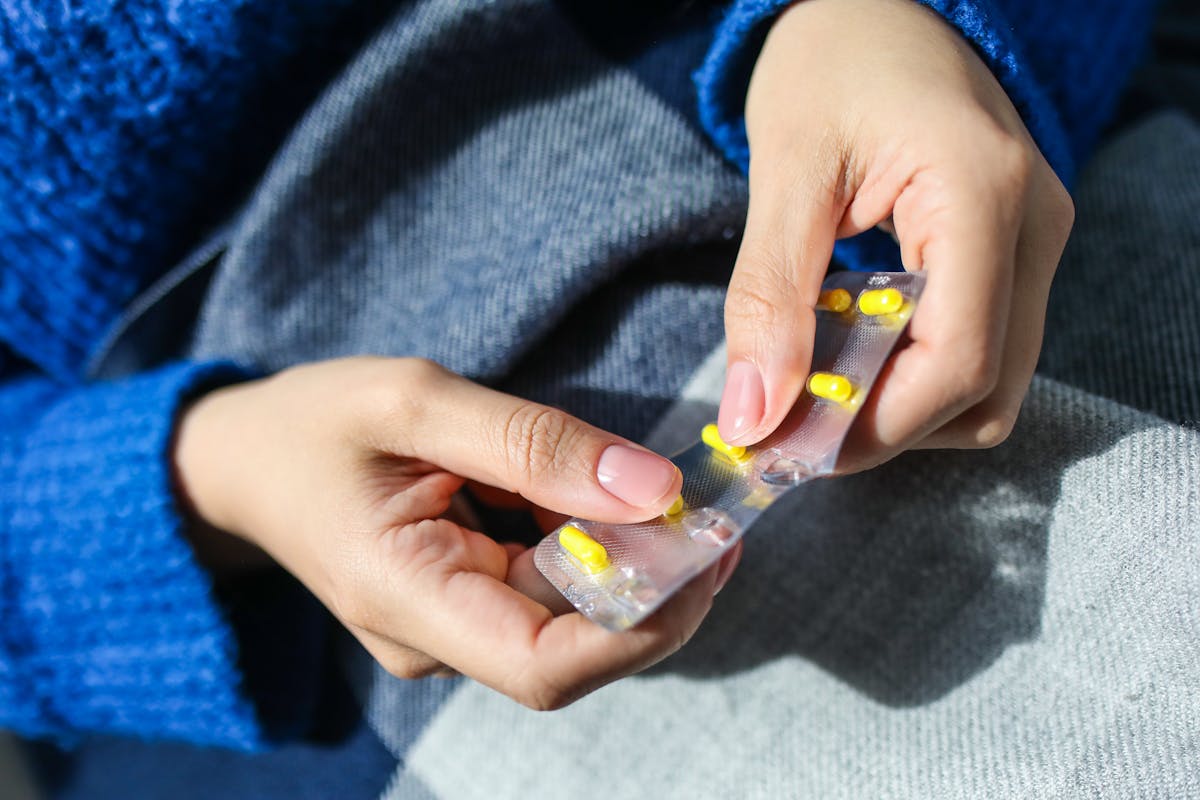
- Fever and aches: Acetaminophen (paracetamol) may help with fever and discomfort. Avoid ibuprofen on an empty or upset stomach unless your doctor advises otherwise.
- Anti-diarrheal drugs: Medications like loperamide are not always recommended for infectious diarrhea and generally should not be used in children unless a clinician specifically advises it.
- Children: Always check with a pediatrician before giving medicines to young children with vomiting or diarrhea.
Norovirus Is Extremely Contagious: How to Protect Your Household
One of the hardest parts of norovirus is watching it move from person to person at home. The virus can shed in huge amounts in vomit and stool and can survive on surfaces for days, sometimes longer, if not cleaned properly.
Key steps to reduce spread
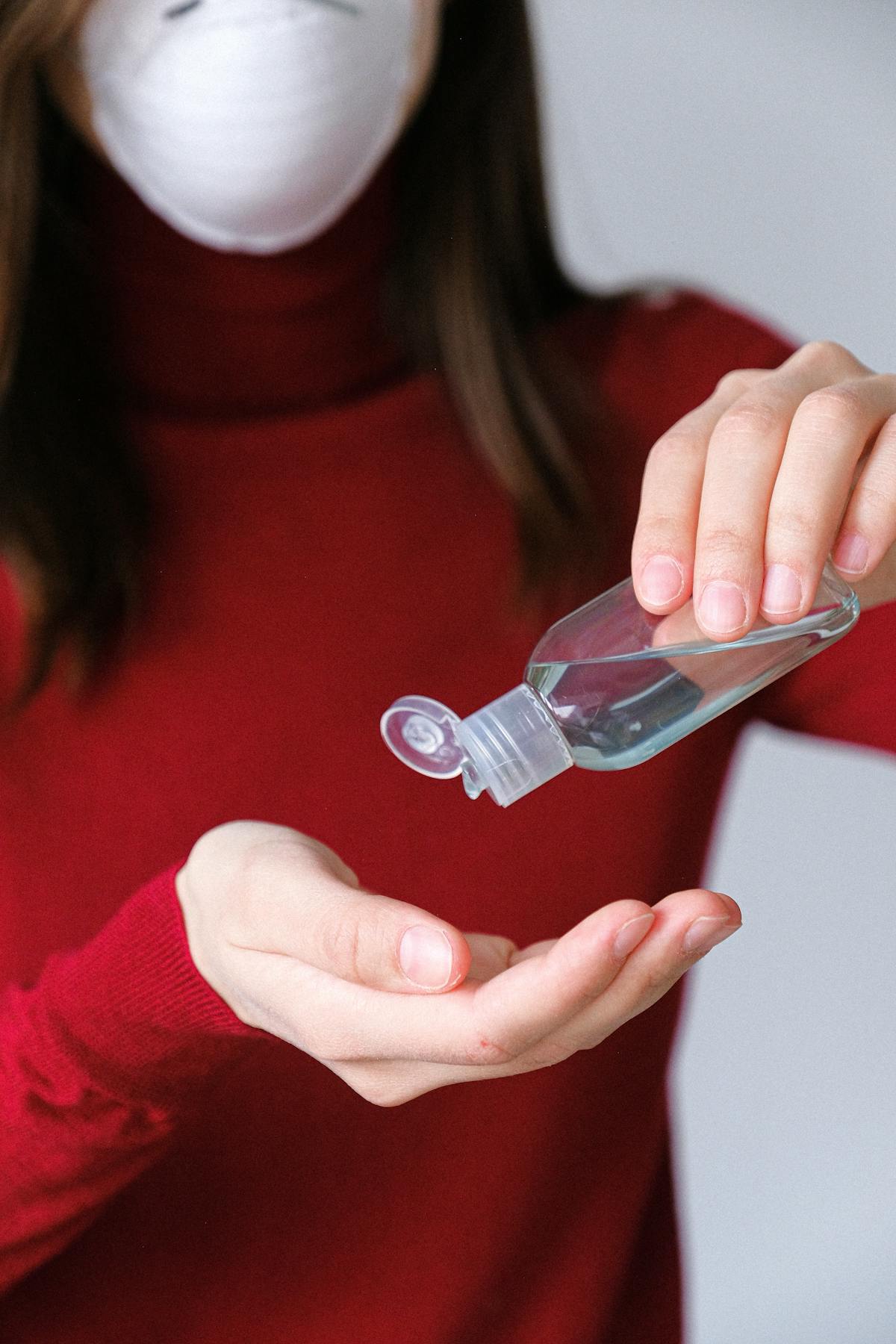
- Wash hands thoroughly with soap and water for at least 20 seconds, especially after using the bathroom, changing diapers, or cleaning up vomit, and before preparing or eating food. Hand sanitizer is less effective against norovirus and should not replace handwashing.
- Use a separate bathroom for the sick person if possible. If not, disinfect high-touch surfaces (flush handles, faucets, doorknobs) often.
- Clean and disinfect correctly: Wear disposable gloves, wipe up visible mess with paper towels, then disinfect with a bleach-based cleaner or an EPA-registered disinfectant effective against norovirus (follow the product’s contact time).
- Wash laundry carefully: Handle soiled clothes and linens with gloves, avoid shaking them, and wash with hot water and detergent; then dry thoroughly on high heat.
- Stay home from work, school, or food handling jobs for at least 48 hours after symptoms stop, since people can still shed the virus.
What Recovery Looks Like: A Realistic Timeline
Everyone’s experience is a bit different, but this is a typical norovirus timeline for a generally healthy adult:
| Time | What Often Happens |
|---|---|
| 12–48 hours after exposure | Sudden nausea, vomiting, stomach cramps; diarrhea may start. |
| Day 1–2 | Vomiting and diarrhea are usually worst; fatigue and body aches common. |
| Day 2–3 | Vomiting often improves; diarrhea and tiredness may continue. |
| Day 3–5 | Most people feel significantly better but may still have a sensitive stomach and lower energy. |
If you’re not seeing any improvement by day 3, or if symptoms get worse instead of better, it’s time to contact a healthcare professional.
Feeling Miserable and Worried? You’re Not Alone
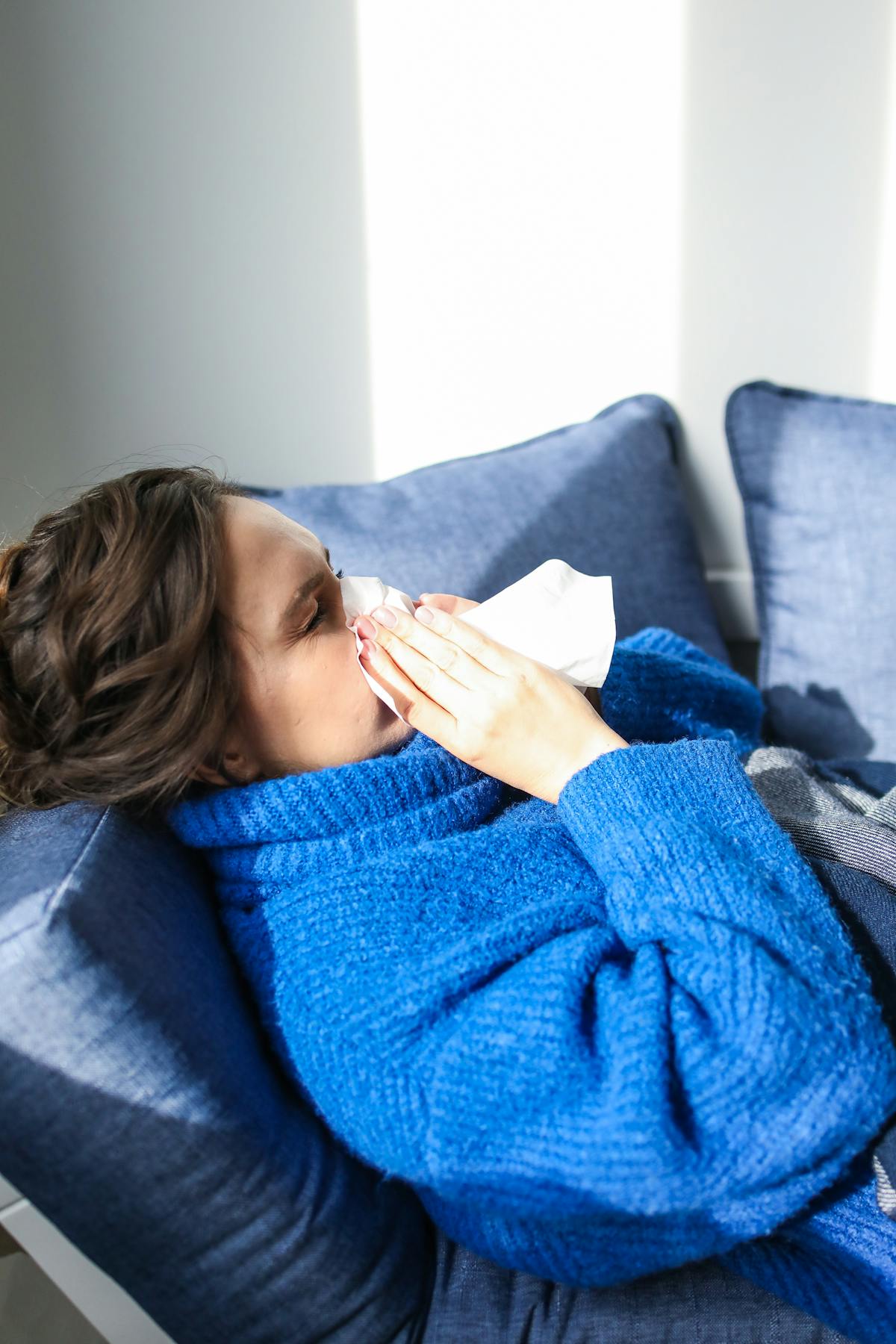
Norovirus can feel frightening because the symptoms are so sudden and intense. Many people worry they did something “wrong” or that they’ll never want to eat again. It helps to remember:
- Norovirus is extremely common and can affect even very careful, health-conscious people.
- Most otherwise healthy adults and children recover fully with rest and fluids.
- There’s no prize for “toughing it out”—it’s okay to ask for help with childcare, meals, or errands while you recover.
“When our entire family got norovirus last winter, we made a ‘sick station’ in the living room with water, electrolyte drinks, a bucket, and extra towels. It wasn’t glamorous, but it let us rest and keep an eye on each other.” – Parent of two young children
Quick Questions About Norovirus, Answered
How long am I contagious?
You’re usually most contagious while you have symptoms and for at least 2 days after they stop. Some people—especially young children and those with weakened immune systems—can shed the virus for longer.
Can I get norovirus more than once?
Yes. There are several strains of norovirus, and immunity after infection is incomplete and temporary. People can get sick again from a different strain, or even the same strain months or years later.
Is there a vaccine for norovirus?
As of 2026, there is no licensed vaccine for norovirus for the general public, though several candidates are in clinical trials. For now, prevention relies heavily on hygiene, safe food handling, and staying home when sick.
Evidence and Trusted Resources
Information in this article is based on guidance and reviews from:
- U.S. Centers for Disease Control and Prevention (CDC): Norovirus
- World Health Organization (WHO): Food Safety and Gastroenteritis
- Peer-reviewed articles on acute gastroenteritis and norovirus epidemiology from journals such as Clinical Microbiology Reviews and New England Journal of Medicine.
Moving Forward: Small Steps That Make a Big Difference
Norovirus is unpleasant, but with early attention to fluids, smart hygiene, and awareness of warning signs, most people weather it safely at home. If you or a loved one are currently in the thick of it, your only real “job” right now is to stay hydrated, rest, and reduce the chance of passing it along.
When you’re feeling up to it, you can:
- Restock oral rehydration solutions, cleaning supplies, and hand soap.
- Talk with your household about a simple “sick-day plan” for future bugs.
- Bookmark trusted resources (like the CDC norovirus page) so you’re not relying on random internet searches next time someone gets sick at 2 a.m.
If you’re unsure whether your symptoms are “normal” or if you’re worried about dehydration, err on the side of calling your doctor or local nurse advice line. You don’t have to navigate this alone, and getting help early is a sign of wisdom, not weakness.
